Public Health
Atlanta / Nineteen pathogens, nearly 10 million infections and a death toll the size of a small city every year — the CDC’s first antimicrobial resistance threat report in seven years redraws the map of the superbug problem, and warns the hardest-to-treat germs are spreading fastest inside the hospitals meant to stop them
Track it live: Live outbreak tracker
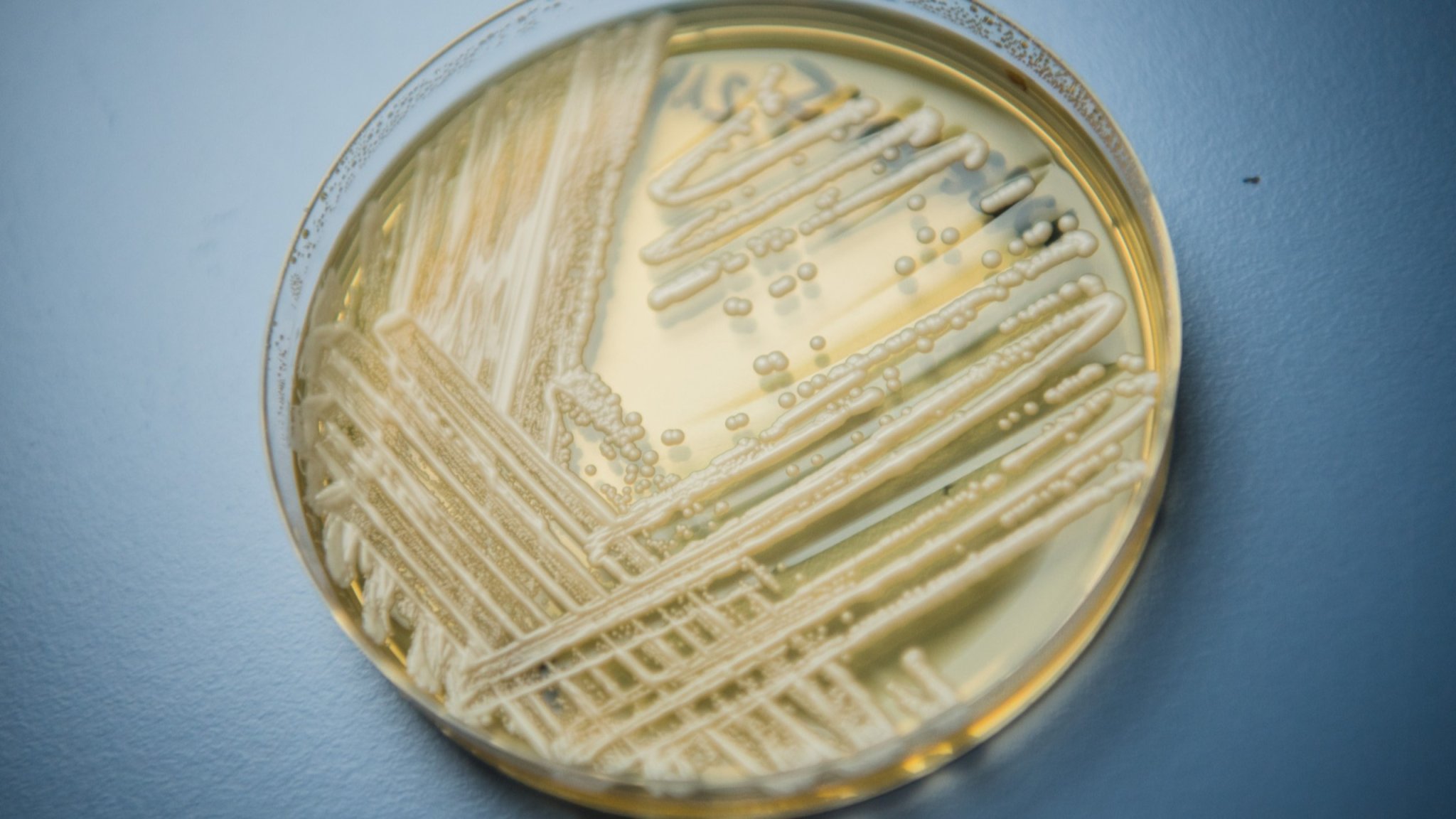
The CDC drug-resistant germs report is back, and its headline finding is stark. The Centers for Disease Control and Prevention released its 2026 Antimicrobial Resistance Threats Report on Tuesday, October 27 — the agency’s first full threat assessment since 2019 — and estimated that 19 drug-resistant pathogens now cause about 9.7 to 9.8 million infections and roughly 50,800 deaths every year in the United States. The estimates are built on 2023 data, the most recent complete year the agency analysed, and they place drug-resistant infection among the country’s leading causes of death: 50,800 deaths a year is more than the annual toll of many conditions that command far larger research budgets and far more public attention.
“Antimicrobial resistance threatens modern medicine and puts millions of Americans at risk every year,” CDC Director Dr. Erica Schwartz said in the agency’s release announcing the report. “This data shows both the progress we’ve made and the significant work that remains.” The progress and the warning sit side by side throughout the document. One notorious threat, Clostridioides difficile, has been downgraded after years of decline. But the fungus Candida auris has multiplied roughly tenfold, resistance genes are moving through hospital bacteria faster than the drugs pipeline is replacing them, and the overwhelming share of the dying — more than 42,000 of the 50,800 deaths — is happening in connection with healthcare itself, in hospitals and nursing facilities, at a cost the CDC puts at about $12 billion a year.
What the report found: 19 threats, ranked
The report sorts its 19 pathogens into the CDC’s familiar tiers. Four are rated urgent threats, the agency’s highest category, reserved for germs it says require aggressive, immediate action: Candida auris, carbapenem-resistant Acinetobacter, carbapenem-resistant Enterobacterales — the family known as CRE, long nicknamed “nightmare bacteria” — and drug-resistant gonorrhea. Thirteen further pathogens are rated serious threats, and two are rated concerning. Alongside the 19, the agency maintains a watch list of six additional pathogens it is monitoring for their potential to become threats — an acknowledgement that the roster is a snapshot of a moving problem, not a fixed one.
The tiers are not academic. They steer surveillance money, laboratory capacity and hospital infection-control priorities, and they signal to drug developers where the treatment gaps are most dangerous. A germ rated urgent is one for which the CDC judges that resistance is already defeating standard treatments, spreading in ways that are hard to contain, or both. The 2026 list is also notable for its movement in both directions: drug-resistant Neisseria meningitidis, the bacterium behind meningococcal disease, appears as a serious threat, while C. difficile moves the other way — evidence, the agency argues, that sustained prevention work can push a threat down the table even as others climb it.
The four urgent threats, one by one
Candida auris: the fungus that learned the hospital
The report’s most alarming single trajectory belongs to Candida auris, a yeast that was barely known in the United States a decade ago. The CDC recorded 4,523 cases in 2023, and cases rose by more than 50 percent between 2022 and 2023 alone; measured against 2019, infections have climbed roughly tenfold. C. auris is dangerous for a combination of reasons no other entry on the list quite matches. It colonises skin and survives on hospital surfaces and equipment for long periods, so it spreads through wards and nursing homes on bed rails, monitors and hands. Many patients carry it without symptoms, which lets it travel silently. And some strains resist nearly every antifungal medicine available — the point at which a bloodstream infection in an already seriously ill patient can become untreatable.
CRE and carbapenem-resistant Acinetobacter: when the last line fails
Carbapenem-resistant Enterobacterales owe their place on the urgent list to the drugs they defeat. Carbapenems are among the broadest, strongest antibiotics in routine use — the agents doctors reach for when narrower drugs have already failed. CRE bacteria produce enzymes that destroy those drugs, and the report highlights how resistance genes, including the NDM gene, are spreading through the family: a separate CDC analysis found infections involving NDM-producing CRE rose by more than 460 percent between 2019 and 2023. Carbapenem-resistant Acinetobacter, a pathogen that thrives in intensive-care settings and on ventilators, presents the same problem in a different ward: infections for which the remaining options are older, more toxic or simply absent.
Drug-resistant gonorrhea: the common infection running out of road
The fourth urgent threat is the most familiar name on the list. Gonorrhea, caused by Neisseria gonorrhoeae, is one of the most common sexually transmitted infections in the country — and the bacterium has systematically defeated nearly every antibiotic class once used against it, from penicillin to ciprofloxacin to azithromycin-based combinations. Treatment now rests heavily on a single remaining first-line drug, ceftriaxone, and resistant strains detected internationally have shown how thin that margin is. Its urgent rating reflects arithmetic as much as microbiology: a very common infection, rising case counts and a shrinking list of medicines that work is a combination that can fail suddenly rather than gradually.
The one downgrade: C. difficile moves from urgent to serious
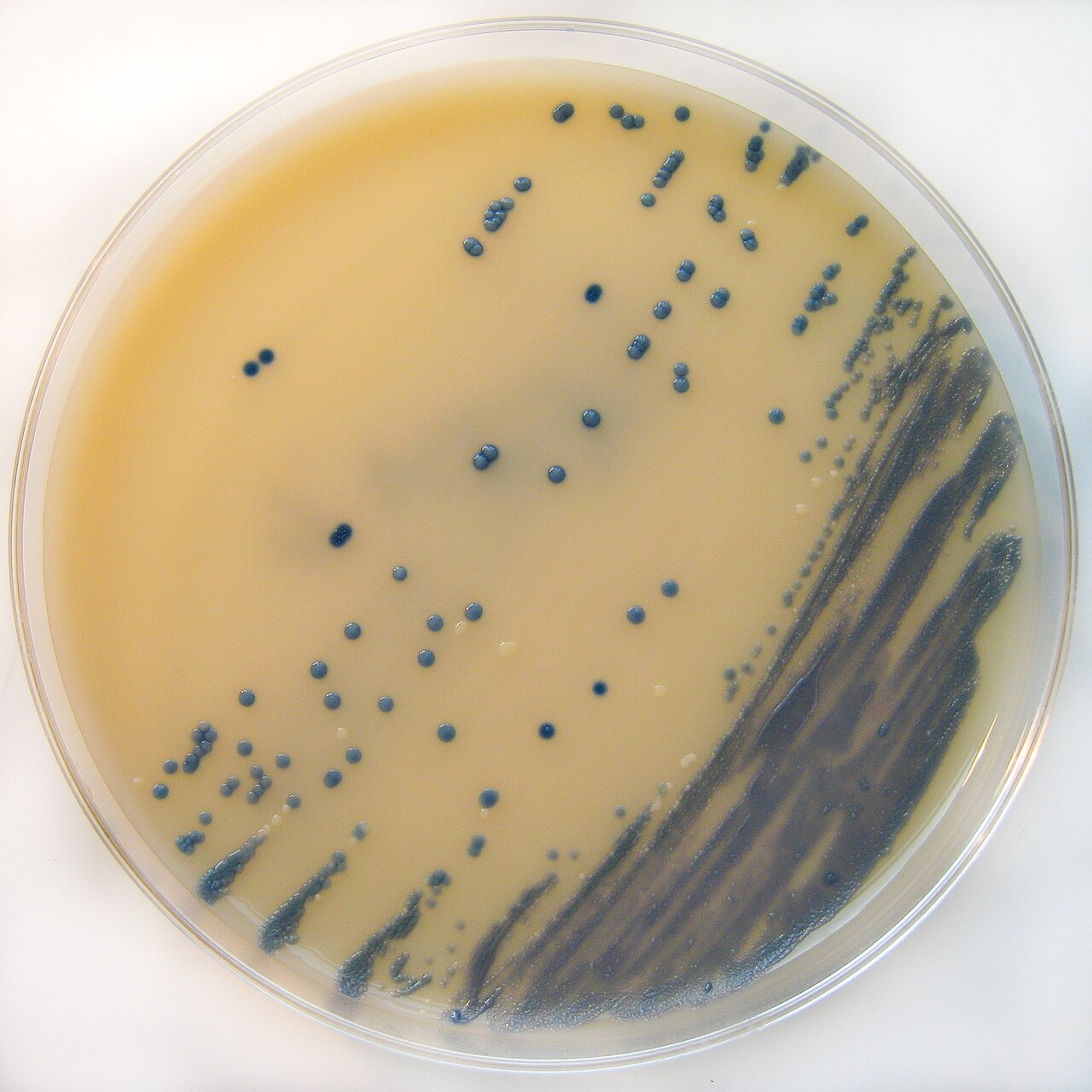
The report’s clearest piece of good news concerns Clostridioides difficile, the bacterium whose toxins cause severe, sometimes deadly diarrhoea, most often in patients whose normal gut bacteria have been disrupted by antibiotics. In the 2019 report, C. difficile stood in the urgent tier. In 2026 it is rated serious, not urgent: the CDC says rates began falling in 2018 and have held broadly stable since 2020, a decline it credits to better antibiotic stewardship — using antibiotics only when needed, and the right ones — and to stronger infection prevention in hospitals. The downgrade matters beyond one bacterium. It is the report’s internal proof of concept: the same measures the agency is urging against Candida auris and CRE have already moved a major threat in the right direction.
Why the 2026 numbers are not a like-for-like jump from 2019
Set the two reports side by side and the contrast looks dramatic: 2.8 million infections and more than 35,000 deaths a year in 2019, against roughly 9.8 million infections and 50,800 deaths now. The CDC is explicit that the two sets of figures should not be read as a direct, like-for-like increase, and any account that presents the change as resistance simply tripling in seven years misreads the document. The agency changed its methods between the reports: the 2026 estimates draw on broader data sources and updated surveillance, capturing infections the older approach missed. Some of the apparent rise is therefore a measurement effect — a wider net catching more of a problem that was always larger than the old figures showed.
That caveat cuts the other way as well, and it is important not to over-correct. Within the new methods, the CDC documents genuine, pathogen-by-pathogen increases that no accounting change explains away: the tenfold rise in Candida auris since 2019, the more-than-50-percent single-year jump in its cases between 2022 and 2023, and the rapid spread of NDM-type resistance in CRE are measured trends, not artefacts. The honest summary is two-part. The true burden of drug-resistant infection in the United States is substantially larger than the 2019 report estimated — because the counting is better. And for the most dangerous organisms on the list, the underlying trend is still getting worse — because the counting shows that too.
The hospital problem: 42,000 deaths and $12 billion
The single most consequential breakdown in the report is where the deaths occur. Infections associated with healthcare account for more than 42,000 of the roughly 50,800 annual deaths and about $12 billion in costs. The pattern reflects who these germs attack: people already in hospital with catheters, ventilators, surgical wounds or suppressed immune systems — patients undergoing chemotherapy, organ transplants and joint replacements, the very procedures the CDC warns resistance puts at risk, since all of them depend on antibiotics working when infection strikes. The COVID-19 pandemic years sit inside the data as a stress test: the report notes that hospital-onset resistant infections and deaths rose about 15 percent from 2019 to 2020, driven by heavier antibiotic use, overwhelmed hospitals and weakened infection control — a demonstration of how quickly the numbers move when the system is strained.
It is why the agency’s framing keeps returning to prevention rather than cure. For healthcare-associated threats, the effective weapons are unglamorous: hand hygiene, environmental cleaning that can actually eliminate organisms like C. auris from surfaces, screening and isolation of colonised patients, laboratory capacity to identify resistance quickly, and stewardship programmes that stop antibiotics being used in ways that breed resistance. Those are the levers that produced the C. difficile decline, and the report treats them as the main line of defence while better drugs are developed — a process measured in years, against bacteria and fungi evolving in months. The stakes connect directly to the outbreak response work Signal Post News tracks on its outbreak tracker: the same surveillance and laboratory networks now fighting the Bundibugyo Ebola outbreak in Congo, where the death toll has passed 4,000, are the networks on which resistance detection depends.

Context: seven years between reports
The gap since the last report is itself part of the story. The CDC’s threat assessments were designed as periodic stock-takes; the 2019 edition, built largely on data through 2017, became the reference point for a field that then lived through a pandemic. COVID-19 rewrote hospital infection patterns, consumed the laboratory and surveillance capacity that tracks resistance, and — as the 15 percent hospital-onset spike in 2020 shows — actively worsened parts of the problem. The 2026 report, arriving seven years on and based on 2023 data, is therefore both an update and a restart: new baseline numbers, new methods, one pathogen added to the serious tier, one demoted from urgent, and a watch list that signals where the agency expects the next problems to emerge. Readers comparing coverage should treat 2026, not 2019, as the baseline future reports will be measured against.
The wider economics explain why the pipeline has not kept pace. A new antibiotic is deliberately used as little as possible — held in reserve to slow resistance — which makes it a poor commercial product under volume-based sales, even as its social value is enormous. That market failure is why the report’s release has renewed attention on incentive proposals, including the PASTEUR Act model of subscription-style payments for critically needed antimicrobials, alongside approaches such as bacteriophage therapy and repurposed drugs. The contrast with outbreak countermeasures is instructive: when the United States wanted an Ebola treatment stockpile this month, it signed a $270 million deal with Regeneron in a single procurement — the kind of guaranteed-payment structure antibiotic developers have long argued they need and rarely get.
Why this matters
The numbers reset the politics of a slow emergency. This is analysis, not announcement: antimicrobial resistance has always suffered from being a catastrophe in aggregate and an anecdote in person — no single outbreak day, no single pathogen with a household name. A federal estimate of about 50,800 deaths a year, published by the CDC with named tiers and named villains, gives legislators, hospital systems and insurers a figure they can budget against. Whether it moves appropriations the way outbreak emergencies do is the open question; the report’s own emphasis on $12 billion in healthcare-associated costs is plainly written for the people who hold those budgets.
Hospitals are both the battlefield and the source. More than four in five of the deaths in this report are associated with healthcare settings. That concentrates responsibility in a useful way: a few thousand hospitals and nursing facilities, their cleaning protocols, their laboratories and their antibiotic-prescribing habits determine most of the national outcome. It also concentrates the risk unfairly on the sickest patients — the transplant recipient, the chemotherapy patient, the premature infant — for whom a resistant infection is not a complication but often the fatal event. Progress is demonstrably possible: C. difficile’s downgrade was earned in exactly these wards. But Candida auris’s tenfold rise was earned there too, and at the moment the fungus is winning more ground than stewardship is taking back.
The methods change is a warning about every older statistic. The CDC’s candour that its 2019 figures undercounted the problem — and that the new, larger estimates reflect better measurement as much as worse reality — should recalibrate how all pre-2026 resistance statistics are quoted. The burden was never 35,000 deaths a year in any precise sense; it was at least that, measured narrowly. The 2026 baseline of about 50,800 deaths and 9.8 million infections is the figure future trend lines will start from, and the first test of the new framework will be whether the next report can show the Candida auris and CRE curves bending under it.
Who benefits, who is exposed. The clearest beneficiaries of the report are the advocates and agencies who have argued for years that resistance funding should match its death toll: they now hold an official number nearly half again larger than the old one. Hospital infection-prevention programmes gain leverage for staffing and laboratory budgets. The exposed are equally identifiable: long-term care facilities, where C. auris spreads and resources are thinnest; patients whose life-saving procedures assume working antibiotics; and a drug-development pipeline that, on the report’s own evidence, is not producing replacements at the rate resistance is retiring existing drugs — a gap that sits alongside brighter spots in the same health economy, such as the FDA’s recent hepatitis B decision covered in our report on the Hibsago functional-cure approval.
What happens next
Three things follow from here. First, implementation: the urgent ratings for Candida auris, CRE, carbapenem-resistant Acinetobacter and drug-resistant gonorrhea translate into screening guidance, laboratory priorities and infection-control expectations for hospitals and nursing homes, and state health departments will be measured on C. auris containment most of all, given its growth curve. Second, legislation: the report lands in Washington as ready-made evidence for antimicrobial incentive proposals of the PASTEUR Act type, and for appropriations arguments about CDC and hospital preparedness funding — expect the 50,800 figure to anchor those debates. Third, measurement: with methods now reset, the agency’s next updates can be read as true trends for the first time in years. If Candida auris posts another increase on the scale of 2022 to 2023, the argument that current infection control is sufficient becomes untenable; if the C. difficile pattern repeats elsewhere, the report will be remembered as the moment the response finally matched the scale of the problem. Signal Post News will follow the state-level C. auris data and the federal funding response as they develop.
Sources
- Centers for Disease Control and Prevention (CDC), October 27, 2026: 2026 Antimicrobial Resistance Threats Report and accompanying release — 19 pathogens, an estimated 9.7–9.8 million drug-resistant infections and about 50,800 deaths a year (2023 data), four urgent threats, the Candida auris case count of 4,523 in 2023, the C. difficile downgrade, healthcare-associated deaths above 42,000 and costs of about $12 billion; CDC Director Dr. Erica Schwartz quoted. cdc.gov
- CIDRAP (Center for Infectious Disease Research and Policy), October 2026: coverage and analysis of the 2026 Antimicrobial Resistance Threats Report, including the methodological changes from the 2019 report and reaction from infectious-disease specialists. cidrap.umn.edu
- NBC News and the Associated Press, October 2026: reporting on the report’s release — the 9.8 million infection estimate, the urgent-threat list, the spread of resistance genes including NDM in CRE, and the warning that resistance endangers chemotherapy, organ transplants and joint replacements. nbcnews.com
- Becker’s Hospital Review, October 2026: hospital-sector coverage of the report’s healthcare-associated infection findings and cost estimates.
Note: the CDC cautions that the 2026 estimates use updated methods and broader data sources than the 2019 report (2.8 million infections, more than 35,000 deaths) and should not be compared with it as a direct like-for-like change; figures above are reported on that basis.