Catholics in Africa outnumber Europe: the Vatican's Fides statistics count 1.422 billion Catholics worldwide, with Africa at 20.3 percent and Europe at 20.2 percent — the first time Africa has led Europe in the Church's own numbers, and the priest counts point the same way.
Vatican / A margin of about a million people, built on a growth gap of more than eight to one
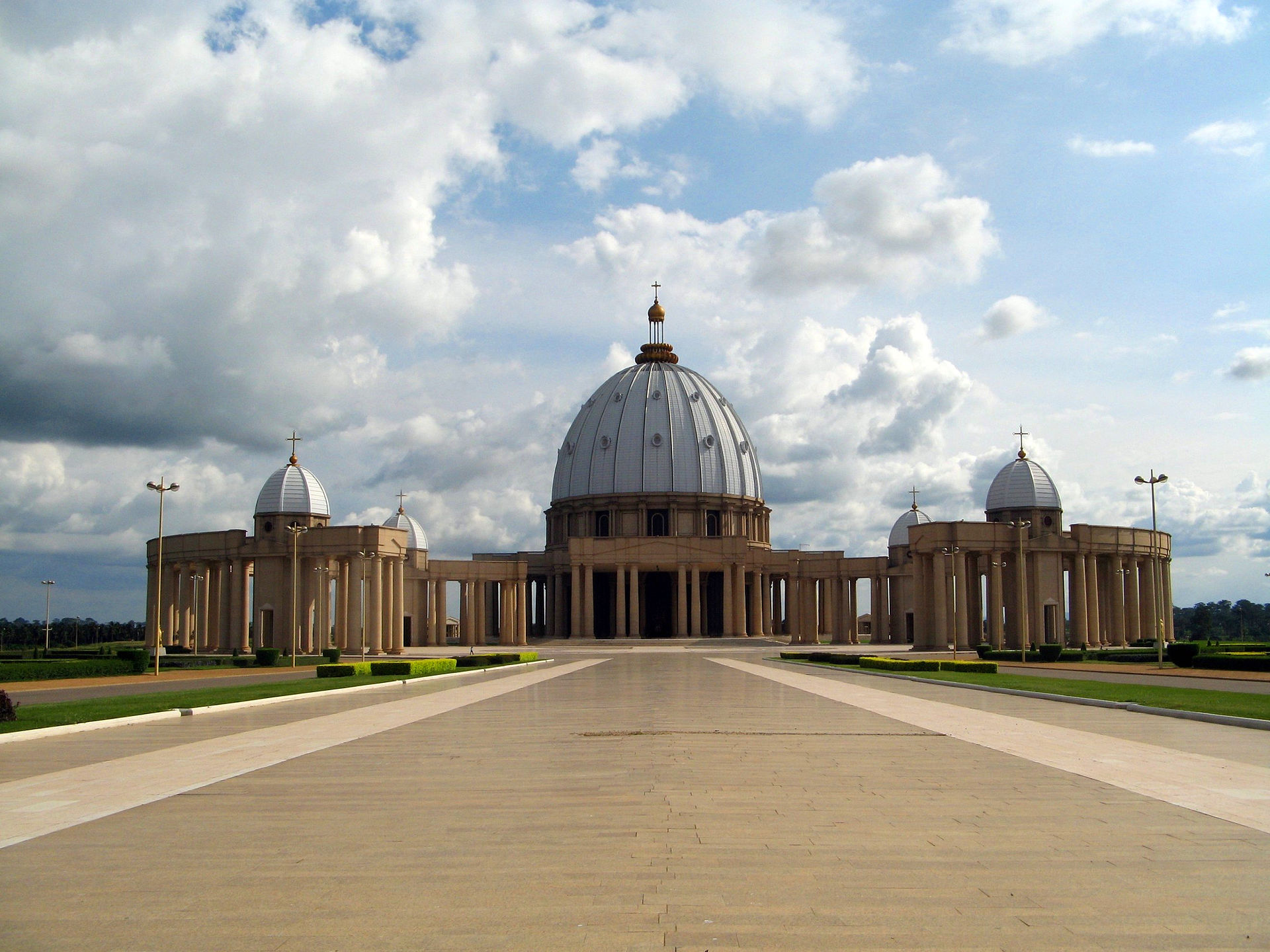
The headline numbers are close, and that closeness is part of the story. Of the world's 1.422 billion Catholics at the end of June 2024, 20.3 percent lived in Africa and 20.2 percent in Europe. In people, that works out to roughly 288.3 million Catholics in Africa against about 287.2 million in Europe — a lead of only about a million, in a global Church of well over a billion. The Americas remain by far the largest Catholic region, with 47.7 percent of the total, followed by Asia at 11 percent and Oceania at 0.8 percent.
What makes the crossover more than a rounding milestone is the direction and speed of travel underneath it. Between the 2023 and 2024 counts, the worldwide Catholic population grew by about 16.7 million, from 1.405 billion to 1.422 billion, holding steady at 17.8 percent of humanity. Africa alone contributed about 7.58 million of those new Catholics — nearly half of all net growth on Earth. Europe did not shrink: it added about 911,000 Catholics of its own. Africa simply grew more than eight times faster, and a gap that arithmetic made inevitable has now closed.
The priest numbers tell the same story
Fides counted 5,525 bishops and 407,421 priests worldwide. The priest total rose by 425 — small, but the first increase in five years, and its geography mirrors the population shift almost exactly. Africa added 1,676 priests and Asia added 1,065, while Europe lost 2,483. In other words, the global priesthood grew only because African and Asian ordinations outpaced European decline, a pattern seminaries on three continents have been reporting anecdotally for a generation and which the Vatican's own ledger now states in plain figures.
The timing of the release is deliberate. Fides publishes its annual statistical portrait ahead of World Mission Sunday, which falls on October 18 this year — a day the Church sets aside for the missions, historically meaning European priests and money sent outward. The 2026 edition reads, in effect, as a report on how completely that flow has reversed: the mission territories of a century ago now supply the growth, the vocations and increasingly the leadership pipeline of the whole institution.
Why this matters
A church's centre of gravity decides more than sentiment. Where the faithful are is where new parishes are built, where seminaries fill, where bishops are appointed from, and — over time — where the cardinals who will elect the next pope increasingly come from. Pope Leo XIV is currently conducting the papacy's diplomacy from a hospital recovery, speaking this week with Russia's president about the war in Ukraine (see our coverage of Pope Leo's call with Putin), but the institution he leads will be shaped for decades by the demographic fact recorded on Friday: its future majority is being baptised in Lagos, Kinshasa, Nairobi and Kampala, not in Rome, Madrid or Warsaw.
There is also a European half to this story, and it needs stating precisely, because the figures do not say what they are often assumed to say. Europe's Catholic population grew in absolute terms. What fell was its share — from 20.4 percent to about 20.2 percent in a single year — because the rest of the world grew faster. That is a story about African population growth and retention as much as about European secularisation, even if both forces are real and working in the same direction. Collapsing the finding into "Europe is losing its faith, Africa is finding it" would be a slogan, not an analysis: affiliation counts measure belonging, not weekly practice, and the Vatican's statistics do not claim otherwise.
Context: a crossover decades in the making
None of this will surprise demographers. Africa's Christian population has been the fastest-growing in the world for decades, driven by high birth rates, youthful populations and competitive, energetic local churches — Catholic, Protestant and Pentecostal alike. When Pope Leo drew an estimated 800,000 people to Mass at the Place de la Concorde in Paris earlier this autumn (see our report on the Paris Mass), the images made one kind of headline; the Fides ledger makes the quieter, larger one. Europe can still fill a square for a pope. It is no longer where the Church's growth lives.

What happens next
Three things follow if the trend merely continues at its current pace. First, the gap stops being narrow: at the 2023–24 growth rates, Africa's lead widens by several million a year, and within a few editions of this same report the crossover will look less like a photo-finish and more like a settled fact. Second, expect the institutional consequences to become visible — more African bishops and cardinals, more Vatican attention to African priorities, and more African priests serving parishes in Europe and North America, a reversal already under way in many dioceses. Third, watch the practice question: the test for the next decade is whether affiliation in fast-growing regions converts into the durable institutions — schools, seminaries, parishes — that kept Europe Catholic for centuries after its own demographic moment passed.
For now, the record is simple and historic. For the first time in the Vatican's own count, the continent where Catholicism arrived as a mission field is home to more Catholics than the continent that sent the missionaries. The margin is about a million people. The trajectory behind it is measured in tens of millions.
Sources: Vatican statistics compiled by the Fides news agency, released October 16, 2026 (data to end-June 2024); reporting by Reuters, October 16, 2026; continent totals and growth breakdown reported by Africa Briefing, October 16, 2026.