Cartoon Network Leak: 200GB of Production Files Surface After Skydance Merger
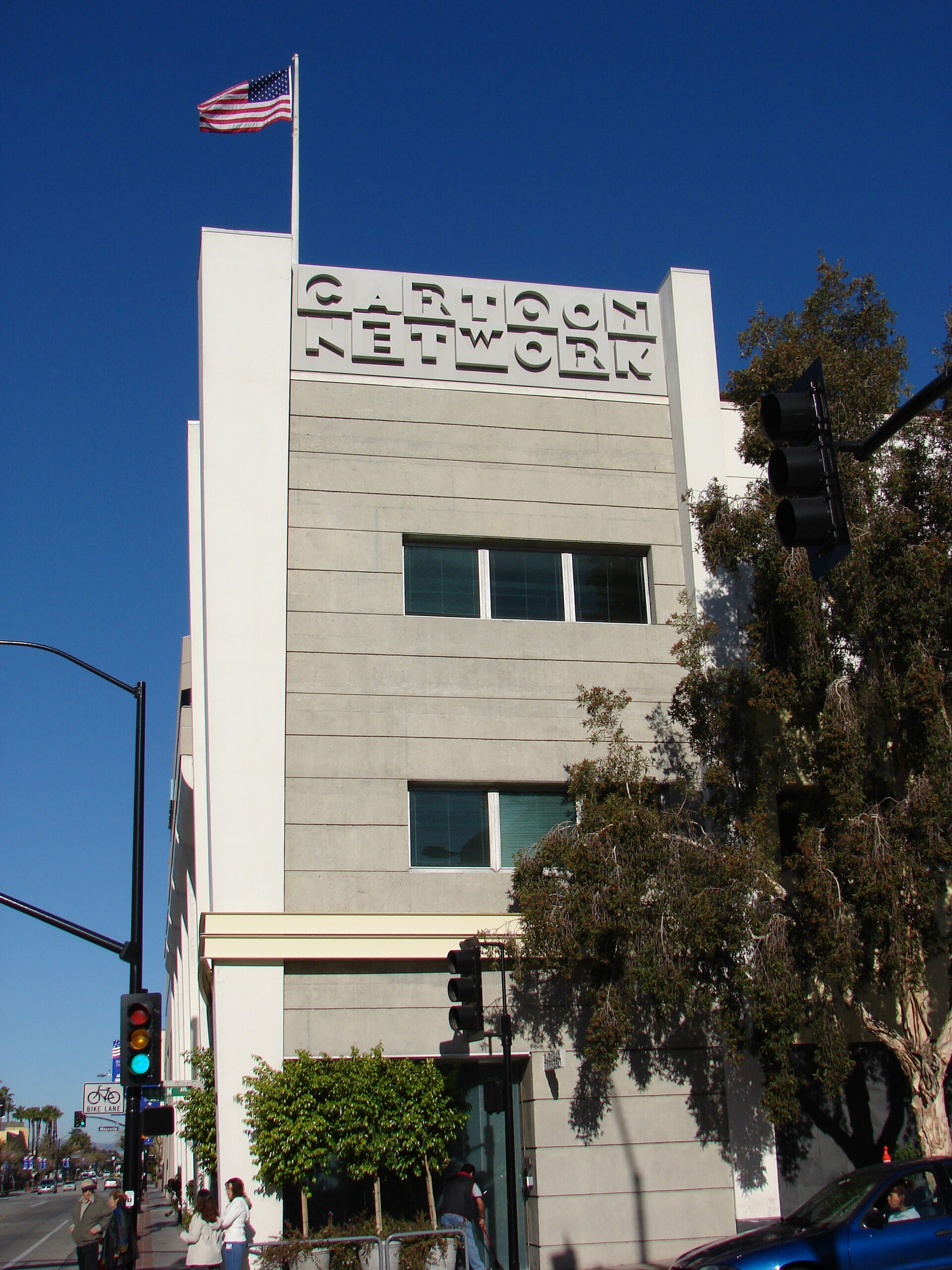
A Cartoon Network leak 200GB in size has put the inner workings of modern television animation on public display. According to reporting by Cartoon Brew and Mashable, a vast cache of production material from Cartoon Network and Adult Swim appeared online this week: storyboards and animatics that show episodes being built frame by frame, model sheets that define exactly how characters must be drawn, production guides, and — most unusually — editable animation assets and puppet rigs, the working digital skeletons animators manipulate to make characters move. The titles named in the reporting span a generation of viewers: The Amazing World of Gumball, Adventure Time, Regular Show, The Powerpuff Girls and Foster's Home for Imaginary Friends.
The timing is what turned an embarrassing leak into a corporate story. The material surfaced just days after Paramount Skydance completed its acquisition of Warner Bros. Discovery on October 6, 2026 — the roughly $110–111 billion deal that renamed the combined company Skydance Corporation and put Cartoon Network under new ownership. We covered the closing in our report on the Paramount–Warner Bros. merger completing, and the new corporate identity in our look at the Skydance rebrand. The leak is the first public-relations fire of the new regime — and it arrived before the new owners had finished their first week.
Two cautions belong at the top of this story, because they shape everything else. First, the headline figure and the inventory of files come from the reporting of specialist outlets and the accounts of people who browsed the cache; the full size and origin of the leak have not been independently verified. Second, there is no evidence — none — that the leak was caused by the merger, by a fresh security breach, or by anyone inside the new company. Files can sit in private hands for years before they circulate. When they were obtained is a separate question from when they were posted, and at the moment nobody outside the company, and possibly nobody inside it, can answer the first question in public.
What was actually in the files
To understand why animators reacted to this leak differently from an ordinary episode leak, it helps to understand what the material is. A storyboard is the comic-book blueprint of an episode. An animatic times that blueprint against dialogue and music. A model sheet is the law of a character's design — proportions, expressions, the angles from which they may be drawn. A production guide is the show's operating manual. And a puppet rig is the most sensitive item of all: in modern digital animation, characters are often built as articulated digital puppets, and the rig is the master file from which every pose and movement is generated. Leaked episodes can be re-uploaded and taken down. Leaked production files are a show's DNA.
That is also why the cache spread the way it did. The files were reportedly indexed through a Google Doc linking out to the material. Google removed the original document — but copies had already circulated for hours by then, and in the economy of the internet, hours are forever. Takedowns can chase individual uploads; they cannot retrieve copies already saved. It is why the first hours of a leak matter more than the first days.
A bad week, in a bad year, for keeping secrets
The new Skydance Corporation has seen this film before — as the victim. In April 2026, the animated feature Avatar Aang: The Last Airbender leaked in full ahead of its streaming debut, one of the most damaging pre-release leaks in the streaming era. A suspect was arrested in Singapore in connection with that case. And, as Variety reported at the time, Paramount's own investigation concluded that its systems were not the vulnerability — the film had escaped somewhere along the long chain of vendors, partners and intermediaries that modern production requires. That finding matters for how to read this week's Cartoon Network story: the obvious suspect in any production leak is the studio's own network, and the recent precedent at this very company points the other way.
The deeper context is structural. Animation production is a relay race run across continents: a show may be written in Burbank, boarded in one country, animated in another, and finished by vendors who each need real production assets to do their jobs. Every handoff is a copy, and every copy is a risk that no contract clause fully retires. The industry's dirty secret is that its crown jewels have never lived in a single vault; they live on hundreds of drives belonging to people the studio does not employ. A 200GB cache is what that reality looks like when it surfaces all at once.
The strangest corporate family in children's television
Buried under the leak headlines is a fact that would have been unthinkable for thirty years: Nickelodeon and Cartoon Network are now sister networks. The merger put the two defining children's channels of the cable era — rivals whose competition shaped a generation's taste in animation — under one owner for the first time. Add Adult Swim, the late-night block whose stoner surrealism grew up alongside its audience, and Skydance now controls an outsized share of the animated catalogue that millennials and Gen Z actually care about.
That concentration is precisely why the leak stings commercially as well as reputationally. The combined company has targeted at least $6 billion in cost savings within three years, and catalogue is the asset that is supposed to pay for the deal's logic: beloved libraries that anchor streaming services, licensing and reboots. A library's value depends partly on control — on the owner deciding when and how its material reaches the public. Two hundred gigabytes of working files do not destroy that value; the shows themselves remain copyrighted, and fan affection is undamaged. But every uncontrolled release is a reminder that the vault door is more notional than the pitch decks suggest.
Why this matters
Start with what the leak is not. It is not, on current evidence, a story about hackers defeating a studio's defences, and it is not yet a story about the merger at all. Treating timing as causation is the oldest error in corporate news: integrations do create temporary chaos — systems are merged, access lists are rewritten, staff are anxious and distracted — and investigators will rightly ask whether any of that played a part. But the Avatar precedent, in which the company's probe cleared its own systems, is a standing warning against assuming the answer. The honest position is the one the evidence supports: a large cache of production material is circulating, its provenance is unknown, and the investigation — if the new company conducts one as openly as the last — has barely begun.
For animation workers, the story cuts in a more personal direction. Production files are not abstractions to the people who made them; a storyboard is someone's week, a rig is someone's craft, and both are now being passed around as collectibles. The fan community's reaction has been genuinely divided: preservationists argue that production art for cancelled and completed shows is animation history that studios too often lock away or lose, while working artists point out that the files were never the leakers' to give away, and that some material may relate to projects whose creators have not chosen to share their process. Both instincts are understandable. The law, for its part, is not divided at all: this is the company's copyrighted work product, and its distribution is infringing however affectionate the motive.
For the new owners, the test is managerial rather than legal. Skydance Corporation was assembled on a promise of disciplined integration — $6 billion of savings, a cleaner structure, a catalogue monetised with intent. A company in that surgery can least afford the impression that its storerooms are open. How competently it responds — forensic clarity about what was taken and when, honest communication with the creative community — will be read across the industry as the first evidence of how the merged company actually runs.
What happens next
Expect the visible phase to be takedowns: successive waves of removals as copies resurface, met by the usual whack-a-mole arithmetic in which the material remains findable for anyone determined to find it. The consequential phase will be quieter — a forensic review of how the files left controlled hands, whenever that was, and a probable tightening of vendor access that animators will feel long after the headlines move on. If the pattern of the Avatar case repeats, there may also be a law-enforcement chapter, possibly in an unexpected jurisdiction; production chains are global, and so are their leakers.
And expect the merger story and the leak story to keep being told as one story, fairly or not — the reputational tax on bad timing. The files, meanwhile, will do what leaked animation history always does: disappear from the open internet and persist in the private one, surfacing for years in fan wikis and process breakdowns — a shadow archive of how some of the best-loved cartoons ever made were built, assembled without permission, and impossible now to fully recall. For more entertainment coverage, see our story on the death of Breaking Bad actor RJ Mitte at 34.
Sources
Cartoon Brew (cartoonbrew.com) on the scale and contents of the leaked Cartoon Network and Adult Swim production material and the removal of the linking document. Mashable (mashable.com) on the circulation of the files and the shows named. Variety's earlier reporting on the April 2026 Avatar Aang: The Last Airbender leak, the arrest in Singapore, and Paramount's finding that its own systems were not the vulnerability. Merger figures — the October 6, 2026 completion, the Skydance Corporation name, the roughly $110–111 billion value and the targeted $6 billion in cost savings — are as announced by the companies and covered in our merger reports linked above. The 200GB figure and file inventory had not been independently verified when this article was staged.