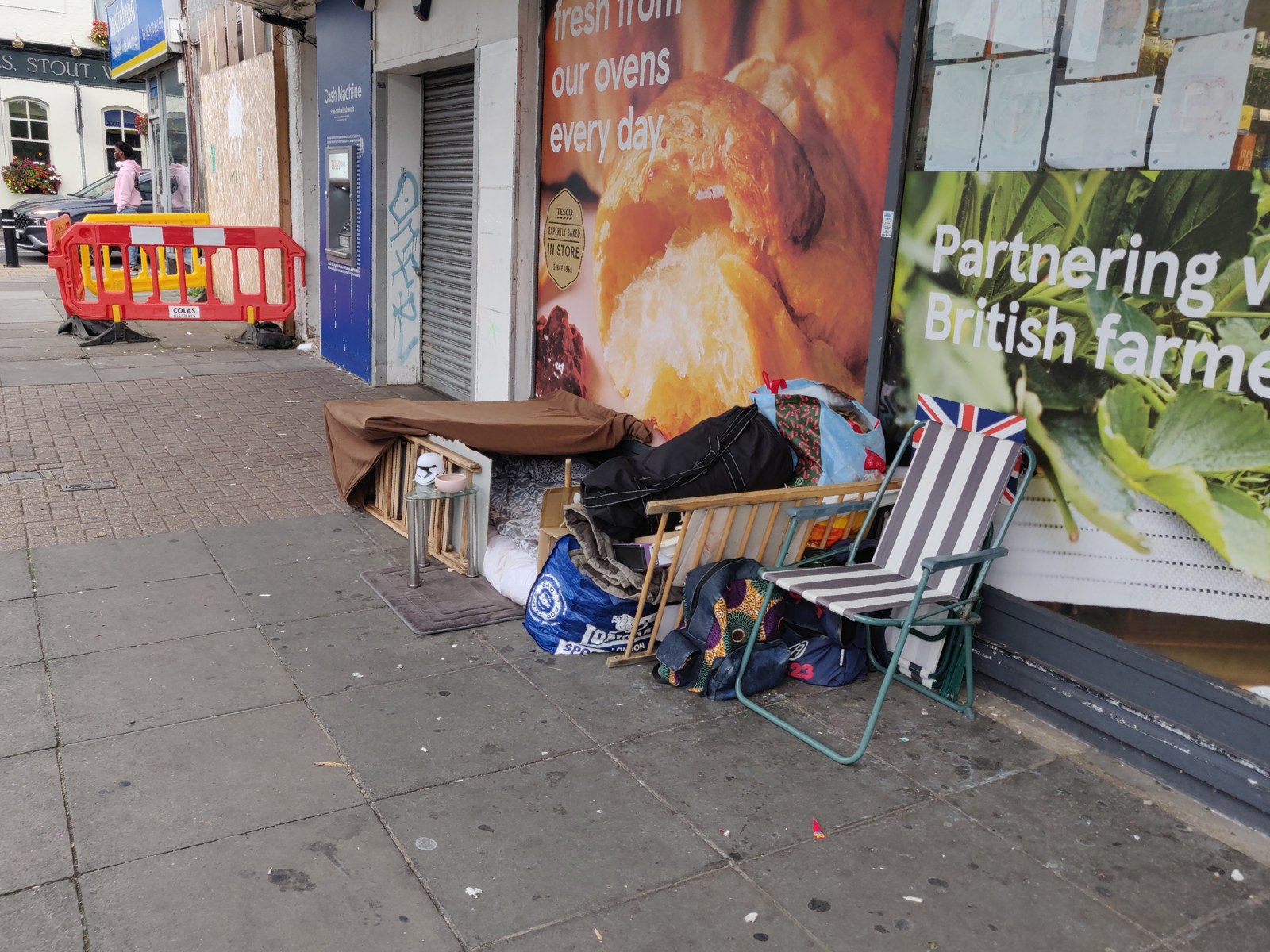
The Burnham rough sleeping Christmas pledge just got its money. Britain's government said on Sunday that it will almost double the funding behind Prime Minister Andy Burnham's promise to offer every rough sleeper in England a route off the streets by Christmas, committing a further £432 million on top of the £442 million already pledged — £874 million in total, running to the scheduled end of this parliament in 2029. The announcement lands on the eve of the first Rough Sleeping Summit at Downing Street, which Burnham will host on Monday, and three days before Chancellor John Healey confirms the money in his first Budget on Wednesday. "Rough sleeping isn't a fact of life," Burnham said. "It's a thing governments either choose to accept or don't. Well, I don't accept it."
What was announced on Sunday
The core of Sunday's announcement is arithmetic and a deadline. The extra £432 million ($577.7 million at the rate Reuters used in its report) is new money for the plan, which offers accommodation and support to people sleeping rough. It sits on top of an initial £442 million from Ministry of Housing, Communities and Local Government budgets that is being allocated before March 2027, and it extends the programme beyond that date to the scheduled end of parliament in 2029 — taking the total commitment to £874 million. Healey will confirm the figure formally in Wednesday's Budget statement to MPs, which makes the rough-sleeping money one of the first fully priced commitments of his first Budget.
The operational pledge attached to the money is deliberately specific. The government says every rough sleeper in England will be offered a route off the street — accommodation, or support intended to stop them sleeping rough — before Christmas, roughly eight weeks from now. The BBC understands the commitment to mean that every rough sleeper will be able to physically move into accommodation by Christmas and/or be offered support; ministers accept that some people may choose not to accept accommodation, but say support will still be offered to them. That distinction — an offer guaranteed, an outcome not — will matter when the Christmas deadline is judged, and it is worth holding the government to its own wording rather than to the headline version of it.
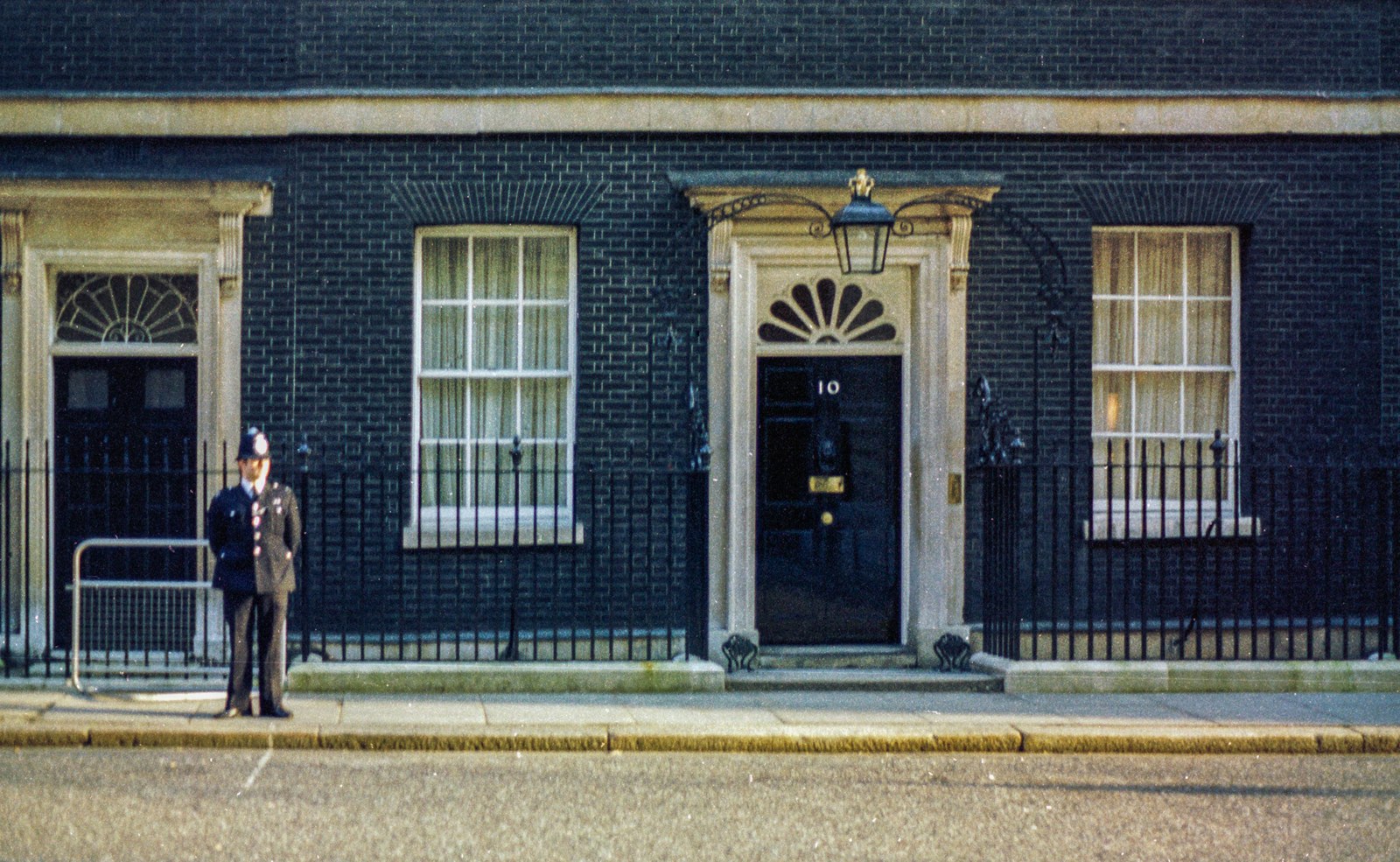
The work is not starting from zero. According to the government's own account, specialist outreach teams and new bed spaces are already operating in Coventry, with further provision being rolled out in places including Plymouth and Camden in north London over the coming weeks. Monday's summit at Downing Street is designed to widen that base beyond government: Burnham will bring together businesses, charities, housing providers and local leaders, and several organisations are bringing pledges of their own.
A pledge made on his first day — and a record he has to outrun
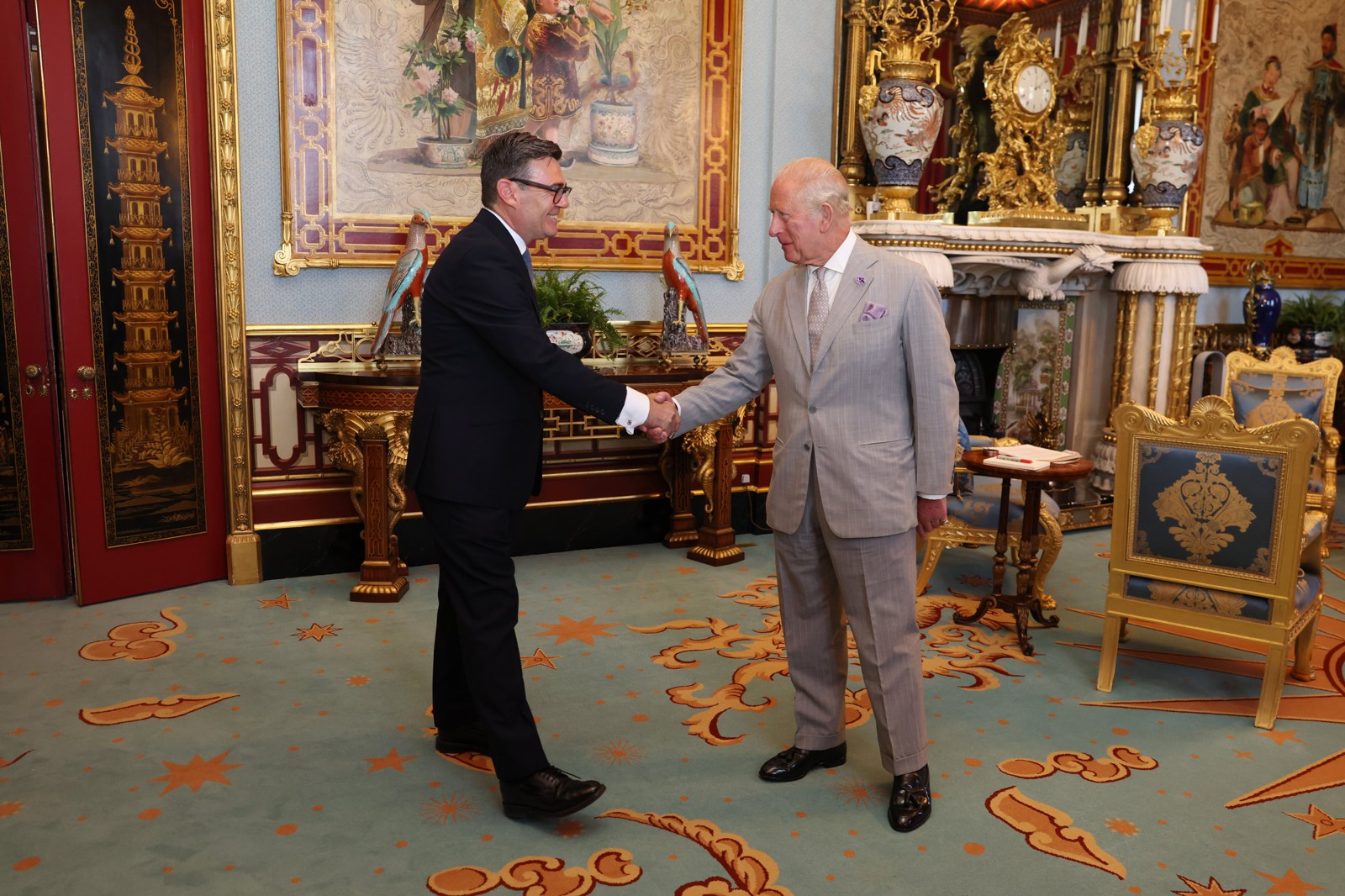
Burnham chose this issue before he had chosen almost anything else. On his first day in Downing Street in July, after being invited to form a government, he said he wanted to end rough sleeping — and set Christmas as the moment every rough sleeper would at least have a way off the street. That was a prime minister deliberately picking the most visible, most countable form of homelessness and attaching his name and a date to it, two choices politicians usually avoid precisely because both can be checked.
He also brings a record, and his opponents know it. As mayor of Greater Manchester, Burnham introduced schemes such as A Bed Every Night, which offered emergency accommodation across the city region; the number of rough sleepers fell, and then began to increase again. Burnham's explanation, repeated since, is that Greater Manchester became a magnet: "we were the only place providing that level of support and, understandably, people then travelled to Greater Manchester to access that support." His conclusion from that experience is the logic of Sunday's announcement — ending rough sleeping "will only be possible if all areas are pulling in the same direction, and that's what this funding is designed to achieve." Reported figures put rough sleeping across Greater Manchester's ten boroughs at 444 people in June 2026, up from 402 in June 2025 — a local rise that sits awkwardly beside a national promise, and one the opposition used within hours.
The numbers underneath the promise
Start with the count the pledge will actually be judged against. The most up-to-date official statistics estimate that 4,793 people were sleeping rough on a single night in autumn 2025 in England — a record high on that measure, above even the 4,800 estimated in 2017 and more than two and a half times the 1,800 counted in 2010, when comparable records began. The autumn snapshot is a single-night count, taken because it is consistent year to year; it is not the total number of people who sleep rough across a year, which is far higher. Research by Heriot-Watt University for the charity Crisis estimates roughly 12,300 rough sleepers across the UK over a longer period, plus around 12,000 more people sleeping in sheds, bins, cars, tents and night buses.
And rough sleeping, for all its visibility, is the tip of a much larger problem. Shelter estimated in 2024 that 354,000 people in England were entirely homeless or living in temporary accommodation — families in bed-and-breakfasts and hostels who never appear in a street count but whose situation is what fills the system the rough-sleeping programme draws on. The political logic of leading with rough sleepers is that they are the group a government can plausibly reach first: a few thousand people on any given night, concentrated in known places, already in contact with outreach teams. The risk is the mirror image of the logic — that a Christmas success on the street count coexists with a temporary-accommodation crisis that barely moves.
The money, put against those numbers, cuts both ways. £874 million over the parliament, set against a single-night count of about 4,800 people, is a very large sum per counted rough sleeper — on paper, well over £180,000 each. But that comparison flatters and misleads in equal measure: the money also has to fund outreach teams, bed spaces, capital for settled accommodation and wrap-around support across three winters and a flow of people that is several times the snapshot figure. The honest reading is that funding, at this level, is no longer the binding constraint it once was. What binds now is supply — actual rooms, in the right places, that people will accept — and time: eight weeks to Christmas.
Who else is being asked to deliver it
Monday's summit is built on Burnham's insistence that the state cannot do this alone. "We can't do it alone," he said ahead of the meeting. "If we're going to end rough sleeping, we need every part of society behind us on this. So today we're bringing together businesses, charities and local leaders in Downing Street to make sure this is a solution that lasts." The pledges trailed for the summit give that sentence some content: the National Housing Federation is working with housing associations to identify at least 2,000 potential homes and bed spaces, including empty properties that could be brought back into use; Virgin Media O2 will provide practical digital support to frontline organisations; and the charities St Mungo's and Haircuts4Homeless will work with L'Oréal on hair salons and wellbeing provision for people who have been sleeping rough.
Housing Secretary Angela Rayner framed the same plan in the language of a first step rather than a finish line. Ending rough sleeping was a "big ambition," she said, and the government would "not back down from making sure everyone has the offer of a route off the streets this Christmas." She added: "The first step is giving people a roof over their head and freedom from the nightly struggle to find somewhere safe to sleep. But Christmas is only the beginning and that's why we will keep working together to tackle the root causes of homelessness and end rough sleeping for good." The homelessness charity Shelter welcomed the money in similar terms: its acting chief executive, Mairi MacRae, said the funding showed "the government understands that a safe home is not a privilege, it is a necessity."
The critics' answer, within hours
The Conservative response went straight for the Manchester record and the price tag. Katie Lam, the shadow housing secretary, accused Burnham of wanting to spend too much money on ending rough sleeping and of failing at the same task when he ran Greater Manchester. "Burnham is throwing another £432m at a problem he failed to solve in Greater Manchester," she said. "Under Labour, rough sleeping has hit record highs – yet their answer is always more taxpayers' money and more empty promises." Lam folded the announcement into the wider Budget argument her party wants to have this week: Healey, she said, must use his first Budget "to cut taxes for working people, get the ballooning benefits bill under control, and stop pushing up energy prices," rather than "piling more costs on hard-working people."
Both things in that exchange are true at once, which is what makes the politics genuinely contested rather than theatrical. Rough sleeping in England is at a record high on the official single-night measure — 4,793 people — and that record was set on Labour's watch, from the autumn 2025 count. It is also true that the count is a lagging measure of pressures — rents, benefit levels, a shortage of social housing — that built up over many years and several governments, and that Crisis and the government's own commissioned research attribute the rise mainly to structural causes rather than individual failure. Sunday's argument is really about which of those truths voters should weigh: the trend line, or the attempt to bend it.
Why this matters
The Christmas deadline is a political device, and it is worth being clear-eyed about what kind. Britain has run this experiment before: during the pandemic, the "Everyone In" programme showed that when government decides street homelessness is an emergency, outreach teams and hotel rooms can bring the overwhelming majority of rough sleepers inside within weeks. Everyone In is the unspoken benchmark for Burnham's pledge — it proved the logistics are possible — and also its quiet warning, because much of that progress unwound once the emergency framing and the money receded. Burnham's answer to that warning is structural rather than rhetorical: funding that runs to 2029 instead of to the end of a crisis, housing-association homes rather than hotel rooms, and a summit designed to make businesses and charities co-owners of the target so it survives the news cycle. Whether that is enough is the real question the £432 million poses.
There is also a Budget story hiding inside the homelessness story. Healey's first Budget on Wednesday must do several hard things at once — it is already trailed to include £1 billion for social and affordable housing and a large devolution package, as Signal Post News set out in its preview of Healey's housing and devolution Budget — and the rough-sleeping commitment is the kind of spending that is hardest for a chancellor to trim: morally framed, personally owned by the prime minister, and small next to the sums that decide whether a Budget balances. Announcing it on the Sunday before the Budget, from Downing Street rather than the Treasury, tells you where the priority sits in this government — and protects it. A chancellor who wanted to cut it would now have to cut the prime minister's first-day promise in public.
Finally, the pledge is a test of the theory of Burnham's whole premiership. He arrived in Downing Street as a former mayor arguing that national government should work the way his city region did — visible problems, named deadlines, everyone at one table — the pitch he road-tested through the autumn party season, as covered in Signal Post News' report on Burnham's Labour conference case for closer EU ties and the wider reordering of his government. Rough sleeping is the purest version of that test: the numbers are published, the date is fixed, and the people affected cannot be spun. If every rough sleeper in England genuinely has a route off the street by Christmas, it becomes the proof of concept for his method. If the count next autumn is higher again, the pledge becomes the exhibit against it — which is presumably why Katie Lam reached for the phrase "empty promises" within hours, and why Healey is putting £874 million behind making sure she cannot use it in December.
What happens next
The week runs in three steps. On Monday, the Rough Sleeping Summit meets at Downing Street, and the test will be whether the partner pledges — starting with the National Housing Federation's 2,000 homes and bed spaces — come with numbers, places and dates, or remain the kind of commitment that dissolves by Friday. On Wednesday, Healey's Budget confirms the £432 million and sets it inside the government's wider housing package; watch for whether the Budget also touches the upstream causes — housing benefit rates and social housing supply — that charities say decide whether people become rough sleepers in the first place. And then the clock runs to Christmas: about eight weeks in which outreach teams in Coventry, Plymouth, Camden and everywhere else have to turn a funding line into named people with keys.
The verdict, unusually for a political promise, will be legible. The next autumn single-night count will show whether the record 4,793 figure fell; councils and charities will report through the winter on how many people were offered accommodation and how many accepted; and the difference between those two numbers — offers made versus streets emptied — is where the argument will move next. Burnham has bet that a deadline, doubled money and every part of society at one table can do what his Manchester scheme, by his own account, could not do alone. Christmas will grade the first instalment.
Sources
- Reuters, Oct 25, 2026: "UK commits to further £432 million to end rough sleeping" — the government would almost double funding; Burnham and Healey commit a further £432 million ($577.7 million) to run until the scheduled end of parliament in 2029; the pledge dates to Burnham's first day in Downing Street in July; Monday meeting with local leaders, businesses and charities; Healey's first Budget on Wednesday. Read in full.
- The Guardian, Oct 25, 2026: "Burnham to double spending on homelessness amid drive to end rough sleeping by Christmas" — the £432m on top of the initial £442m from MHCLG budgets before March 2027; Burnham's quotes in full; Coventry operating, Plymouth and Camden rolling out; the summit partners (National Housing Federation 2,000 homes/bed spaces, Virgin Media O2, St Mungo's, Haircuts4Homeless with L'Oréal); Rayner's and Shelter's Mairi MacRae's responses; Katie Lam's attack; Burnham's Manchester record and magnet argument. Read in full via syndication.
- Press Association, Oct 25, 2026: "Burnham to host rough sleeping summit ahead of Budget cash boost" — the Monday Downing Street summit; "every part of society" needed; £432m Budget boost to help ensure homeless people are off the streets by Christmas; Healey confirms Wednesday.
- BBC News, Oct 25, 2026 (via Qatar News Agency rendering): "Funding set to double for plan to get rough sleepers off streets by Christmas" — the initial £442m package; the BBC's understanding that every rough sleeper will be able to move into accommodation by Christmas and/or be offered support, with some possibly declining; Coventry provision live, Plymouth and Camden in coming weeks; total investment £874m to the end of Parliament.
- Sky News, Oct 25, 2026: Burnham "confident" every rough sleeper will have a route off the street before Christmas; Healey to confirm £432m in the Budget, taking funding to £874m; official statistics estimating 4,793 people sleeping rough on a single night in autumn 2025 in England.
- Ministry of Housing, Communities and Local Government statistics and charity estimates, as summarised in reference reporting: 4,793 single-night autumn 2025 count (record high; 4,800 in 2017; 1,800 in 2010); Crisis/Heriot-Watt estimate of roughly 12,300 UK rough sleepers and 12,000 sleeping in sheds, bins, cars, tents and night buses; Shelter's 2024 estimate of 354,000 people in England homeless or in temporary accommodation.