World / United Kingdom — Britain said on Thursday it will equip RAF Chinook helicopters and A400M transport aircraft to fight wildfires for the first time, put up to £45 million into specialist firefighter kit and £25 million into peatland restoration, and open its first wildfire resilience summit on Friday — an admission, after 1,350 wildfires in England and Wales in a single year, that fire is now a permanent British emergency, not a freak one.
Track it live: wildfires tracker — live global fire data, updated continuously.
Britain is putting its military into the fire line. The government announced on Thursday, October 22, that Royal Air Force Chinook helicopters and A400M Atlas transport aircraft will be equipped to fight wildfires for the first time, available to civilian fire services across all four UK nations when blazes hit remote moorland, steep hillsides and other terrain that ground crews cannot reach. The announcement, reported first by Reuters and the BBC on Thursday evening, comes ahead of the country's first wildfire resilience summit on Friday and after the hottest summer in British recorded history produced an all-time record number of wildfires.
Defence Secretary Wes Streeting said this is the first time the Chinooks and the four-engine A400Ms are being equipped for wildfires. The need, ministers argue, was written across the summer: some areas struggled with no air support at all while fires burned for days. Chinook crews have already practised picking up and dropping water with firefighting buckets in Portland harbour, and RAF Chinook crews have previously helped respond to fires in Cyprus — experience the government now wants formalised at home, permanently, rather than improvised in a crisis.
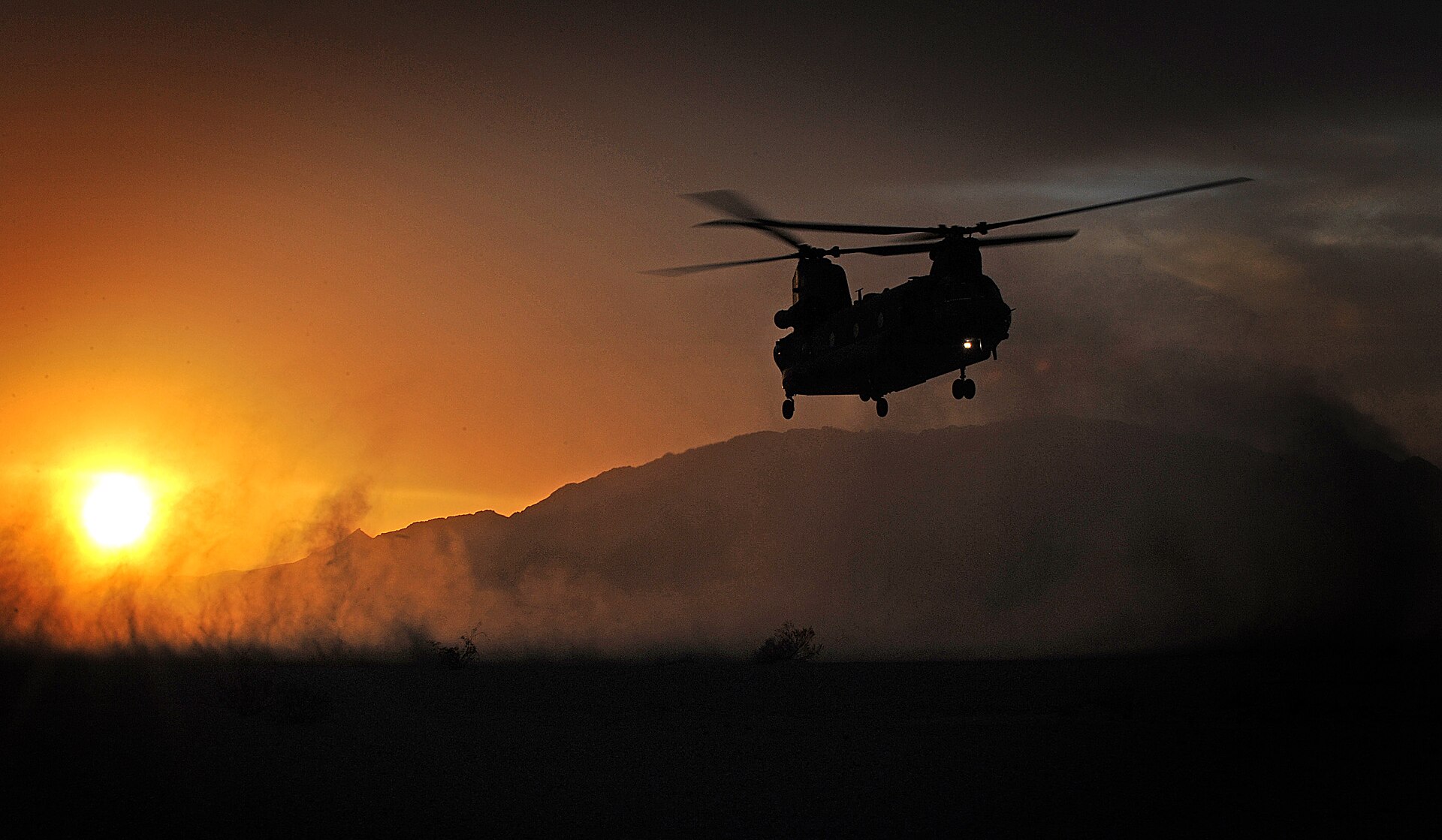
What was announced on Thursday
The package has four moving parts. First, the aircraft: fire and rescue services in England, Scotland, Wales and Northern Ireland will be able to request Chinooks and A400Ms for wildfires on tough terrain. Second, the people: up to £45 million (about $60.15 million) for specialist response teams and wildfire-specific personal protective equipment — kit that is lighter and more breathable than the structural firefighting gear designed for building fires, which was never meant to be worn for long hours in extreme heat on open hillsides. Third, prevention: £25 million to restore dried-out peatlands in England and support farmers to reduce wildfire risk, under a scheme running from April 2027 to April 2029, with money for farmers to dig ponds and clear burnable material so healthy, waterlogged peat can act as a natural firebreak. Fourth, foresight: a new Wildfires AI Unit, bringing together universities, technology firms and officials around the Cobra emergency machinery, alongside improved Met Office wildfire forecasting and risk assessment, and an action plan for England to be set out at Friday's summit.
Prime Minister Andy Burnham will bring fire chiefs, local leaders and technology experts together on Friday for the summit. His case for the package was personal. "I stood in Stourbridge and watched families lose everything. I will never forget it," Burnham said, referring to the August fire in the West Midlands that destroyed 19 homes. "Our firefighters were heroes that day, but heroes shouldn't have to fight with one hand tied behind their backs." Environment Secretary Dame Angela Eagle, ahead of the summit, said the summer's wildfires showed an urgent need to adapt to a changing climate, and that nature itself is the greatest ally in preventing fires from starting.
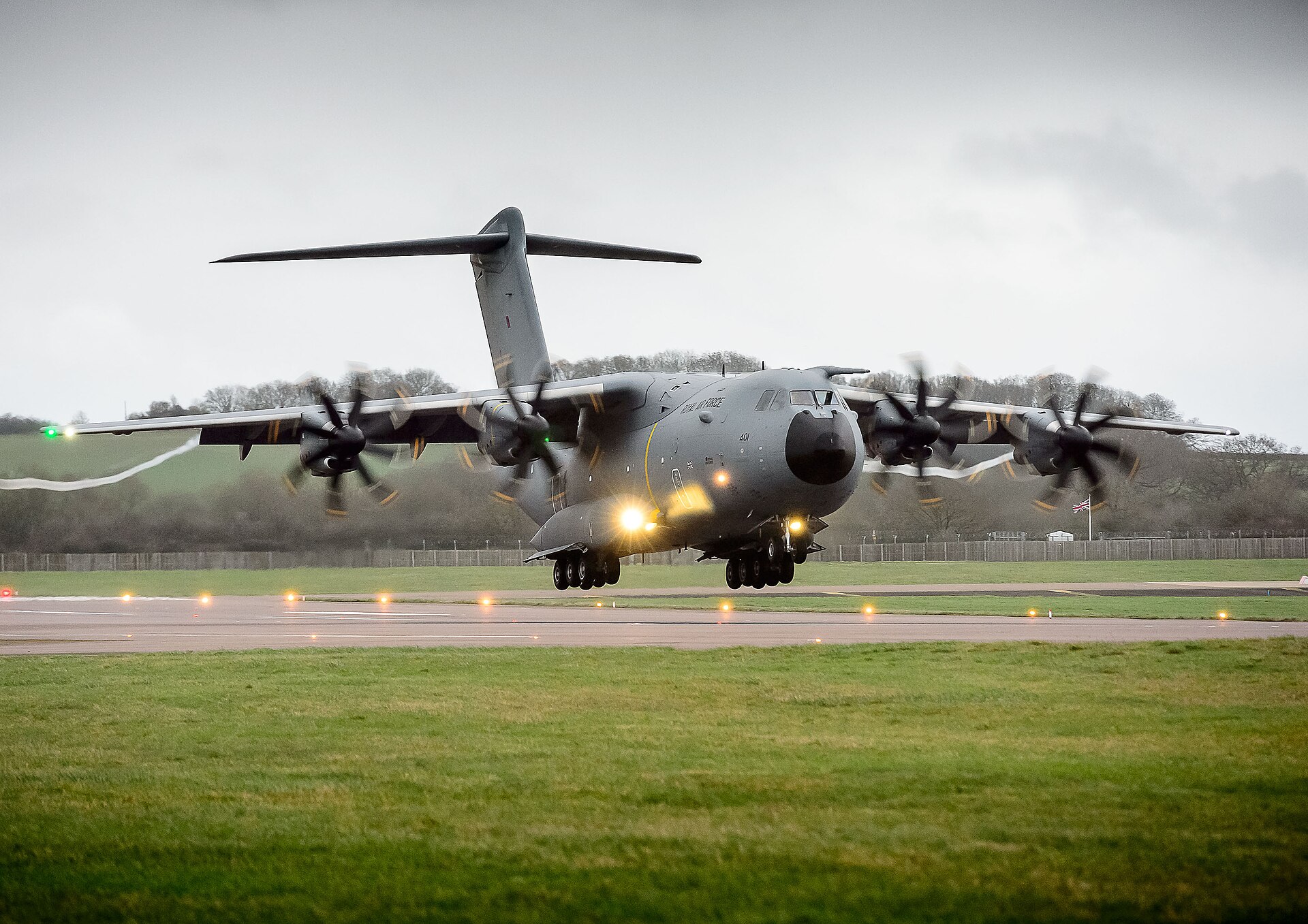
The summer that forced the decision: 1,350 fires
The numbers behind Thursday's announcement are stark, and they are the reason a policy that would once have sounded Mediterranean is now British. Fire and rescue services in England and Wales responded to 1,350 wildfires in 2026, according to National Fire Chiefs Council figures reported this week — an all-time high, more than 300 up on last year's previous record and more than 1,000 up on 2024. Records were already broken in 2022 and again in 2025; 2026 broke them again, harder. July was the busiest month ever recorded, and on August 14 the risk became so severe that an emergency alert was sent to mobile phones across England and Wales — a step that itself drew a backlash from some members of the public, underlining how unfamiliar mass fire warnings still feel in Britain.
The human ledger is worse than the count. One man died in a wildfire in Gloucestershire — the first wildfire death in the data series that runs from 2010. More than 50 homes were lost over the summer, 19 of them in the single Stourbridge fire, which started accidentally in fields where farm machinery was in use on the hottest day of the year. Major incidents were declared from Dunwich Heath and RSPB Minsmere in Suffolk to the Cairngorms in Scotland, Hampshire and Holme Fen in Cambridgeshire; a fire in the Cairngorms burned for around a month across some 25 square kilometres and involved 500 firefighters. The Met Office has confirmed the summer of 2026 was the UK's hottest on record, with 40 days above 30°C against a previous record of 34, and its attribution study found human-induced climate change made that heat about 130 times more likely. Baroness Brown, chair of the Climate Change Committee, told a BBC investigation this week that the UK was not ready for a changing climate, that wildfire risk could double across much of the country by 2050, and — in the line that has hung over every announcement since — "I fear that lives will be lost."
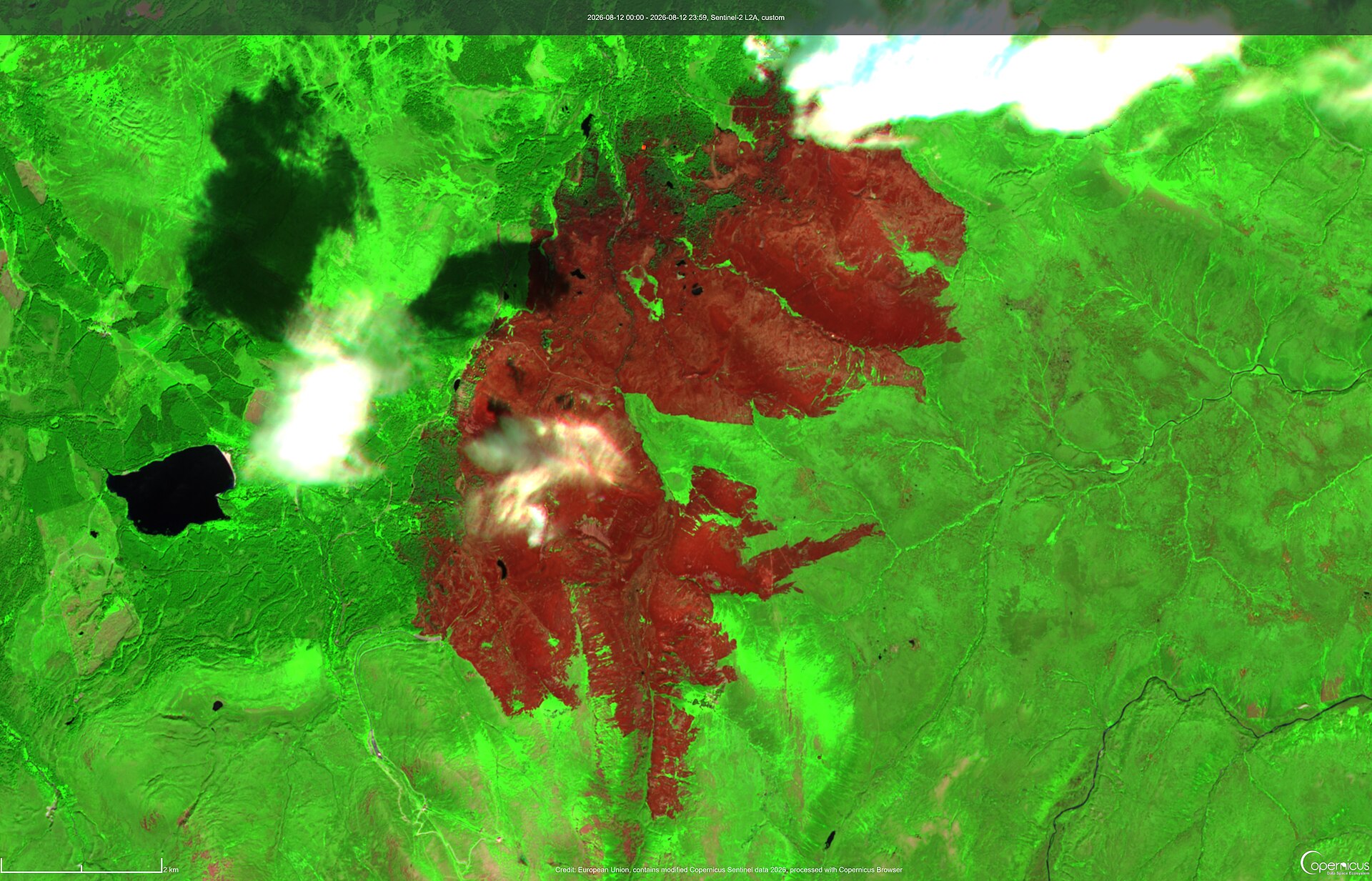
Why this matters
Thursday's announcement matters less for any single aircraft than for what it concedes: wildfire in Britain has crossed the line from weather event to standing national risk, in the same category as flooding and storms. For decades the UK's fire model assumed blazes were local, brief and ground-based — a moor fire here, a heath fire there, handled by the nearest brigade with beaters and hoses. Aerial firefighting was something Britain watched other countries do: Canadair water-bombers in France, Spain and Greece, military helicopters in Australia and California. MPs on the Environment, Food and Rural Affairs Committee concluded this month that the current system for obtaining aerial support was "no longer fit for purpose," pointing to weaknesses in aerial resources, in securing water during major incidents, and in coordinating resources nationally. The Fire Brigades Union adds the staffing context: more than a fifth of UK firefighter and control-room posts — about 12,000 jobs — have been cut since 2010, which is why London firefighters were sent to Yorkshire and Merseyside crews to Dorset this summer. Putting RAF aircraft on formal call is the government accepting that the old model cannot scale to a 1,350-fire year — and that 2027 could be worse.
Who benefits, who pays, and what critics will ask
The clearest winners are rural and upland communities — the moorland towns, heathland villages and farming districts that discovered this summer how thin the line is between a field fire and a destroyed street — and the firefighters who will finally get wildfire-specific kit instead of building-fire gear. The peatland money, if it lands, pays twice: wetter peat resists ignition and stores carbon. The questions are equally clear. The £25 million prevention scheme does not start until April 2027, after another fire season has already begun. The £45 million is "up to" £45 million, spread across specialist teams and equipment nationally. Dedicated water-bomber aircraft — the "minimum requirement" the Efra Committee's chairman Alistair Carmichael called for this week, alongside Australian-style public awareness campaigns and restrictions on disposable barbecues at high-risk times — are not in this package: Britain is adapting transports and heavy-lift helicopters, not buying a firefighting air fleet. And the pre-summit briefing's talk of tougher local restrictions or product bans, following this summer's temporary disposable-barbecue ban, will test how far a public that bristled at a phone alert will accept being regulated out of starting fires in the first place — significant, given that most UK wildfires are human-caused, from campfires and barbecues to litter and deliberate fire-setting.
How Britain compares
Put the British figures next to the rest of the world's 2026 fire season and the direction of travel is unmistakable. Indonesia has been fighting its most intense forest fires in 11 years, with more than 69,000 personnel and around 50 aircraft deployed — see our coverage of the Borneo wildfires and the orangutans rescued from the flames. The same El Niño pattern now building in the Pacific is the one UN agencies warn could push ocean temperatures to records — background in our report on the El Niño "wrecking ball" warning. Britain's 1,350 fires are small beside Indonesia's millions of hectares, but the policy problem is the same one, arriving later: a fire service designed for a cooler, wetter climate being rebuilt, in public, for a hotter one. Countries like Australia and Canada built their aerial fleets over decades and still lose towns. Britain is starting, in 2026, with two adapted aircraft types, an AI spotting unit and a summit.
What happens next
Friday's wildfire resilience summit is the next test: fire chiefs, local leaders and technology firms including satellite and early-warning specialists are expected to set out how detection can get faster, and the government is due to publish its England action plan alongside the Wildfires AI Unit announcement. After that, watch three things. First, readiness: whether Chinook and A400M firefighting fits are actually installed, crewed and exercised before the 2027 season, or remain a capability on paper. Second, the money's timing: PPE and specialist teams funded now can matter next summer; peatland restoration funded from April 2027 cannot. Third, prevention politics: whether ministers follow the Efra Committee toward barbecue restrictions, fuel-load management on moorland and a genuine public-awareness shift — the unglamorous work that decides how many fires start at all. The aircraft will make the pictures. The peat, the ponds and the public will decide whether they are needed 1,350 times again, or more.
Sources
Reuters, "Britain to use military aircraft to fight climate change-fuelled wildfires," October 22, 2026 (21:31 UTC: first use of military aircraft, Chinook and A400M equipment, £45 million specialist teams and equipment, £25 million peatland restoration, AI unit, Met Office forecasting work). BBC News, "UK to draft in military aircraft to fight wildfires, Burnham says," October 22, 2026 (Ewan Somerville: four-nation request system, Streeting first-time statement, Portland harbour bucket practice, Cyprus deployments, £25 million scheme April 2027–April 2029, Burnham Stourbridge quote, Efra Committee "no longer fit for purpose," Angela Eagle remarks). The Guardian, "Burnham to reveal plans for AI unit to tackle wildfires after scorching summer," October 22, 2026 (AI Cobra unit, National Situation Centre, £45 million PPE detail, summit participants). The Times, October 22, 2026 (summit and resilience context). National Fire Chiefs Council figures via BBC File on 4 Investigates, October 2026 (1,350 wildfires in England and Wales in 2026, July busiest month, Gloucestershire death, Stourbridge 19 homes, Fire Brigades Union 12,000 posts figure, Climate Change Committee risk-doubling warning). House of Commons Environment, Food and Rural Affairs Committee report, October 2026 (1,132 wildfires to August 16, aerial firefighting "minimum requirement," prevention and barbecue restrictions). Met Office, summer 2026 records and attribution study (hottest summer on record, 40 days above 30°C, heat made about 130 times more likely by climate change).