Sports / Baseball — The Milwaukee Brewers beat the Tampa Bay Rays 3-2 in Game 1 of the 2026 World Series at American Family Field on Friday night, striking in the first inning, surviving on their bullpen, and taking a 1-0 lead in a series that will crown a first-time champion either way.
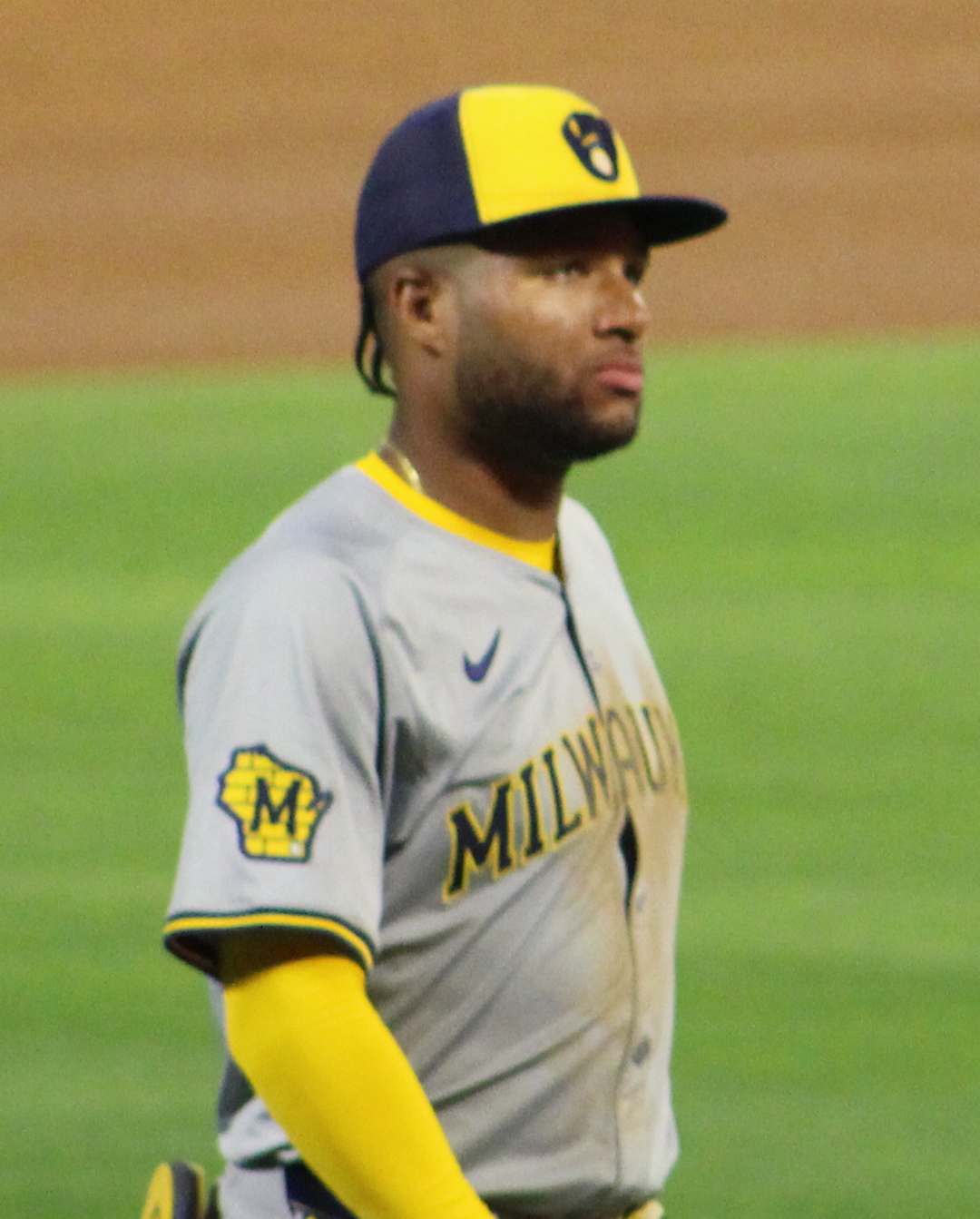
The Brewers beat the Rays 3-2 in World Series Game 1 on Friday night in Milwaukee, and the game was effectively decided by two bursts of Brewers baseball separated by six innings of tension: a two-run first inning built on speed and contact, and a two-out insurance single in the seventh from Jackson Chourio, the 22-year-old who had opened the scoring by reaching base before most of the crowd of 43,250 had settled in. In between, Jacob Misiorowski threw the fastest recorded pitch a starting pitcher has ever produced in a World Series game — 103.5 mph, on his very first pitch of the night — and Milwaukee’s bullpen protected a shrinking lead as if it were the franchise’s whole history, which in a sense it was. This was the first World Series game played at American Family Field, and the first played in Milwaukee since Game 5 of the 1982 World Series at County Stadium. The Brewers now lead the best-of-seven series 1-0, with Game 2 scheduled for Saturday night in Milwaukee.
How Game 1 was won: two runs in the first, one in the seventh
Milwaukee’s first inning was a blueprint of how the 103-win Brewers play. Chourio lined a leadoff single to right off Rays starter Nick Martinez. Christian Yelich followed with a fly ball to the right-center field gap that bounced off the glove of a diving Jonny DeLuca for an RBI triple, and William Contreras singled to left one batter later to make it 2-0. Thirteen pitches into the World Series, Rays pitching coach Kyle Snyder was on the mound settling his starter down. Martinez, at 36 the oldest pitcher to start a World Series opener since Justin Verlander in 2022, recovered well: he finished five innings allowing two runs on five hits, with five strikeouts and no walks on 73 pitches. But the Rays were chasing the game from that point on, and against this Milwaukee pitching staff, chasing is a miserable place to live.
Tampa Bay’s first run came in the fourth. Jonathan Aranda walked, Junior Caminero doubled, and Liam Hicks drove Aranda in with a groundout to cut the deficit to 2-1 — the first of two RBI groundouts Hicks would produce on the night. The Rays put pressure on Misiorowski in the very first inning — singles by Aranda and Chandler Simpson — before Caminero lined into an inning-ending double play, and they did not threaten as cleanly again until the ninth inning. The insurance run arrived in the seventh and belonged to Milwaukee’s depth: rookie shortstop Cooper Pratt worked an eight-pitch leadoff walk off Steven Matz after falling behind 1-2, moved to second on David Hamilton’s groundout, and scored when Chourio greeted reliever Kevin Kelly with a first-pitch RBI single down the right-field line. Chourio finished the night having scored the first run of the World Series and driven in Milwaukee’s last one — a remarkable bookend for a player who, by the Milwaukee Journal Sentinel’s account, came into the night hitting .171 in this postseason, a reminder that October averages and October moments are very different things.
The ninth inning supplied the scare the final score suggests. Trevor Megill came on for the save and retired Yandy Díaz on a groundout, but Jonathan Aranda singled and Chandler Simpson singled behind him. Jorge Mateo pinch-ran for Aranda and took third when a walk to Junior Caminero loaded the bases, and Milwaukee’s two-run cushion was suddenly one swing from gone. Liam Hicks’ groundout scored Mateo to make it 3-2 — Hicks’ second RBI of the game, both on groundouts — and moved the tying run to third and the go-ahead run to second with two outs. Megill then struck out Jonny DeLuca swinging to end it, earning the save despite the run: one inning, two hits, one run, one walk, one strikeout. Misiorowski was credited with the win; Martinez took the loss.
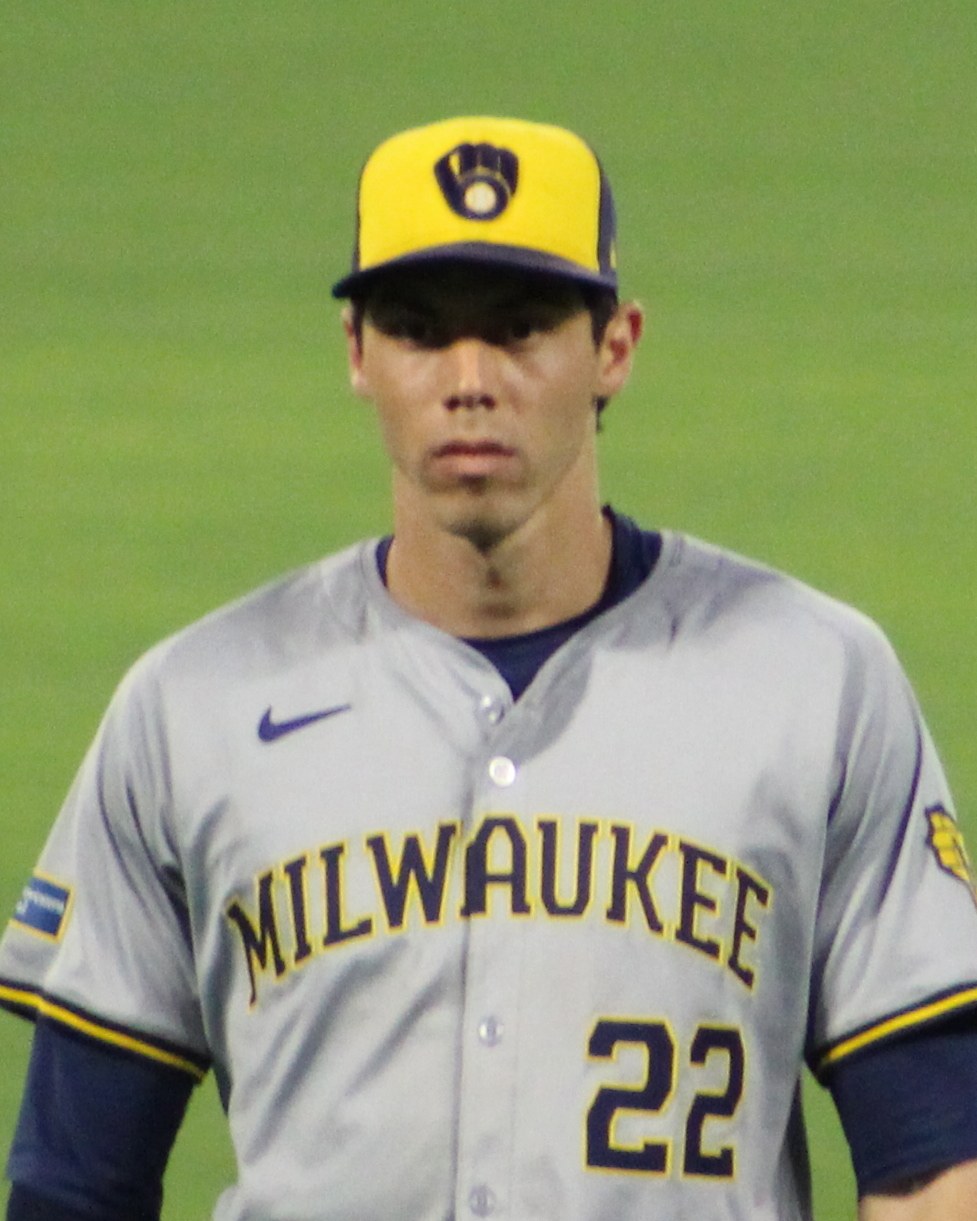
103.5 mph: Misiorowski makes World Series history on his first pitch
The first pitch of the 2026 World Series was a ball. It was also history. Misiorowski’s opening four-seamer to Yandy Díaz was recorded at 103.5 mph, the fastest pitch ever thrown by a starting pitcher in a World Series game, surpassing the previous record of 101.1 mph, according to Statcast figures reported by USA Today. It was not a one-off showpiece: 37 of his 78 pitches reached at least 100 mph, his four-seamer averaged 101.2 mph, and 10 pitches hit 102 mph or better. The start was also Misiorowski’s longest of this postseason — five innings, one run, four hits, one walk, three strikeouts — which matters, because the open question about Milwaukee’s ace all October has never been velocity. It has been length. In the Division Series against San Diego he needed 88 pitches for four innings; in the Championship Series against the Dodgers, 94 pitches for 4⅓. On Friday, on 11 days’ rest, he was efficient enough to hand a lead directly to the bullpen that has carried Milwaukee through this run. Misiorowski’s regular season explains the faith: 16-5, a major-league-best 1.80 ERA and a major-league-leading 252 strikeouts.
The bullpen, and Contreras behind the plate, closed the door
Milwaukee’s relief corps has been the quiet engine of this postseason, and Game 1 was a showcase. Abner Uribe took over in the sixth and got immediate help from his catcher: Contreras won a challenge to overturn a ball call into a strike for Uribe, then ended the inning by throwing out Aranda at second on a strikeout to complete a strike-’em-out, throw-’em-out double play. In the seventh, Uribe struck out Caminero — Tampa Bay’s most dangerous hitter — on three pitches, finishing him with a 90 mph slider. Aaron Ashby followed and extended his scoreless postseason streak to 14 innings: he struck out Liam Hicks and got a DeLuca flyout in the seventh, then set the Rays down in order in the eighth, striking out Victor Mesa Jr. and Ben Williamson before Ryan Vilade’s groundout. Tampa Bay’s one defensive highlight belonged to Mesa, whose fifth-inning throw from right field started the relay that cut down Hamilton trying to stretch a double into a triple — the kind of play that keeps a one-run game close. It kept the Rays close. It did not get them level — and the final three outs, Megill’s bases-loaded ninth, were the bullpen’s whole postseason in miniature: not spotless, but enough.
Why this matters: a first-time champion, and the small-market argument
Every game of this series carries a weight no single box score can hold, because neither of these franchises has ever won the World Series. Milwaukee’s only previous appearance was in 1982, when the Brewers — then an American League team — lost to St. Louis in seven games. Tampa Bay has lost both of its trips, to Philadelphia in 2008 and to the Dodgers in 2020. This is the first World Series since 1980, when Philadelphia beat Kansas City, to match two teams both seeking their first championship. It is also, by payroll, an argument about how baseball teams can be built: Milwaukee’s luxury-tax payroll ranked 17th of 30 teams at about $192 million and Tampa Bay’s ranked 21st at about $161 million, which is why this matchup has been dubbed the “Small Market World Series.” A Game 1 win does not settle that argument, but it frames it — the team with the best record in baseball (103-59) won the opener at home playing exactly the contact-and-speed, pitching-and-defense baseball that got it there, against a Rays team (98-64) built on the same principles. Whoever lifts the trophy will carry the lowest-ranked payroll of any champion since the 2015 Kansas City Royals, and both front offices already know the rest of the league is watching how they did it.
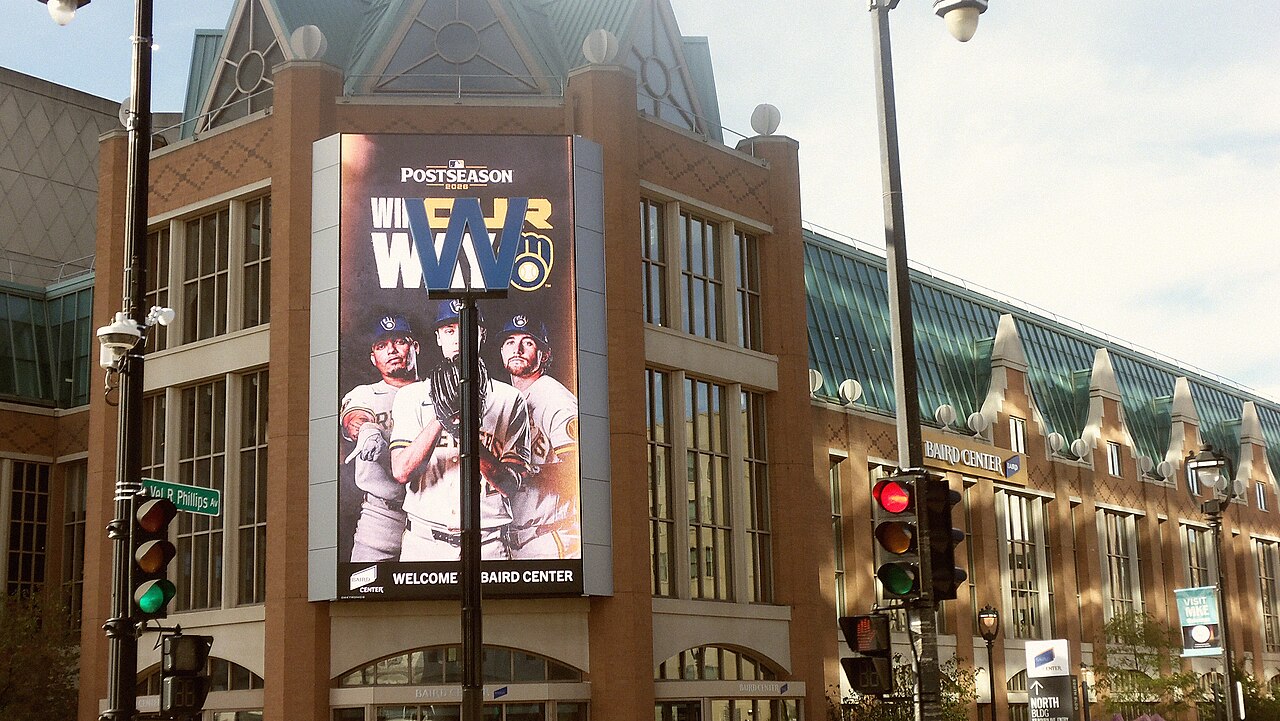
The ceremony: Yount, Uecker, and 44 years of waiting
Before a pitch was thrown, Milwaukee staged its own history lesson. Hall of Famer Robin Yount — the face of the 1982 team — threw out the ceremonial first pitch, receiving the ball from former commissioner Bud Selig, and Yount wore his No. 19 jersey with “UECK” across the back in tribute to the late broadcaster Bob Uecker, pointing toward Uecker’s statue as he took the mound. Mickey Guyton sang the national anthem. The roof was closed, as it usually is when the temperature falls below the low 60s — the forecast was overcast and 59 degrees — which turned American Family Field into a noise chamber for a fan base that had waited 44 years for a World Series game. Even the city’s other team bent its schedule around the night: the Milwaukee Bucks of the NBA moved their home opener to the afternoon so it would not clash with Game 1. The StubHub ticket chaos that left some fans scrambling for seats hours before first pitch — covered in our report on Brewers fans who lost their World Series tickets — only underlined the demand: by one Journal Sentinel analysis, Game 1’s final get-in price was the highest ever recorded for a World Series game.
What happens next: Game 2 on Saturday, and the Rays’ problem
Game 2 is Saturday night, October 24, in Milwaukee (8 p.m. ET), before the series shifts to Tropicana Field for Game 3 on Monday, October 26. The math of a Game 1 home win is real but modest — the Brewers still need three more wins, and Tampa Bay has been resilient all October — it lost the ALCS opener to Cleveland and still won that series in six games. The Rays’ problem is narrower and harder: their lineup produced two runs and few sustained rallies against Misiorowski and the Milwaukee bullpen, and its best chance — bases loaded in the ninth — produced only one of them, and Ashby alone is now up to 14 straight scoreless innings this postseason. Tampa Bay’s path back runs through getting to a Milwaukee starter early — something no team has managed this October for long — and through Caminero, who doubled and scored-positioned the Rays’ first run but struck out on three pitches in his biggest late at-bat. For Milwaukee, the formula needs no invention: defend the first inning, let the bullpen shorten the game, and let Chourio and Yelich set the table. One game in, the series looks exactly like the season that produced it. Related coverage: how Milwaukee got here in the Brewers’ sweep of the Dodgers to reach their first World Series since 1982, and how Tampa Bay arrived in the Rays’ ALCS win over the Guardians.
Sources: USA Today live coverage of Game 1 (scoring plays, pitching lines, Statcast velocity figures); Milwaukee Journal Sentinel live coverage (Chourio’s postseason average, late-inning accounts); Sportradar final box score and ninth-inning play-by-play (Brewers 3, Rays 2; Megill save, Hicks two RBI; Milwaukee leads the series 1-0); NBC Sports/Rotoworld (3-2 final); 2026 World Series reference summary (attendance 43,250, series background, payroll rankings).