The 44-year wait is over / Milwaukee erases a 4-0 hole and sweeps the champions away
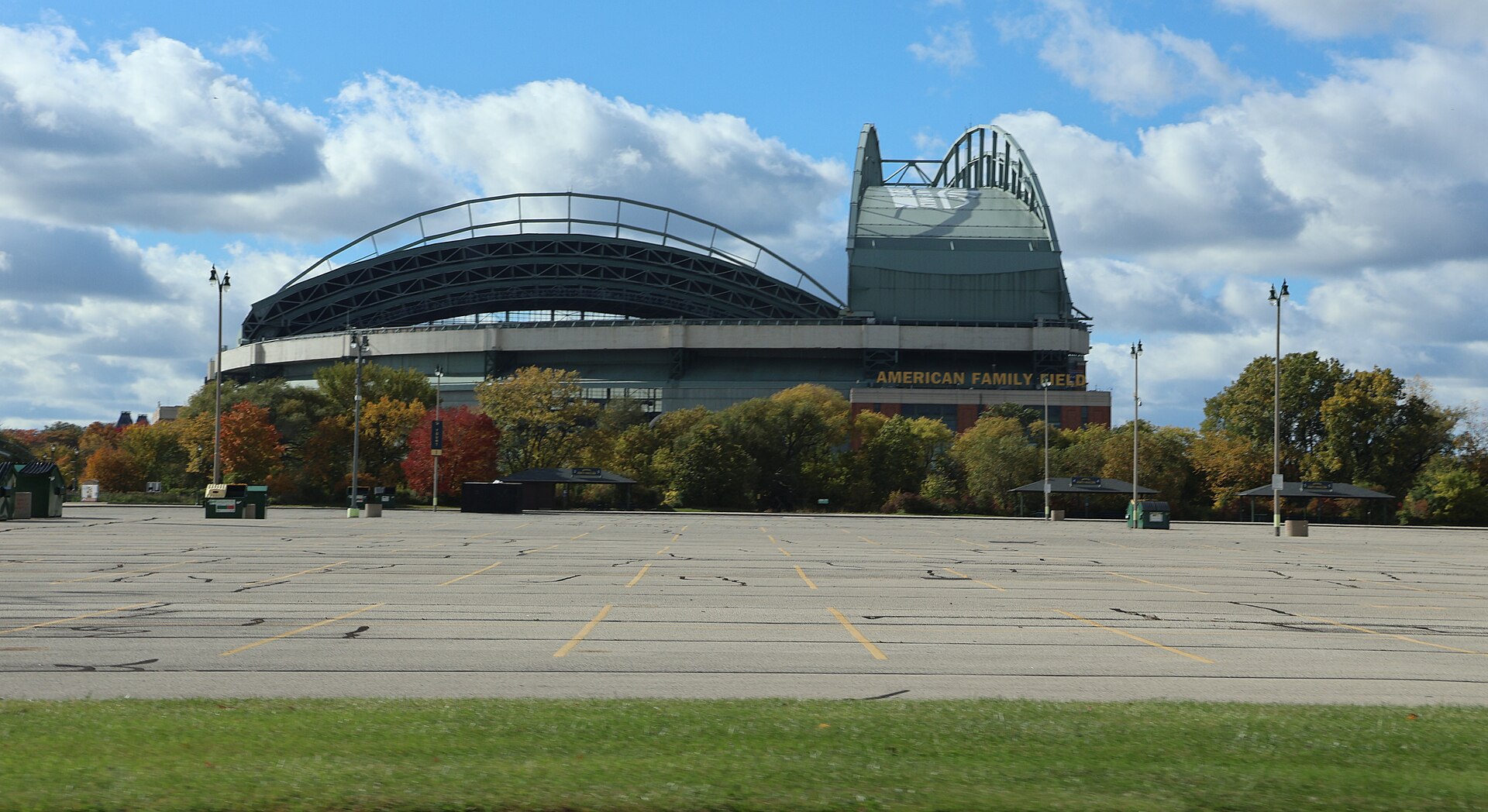
Four runs down, and the champions looked finished with this early
The final game of this series began the way the Dodgers' whole era has begun so many Octobers: with Shohei Ohtani changing the scoreboard in one swing. Ohtani's three-run homer in the second inning pushed Los Angeles to a 4-0 lead, and for a few minutes the sweep Milwaukee wanted looked like the comeback Los Angeles specialises in — the defending champions, embarrassed for three games, finally landing the punch that resets a series. Our reports on Game 1 and Game 2 traced how Milwaukee built its 2-0 lead; Game 4 asked whether that lead was a pattern or a mirage.
It was a pattern. Milwaukee scored six unanswered runs, turning a 4-0 deficit into a 6-4 win, and the most important quality of the rally was its ordinariness. There was no single miracle swing to explain it away. The Brewers simply kept doing what they had done all series — extending at-bats, running, taking the extra base, and forcing a pitching staff built for October to work for every out — until the Dodgers' lead was gone and the noise in the building told the rest of the story. A sweep is a verdict over four games; a comeback inside the clincher is a verdict about nerve.
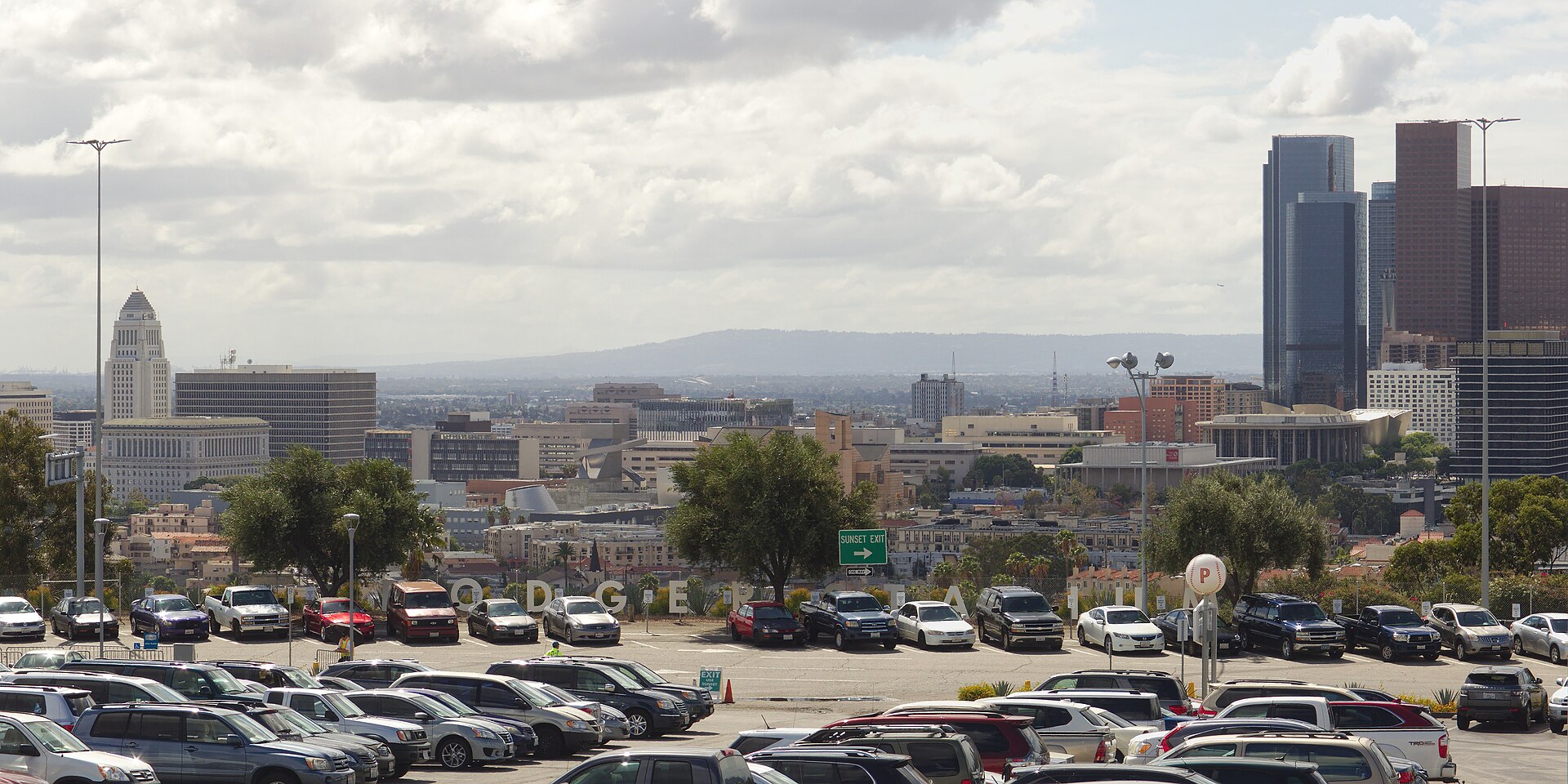
1982, and why this city measures time differently
To understand what Thursday night released, you have to sit with the number 44. Milwaukee's only previous World Series team, the 1982 Brewers — Harvey's Wallbangers, all power and noise — lost a seven-game Series to St. Louis and then became a memory the franchise has been chasing ever since. Players on the current roster were not born. Many of their parents were children. In the intervening decades Milwaukee watched division titles, a league switch from the American League to the National League in 1998, near-misses and rebuilds, and a 2018 NLCS that went seven games against — of all teams — the Dodgers. Los Angeles won that series. This week, Milwaukee did not merely reverse the result; it removed the suspense from it.
That history explains why a sweep, rather than a dramatic Game 7, may be the more satisfying ending for this fan base. A Game 7 win would have joined the catalogue of Milwaukee heart-stoppers. A 4-0 sweep is something else: a declaration that, for one week in October 2026, the Brewers were not the plucky challenger but simply the better team, home and away, early and late, against the sport's standard-bearer. The 1982 team was beloved for how it hit. This team will be remembered for how completely it controlled a series almost nobody outside Wisconsin expected it to control.
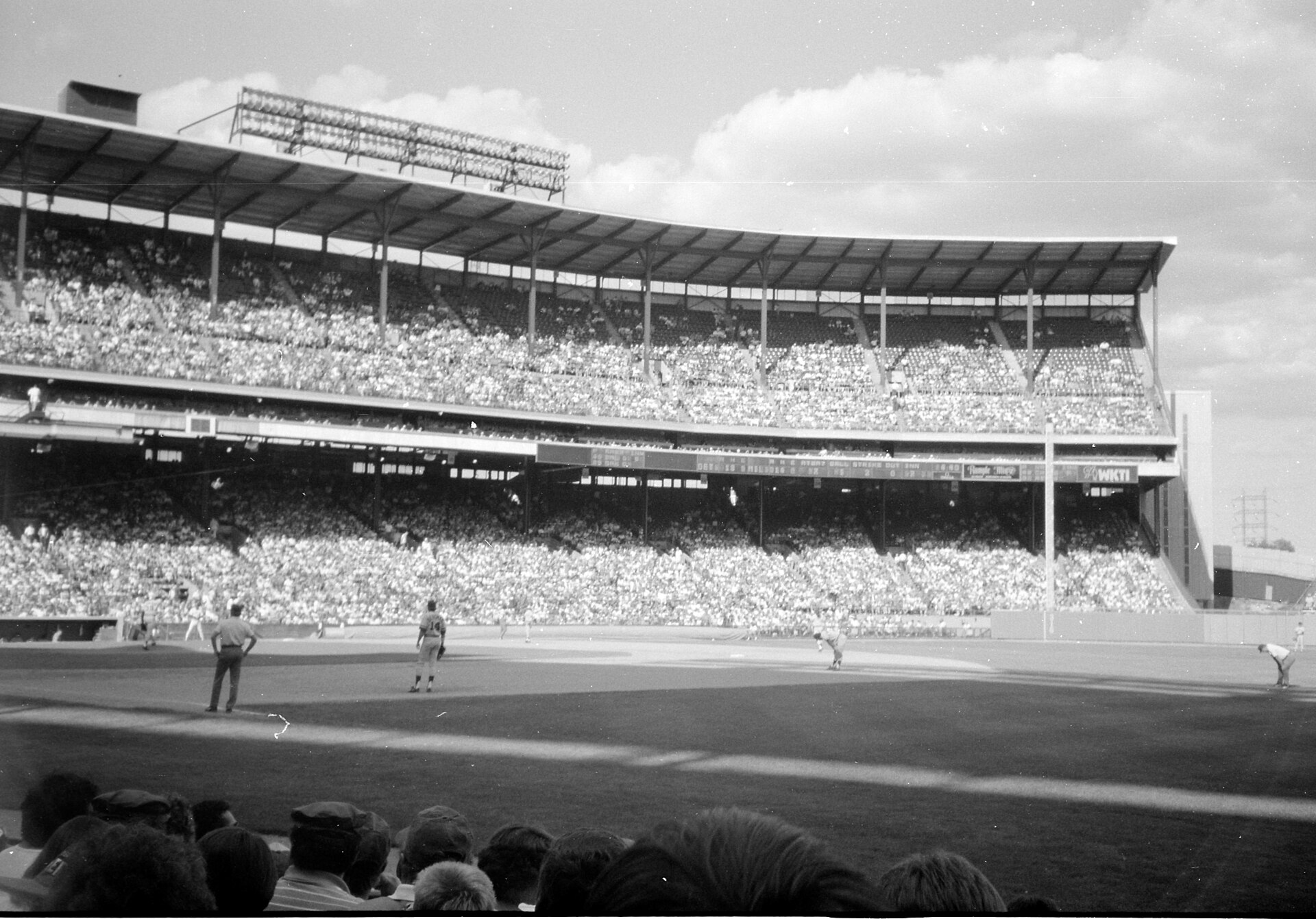
The model that beat the market
Every October produces a payroll argument, and this one produces it in its purest form. Los Angeles has operated for years at or near the top of the sport's spending table, building a roster of stars deep enough that an injury or a slump is a rotation problem rather than a crisis. Milwaukee operates in one of baseball's smallest markets, consistently in the lower half of the spending order, and builds differently: player development, defensive versatility, pitching depth assembled in layers, and a willingness to trade established names before they become unaffordable rather than after. Critics of that model — and Milwaukee has heard them for years, including from its own fans — argue it caps a team's ceiling, that prudence becomes an excuse at exactly the moment ambition is required.
This series is the strongest counter-evidence yet. Across four games the Brewers' depth beat the Dodgers' star power in the areas depth is supposed to decide: bullpen innings, bench at-bats, defensive substitutions, the bottom of the lineup. None of that proves payroll does not matter — over 162 games, money remains the surest way to buy margin for error, and Los Angeles will be favoured again next spring for good reason. But a short series rewards the team whose 26th player is trustworthy, and on that measure Milwaukee was richer. The honest conclusion is narrower and more useful than the slogan: spending sets the odds; it does not play the games.
Meanwhile in Cleveland, the other pennant is still alive
The Brewers' opponent will come from an American League Championship Series that tightened on Thursday. The Cleveland Guardians beat the Tampa Bay Rays 3-2 in Game 3 at Progressive Field to lead the series 2-1. Petey Halpin's go-ahead two-run homer in the fifth inning, off Griffin Jax, supplied the margin; Gavin Williams struck out nine over five innings; and Cade Smith recorded the save. Game 4 is Friday, October 16, in Cleveland, where a Guardians win would put Tampa Bay one loss from elimination and a Rays win would turn the series into a best-of-three.
Stylistically, either opponent gives Milwaukee a fascinating mirror. Cleveland is another development-driven, pitching-first club from a modest market — a World Series between the Brewers and Guardians would be a referendum the sport's economists would argue about all winter. Tampa Bay, the original small-market laboratory, would make it a contest between two front offices that have spent decades proving the same heresy in different ways. What Milwaukee will not get is a soft opponent: both ALCS teams reached this round by out-executing richer rosters of their own.
Why this matters
This matters beyond one city's celebration because the sweep rearranges three assumptions at once. First, the Dodgers' era is not over, but its inevitability is: a team chasing a third consecutive title was beaten in four straight games, and the aura that made opponents play tight in late innings has been punctured in public. Second, Milwaukee's model has been validated at the highest level short of a championship — a pennant is the one achievement the critics said development-and-depth could not produce against this Dodgers machine, and it has now been produced. Third, the sport gets the thing its economics are accused of preventing: a World Series team from one of its smallest markets, arriving not as a fluke that survived a bracket but as the club that swept the favourites. If the Brewers now win the Series, the argument about how to build a champion does not merely continue — it changes its default answer.
What happens next
The World Series begins on Friday, October 23, against the ALCS winner, and the week between now and then is Milwaukee's to manage: rest for a bullpen that carried heavy innings, rotation order set without the pressure of a Game 5 that never came, and a city learning how to buy tickets for an event two generations have only heard described. Cleveland and Tampa Bay resume on Friday with the Guardians ahead 2-1, and their series will decide not just the opponent but the Series' geography and rest equation. For Los Angeles, the winter starts early and unusually honestly: a three-peat bid ended in a sweep raises questions about ageing, depth and October randomness that money alone will not answer quietly. Signal Post News will cover the ALCS through its conclusion and the World Series from Game 1 on October 23.
Sources: Reuters, Oct. 15-16, 2026 (NLCS Game 4 and ALCS Game 3 reports); Associated Press-style game reports via Centex Beat, Oct. 16, 2026. Related on Signal Post News: Brewers beat Dodgers 2-1 in NLCS Game 1 · Brewers beat Dodgers 7-4 in NLCS Game 2.