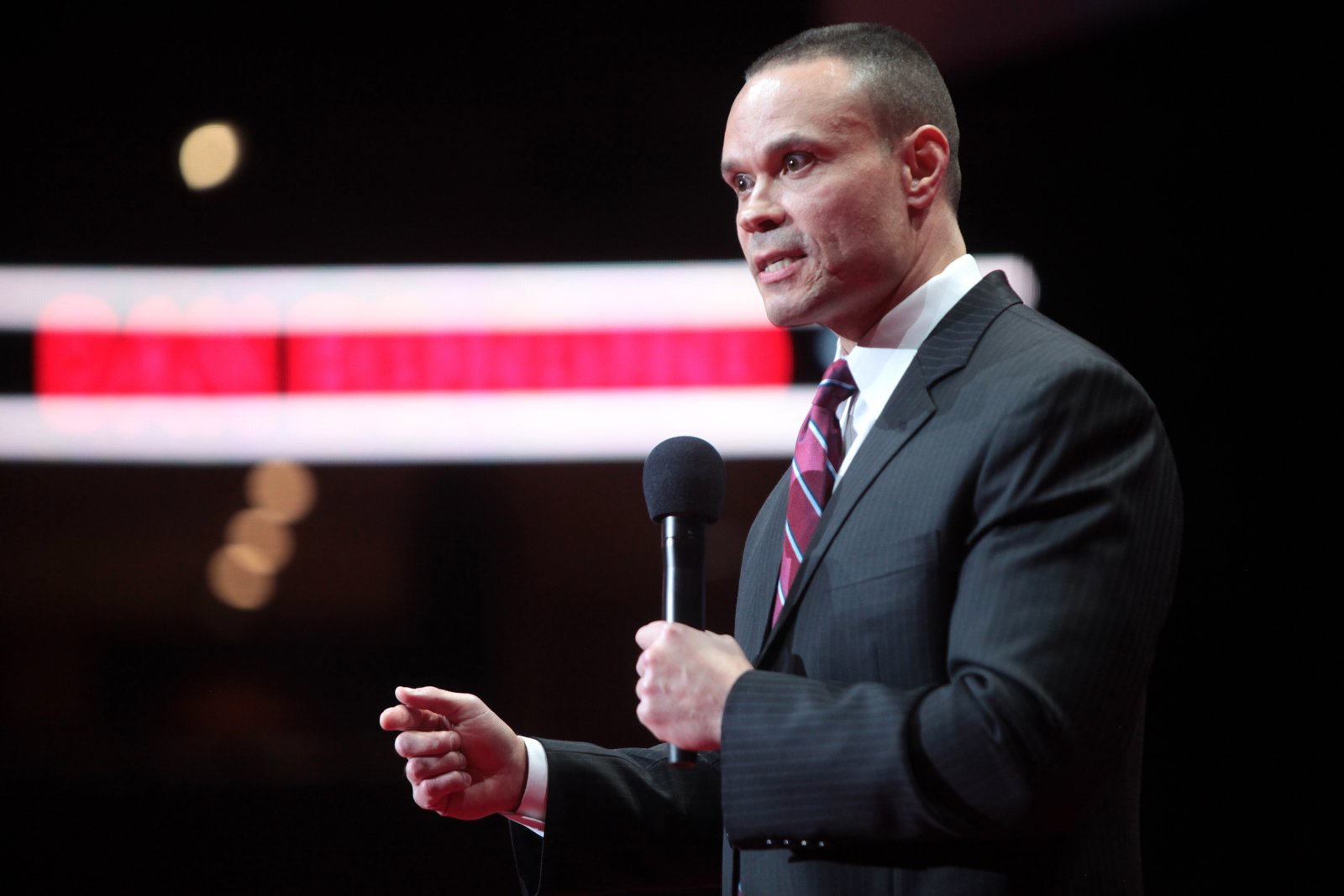
The warnings about stocking up are no longer coming only from governments. Dan Bongino — who served as deputy director of the FBI, the bureau's second-in-command, before returning to host The Dan Bongino Show — has told his audience to take the preparedness warnings seriously, hours after details emerged of FORTRESS, a Pentagon plan to keep American military bases running for up to 90 days even if the civilian power, water and supply systems around them fail. "Get your stuff today. Please. Do it for your family," Bongino said in a video posted to his show, titled "Are You Prepared? Take These Warnings Seriously." His message, reported by the Daily Mail on Tuesday, is the most prominent American voice yet to carry the prepare-now message that governments in Britain, Japan and across Europe have been putting to their own citizens for weeks.
Track it live: the wars tracker.
What Bongino said
Bongino pointed his audience to the same warnings this site has been tracking all month: governments telling households to hold days of food, water and power in reserve. Warnings are going out about 30 days of preparedness, he said, and households should act on them. "Please do the right thing for your families," he said. "I'm not panicking… but we have to practice what we preach." He set out a concrete list: an emergency radio, batteries, emergency food, and a way to collect and filter water, including rain collection, a water filter and filtration tablets — enough, in his telling, for a household to get through at least the first days of a serious disruption on its own.
His framing deliberately echoed the Pentagon's own. "The Pentagon's doing its job to keep our national security safe and make 'Fortress America,'" Bongino said. "You have to make 'Fortress my house,' 'Fortress my apartment.' Please, do it for everyone. Your neighbors are not going to have any extra food." The point, as he put it, is not fear: it is that in a real emergency the households that prepared are the ones that do not need rescuing first.
The Pentagon plan behind the warning
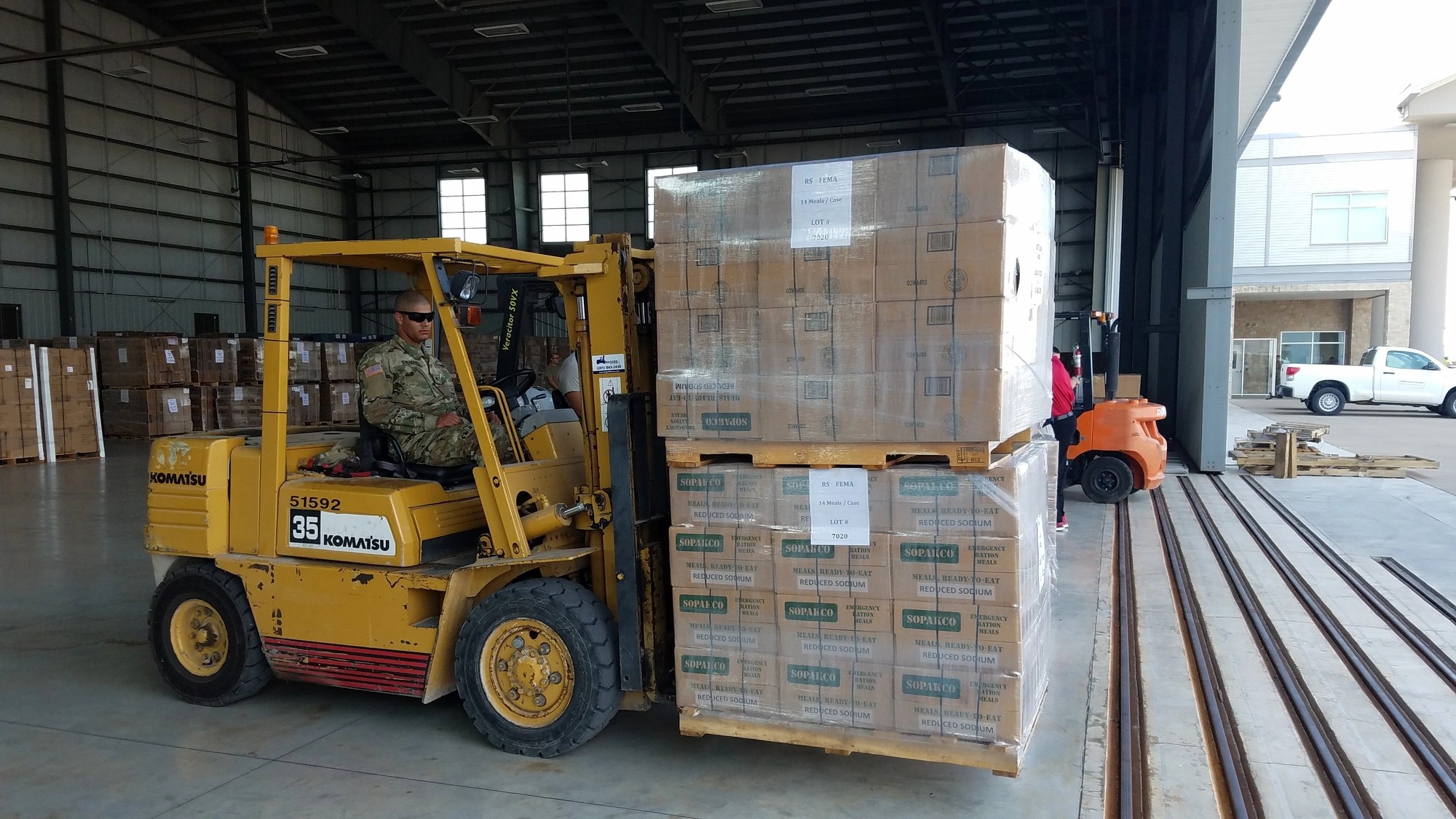
The immediate trigger was FORTRESS, the Pentagon programme revealed this week in internal documents reported by Fox News Digital, under which American bases are to be made self-sufficient for up to 90 days without civilian power, water or supplies. The plan calls for portable nuclear reactors, large battery systems and independent local power grids to keep bases running through blackouts, for civilian factories ready to switch to defence production, and for deep stockpiles of ammunition, fuel, critical minerals and medical supplies. The Pentagon's chief spokesperson, Sean Parnell, told Fox News: "We don't want to rely on standard civilian municipal infrastructure to run our national defense." Signal Post News set out the full plan, and what it does and does not say, in its earlier reporting: Pentagon FORTRESS Plan: US Bases Told to Survive 90 Days Without Power, Water or Supplies.
Two precision points matter. First, FORTRESS is a plan reported from internal documents — a standard the Pentagon is setting for its own bases — not a public order, and not an instruction to civilians. Second, Bongino speaks for himself. He is a former official and a commentator with a show to fill, not a spokesman for the FBI or the administration, and no serving official has told Americans that war is imminent. What has changed is the direction of travel: the same preparedness logic being applied to military bases is now being urged on households by one of the most recognisable law-enforcement voices in the country.
A preparedness wave on both sides of the Atlantic
Bongino's intervention lands in the middle of a wave. In Britain, the government's Be Ready campaign has urged households to stock basic supplies, and Health Secretary Wes Streeting has warned publicly of a long period of danger ahead; British retailers have reported surging sales of torches, radios and tinned food as the campaign bites — Britain's Be Ready push is drawing exactly the response Bongino is asking of Americans. The European Commission's guidance asks EU citizens to be ready to sustain themselves for at least 72 hours, and Sweden, Finland, Poland, France and Norway have all issued or updated household preparedness guidance. In Japan, the government's disaster-preparedness leadership has asked households to keep at least three days — ideally a week — of food, water and toilet supplies, a request framed around earthquakes and natural disasters rather than war, but built on the same self-sufficiency logic: Japan's stockpile request.

Why this matters
Government preparedness campaigns have a reach problem: the people who most need to hear them are often the least likely to read an official pamphlet. Bongino does not have that problem. His audience numbers in the millions, it is loyal, and it trusts him precisely because he has held the jobs — Secret Service agent, NYPD officer, and the FBI's second-in-command. When he says "we have to practice what we preach," he is converting an abstract government resilience message into a personal instruction from a man his listeners regard as an insider. That is why this moment matters more than the checklist itself: the preparedness wave has crossed from officialdom into popular culture, and messages that cross that line tend to move behaviour — and retail shelves — far faster than campaigns do.
There is also a gap worth noticing between the numbers. The Pentagon's standard for its bases is 90 days. Bongino talked of warnings about 30 days of preparedness, and of households holding at least the first few days themselves. Britain's campaign and the EU guidance talk in terms of days, not months. Nobody in authority is asking civilians to match the military standard — the consistent official message, on both sides of the Atlantic, is a household buffer measured in days that buys emergency services time. Federal emergency guidance in the United States has advised households for years to keep at least three days of food and water; what is new is not the advice, but how many prominent voices are now repeating it at once, and how explicitly it is being tied to the possibility of war and infrastructure failure rather than storms alone.
What the other side says
Sceptics make two arguments. The first is that preparedness messaging, amplified by commentators, can shade into fear — that telling millions of people to stock up "today" risks the very panic buying that empties shelves and leaves the most vulnerable households with nothing, a pattern seen in every recent crisis. The second is that none of the underlying facts has changed as fast as the rhetoric: governments have issued versions of this guidance for decades, bases have always planned for isolation, and no official in Washington, London or Brussels says an attack is expected. On that view, this week's story is a change in volume, not in threat.
Preparedness advocates answer that the cost asymmetry is the whole point: a few days of food, water, batteries and a radio are cheap, they do not spoil a household budget, and they are useful in the far more common emergencies — blackouts, storms, floods and supply interruptions — that need no war at all. Bongino's own framing leans on exactly that argument: practice what we preach, do it for your family, and do not count on your neighbours having spare food. Both readings agree on the narrow factual core: the guidance is real, it is spreading, and it is precautionary — not a prediction.
What happens next
Watch three things. First, whether any serving US official picks up the household side of FORTRESS in public — so far the administration has talked about bases, not families, and the civilian message has been left to former officials and commentators. Second, whether the retail pattern seen in Britain — surging sales of radios, torches and long-life food — repeats in the United States in the coming days, which would show the message landing beyond Bongino's own audience. Third, how the Pentagon's 90-day standard progresses from internal documents to funded, visible work at actual bases, which is the test of whether FORTRESS is a programme or a posture. Signal Post News will follow all three on its wars tracker.
Sources
Daily Mail US (Chris Melore, October 27, 2026), "Ex-FBI boss tells Americans to take warnings to stock up seriously: 'Get your stuff today'"; UNILAD (October 27, 2026), "Ex-FBI boss urges Americans to take stockpile warnings seriously"; The Dan Bongino Show, "Are You Prepared? Take These Warnings Seriously" (video); Fox News Digital reporting on the FORTRESS internal documents and Pentagon chief spokesperson Sean Parnell, as covered in Signal Post News' FORTRESS article linked above. Bongino's remarks are his own, made as a former official and commentator; they are not a statement by the FBI or the administration.