Confirmed: relations resume and embassies are to reopen
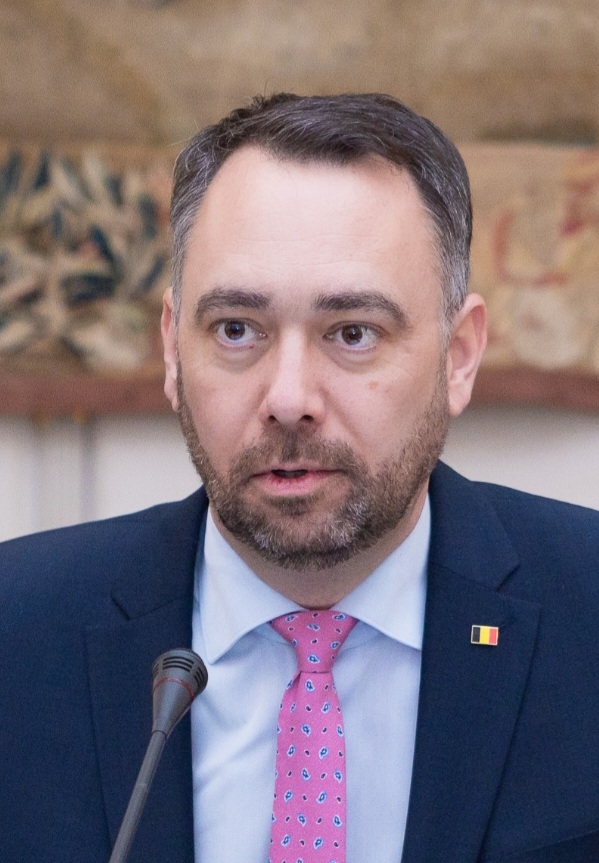
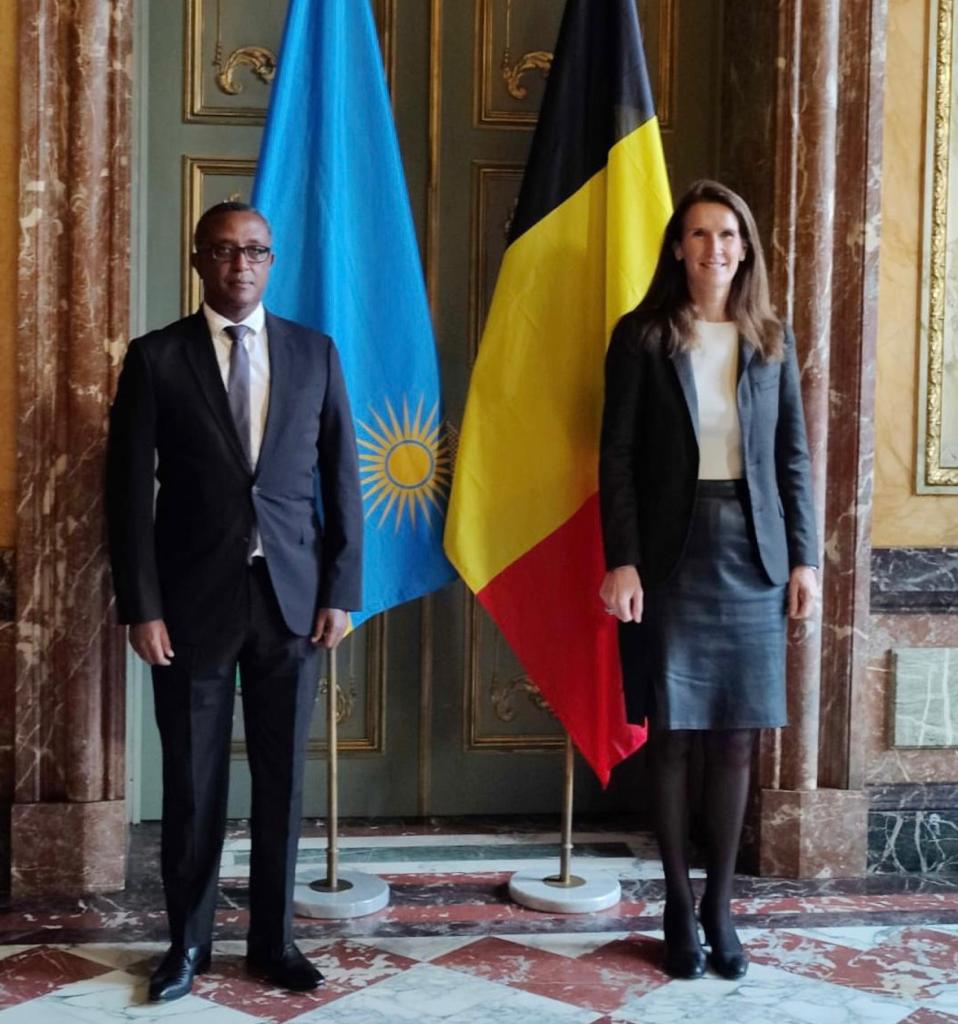
Belgium and Rwanda announced on Tuesday, September 22, that they were resuming diplomatic relations, 18 months after a confrontation over the war in the eastern Democratic Republic of Congo led each side to expel the other’s diplomats. Belgian Foreign Minister Maxime Prévot and Rwanda’s foreign ministry released the news simultaneously on X, accompanied by photographs of Prévot meeting Rwandan Foreign Minister Olivier Nduhungirehe in New York during the United Nations General Assembly.
Their joint statement said a series of recent meetings and informal contacts had allowed the two governments to resolve their differences “in a constructive spirit.” Both governments said they intend to reopen their embassies soon. Prévot called the step important “in a world marked by growing tensions.”
The narrow fact of restoration is clear. Its limits are equally important: Belgium has not withdrawn its position on the territorial integrity of the DRC, and Rwanda has not accepted the allegation that it supports the AFC/M23 rebellion. Diplomatic channels are reopening while the central security dispute remains unresolved.
The thesis: a channel has reopened, not a dispute closed
The reset matters because it converts a public rupture into a working diplomatic channel at a moment when African and European governments are trying to contain overlapping security, sanctions and development disputes. New York provided neutral ground and the visibility of UNGA, but the substance will be tested in Brussels, Kigali and the Congolese conflict zone.
Restored relations can lower the cost of negotiation. They do not by themselves change who controls territory in North and South Kivu, prove or disprove outside support for M23, or reconcile Belgium’s Congo policy with Rwanda’s security narrative. The practical value of the announcement will depend on whether embassy reopening produces sustained communication and whether that communication supports, rather than bypasses, the DRC peace track.
What remains disputed: M23, Rwanda and eastern Congo
The AFC/M23 coalition controls large parts of North and South Kivu after an early-2025 advance that included the capture of Goma and Bukavu. The United Nations and Western governments say Rwanda supports M23. Kigali denies backing the group and says its security posture is a response to a Hutu militia fighting alongside Congo’s military.
Those positions must not be blurred. M23’s territorial control is observable and politically consequential; the competing claims about responsibility and security justification remain contested. Belgium’s criticism of Rwanda’s alleged role was the immediate cause of the March 2025 rupture. Rwanda accused Belgium of taking sides and obstructing an effective response to the conflict.
Prévot therefore stressed that restoring relations “does not mean abandoning our position.” He said Belgium will continue to defend the DRC’s sovereignty and territorial integrity. That caveat is central to the deal: Brussels is restoring dialogue without presenting the reset as a concession on Congo, while Kigali gains renewed bilateral access without publicly accepting Belgium’s account of the war.

How the rupture unfolded
Belgium and Rwanda expelled each other’s diplomats in March 2025 as the eastern Congo crisis deepened. Rwanda then closed its embassy in Brussels and transferred consular service for Rwandans in Belgium to its embassy in The Hague, according to reporting at the time. That made the break operational, not merely rhetorical: ordinary consular work had to move across a border while political contact narrowed.
Qatar facilitated the two countries’ first meeting after the rupture in June 2025. The September 2026 announcement shows what that channel produced: first contact, then informal meetings, then a public restoration with a pledge to reopen embassies. Measured against the 18-month break, the sequence was gradual rather than sudden.
Technical cooperation also proved more durable than the diplomatic freeze suggested. Rwanda’s finance ministry announced a €17.6 million bilateral agreement with Belgium on social protection during the period of broken relations. That agreement did not erase the political dispute, but it showed that development cooperation could continue where both governments saw a practical interest.
EU sanctions remain the harder policy test
Belgium’s bilateral decision sits inside a broader European policy. After European Union foreign ministers met on February 24 and March 17, 2025, the EU adopted additional restrictive measures, suspended security and defence consultations with Rwanda, and put its memorandum on sustainable raw-materials value chains under review, according to a written European Commission response to the European Parliament.
Reopening an embassy does not automatically remove or weaken those measures. Belgium can argue that dialogue and pressure are complementary: diplomatic access may help communicate conditions, verify intentions and support negotiations. Skeptics will watch for any attempt to convert a bilateral thaw into a quiet retreat from European leverage before the eastern DRC conflict changes on the ground.
Why UNGA diplomacy matters
The meeting on the sidelines of the 81st UN General Assembly placed a bilateral African–European dispute inside a wider diplomatic forum. UNGA weeks compress dozens of talks into a few days, making them useful for governments that need neutral venues, private contact and public symbolism at once. For Belgium and Rwanda, New York reduced the political cost of appearing to travel specifically for reconciliation while allowing both ministers to present the outcome as part of wider international engagement.
The timing also matters for African–European relations. European states are balancing security concerns, access to strategic minerals, development partnerships and demands for accountability in the Great Lakes region. African governments, meanwhile, resist being treated only through European sanctions or colonial-era assumptions. A functional Belgium–Rwanda channel cannot solve that tension, but it can make the disagreement more governable.
Colonial history and a recurring diplomatic pattern
Both Rwanda and the Democratic Republic of Congo are former Belgian colonies, although their colonial histories and paths to independence were distinct. That legacy gives Belgian statements about sovereignty, security and governance an additional political charge. It also shapes expectations in Congo and Rwanda about whose interests Brussels is protecting.
The latest reconciliation follows a familiar post-colonial diplomatic pattern without repeating any earlier episode exactly: security disagreements spill into aid, sanctions and ambassadorial relations; practical cooperation survives in narrower channels; formal ties return before the underlying argument is settled. The history counsels restraint. Neither colonial familiarity nor restored embassies gives Belgium special authority over regional outcomes, and Rwanda’s rejection of that history does not remove the need to answer current evidence and allegations.
Who benefits—and who remains skeptical
Qatar gains diplomatic credit for facilitating the first post-rupture meeting. Its role is consistent with a wider effort to broker difficult conversations without requiring the parties to agree first on the causes of the dispute. DRC peace diplomacy could benefit if Belgium and Rwanda use their restored channel to support existing negotiations and reduce contradictory messaging.
Trade, development and consular cooperation also stand to gain. Embassy reopening would reduce friction for citizens and institutions, while the €17.6 million social-protection agreement offers a concrete program that can be administered in a less hostile political climate.
Skepticism will not be confined to one country. In Congo, critics may fear that normalization rewards Rwanda while M23 still controls major territory. In Rwanda, critics may view Belgium’s continuing support for sanctions and its Congo caveat as proof that the reset is tactical. In Belgium, critics may ask whether restored access can deliver accountability or merely soften the optics of an unresolved war. These are foreseeable tests of the agreement, not evidence that any single outcome is predetermined.
What the numbers mean
The 18-month rupture measures the political cost both governments were willing to bear before restoring formal relations. The March 2025 expulsions and subsequent embassy closure show that the break affected diplomatic staffing and consular access, while the plan to reopen embassies provides the clearest near-term benchmark for whether the announcement is implemented.
The €17.6 million social-protection agreement is small beside the strategic stakes of the Congo war, but analytically important: it demonstrates that a bilateral relationship can remain partly functional beneath an official freeze. The largest unresolved “number” is territorial rather than financial—the breadth of M23 control across parts of two Congolese provinces. Unless that changes or a durable political arrangement emerges, the security dispute that broke relations will continue to limit the reset.
What happens next
The first test is administrative: whether both embassies reopen, ambassadors return and consular services move back onto a normal bilateral footing. The second is European: whether Belgium’s policy changes the EU debate over sanctions, suspended consultations and the raw-materials memorandum, or whether those measures remain tied to developments in eastern Congo.
The third test is regional. If the restored relationship improves coordination with Congolese and other mediation efforts, it could contribute to a more coherent peace track. If it produces only bilateral meetings and photographs while M23 retains its territorial position and the parties repeat existing claims, the announcement will amount mainly to diplomatic optics.
For now, the strongest conclusion is modest but significant: Brussels and Kigali have rebuilt a channel they decided they could no longer do without. Whether that channel changes the war-related policies that destroyed the relationship will determine whether September 22 becomes a turning point or simply the end of one phase of estrangement.
Sources
- Reuters: Belgium and Rwanda resume diplomatic relations after dispute over eastern DRC
- Rwanda Ministry of Finance: Rwanda and Belgium sign €17.6 million social-protection agreement
- The Eastleigh Voice: Rwanda closes Brussels embassy and transfers consular services
- European Commission answer: EU measures and review of relations with Rwanda
- United Nations: schedule for the 81st General Assembly session
This article is a fixed September 22, 2026 reporting snapshot. The governments’ joint announcement is reported from their public statements as described by Reuters. Allegations concerning support for M23 are attributed and disputed.