Badenoch rules out Reform pact
In a keynote speech that earned three standing ovations, the Conservative leader branded Nigel Farage's party a “circus,” waded into the row over who counts as English, and unveiled a sweep of tax cuts, welfare curbs, and defence pledges.
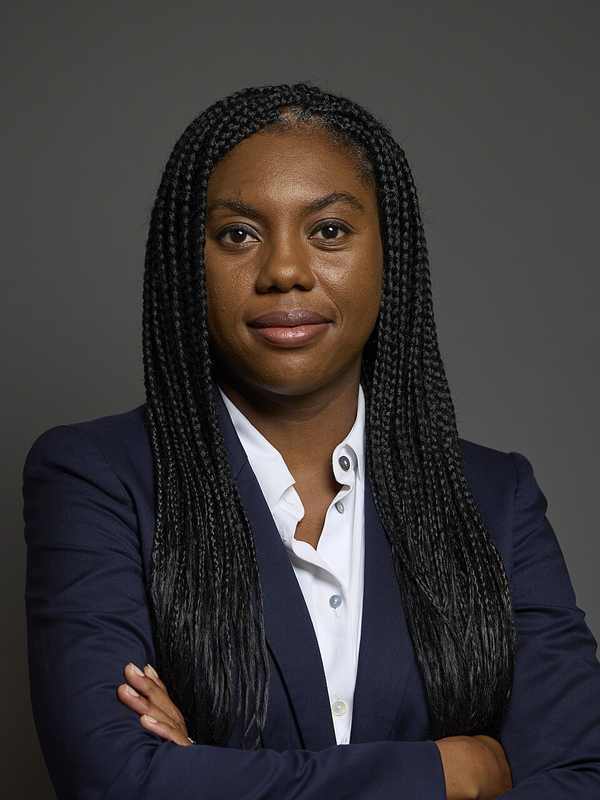
Kemi Badenoch used her keynote speech at the Conservative Party conference in Birmingham on Wednesday, October 7, 2026, to do the two things her party's strategists have spent months avoiding: she ruled out any electoral pact or coalition with Nigel Farage's Reform UK, and she confronted head-on the explosive debate over who counts as English that has consumed British politics this week. The twin moves — “Badenoch rules out Reform pact” is now the defining line of her leadership — were cheered with three standing ovations in the hall. But they amount to a high-stakes wager: with national polls putting Labour first, Reform second, and the Conservatives third, a permanently divided right could hand the next election to Andy Burnham's Labour.
Why this matters
This was not just a speech; it was a strategic choice that rewires Britain's right. Under first-past-the-post, a split right is usually a losing right — ask anyone who watched the Conservatives fall to their worst-ever result, 121 of 650 seats, in 2024. By making opposition to Reform UK a matter of principle rather than tactics, Badenoch is betting that her party can win Reform voters back one by one — “Reform voters. Many of them are our people. We let them down, and we want them to come back home” — instead of sharing a ticket with them.
The deeper significance is personal and symbolic: the first Black woman to lead a major British party is now the figure making national identity a centrepiece of the national argument, and she did it on the same stage where she declared the next election “a battle for the soul of this nation,” the starkest choice since Margaret Thatcher's victory in 1979. If she is right, the Conservatives rebuild as a low-tax, low-spend party of their own. If she is wrong, she has locked her party out of the one arrangement that might have saved it from a second straight defeat.
How we got here
The road to Birmingham ran through humiliation. The 2024 election left the Conservatives with just 121 MPs — the worst result in the party's history — and the bleeding did not stop: several MPs have since defected to Reform, and Reform has trounced the Tories in local elections. Polls have settled into a pattern that terrifies Conservative headquarters: Labour first, Reform second, Conservatives third. That is the context in which former cabinet minister Jacob Rees-Mogg urged the party to keep its “options open” on a deal with Reform, arguing: “We want the same things.” Badenoch overruled him publicly and unambiguously.
The week before the speech added a cultural fuse. Former home secretary Suella Braverman — who defected from the Conservatives to Reform and now sits as a Reform MP — told BBC Question Time that she never considers herself English because her parents came to Britain as immigrants, and the Associated Press reported she has suggested only white people can be English. Shortly before Badenoch took the stage, Reform deputy leader Richard Tice, pressed in an interview, refused three times to say whether he considered the Conservative leader herself to be English. The mood in the hall was noticeably brighter than last year's downbeat gathering — and Badenoch walked into it with a plan.
What she actually said in Birmingham
On the pact, her words left no room for interpretation: “To those who say ‘unite the right’, we are not uniting with that. People deserve better than that and we are going to give them better than that. Character, conduct and standards matter.” She dismissed Reform as a “circus” of politicians who would take the country “backwards,” and in a separate Sky News interview she went further, saying she would rather fight two general elections in quick succession than form a coalition government with Reform in a hung parliament — a scenario current polling makes entirely plausible.
She framed the party she wants to build as a “no-drama party” and a “no-nonsense party,” demanded that future candidates sign up to shared values of “integrity, duty, discipline,” and joked that her shadow cabinet is one in which “we actually like each other.” On identity, she said she did not want to live in a country run by people who “threaten journalists, call veterans traitors and debate whether my mixed-race children are English,” adding: “I remember back in the day when Ian Wright and John Barnes were playing, nobody was questioning whether they were English.”
Dr Sanjoy Kumar — the father of Nottingham attack victim Grace O'Malley Kumar — was in the audience. And in the line that may define the campaign to come, she said: “There is a fight coming that we have not seen in this country for more than half a century... a battle for the soul of this nation.” Her M&S analogy — shoppers looking through the shop window, admiring the brand, but “not enough of them are buying yet” — drew knowing laughter; like the retailer, she argued, the party must learn from its mistakes and win back trust.
The policy package — and what the numbers mean
Badenoch resurrected the low-tax, low-spend Tory brand with a package heavy on headline pledges:
- Inheritance tax: Family homes would be exempt; couples could pass on an extra £1 million tax-free. The current levy charges 40 percent on estates above £325,000, or £500,000 when a home goes to a direct descendant. The party estimates the change would cost about £6 billion by 2029-30, with full abolition an “ambition when affordable.”
- Employer National Insurance: The “jobs tax” would be halved for workers aged 21 to 24, from 15 percent to 7.5 percent. The party puts the cost at £2.3 billion a year, claims firms would save an average of £1,545 per young worker, and projects 33,600 extra jobs by the end of the decade.
- Welfare: School leavers would be blocked from going straight onto out-of-work benefits, under the banner “Everyone who can work, WILL work.”
- Property taxes: The planned 2028 “mansion tax” on English properties worth over £2 million would be scrapped; stamp duty on home purchases would go too.
- Defence: £10 billion over ten years for “Britannia Shield,” a drone and missile defence programme.
- Justice and government: 50,000 extra prison places, with arms-length quangos including Natural England abolished.
- Education and childcare: Non-UK nationals would be blocked from student loans, and the £100,000 childcare cliff edge would end with 30 hours of free care guaranteed.
- Pensions: The triple lock would be defended — a direct contrast with Prime Minister Andy Burnham, who has pledged to adjust it to fund a national care service.
- Regulation and borrowing: The “most ambitious deregulation project in a generation” plus a 50p deficit-reduction rule.
The funding story is where the argument will be fought. Badenoch points to a “Conservative savings plan” of more than £30 billion in welfare cuts, with the party claiming £83 billion of total savings from overseas aid cuts, ending the Chagos Islands deal with Mauritius, and welfare reform. Labour's party chair Bridget Phillipson calls it “fantasy economics” and says the Tories are “prioritising the wealthiest.” The numbers cut both ways: inheritance tax is consistently named Britain's most disliked levy even though only about 5 percent of the wealthiest estates pay it, so scrapping it on homes is broadly popular — but £6 billion a year is real money in a fiscal framework that Badenoch herself says cannot afford everything.
Who wins, who loses
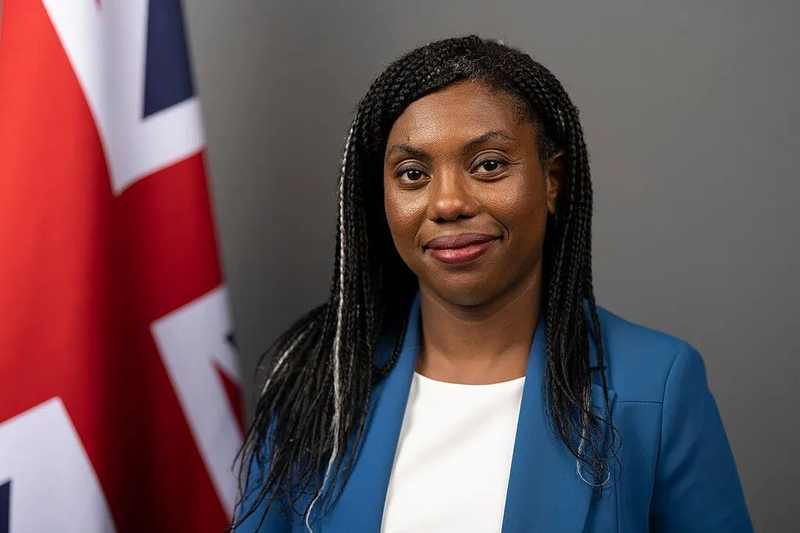
The supporters' case is that principle is the product. A party that has spent years defined by chaos and U-turns gains something money cannot buy: a clear identity, drawn against a named opponent, delivered by a leader who — The Times notes — is now significantly more popular than her party and has become its greatest electoral asset, with the plotters of last year, including Robert Jenrick, gone from the scene.
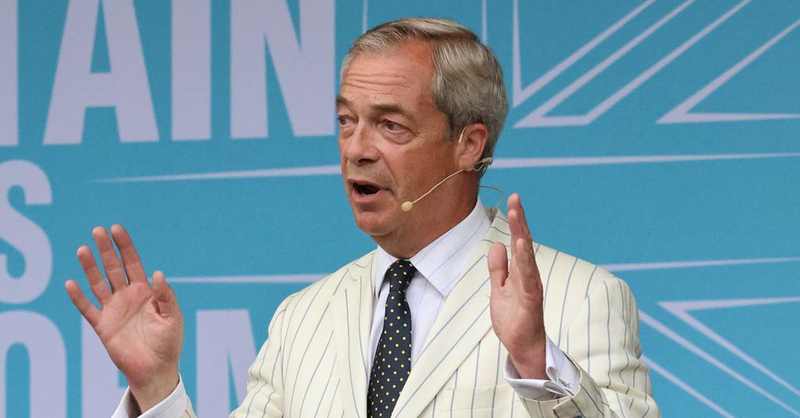
The critics' case is arithmetic. Britain's electoral system punishes division, and if the right stays split three ways while Labour holds its coalition together, the Conservatives could be locked out of power for a generation regardless of how good the conference felt. Labour, for its part, gets to run against “fantasy economics” while watching its two main rivals spend their energy on each other. And Farage gets a gift of his own: a named establishment enemy to rally against. He has already shown he knows how to play that role — packing rallies in places like Doncaster, hammering Burnham over Brexit, and telling activists Reform's “general election campaign” has begun. That gives new context to the wider scrutiny surrounding Farage and his party.
The Englishness row, in full and without taking sides
Here is what was actually said, attributed to who said it. Braverman, on BBC Question Time, said she never considers herself English because her parents came to the UK as immigrants; the AP reported she has suggested only white people can be English. Tice, asked directly three times in a pre-speech interview whether he considered Badenoch — born in London to Nigerian parents — to be English, declined to answer each time. Badenoch, on the conference stage, answered with her own experience: her mixed-race children, and the memory of watching Ian Wright and John Barnes play for England in an era when, she said, “nobody was questioning whether they were English.”
We report the positions as stated. What is beyond dispute is the political fact: identity has moved from the culture pages to the centre of the next election's battlefield, and it was the Conservative leader — not the insurgents — who put it there.
What happens next
Three questions will decide whether Birmingham was a turning point or a high point. First, the hung-parliament test: if the polls are right, the next election produces no majority, and Badenoch will face the exact choice she ruled out — coalition with Reform, or a second election. Politicians' pre-election red lines have a way of fading after polling day.
Second, the “come back home” test: winning back Reform voters individually requires the Conservatives to be competitive where Reform is strong, and there is little evidence yet that conference applause travels. Watch the by-elections and next year's local elections for the first real data. Third, Reform's counter-move: Farage thrives as the outsider, and a Tory leader who calls his party a “circus” gives him the perfect foil. The early signs suggest he will relish it.
What to watch in the meantime: whether the polls move after the conference, how Burnham responds to the triple-lock and Chagos attacks, and whether “Badenoch rules out Reform pact” becomes the settled verdict of this parliament's right — or the quote that haunts her if the arithmetic forces her back to the table.
Sources
- Associated Press via LA Post — conference speech and Reform pact
- The Times — Reform pact and Englishness row
- The Times — National Insurance and policy package
- Sky News on YouTube — Badenoch interview on a hung parliament
- The Sun — tax cuts and Burnham criticism
- Leigh Journal — speech report and Labour response