Lead
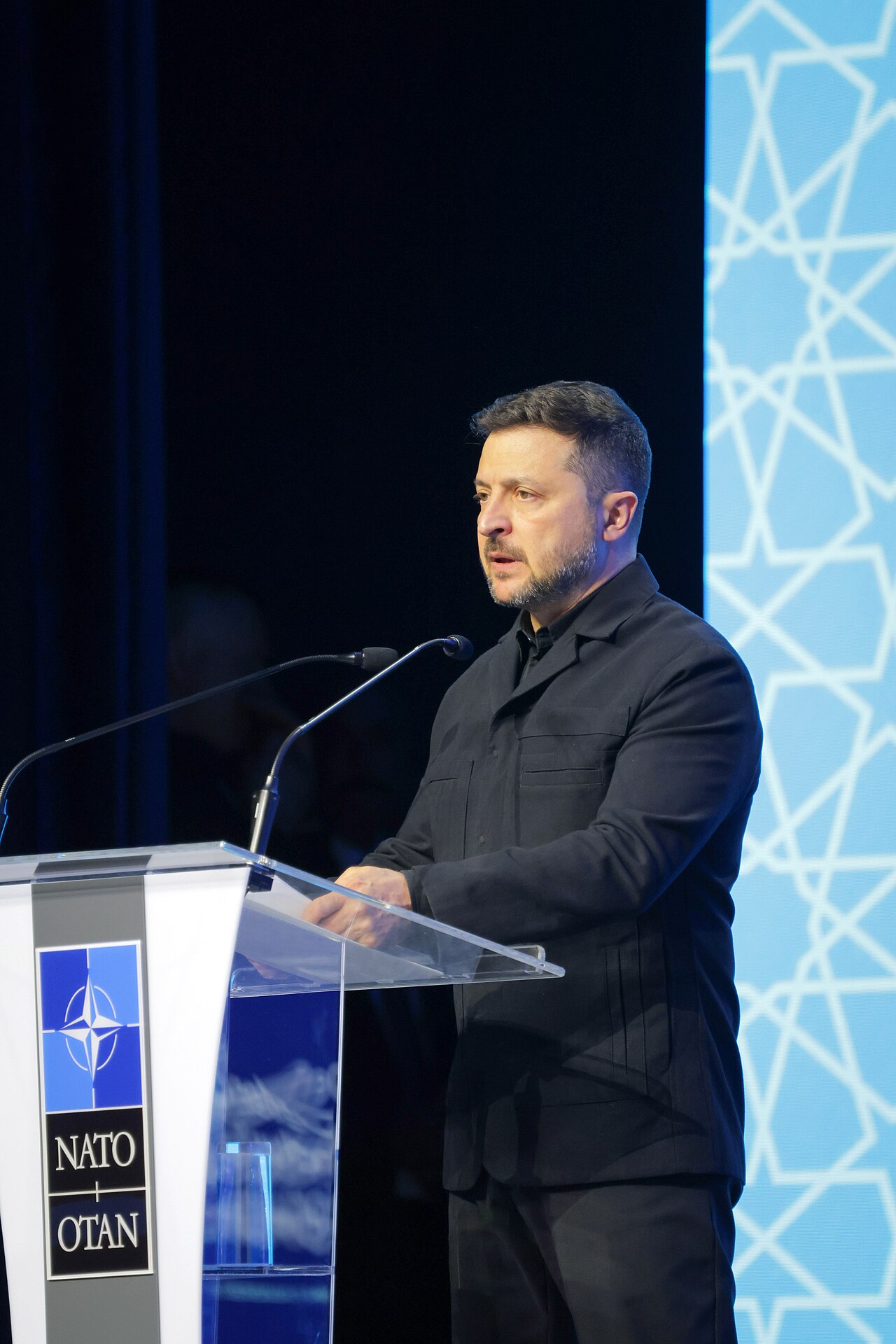
Ukrainian President Volodymyr Zelenskyy warned on Tuesday that Russia could launch attacks against other European countries, telling Fox News Digital after his meeting with President Donald Trump on the sidelines of the United Nations General Assembly in New York that the risk of a new Russian offensive is “very high.”
“That’s why the risk of offensive by drones, missiles or land operation is very high against other countries who are bordering Russia or Belarus,” Zelenskyy said, in remarks that immediately reframed the stakes of the UNGA week from Ukraine’s battlefield to the security of NATO’s eastern flank.
The warning, in his own words
Asked by Fox News Digital what European countries should do in response to the growing threat, Zelenskyy offered a direct answer: “Respond. Always respond. It’s not about the war. If you don’t respond, Russians, they will go further.”
He argued that Russian President Vladimir Putin, unable to achieve his military objectives in Ukraine, could seek to create instability elsewhere in Europe to pressure Western governments into reducing their support for Kyiv. “How to divide unanimity in Europe? … To attack somebody else. To attack and say, look, I will go further if you will not stop this,” Zelenskyy said.
He pointed to drone incursions and disruptions affecting several European countries, arguing that Moscow is already attempting to intimidate European societies and test their response — a pattern he cast as the prelude, not the epilogue, of escalation.
Why he said it now
The timing was deliberate. The warning came hours after Zelenskyy’s bilateral meeting with Trump at the UN — a meeting the White House framed as a step toward a possible deal to end Russia’s war. By raising the specter of Russian attacks beyond Ukraine’s borders, Zelenskyy was making a case that any settlement must be backed by credible deterrence, not just diplomacy.
The Associated Press, reporting on the same UNGA day, corroborated the thrust of the warning: that the danger to Europe’s border states could be high if Moscow is not confronted. The “very high” formulation is Fox News Digital’s direct quotation of the Ukrainian president.
It also lands amid a week of heightened anxiety on NATO’s eastern flank. European capitals have spent recent months debating drone incursions, hybrid warfare and the adequacy of the alliance’s response — the exact “will they respond?” question Zelenskyy put to the continent.
Why it matters
Zelenskyy’s warning does two things at once. First, it widens the aperture of the war: from a conflict contained (however brutally) inside Ukraine to a potential test of NATO’s Article 5 credibility. A limited Russian strike or drone operation against a border state — the scenario U.S. intelligence reporting has also flagged — would force the alliance to decide, in real time, what collective defense means against gray-zone aggression.
Second, it is a direct message to European publics and parliaments debating the cost of supporting Ukraine. Zelenskyy’s logic is transactional in the starkest sense: the price of backing Kyiv now is lower than the price of confronting Moscow later, on NATO soil. Whether or not one accepts his assessment of Putin’s intentions, the argument reframes Ukraine aid from charity to forward defense — a framing designed to survive war fatigue.
The winners, if the warning lands, are the hawks in European capitals pushing faster rearmament and tighter sanctions; the losers are the advocates of a quick negotiated settlement that leaves European security architecture unchanged.
What the numbers say
The context is a grinding war of attrition now in its fifth year. Ukraine has demonstrated it can strike deep inside Russia — including record drone barrages on Moscow — while Russia has kept up missile and drone attacks on Ukrainian cities. Neither side has achieved a decisive breakthrough, which is precisely why Zelenskyy argues Putin may look for leverage elsewhere.
Europe’s defense spending has risen sharply since 2022, with Nordic states pooling capabilities and Germany lifting fiscal constraints on rearmament. But readiness gaps remain: air defense, drone interception and the political speed of collective decision-making are the weak links Zelenskyy is pointing at when he says “respond — always respond.”
What happens next
Three things to watch. First, whether any NATO capital publicly endorses or distances itself from Zelenskyy’s assessment — silence would itself be an answer. Second, whether the Trump administration’s push for a Ukraine deal incorporates the European-security dimension Zelenskyy raised, or treats the war as a bilateral file to be closed. Third, whether Moscow’s behavior in the coming weeks — drone activity near borders, rhetoric toward the Baltic states or Poland — validates or undercuts the warning.
Zelenskyy has made a career of turning warnings into policy. This one asks Europe a question it has avoided for four years: what, exactly, will you do the day the war stops being Ukraine’s alone?
Sources
Fox News Digital — “Battle-tested Zelenskyy sounds chilling alarm on where Putin’s war could head next” (September 22, 2026); Associated Press reporting on the Trump–Zelenskyy UNGA bilateral (September 22, 2026).