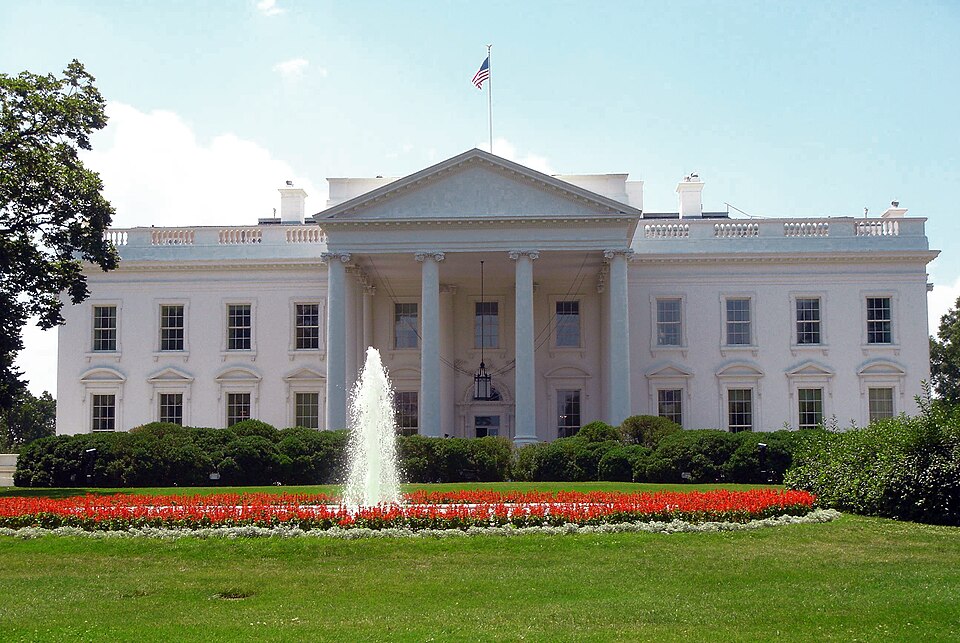
WASHINGTON — Early Thursday, September 24, U.S. District Judge Timothy Kelly ordered the White House to “immediately return, reinstate, and restore” press access for CNN, MS NOW and Politico, halting President Donald Trump’s ban for 14 days. Hours later, the White House press ban was still being enforced at the gate. A Secret Service agent had confiscated one outlet’s credentials, and the three news organizations were back in court asking the same judge for an emergency hearing.
By Thursday afternoon, reporters from all three outlets were again on the White House grounds. That resolved the immediate access problem, but not the institutional one. The morning became a compact demonstration of how constitutional rights can be won on paper before they are recognized by the people, badges and databases that control a physical doorway.
A ruling at dawn, a locked gate at midmorning
Kelly’s overnight temporary restraining order was deliberately plain. For 14 days, the administration was to restore the hard passes it had revoked and stop enforcing the outlet-wide exclusion while the underlying lawsuit continued. Yet the outlets told the court in a Thursday filing that, several hours after the order, their journalists still could not enter.
Politico said a Secret Service agent confiscated its reporter’s credentials. An MS NOW reporter was blocked, and CNN staff were denied entry. The organizations asked Kelly for a press ban emergency hearing, arguing that the remedy he had ordered was being lost hour by hour during a major news day.
The White House supplied a different chronology. In a court filing, press operations director Micah Stopperich said the badge-reinstatement process began at 7:25 a.m. and that badges were delivered to the entry gate at about 9:55 a.m. Reporters from CNN, MS NOW and Politico were back on the grounds Thursday afternoon, hours after the order.
Reuters was careful about the gap in between: it remained unclear whether the delay reflected intentional defiance or confusion among White House security staff and credentialing systems. That uncertainty belongs in the record. The established facts are that the order existed, access did not resume immediately, the outlets returned to court, and reporters were readmitted later that day.
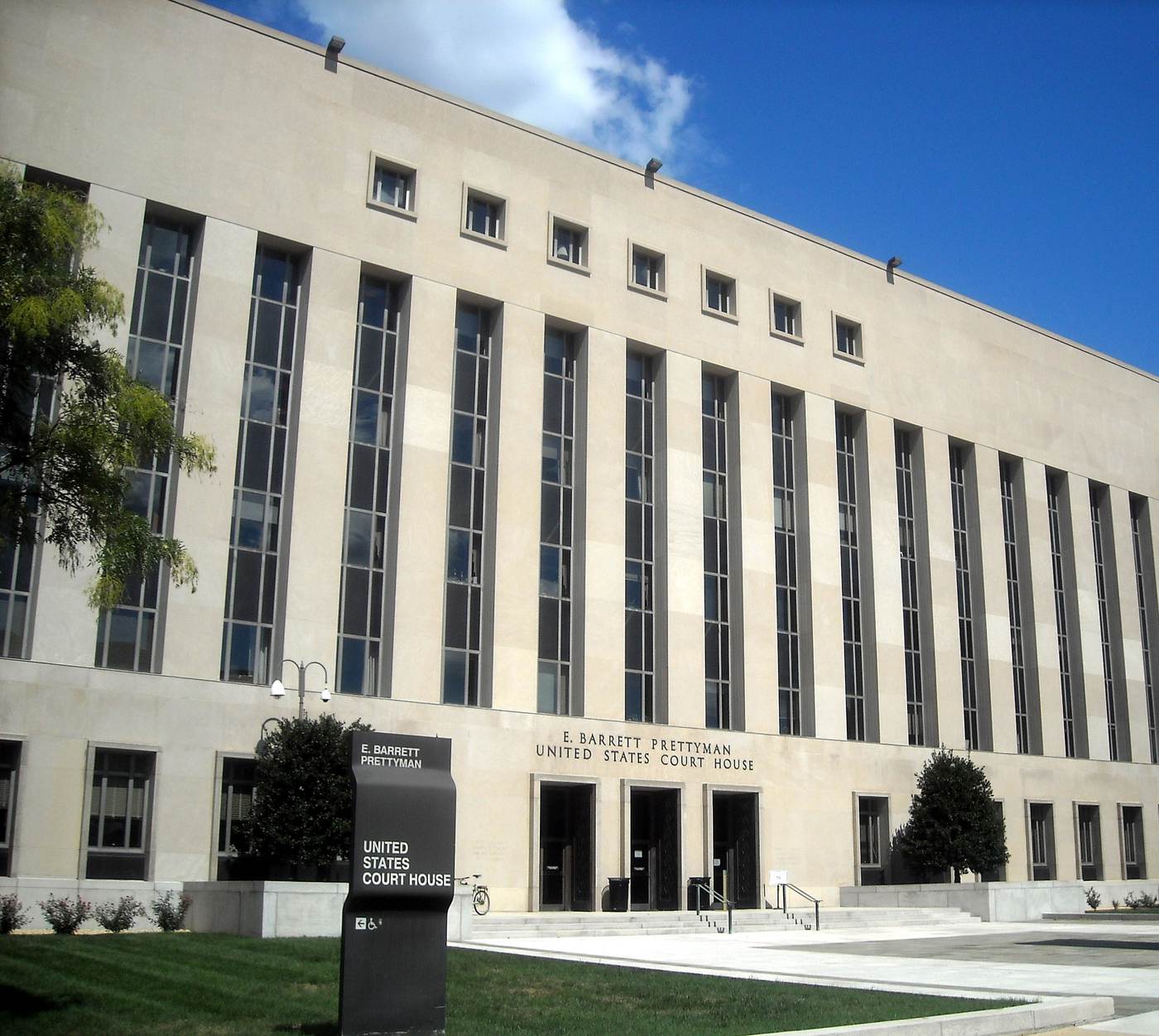
What Judge Kelly actually ordered — and why it stung
A temporary restraining order is extraordinary relief. Plaintiffs must persuade a court that they are likely to succeed, face irreparable harm and deserve intervention before the full case is decided. Kelly did not minimize that burden. “This is a high bar, but Plaintiffs have met it,” he wrote.
His clearest conclusion was procedural: the outlets were likely to show that the administration violated due process when it removed established hard passes without sufficiently clear standards and a meaningful opportunity to respond. The White House had invoked “objectionable reporting.” Kelly called that standard “so vague it hardly does the trick.”
The judge also rejected the national-security explanation on the evidence before him. “The record lacks factual support” for the claim that returning the passes would endanger national security, he found. Trump himself had originally described the ban as a response to “false or negative coverage” and “FICTION and LIES,” language that made a later security rationale harder to separate from punishment for journalism.
The history adds weight. Trump nominated Kelly in 2017. A year later, Kelly ordered the administration to restore CNN correspondent Jim Acosta’s access in a similar hard-pass dispute. The irony is obvious, but the legal point is more important: the executive branch has now been reminded twice by the same judge that a regular credentialing system cannot be administered without intelligible rules and basic process.
Why this matters: a court order meets the gate
This is no longer only a press-access dispute. It is a live stress test of whether a federal court order binds the executive branch in real time. A temporary restraining order means little if compliance is measured in press cycles rather than hours, because a missed briefing, arrival or diplomatic exchange cannot be recreated after the fact.
The confiscated-credentials detail matters for the same reason. It converts an abstract constitutional contest into something physical and visible: a gate, an agent and a badge. Law did not fail Thursday morning, but it briefly had to catch up with the machinery of access.
The timing amplified the stakes. The delay unfolded during Xi Jinping’s visit with Trump and the United Nations General Assembly, precisely when the administration most wanted disciplined coverage of diplomacy and when excluded reporters had the strongest need to observe events directly. The issue was never guaranteed entry to every room. It was eligibility to work under the same neutral security and scheduling rules as peers.
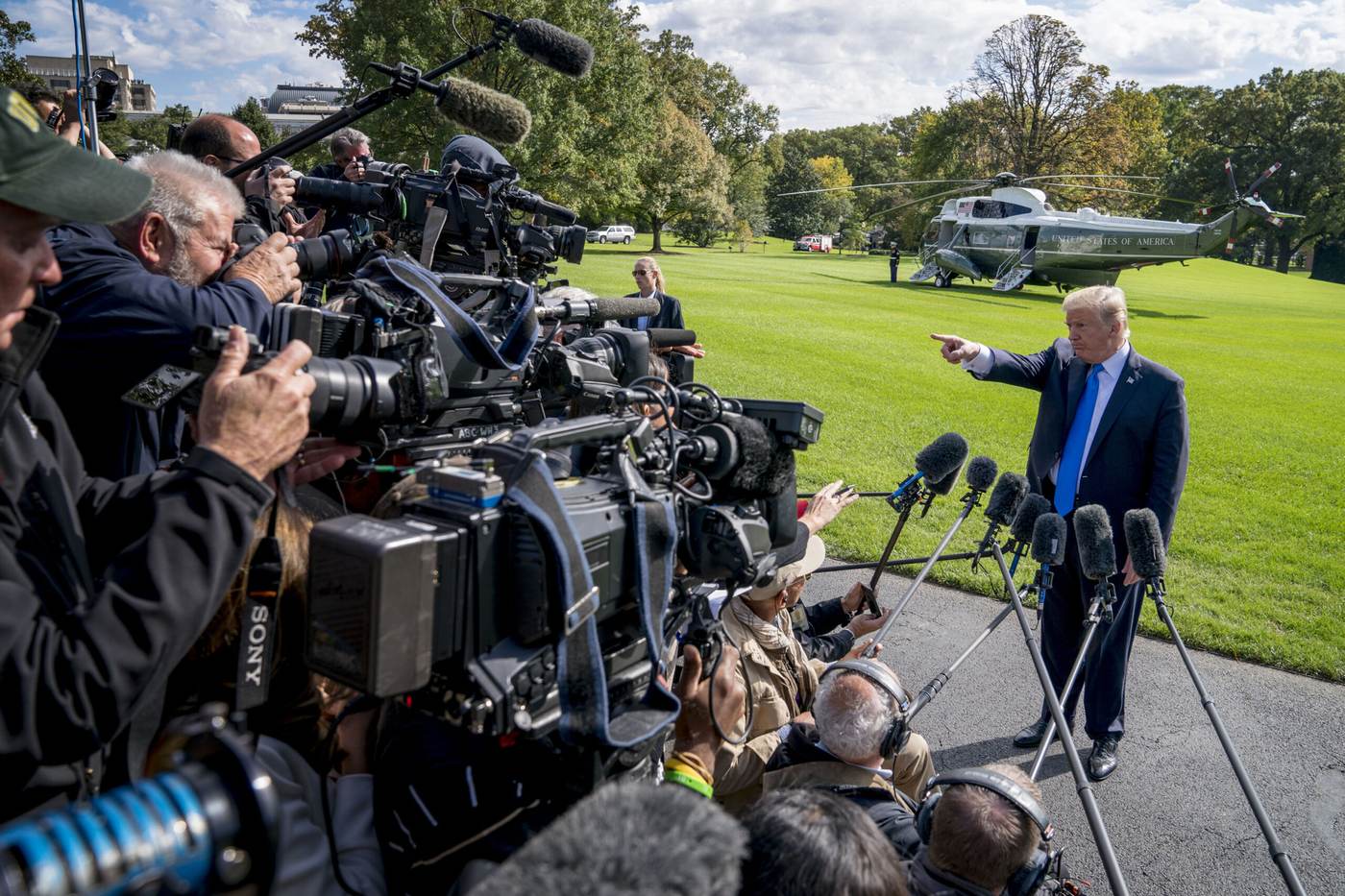
How we got here: a six-day escalation
Friday, September 18: Trump announced that CNN, MS NOW and Politico would be barred, branding them “fake news.” Signal Post News examined the original White House press ban and its First Amendment stakes.
Monday, September 21: the three organizations sued in federal court in Washington, alleging First Amendment and due-process violations and asking for emergency relief.
Wednesday, September 23: Kelly heard arguments about access, security and whether “objectionable reporting” could function as a real standard. Our hearing analysis traced that confrontation.
Early Thursday, September 24: Kelly entered the 14-day order. Our first report explained why the judge blocked the Trump media ban. Thursday morning brought the standoff; Thursday afternoon brought reinstatement.
Who benefits, who loses, what the critics say
The outlets gain a court-validated reprieve and access during the most valuable part of the lawsuit: now. They also lost a morning of coverage during an unusually heavy news cycle. A constitutional remedy delivered after the event cannot recover questions that were never asked or observations never made.
The White House gains little from the delay except 14 days of questions about what might be called compliance theater. Every future credential dispute will now be read against Thursday morning. Was a delay technical, bureaucratic or punitive? The administration will bear pressure to document its steps with unusual precision.
Press-freedom advocates see vindication and warning in the same episode: a court recognized the outlets’ claim, but access still depended on implementation. Administration supporters see a judge overruling the president’s authority over his own grounds and may argue that courts are intruding into sensitive security operations. The balanced view keeps fact and inference apart. The order, morning blockage and afternoon reinstatement are established; intent versus confusion in the delay remains genuinely unresolved.
What happens next in the First Amendment Trump press lawsuit
First, the 14-day clock runs. Unless the order is extended or replaced, the underlying lawsuit proceeds toward a fight over whether the government may revoke hard passes for “objectionable reporting” at all, and whether improved procedure could cure a decision allegedly driven by viewpoint.
Second, the administration can appeal or write clearer rules. Kelly explicitly demanded standards that give journalists notice of what conduct can cost them access. Clear security and conduct rules are easier to defend than labels aimed at coverage officials dislike.
Third, another delay could raise contempt risk. The outlets have shown that they will return to the judge immediately if compliance lags again. Contempt is not automatic, especially where intent is disputed, but the morning filing created a record the court can compare with future conduct.
Finally, the chilling effect may outlast the order. Smaller organizations will watch how this ends before deciding whether to spend money challenging exclusions of their own. A victory that requires emergency litigation can still deter newsrooms without comparable legal resources.
The Thursday sequence therefore closes only the first act. CNN, MS NOW and Politico are back inside. The larger question — whether presidential access rules will be based on security and conduct or on approval of coverage — remains before the court.
Sources
- Associated Press: Kelly’s order and the outlets’ emergency filing after reporters remained blocked
- Reuters: badge confiscation, the White House reinstatement timeline and Thursday afternoon access
- First Amendment Watch / Associated Press: reporters still blocked after the court order
This is a fixed September 24, 2026 reporting snapshot. The immediate sequence is established by the cited reports and filings. Whether the morning delay was intentional defiance or operational confusion was not resolved at publication.