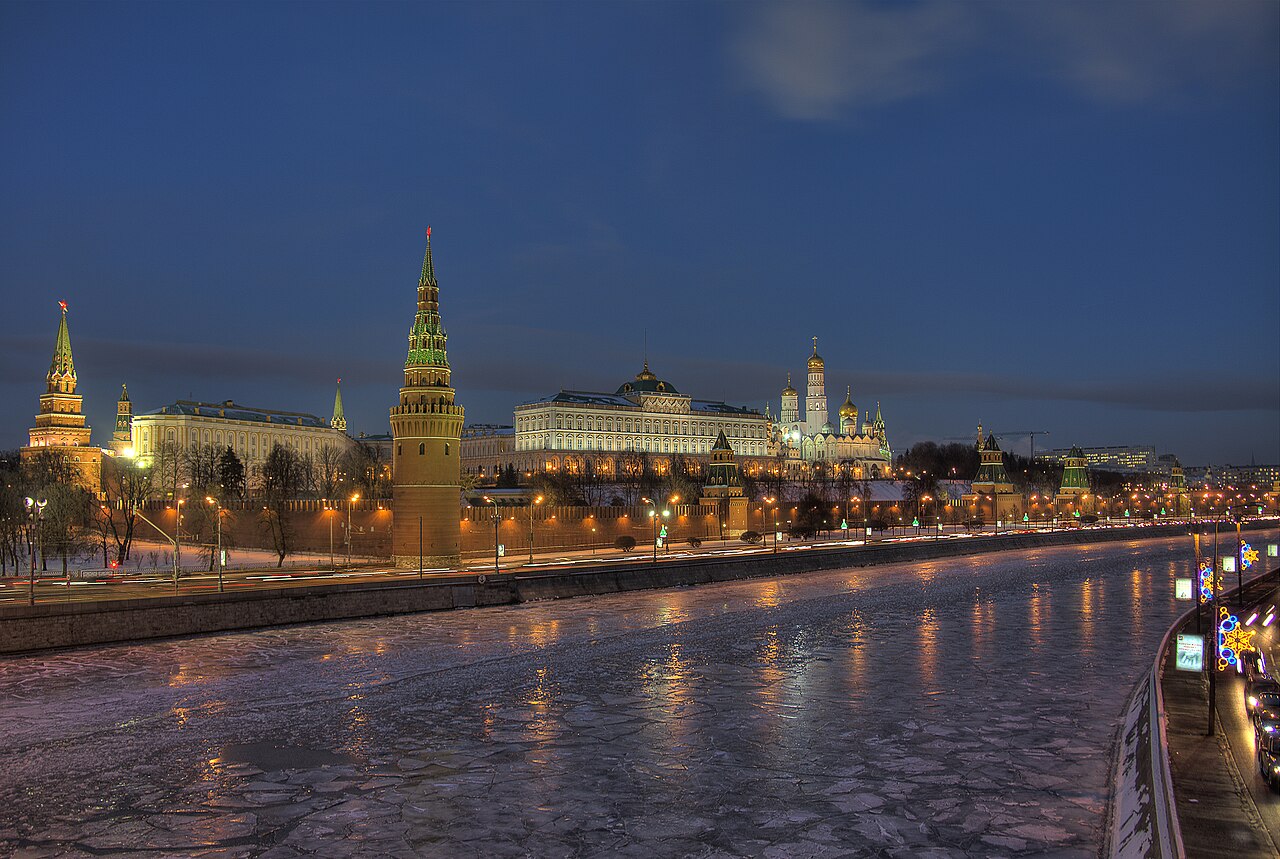
The operation matters because its reported scale, Moscow-area targets and timing on the final day of Russia’s parliamentary election connected military pressure, energy disruption and domestic politics in one event.
What happened, as best we know it
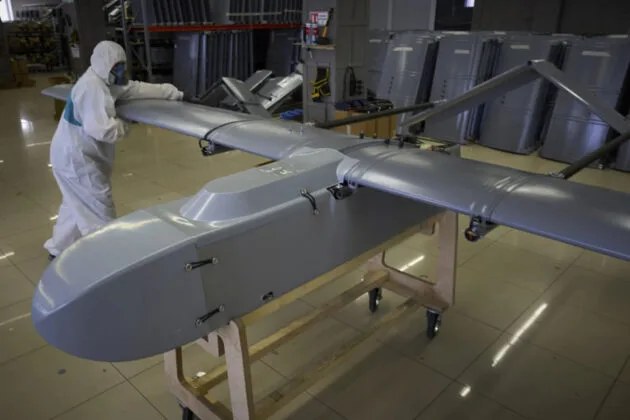
Ukrainian and Russian accounts agreed that the operation was unusually large, but their figures remain claims by parties to the war. The Associated Press reported that Ukrainian forces fired more than 1,000 drones at Russia overnight into Sunday, September 20, including hundreds toward Moscow, as Russia concluded three days of parliamentary voting. Russia's Defense Ministry said its forces intercepted 1,100 drones nationwide, including over Crimea and the Black Sea; CNN relayed a ministry figure of 1,110. Those totals have not been independently verified. Moscow Mayor Sergei Sobyanin said 450 drones were destroyed en route to the capital and reported that the Moscow Refinery and a residential building were hit. Governor Andrei Vorobyov of the wider Moscow region said two people were killed — a 74-year-old man and a 44-year-old woman — and 20 were wounded.
Volodymyr Zelenskyy, writing on social media, confirmed Ukraine was behind it and said Kyiv had used a mix of missiles and drones, including the country's domestically made Flamingo and Pelican missiles, aimed at oil and logistics facilities. "These are billions of dollars that sustain the war machine," he said, pointing at the financial pressure Ukraine hopes to put on Russia's economy.
Russia also launched strikes on Ukraine overnight into Sunday. In the Kyiv region, four people were killed, including three children — a mother and her two three-year-old children died when a drone hit their private home, and a girl died in hospital after a separate strike, according to Kyiv regional authorities and Reuters. Zelenskyy said Russia had launched more than 2,000 attack drones, 1,700 aerial bombs and 19 missiles against Ukraine during the week; those figures have not been independently verified.
Why this matters
The reported scale suggests that Ukraine’s long-range campaign has moved beyond isolated raids toward coordinated operations involving larger numbers of systems. That changes the burden on Russian air defenses even if most incoming weapons are intercepted, because a small share penetrating a large wave can still damage infrastructure or civilian property.
Ukraine’s use of domestically produced systems, including weapons Zelenskyy identified as Flamingo and Pelican missiles, also reduces its dependence on allied restrictions governing supplied arms. That gives Kyiv more operational autonomy, but it does not settle questions about effectiveness, escalation risk or civilian harm. The launch and interception totals remain claims by belligerents rather than independently audited counts.
Moscow is far from the front line, and an attack on the final day of voting challenged the Kremlin’s effort to present the war as contained. Sobyanin called the operation an attempt to disrupt the election and said it failed; his description of it as the largest attack on Moscow to date nevertheless acknowledged its unusual scale. The political meaning is analytical, while the reported damage and official statements are factual claims that require separate evaluation.
The economic effects are also relevant. The Moscow Oil Refinery is one of the country's largest by volume. Earlier this month, Reuters calculated that half of Russia's six top diesel-producing refineries had significantly reduced or halted output in September after Ukrainian drone attacks. Diesel prices reached record levels, Russia restricted most fuel exports, and shortages were reported across several regions. The overnight strike is consistent with Kyiv's stated effort to reduce the revenue and logistics capacity supporting Russia's military operations, though the extent to which refinery attacks caused the wider price and supply changes remains uncertain.
How we got here
The operation followed weeks of Ukrainian strikes on Russian energy infrastructure, including facilities in Saratov, Kirishi, Perm, Tatarstan and Ryazan. Reuters reported that a key Kirishi processing unit representing nearly 40 percent of capacity was shut. Donald Trump publicly urged Zelenskyy on September 14 to stop targeting Russian refineries, arguing that the attacks were contributing to record diesel prices and wider economic costs. His intervention is evidence that the campaign had become a diplomatic issue; it does not by itself establish how much of the price move the strikes caused.
Russian aerial attacks on Kyiv had continued for much of the preceding month. Along the roughly 1,250-kilometer front, both forces were making extensive use of drones while territorial movement remained limited. That operational setting helps explain the increased emphasis on long-range strikes, though one night's attack does not by itself establish a permanent change in strategy.
The timing added a political dimension. Russia was holding its first wartime parliamentary election — three days of voting from September 18 to 20 in a system where opposition access was heavily restricted and the governing party was expected to remain dominant. On Saturday, Russia's Central Election Commission reported "strong" cyberattacks on the Moscow online voting system and a sabotage attempt on Far East communications. Kyiv has said it seeks to make the costs of war visible inside Russia and increase pressure for negotiations. The attack's timing was consistent with that stated objective, but available reporting does not establish the specific intent behind the target schedule.
Who wins, who loses
Ukraine gains evidence that its domestic weapons industry can support larger long-range operations without relying entirely on allied-supplied systems. Kyiv also gains leverage if refinery disruption reduces Russian fuel output or forces defensive resources away from the front. Those potential advantages must be measured against the risk of retaliation, civilian casualties and diplomatic pressure from partners concerned about energy prices.
Civilians bear the clearest loss: Moscow-area authorities reported two deaths and 20 injuries, while Russian strikes on the Kyiv region killed four people, according to Ukrainian authorities and Reuters. Russian air-defense planners face a resource problem when large waves create multiple paths to penetration. Energy consumers also face greater uncertainty if refinery outages reduce supply, though the size and duration of that effect depend on repair times, inventories and export policy.
The operation also complicates diplomatic efforts. Donald Trump spent the spring and summer pressing for a settlement. With the U.S.-Israeli war on Iran already affecting fuel markets, additional disruption to Russian refining could add to price pressure. Russia has previously responded to Ukrainian long-range attacks with strikes on Ukrainian cities and infrastructure, but the timing, scale and targets of any response cannot be predicted from the available evidence.
What the numbers actually mean
In the early years of the war, large Ukrainian drone attacks on Russia were generally reported in the dozens; later Moscow-directed waves were reported in the low hundreds. Sobyanin's claim that 450 drones were intercepted en route to the capital would make this operation substantially larger, but neither that figure nor the national total has been independently verified. In general, a larger wave can produce more penetrations even at a high interception rate, while also imposing higher defensive costs. Evidence of sustained Ukrainian production capacity would require repeated operations at a similar scale, not one reported total.
The reported casualties—two dead and 20 wounded in the Moscow region, and four dead in the Kyiv region—are lower than many frontline episodes but politically salient because one attack reached the capital while the other killed children near Kyiv. That does not make one civilian death more valuable than another; it shows how location changes the attention and political pressure an incident generates.
The economic indicators may be the more durable measure: disruptions at half of Russia’s largest diesel-producing refineries, reported daily output reductions approaching one-fifth on some days, record diesel prices and export restrictions. Together they show pressure on the refining system, but they do not establish that Ukraine’s campaign alone caused every price or supply change.
What happens next
Three broad paths are plausible, and the evidence available on September 20 does not establish which one will dominate.
The first is further retaliation. Russia has often answered Ukrainian deep strikes with attacks on Ukrainian cities and infrastructure, but the timing, scale and targets of any response cannot be known in advance. The relevant indicators are changes in strike volume, target selection and official rules of engagement—not speculation about worst-case scenarios.
The second is an effect on negotiations. Kyiv has said it wants to increase the costs of the war for Russia and strengthen its bargaining position. Attacks near the capital and disruptions to fuel supply could add political and economic pressure, while Russian officials may cite the election result as evidence of continued public support. It is not yet possible to determine whether those pressures will change either side's negotiating position.
The third is continuation without a decisive change: both sides absorb the attacks, adapt their defenses and sustain long-range operations. Under that scenario, aerial alerts and infrastructure strikes become more frequent without producing a breakthrough or an agreement. The duration of such a pattern would depend on production capacity, economic strain, political decisions and outside support; the current evidence does not establish which factor would end it.
The strongest conclusion from this reporting snapshot is narrower: large-scale, domestically supplied drone operations can impose military, economic and political costs far from the front, while also increasing risks to civilians and escalation management. Future reporting should test the official launch totals, refinery repair timeline, Russian response and whether the operation changes negotiations or merely raises the intensity of a prolonged air war.
Sources
Associated Press (via WAMC/NPR): "Ukraine fires over 1,000 drones at Russia, including hundreds launched at Moscow" — September 20, 2026: https://www.wamc.org/2026-09-20/ukraine-fires-over-1-000-drones-at-russia-including-hundreds-launched-at-moscow
CNN: "Moscow targeted by 'largest ever' drone attack on final day of Russia's parliamentary election" — September 20, 2026: https://www.cnn.com/2026/09/20/europe/moscow-ukraine-attack-russia-election?cid=external-feeds_iluminar_meta
Reuters: "Russian drone attack kills three children and a woman in Kyiv region" — September 20, 2026: https://www.reuters.com/world/europe/russian-drone-attack-kills-three-children-woman-kyiv-region-2026-09-20/
Bloomberg (via Rigzone): "Trump Demands Russian Refineries Be Spared as Diesel Surges" — September 14, 2026: https://www.rigzone.com/news/wire/trump_demands_russian_refineries_be_spared_as_diesel_surges-14-sep-2026-184603-article/
Reuters: "Drone attacks disrupt Russia's major diesel refineries and fuel supply" — September 15, 2026: https://www.thehindubusinessline.com/markets/commodities/half-of-russias-top-diesel-refineries-cut-or-halt-output-after-drone-attacks/article71467488.ece/amp/