Permanent daylight saving time
permanent daylight saving timeSunshine Protection Act 2026No More Changing of Clocks ActTom Cotton daylight savingwhen do clocks fall back 2026fall back November 1 2026daylight saving time Senate voteH.R. 139 daylight savingdaylight saving time health effectsclock change crime statistics
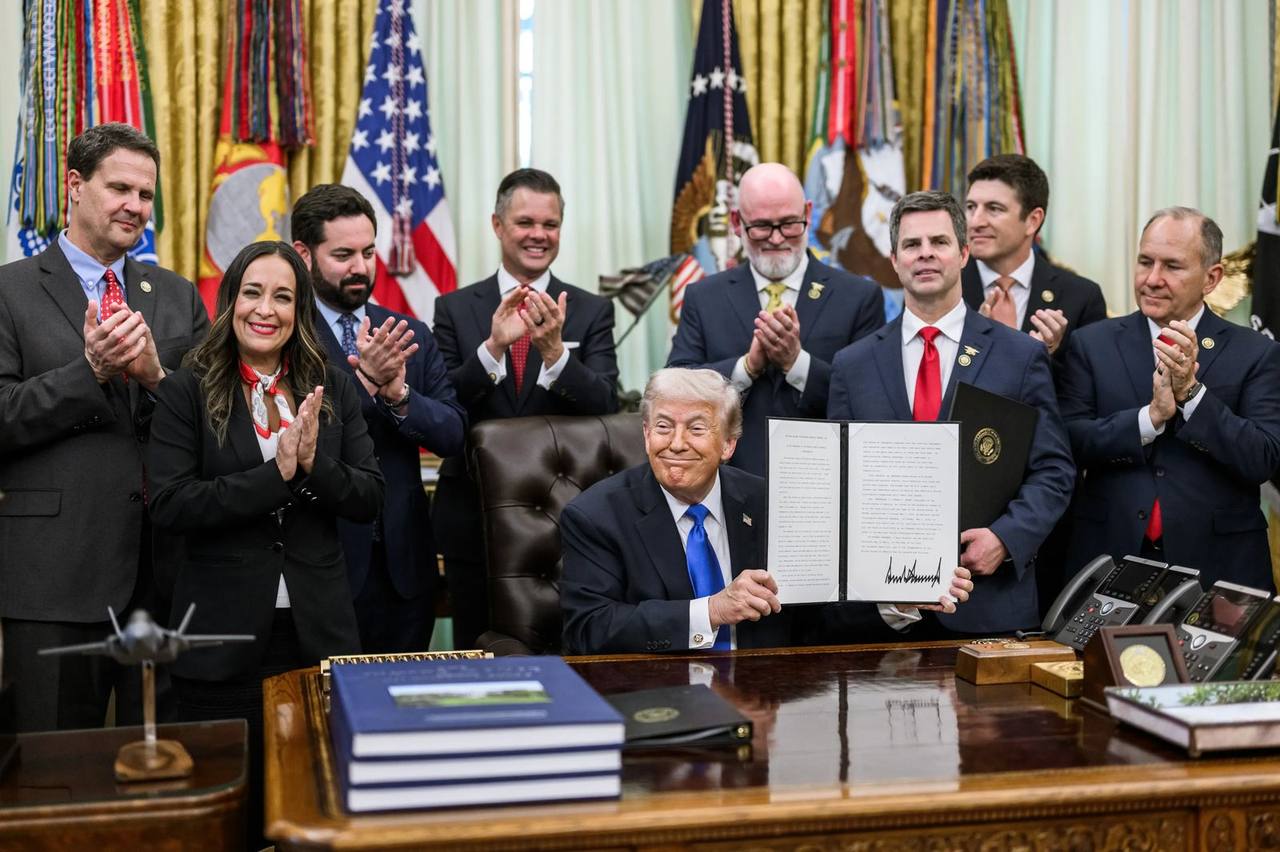
WASHINGTON — President Donald Trump publicly named Sen. Tom Cotton, the Arkansas Republican, as the lone Senate holdout blocking permanent daylight saving time in an after-midnight Truth Social post Friday, escalating a long-running policy argument just weeks before Americans change their clocks again.
Trump called the Sunshine Protection Act his “No More Changing of Clocks Act,” said Cotton was holding it up “for reasons unknown,” and wrote that “People are sick and tired of having to change their Clocks twice a year.” The post made a procedural fact personal: Cotton's objection prevents the Senate from repeating the unanimous-consent route it used in 2022.
The timing closes the immediate window. The House passed H.R. 139 by 308–117 on July 14, 2026, with support from both parties. But the Senate adjourned Wednesday and is not expected back until after the November 3 midterms. Unless an extraordinary return occurs, clocks will fall back at 2 a.m. local time on Sunday, November 1.
Why this matters
This is not chiefly a fight over whether Americans dislike resetting clocks. It is a choice about where winter daylight belongs. Permanent daylight saving time moves an hour of light from morning to evening. That is attractive to commuters leaving work, families seeking time outdoors, restaurants serving after-work customers, retailers, tourism operators and sports organizers. It is costly to people who must begin the day before sunrise.
Trump argued that later light could reduce robbery and murder, lower car crashes — especially those involving pedestrians — ease cardiac problems, stroke risk and seasonal depression, make walks home from school safer, add family time, support fitness and tourism, and cut energy bills. He also name-checked PGA Commissioner Brian Rolapp, saying winter golf tournaments can run out of usable sunlight.
Those claims combine plausible mechanisms with contested evidence. More light during the active evening period can change traffic, recreation and shopping patterns. But the clocks do not create daylight; they reassign it. The strongest version of Trump's case therefore depends on whether moving exposure toward evening produces more benefit than the darker-morning cost, and that balance differs dramatically by latitude, location within a time zone and daily schedule.
Background: America has tried this before
The 1974 precedent
Congress imposed year-round daylight time in January 1974 during the oil crisis, hoping later light would conserve energy. The experiment became a warning in today's debate. Public enthusiasm fell as children waited for buses and traveled to school before sunrise. Congress shortened the plan that fall, and seasonal clock changes returned. Cotton points to that reversal as evidence that a popular idea can feel very different in a dark January morning.
The 2022 Senate passage and the 2026 House vote
The Senate passed an identical Sunshine Protection Act by unanimous consent in 2022, but the House did not complete the measure. This time the chambers have reversed roles: H.R. 139 cleared the House on July 14, 2026, by 308–117 and moved to the Senate, where no floor vote has been scheduled.
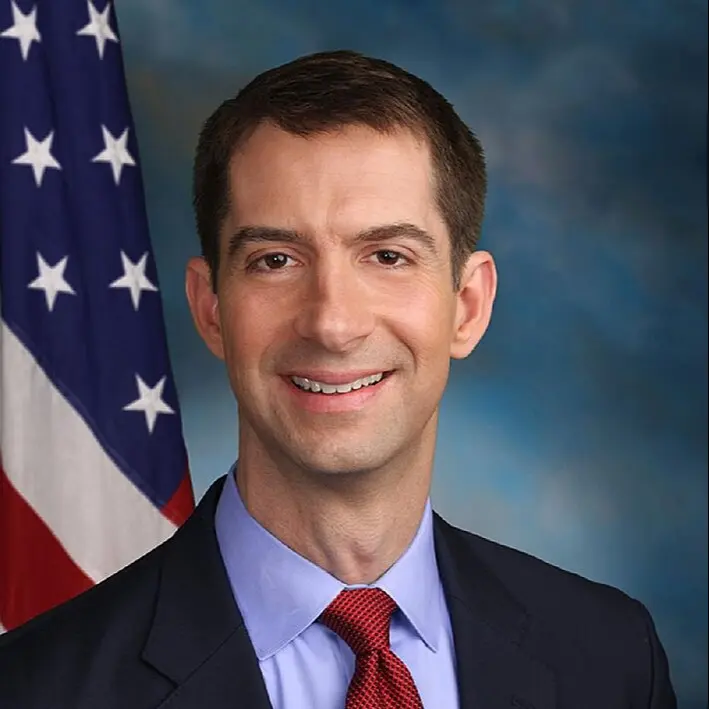
Unanimous consent is fast but fragile; one senator can object. Cotton's declared opposition closes that route. Regular order would require committee action or leadership time, followed in practice by 60 votes to end debate. Cotton has said those votes are unlikely. Asked about the threshold, Senate Majority Leader John Thune said it “remains to be seen.” A Hill aide told NBC News that Cotton's opposition has bipartisan company, which undercuts the idea that one changed mind would automatically deliver final passage.
Who benefits — and who loses
Evening-light winners
Later sunsets would give many nine-to-five workers and students usable daylight after their obligations end. Retailers, restaurants and attractions can benefit when people stay out longer. Youth sports and golf gain scheduling room. Pedestrians walking home after school or work may be more visible during the evening peak, and people who exercise after work would have more daylight in which to do it.
Supporters also argue that eliminating the twice-yearly transition removes a brief but measurable disruption to sleep and schedules. That is a case against clock changes, however, not automatically a case for daylight time rather than standard time. The policy question has two stages: stop switching, then choose which clock to keep.
Northern and western-edge losses
Cotton's counter-case is concentrated in winter mornings. Permanent daylight saving time would create what he calls “absurdly late” sunrises, leaving children traveling to school in darkness and complicating work for construction crews, farmers and others whose jobs depend on morning light.
Sleep specialist Karin Johnson told the Senate that the latest winter sunrise under permanent daylight time would reach 9:18 a.m. in Pierre, South Dakota; 9:13 in Helena, Montana; 9:07 in Indianapolis; 9:02 in Detroit; and 8:58 in Seattle. Cities on the western edge of a time zone are hit hardest because solar noon already arrives late by the clock.
Sleep researchers generally favor permanent standard time because morning light anchors circadian rhythms and helps the body wake, while evening light can delay sleep. Ending the transitions may reduce short-term disruption, but permanent daylight time could impose a chronic mismatch for early schedules. The politics are therefore not simply convenience versus science: families and workers experience different risks depending on geography and start times.
The numbers
308–117: the bipartisan House vote for H.R. 139 on July 14. 60: the number of Senate votes likely needed for cloture if unanimous consent remains blocked. 19: the number of states with legislation positioned to stop seasonal clock changes once federal law allows. Arizona and Hawaii already do not observe daylight saving time.
November 1: the morning most of the country will turn clocks back in 2026. The Senate's recess through the election makes that change effectively certain. November 3: midterm Election Day, after which lawmakers are expected to return.
The winter tradeoff is visible at sunset as well as sunrise. Under the current return to standard time, sunset on the December 21, 2026 winter solstice is 4:31 p.m. in New York City and 4:49 p.m. in Washington, D.C. Permanent daylight saving time would move each to roughly an hour later — while moving sunrise an hour later too.
The five city sunrise examples span 20 minutes, from Seattle's 8:58 a.m. to Pierre's 9:18 a.m. They are not edge cases in the abstract: they encompass state capitals and major metropolitan areas where school transportation and commuting systems are built around fixed clock times.
What happens next
First comes the November 1 fallback. Most Americans should set clocks back one hour at 2 a.m. local time; current federal law remains unchanged. Arizona and Hawaii continue under their existing exemptions.
The next legislative opportunity is the lame-duck session after the November 3 midterms. Trump's decision to single out Cotton raises the political cost of objecting, but it does not create floor time or 60 votes. A leadership decision to force a recorded vote would reveal the coalition on both sides, yet a crowded post-election agenda makes passage uncertain.
If Congress eventually enacts H.R. 139, states would retain an opt-out route to remain on standard time. That matters because a single national clock rule produces sharply different sunrise outcomes. The 19 states with trigger laws or legislation ready for federal permission could move quickly, although the result might become a patchwork rather than one uniform national schedule.
The durable compromise may be ending clock changes while allowing regional choice, but that creates its own border problems for schools, employers, broadcasters and transportation. Trump's pressure campaign has made the holdout visible. It has not resolved the underlying argument: extra evening light is popular, while dark winter mornings are locally concentrated and politically potent.
Sources
- New York Post: Trump names Cotton and details the Senate timing, sunset figures and arguments
- Washington Examiner: Trump's renewed Sunshine Protection Act push
- USA Today: when daylight saving time ends in 2026 and the bill's status
- TechTimes: Senate procedure, state opt-outs and legislative background
- President Trump's after-midnight October 2 Truth Social post, the leader-post source for his quotations and claims.