Trump mail-in voting reversal
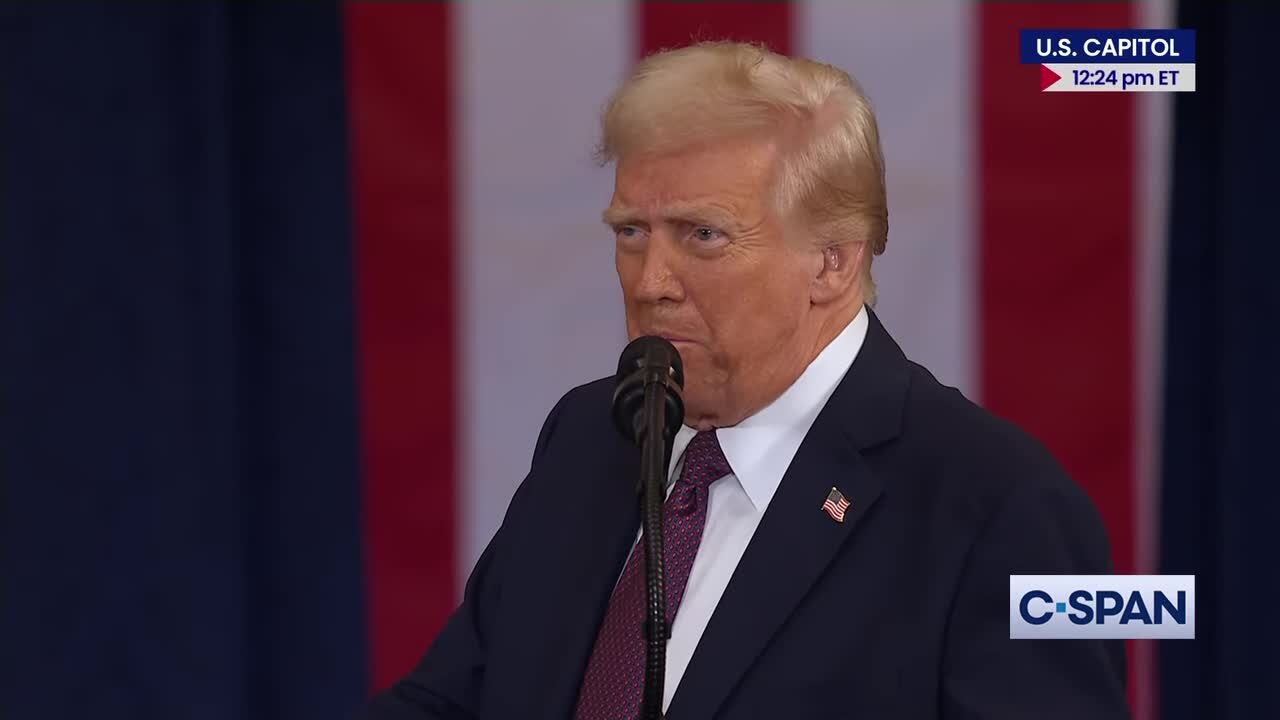
WASHINGTON — The Trump mail-in voting reversal is no longer implied by campaign mechanics: President Donald Trump is now telling supporters to vote by mail in the November 3 midterms. That is a sharp turn for a politician who made mail ballots central to false claims that fraud caused his 2020 defeat. The immediate explanation is practical. Republicans fear that treating one lawful voting method as suspect may discourage their own voters, especially in rural areas where distance, work schedules and weather can make early or mailed ballots decisive.
What he said: the video and the White House remarks
Trump urges supporters to vote by mail
In a campaign video released Saturday, October 3, Trump said: “Vote early, vote by mail or vote in-person on Election Day, November 3rd, so we can defeat the radical left ‘Dumocrats’ in a midterm victory that is too big to rig.” The wording preserves his familiar suggestion that only an overwhelming result can be trusted, but the instruction itself is unmistakable: bank the vote by whichever legal method is available.
Two days later, before leaving the White House for a rally in Grand Island, Nebraska, Trump reinforced the change. Supporters “can vote by mail if they want, because we seem to have no choice because a lot of people want to vote by mail, but a lot of very good people also want to vote in-person. You can do either,” he said, while adding that he personally prefers voting in person. Reuters reported the remarks on October 6; States Newsroom's North Dakota Monitor also documented the switch.
Why this matters
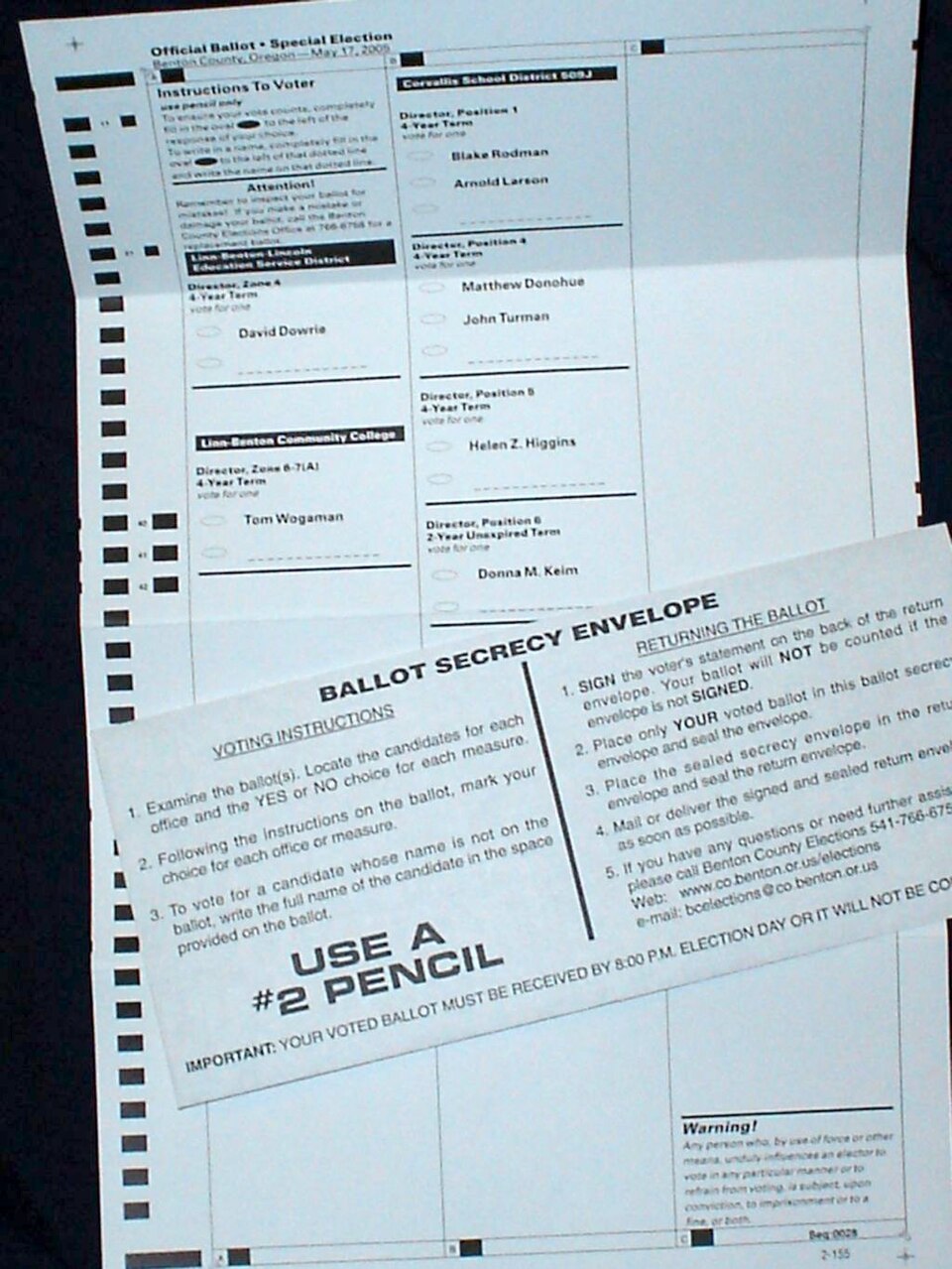
The scale of the reversal is strategic, not semantic. For years, Trump's rhetoric encouraged Republican voters to distrust mailed ballots while Democrats built programs around early and absentee voting. Campaign professionals on the right have long argued that this creates an avoidable gap: Democrats can secure votes over several weeks, while Republicans become more dependent on a single Tuesday and vulnerable to illness, work conflicts or severe weather.
The administration also tried to tighten mail-voting rules through the Postal Service heading into the midterms. In September, the Supreme Court declined to allow those changes to be enforced. That left the White House with a choice between continuing a losing procedural fight and competing under the rules in place. The new instruction reflects the second course.
Midterm math supplies the urgency. Losing either chamber would complicate Trump's legislative agenda and give Democrats committee power to investigate the White House. A Democratic House would also face pressure from parts of its base to pursue impeachment, even though any Senate conviction would require a much higher threshold. Mail voting is therefore less an abstract institutional argument than a turnout instrument with consequences for the balance of power.
How we got here: a decade of mail-ballot warfare
From 2020 fraud claims to the 2025 elimination vow
Trump's conflict with mail voting hardened during the 2020 pandemic election, when states expanded absentee access and election officials processed unprecedented volumes of mailed ballots. After losing, he claimed fraud involving mail ballots had cost him the presidency. Courts, state officials and his own administration found no fraud on a scale capable of changing the result. The distinction remains essential: isolated election offenses occur, but the sweeping claim about the 2020 outcome was false.
His position was never perfectly consistent. In 2024, Trump sometimes encouraged supporters to vote early and by mail, and he has voted by mail himself. Yet in August 2025 he vowed to lead a movement to “ELIMINATE” mail-in voting. The September 2026 Supreme Court refusal to activate the administration's Postal Service rules then narrowed the available path before the midterms.
This history is why the Trump vote by mail 2026 message carries friction. It does not erase the mail-in ballot fraud claims Trump made, and it does not resolve whether he would again challenge the legitimacy of late-counted mail ballots in a close race. It does show that campaign incentives can override a long-running rhetorical position.
Who gains, who loses — and what the critics say
Republicans mail-in voting turnout
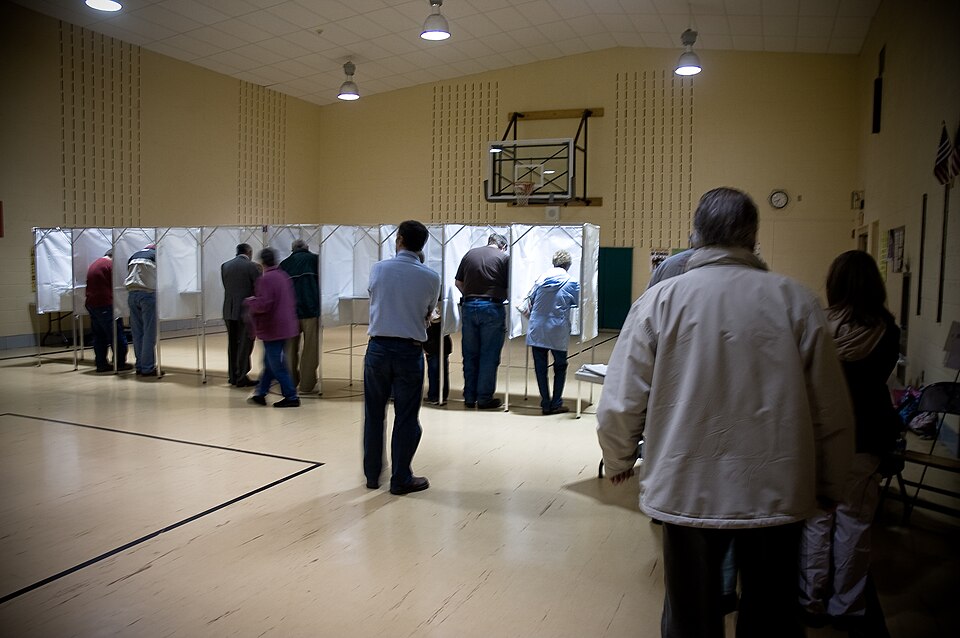
Rural conservatives may gain most immediately. A mailed ballot reduces the cost of reaching distant polling places and lets voters avoid a last-minute disruption. Military voters also stand to benefit from a broader party endorsement of absentee voting. Defense Secretary Pete Hegseth directed that service members receive a day off to vote, while Vice President JD Vance campaigned in Alaska on Monday and the White House sent voter-registration emails through a government account. Together, those moves describe an administration treating turnout as an all-of-government priority.
The political cost falls partly on Trump's “stop the steal” constituency. Some supporters accepted his earlier argument that mail voting was inherently suspect. Asking them to use it now may create confusion or deepen mistrust if ballots take days to count. The current dispute over early-mailed Maricopa County ballots illustrates how quickly routine administration can become a national political grievance.
Democrats' cynical reading is that Trump has changed only because Republicans are behind: a method described as corrupt is suddenly acceptable when his party needs it. Republicans' necessary reading is that refusing a legal voting channel amounts to unilateral disarmament, whatever reforms they still favor. Election administrators take a third view. They generally want consistent instructions, sufficient processing time and rules that do not change close to Election Day. A late partisan turn can improve participation while also increasing suspicion if leaders continue to pair “vote by mail” with claims that the system is rigged.
What the numbers say
Reuters/Ipsos poll October 2026
A Reuters/Ipsos poll completed Monday, October 5, put Trump's approval at 32 percent, matching the record low he reached in September. Among registered voters, Democrats led Republicans 44 percent to 37 percent in preferences for Congress. Independents leaned Democratic by 37 percent to 21 percent, while 28 percent remained undecided. Those figures explain the campaign's appetite for every available turnout tool, but they do not predict individual races; district boundaries, candidate quality and state-level conditions can produce results different from the national mood.
High gasoline and diesel prices were the top voter concern in the survey, tying the voting shift to the economic pressure surrounding the White House's consideration of a federal gas-tax suspension. The same Nebraska-rally news cycle also carried Trump's comments about Iran and California, examined in our report on his Los Angeles and San Diego remarks. The issues are different, but the campaign frame is shared: energy costs, national security and turnout are being bundled into one closing argument.
What happens next
Three tests before November 3
First, watch mail-ballot requests and returns in Republican-leaning rural counties. If the message is working, GOP campaigns should see earlier participation from voters who previously planned to wait. Second, watch whether Trump's rhetoric stays coherent. Encouraging mail ballots while attacking the counting process could undermine the very behavior the party is trying to change. Third, watch administrative pressure points: rejection rates, signature-curing deadlines, Postal Service delivery times and partisan lawsuits.
Three scenarios follow. In the first, Republicans normalize mail voting quickly enough to narrow Democrats' early-vote advantage, and Election Day becomes less of a one-shot operation. In the second, the message arrives too late or conflicts with years of distrust, producing only a modest change. In the third, Republicans use mail voting more heavily but contested close races revive allegations about the same system, leaving the party tactically adapted but rhetorically divided.
The reversal may be remembered as ordinary campaign pragmatism, or as a deeper recognition that voting method is not voter allegiance. The evidence before Election Day will be behavioral, not verbal: whether supporters request ballots, return them on time and accept the count. For now, Trump has made the central contradiction explicit. He still prefers the booth, but he no longer wants Republicans to leave a vote uncast merely because it arrives in an envelope.
Sources
- Reuters, Gram Slattery, October 6, 2026: Trump urges supporters to vote by mail despite earlier fraud claims
- North Dakota Monitor / States Newsroom, October 5, 2026: Trump drops longtime aversion to mail-in voting
- White House remarks before departure for Grand Island, Nebraska, October 5, 2026.
- Trump campaign video on voting methods, October 3, 2026.
- Reuters/Ipsos national poll completed October 5, 2026, as reported by Reuters on October 6.