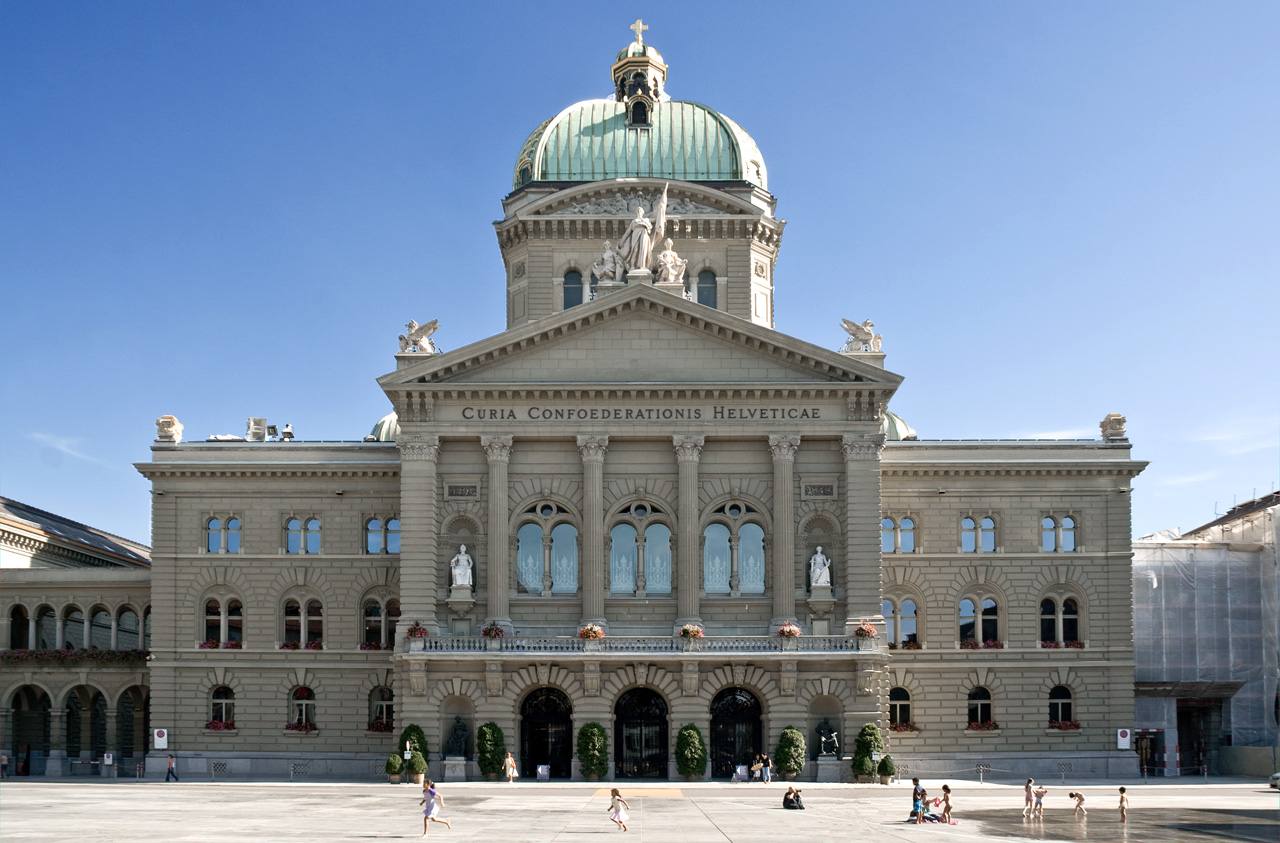
Swiss voters on Sunday rejected a proposal to lock a strict definition of neutrality into the constitution, dealing a decisive defeat to the country's largest party and preserving the government's freedom to impose economic sanctions and cooperate with NATO. Final results from the Federal Statistical Office showed about 70 percent voting against the initiative, with not a single canton backing it — a margin far wider than even late polls had predicted.
The vote answers a question that has divided Switzerland since 2022: does the country's 211-year-old neutrality still work the way the government has been practising it? A clear majority of Swiss said yes — they trust the flexible approach that kept them out of both world wars, but they also approve of the sanctions Bern imposed on Russia after the invasion of Ukraine. What they rejected was an attempt to freeze neutrality into an inflexible legal cage.
The "Safeguarding Swiss neutrality" initiative, organised by the sovereigntist group Pro Switzerland and championed by the right-wing Swiss People's Party (SVP), would have defined Swiss neutrality in the constitution as "perpetual and armed." In practical terms, it would have barred Switzerland from joining or cooperating with military and defence alliances unless the country was under attack or an attack was imminent, and it would have forbidden Bern from imposing economic sanctions on warring states unless those sanctions were approved by the United Nations Security Council.
Because a constitutional amendment in Switzerland requires a double majority — a majority of voters and a majority of cantons — the result was decisive on both counts. The initiative failed in all 26 cantons, a clean sweep against that is rare in a country famous for knife-edge referendums.
Why this matters: neutrality is Swiss identity — and this vote redefined it for a new era
Few countries organise their national identity around a single word the way Switzerland does. Neutrality has been internationally recognised since the Congress of Vienna in 1815; it kept the country out of both world wars; it underpins Geneva's role as a host of peace talks and the headquarters of international organisations. For a country with four languages and no single shared culture, it functions, in the words of one Bern historian, almost like a national religion. That is what makes Sunday's verdict so significant. Voters did not reject neutrality — polling over two decades has consistently shown more than 90 percent of Swiss support the principle itself. They rejected a particular, rigid version of it. The result amounts to a popular ratification of the government's flexible practice: stay out of NATO and the European Union, participate in NATO's Partnership for Peace and international peacekeeping in limited ways, and reserve the right to join sanctions when international law is flagrantly violated. The vote also settles — for now — one of Europe's trickiest diplomatic questions. Switzerland's neighbours, most of them NATO members, watched this referendum closely. A Yes vote would have made the EU sanctions regime harder to enforce (Switzerland is a major financial centre where sanctions circumvention matters enormously), would have forced Bern to unwind its Russia sanctions, and would have complicated Western security cooperation at a moment when Europe is spending heavily on defence. Europe's capitals will read this as Switzerland choosing solidarity over isolation.
How we got here: from 1815 to the shock of 2022
To understand the intensity of this campaign, you have to understand how Swiss neutrality actually works. The word appears nowhere operational in the constitution; the constitution simply makes neutrality a permanent aim of foreign policy, and leaves successive governments to interpret what that requires. That flexibility is the whole trick. It is what allowed Switzerland to stay neutral through 1945 and still join the United Nations in 2002, to refuse NATO membership while quietly deepening military cooperation with the alliance, and to position itself as the mediator everyone trusts because it belongs to no camp. The system broke — or, depending on your view, matured — in February 2022. When Russia invaded Ukraine, the Swiss government did something without precedent: it adopted the European Union's full sanctions package against Moscow. Bern argued that neutrality does not mean indifference to a blatant violation of international law. The decision was popular at the time, but it enraged a powerful section of the Swiss right, which saw the sanctions as a betrayal of the country's deepest principle. Enter Pro Switzerland, a sovereigntist campaign group closely tied to the SVP, the largest party in parliament. Its leaders, including billionaire SVP patron Christoph Blocher — who argued that "Switzerland has not had a war for 200 years because it is permanently armed and neutral" — gathered the signatures to force a national vote. Their campaign posters, white peace doves urging a vote of "No war, yes to neutrality," became a fixture of the Swiss landscape this summer. The SVP argued that only a constitutional lock could protect neutrality from erosion by future governments. The campaign started from a position of strength. Polls as recently as late 2025 showed the race essentially tied, with around 48 percent backing the initiative. But the No campaign — an unusually broad coalition of the government, parliament (which voted 128 to 60 to recommend rejection), and nearly every party except the SVP — methodically reframed the debate. By September, the polls had moved decisively: 68 percent against in the 20 Minuten/Tamedia survey, and 63 percent against in the final gfs.bern poll for Swiss public broadcaster SRG. Sunday's result, at roughly 70 percent against, overshot even those numbers.
The winners: the government, Europe — and a flexible idea of neutrality
The clearest winner is the Swiss government. Foreign Minister Ignazio Cassis made the Federal Council's case personally, warning in televised debates that the initiative would harm national security and prevent Switzerland from training with NATO. "Neutrality has always been applied with a degree of flexibility," he said. "Neutrality does not mean indifference." Voters agreed, and the government now has something it has never had: a democratic mandate, measured in millions of votes, for its flexible reading of neutrality. The second winner is Europe. Brussels has spent years worrying that Switzerland — outside the EU, outside NATO, but deeply integrated economically with both — was drifting toward a harder, more isolationist posture. The European Parliament's Foreign Affairs Committee had flagged the vote with concern earlier in September, precisely because a Yes would have stopped Bern from aligning with EU sanctions. That anxiety is now off the table. The result also matters for Ukraine: Swiss sanctions against Russia, Swiss humanitarian aid, and Swiss participation in the reconstruction effort all proceed without a constitutional cloud. The third winner is, paradoxically, neutrality itself. Fabio Wasserfallen, a professor of European politics at the University of Bern, captured the logic before the vote: "Swiss voters like neutrality, but they approve of how the government is implementing it at present. They are also generally in favour of the sanctions on Russia over the war in Ukraine, and don't want that to change." By rejecting the straitjacket, voters protected the principle from being turned into a dogma — which is arguably the only way a 19th-century doctrine survives the 21st century.
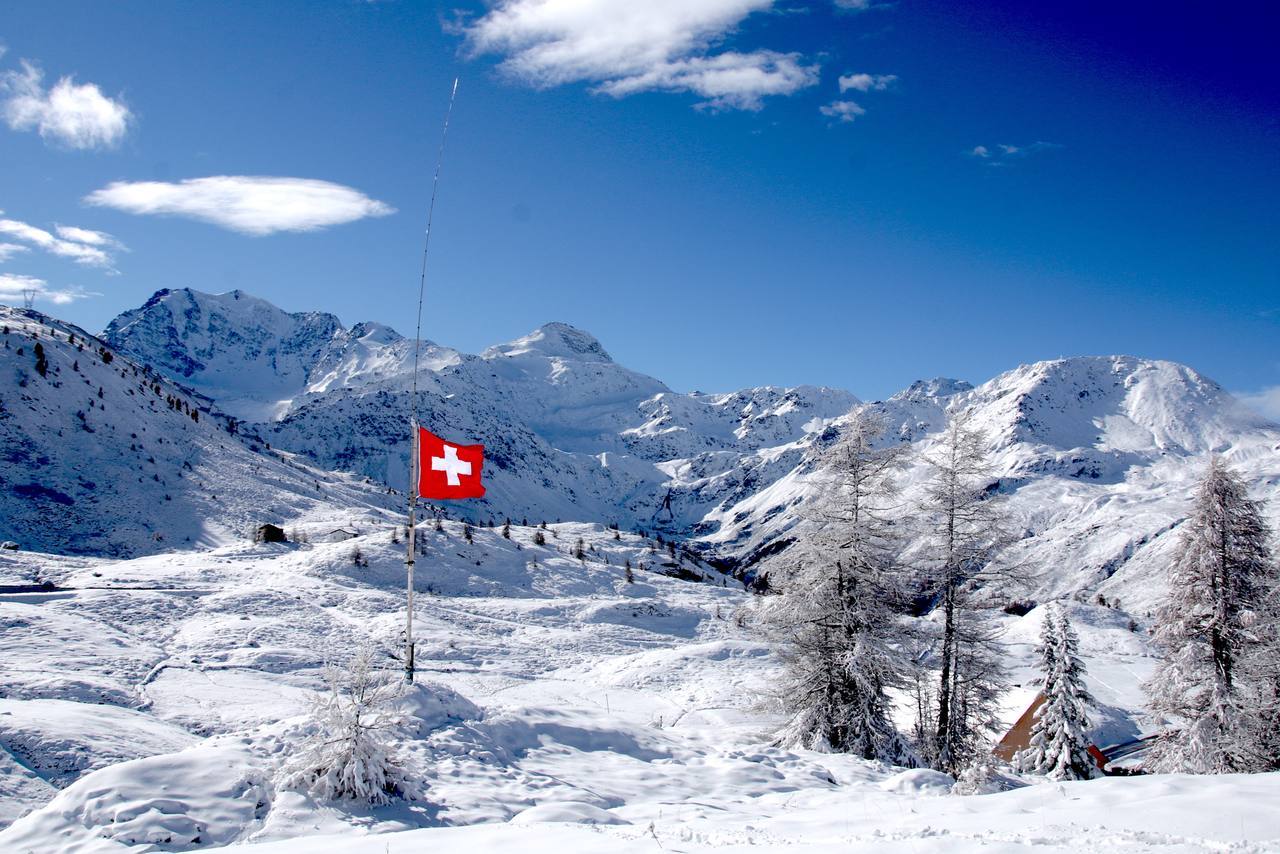
The losers: the SVP — and the sovereigntist dream of splendid isolation
For the SVP, this is a heavy defeat. The party threw its full weight behind the initiative, and lost in every canton — including its rural heartlands. SVP lawmaker Lukas Reimann accepted the result with notable grace, saying he was "of course not pleased" but finding encouragement in the fact that all sides had affirmed their commitment to neutrality during the campaign. The party says it currently has no plans for further action — a telling admission from a movement that normally never stops campaigning. The scale of the defeat matters because of what the SVP represents. It is Switzerland's largest party, the dominant force in national politics for two decades, and the architect of a string of headline-grabbing referendums. A loss this lopsided — roughly 30 points — suggests that even in a country where the SVP usually sets the agenda, there is a hard limit to how far voters will follow the party into confrontation with Switzerland's European partners. It is also the second SVP initiative to fail this year: in June, voters rejected the party's "No to ten-million Switzerland" population cap by 54.8 percent. The broader sovereigntist camp loses too. Pro Switzerland's argument — that Switzerland must wall itself off from foreign entanglements to stay credible — was tested at the ballot box and found wanting. The Green Party's Sibel Arslan spoke for the No side's relief: "Voters understood what the SVP wanted: it wanted Switzerland to isolate itself internationally and shirk its responsibilities when international law is being trampled on."
The numbers, in context: how decisive is 70 percent?
By Swiss standards, this was a landslide. Switzerland votes on national referendums several times a year, and most are decided by single-digit margins. A 70-30 split is the kind of result usually reserved for uncontroversial technical amendments, not for a proposal backed by the country's largest party on a question of national identity. Two comparisons sharpen the picture. First, the double majority: constitutional initiatives must win both the popular vote and a majority of cantons. The neutrality initiative won neither — zero cantons in favour. Contrast that with the SVP's famous 2014 immigration initiative, which passed with 50.3 percent of the vote and a bare cantonal majority. Sunday's result is the mirror image: a total wipeout. Second, the trajectory. Late-2025 polls had the race near 48-48. The final result was roughly 70-30. That is a swing of more than 20 points over less than a year, one of the largest campaign-period movements in recent Swiss referendum history. It suggests the No campaign's central argument — that the initiative would damage Swiss security and prosperity — landed with voters who had started out sympathetic to the Yes side. The 47 percent turnout was on the low side for a high-profile vote, but the margin is far too large to be explained away by mobilisation effects. It is also worth noting what voters rejected on the same ballot: a food-security initiative that would have raised domestic food self-sufficiency was defeated by an even wider margin, around 72 percent against. Sunday was not a day for constitutional experiments of any kind.
The critics, in their own words: what each side got wrong
The Yes campaign's core claim was that neutrality is being hollowed out from within. Dr Samuel Sommaruga, a leading proponent, warned that without a strict constitutional definition Switzerland would "sink" — that it would be seen internationally as having "renounced its neutrality" altogether, get sucked into NATO, and lose its privileged role as a mediator and host of international organisations. This is not a fringe anxiety: it reflects a genuine Swiss fear that flexibility is a slippery slope, and that each accommodation — EU sanctions today, NATO exercises tomorrow — takes the country one step closer to the alliances it has avoided for two centuries. The No campaign's counter was that rigidity is the real danger. Cassis's formulation — "neutrality does not mean indifference" — reframes neutrality as a moral posture rather than a legalistic one: a neutral country can and should act when international law is violated. The government's practical warnings were blunter: the initiative would have barred Switzerland from training with NATO (even the limited cooperation Bern currently practises), forced it to drop sanctions that its European partners depend on, and left the country unable to respond to crises. Parliament's 128-to-60 recommendation against the text reflected a consensus that spanned the political spectrum from the Greens to the centre-right. Both sides, notably, claimed to be the true defenders of neutrality. That is the paradox of this vote: it was never a contest between neutrality and its enemies. It was a contest between two definitions of the same word — and the Swiss chose the one that keeps their options open.
What happens next: NATO ties deepen, and the SVP reloads
In the short term, expect Switzerland's security cooperation to keep deepening along its current path. Bern participates in NATO's Partnership for Peace, contributes to international peacekeeping, and has been quietly aligning its defence planning with its neighbours since 2022. The referendum result removes the political risk that this cooperation could be outlawed overnight — and European defence planners will have noticed. The sanctions question is equally settled for now. Switzerland's Russia sanctions stay in place, and the government retains the legal freedom to join future sanctions regimes without waiting for a UN Security Council resolution — a body where a single Russian or Chinese veto can block action indefinitely. That last point was one of the No campaign's most effective arguments: conditioning Swiss foreign policy on Security Council approval would have handed Moscow and Beijing a veto over Bern's decisions. Longer term, three scenarios matter. First, the SVP is down but not out. The party said it has no further action planned "currently" — the qualifier doing a lot of work. Switzerland's next federal elections are in 2027, and the SVP will be looking for issues to mobilise its base. A revised, softer neutrality initiative is entirely possible; Swiss direct democracy rewards persistence. Second, watch Austria. Vienna is the other great European neutral, and its neutrality — imposed by the 1955 State Treaty — faces its own pressures as Austria deepens EU defence integration. Sweden and Finland already abandoned their Cold War neutrality to join NATO in 2023-2024. Switzerland has now taken the opposite bet: not abandoning neutrality, but modernising it from within. Which model proves more durable is one of Europe's open questions. Third, the mediator role. Pro Switzerland argued that only strict neutrality preserves Bern's credibility as a go-between. The counter-argument — now endorsed by 70 percent of voters — is that credibility comes from being trusted, and trust comes from standing up for the rules-based order, not from standing aside. Geneva's future as a diplomatic capital may depend on which theory proves right.
- Reuters: Swiss vote on tightening neutrality rules and peacetime NATO cooperation
- Reuters: Swiss voters reject the initiative to tighten neutrality rules
- Al Jazeera: “Swiss voters set to reject tighter neutrality rules in referendum” (September 27, 2026)
- SRG SSR / GFS Bern: exit projection (September 27, 2026)
- SWI swissinfo.ch: referendum coverage (September 27, 2026)
- Swiss Federal Statistical Office: final results
- Wikimedia Commons: Federal Palace photograph by Dodo von den Bergen
- Wikimedia Commons: Swiss flag photograph by Hp.Baumeler