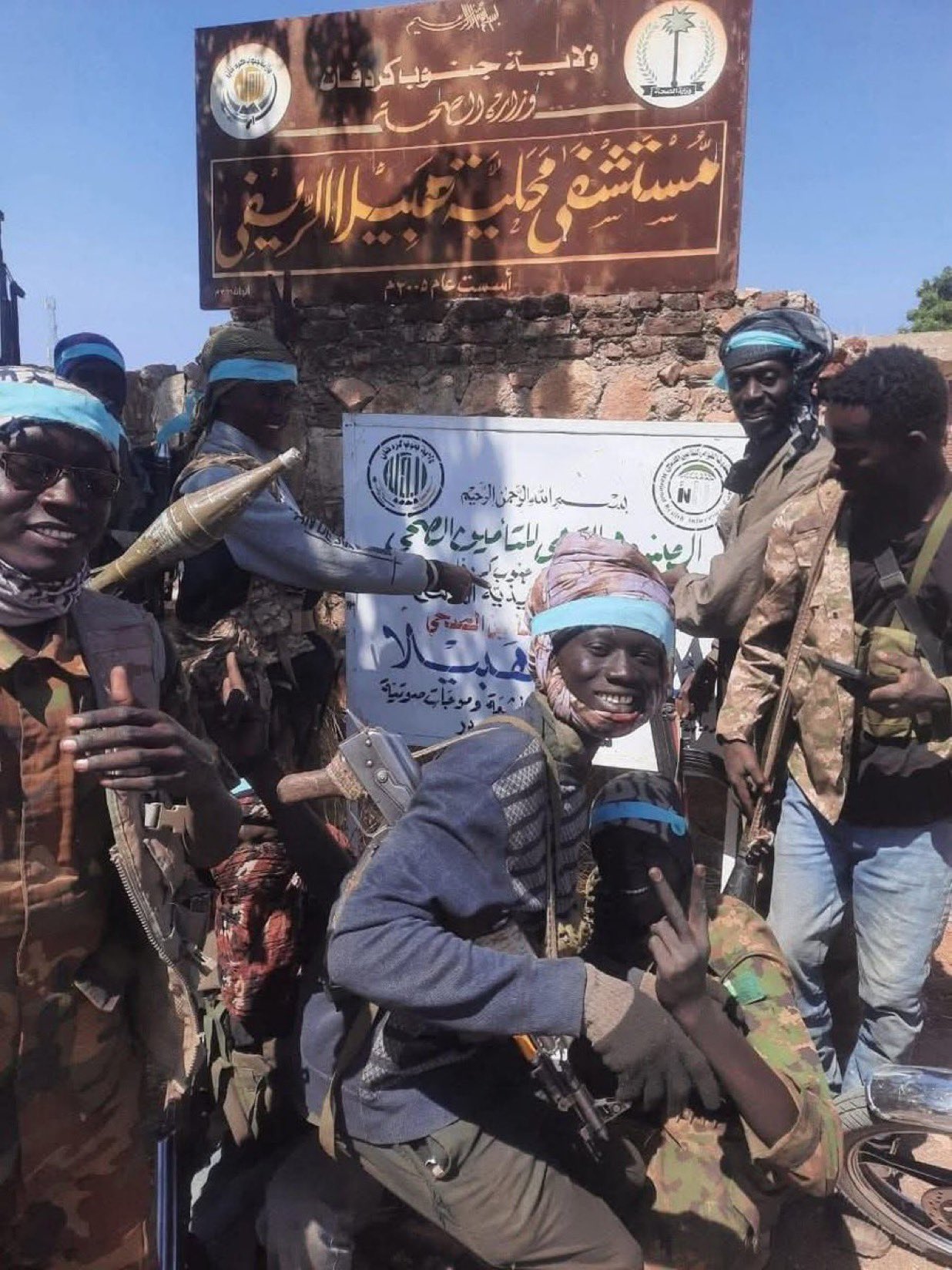
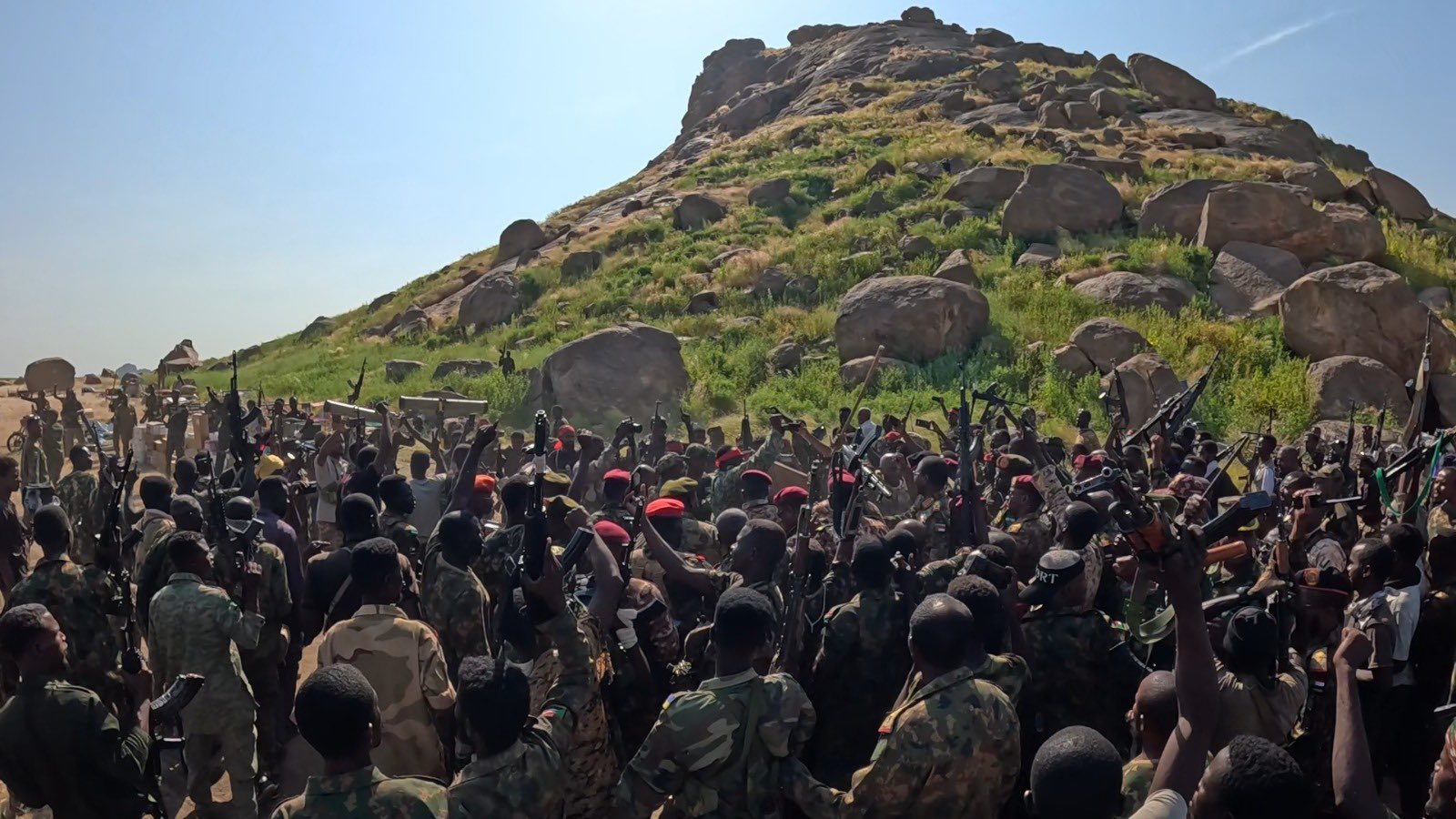
The RSF drone attack on Merowe is the clearest sign yet that Sudan's war is widening beyond its familiar fronts. In the early hours of Thursday, Sudanese paramilitary forces launched several drone strikes on the northern town of Merowe, targeting the army headquarters, the airport and the Merowe Dam — the country's largest hydroelectric facility — the army said in a statement blaming the paramilitary Rapid Support Forces. The army said its air defences intercepted the attack. An AFP journalist in the area heard 10 explosions, witnesses counted more than two dozen between midnight and dawn, and the town was plunged into darkness after a full power cut.
What happened in Merowe
According to the army's statement, carried by AFP, the drones “targeted the army headquarters, the airport and the Merowe Dam” in the town about 350 kilometers (220 miles) north of Khartoum. A source from the intelligence service said seven projectiles had been fired, while an AFP journalist in the area heard 10 explosions. Witnesses counted more than two dozen explosions between midnight and dawn. The army said it intercepted the attacks, which it blamed on the RSF. The RSF has not responded to the army's account.
Local outlet Al-Rakoba News, citing on-the-ground sources via Anadolu Agency, reported the assault also encompassed the state capital Dongola and the city of Al-Dabba. Every contested element here — who launched the drones, whether all were intercepted, whether there was damage — rests on the army's word alone; the army's version should be read as both a battle report and a claim.
The dam at the center of it
The Merowe Dam is among Sudan's most significant infrastructure installations and its largest hydroelectric facility — the power station that keeps the lights on across much of northern Sudan. Merowe Airport serves both military and civilian purposes, and the town hosts the army's 19th Infantry Division headquarters. Targeting a dam is a different order of escalation from striking a barracks: dams are civilian lifelines, and a breached dam would be a catastrophe far beyond any battlefield.
The army claims there was no damage and no casualties — an army claim, unverified by independent observers. What is not in dispute is the blackout: witnesses reported the town plunged into darkness after a complete power cut, a reminder that in a war fought increasingly against infrastructure, the first casualty is often the grid.
A war that keeps finding new ground
Northern State had been largely spared the worst of a war that has ground on since April 2023. That insulation is gone. A recent UN Security Council briefing warned that drone strikes by both sides had reached new states and that “no part of Sudan is beyond reach.”
The geography tells the story of the last year: the RSF captured El-Fasher, the army's last stronghold in Darfur, in late October 2025; since then fighting has shifted east into the Kordofan region, the strategic corridor between Darfur and the capital. On September 17 the army launched its largest ground offensive in North Kordofan in months. The RSF's answer, true to this war's pattern, came from the air: suspected RSF drones struck the El Obeid power station in North Kordofan on Wednesday, leaving thousands of residents without electricity — some injuries were reported, no fatalities — and then Merowe before dawn on Thursday.
The RSF has increasingly resorted to drones over recent months, AFP notes, targeting Khartoum in October and the wartime seat of government in Port Sudan in the spring. Where the army advances on the ground, the RSF retaliates from the sky. The battlefield expansion is unfolding alongside a diplomatic impasse: our report on Burhan's rejection of the U.S.-backed Sudan peace plan explains the political backdrop.
Why this matters — analysis
Three things make the Merowe attack matter beyond one night's explosions. First, the drone has become the RSF's great equalizer. The group's ground forces lost Khartoum and have been pressed in Kordofan; drones let it project power without holding territory, striking the enemy's rear at minimal cost.
Second, the target set is widening. Power stations in El Obeid, a hydroelectric dam in Merowe: the war is being fought against the infrastructure civilians depend on, and UN figures reported this month put civilian deaths from drone strikes at about 1,100 in the first half of 2026 alone.
Third, the rear is no longer the rear. Merowe sits deep in army-held territory; a strike there tells the army's command that air defence, not front lines, is now the decisive arm of the war — and tells civilians in every army-held city that the map of safety has been redrawn. Readers tracking other major offensive theaters in 2026 can also follow the fight for Yemen's Kahboub Mountains.
Who benefits, who loses
If the attack occurred as the army alleges, the RSF benefits in the currency that matters most in this phase of the war: demonstrated reach. Without committing a single ground unit, it forced Sudan's air defences into action 350 kilometers from the capital, and the resulting blackout reminded the army that no garrison is sanctuary.
The army gets a defensive success to claim — its 19th Infantry Division said ground defences “brought down all the drones before reaching their final targets” — but the attack itself is the embarrassment: interception is the consolation prize for being struck. The interception remains an army claim and has not been independently verified.
The losers, as ever, are civilians. The International Organization for Migration says 90,000 people have fled El-Fasher since it fell and some 50,000 have fled the Kordofan region as the fighting moved east. Now the blackouts are reaching cities that thought the war was somewhere else.
The numbers behind the attack
- 20-plus: explosions counted by witnesses between midnight and dawn.
- 10: explosions heard by an AFP journalist in the area.
- 7: projectiles fired, according to an intelligence source.
- 350 km: Merowe's distance north of Khartoum — deep in army-held territory.
- 90,000: civilians who have fled El-Fasher since it fell to the RSF, according to the IOM.
- 50,000: people who fled the Kordofan region as fighting shifted east, according to the IOM.
- About 1,100: civilians killed by drone strikes in the first half of 2026, according to UN figures reported in September.
- 0: reported casualties or damage in Merowe — the army's claim, unverified; the RSF has not commented.
What happens next — three scenarios
- A northern drone campaign. The most likely near term: the RSF keeps probing army-held Northern State infrastructure — dams, airports, power stations — forcing the army to spread air defences across a country it cannot fully cover. Each successful interception is still a propaganda win for the attackers.
- Army retaliation against the drone infrastructure. The army answers with strikes on suspected RSF launch sites and supply lines in Kordofan and Darfur. The risk, documented across this war, is that retaliation lands on the civilians living nearest the launch sites.
- The dam line holds. The least certain but most consequential: both sides discover that actually breaching a major dam is a catastrophe neither wants to own, and attacks on the Merowe Dam stay in the realm of pressure and signalling. Nothing in the current tempo guarantees it.
The bottom line
The army says it stopped the drones over Merowe. The blackout over the town says the war got through anyway. Sudan's conflict has entered the phase where the front line is wherever a drone can reach — and on Thursday morning, that was a hydroelectric dam 350 kilometers north of Khartoum.
Sources
- AFP via The Frontier Post, “Paramilitary drone attacks target town in northern Sudan: army,” September 24, 2026
- Anadolu Agency via Jordan News Gazette, “Sudanese Army Repels RSF Drone Attack on Merowe Airport and Dam,” September 24, 2026
- MENAFN via The German Business Report, “Sudan Military Thwarts RSF Drone Attack on Merowe Airport, Dam,” September 24, 2026
- The Eastleigh Voice, “Thousands flee, RSF pushes east as Sudan conflict escalates across Darfur and Kordofan,” September 24, 2026
Reporting note: Reporting cutoff September 24, 2026. The RSF attribution and the interception, casualty and damage claims are the Sudanese army's; the RSF has not responded; casualty and damage figures are unverified.