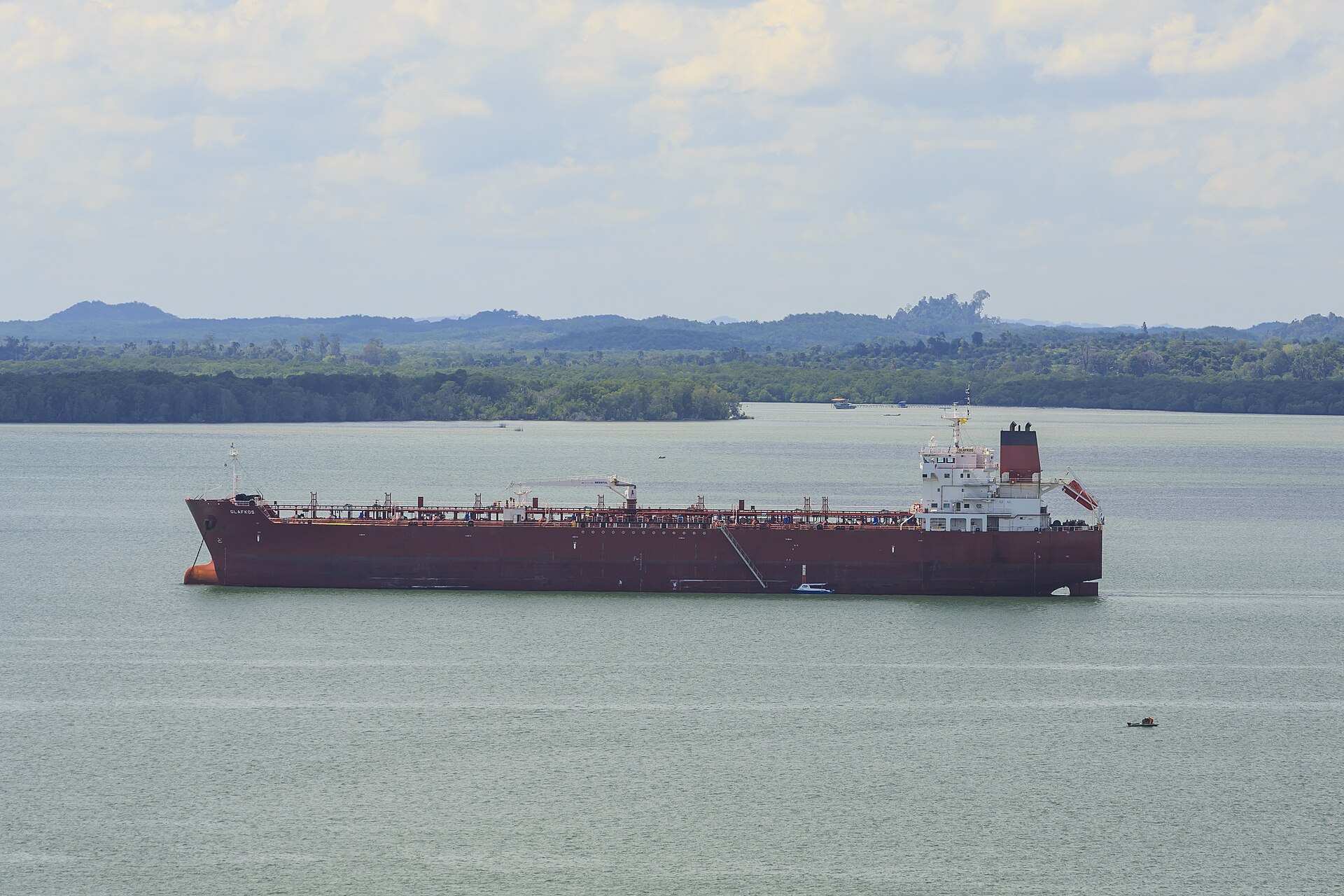
Romania tanker fire Black Sea: the Comoros-flagged chemical and oil tanker Yara J caught fire at anchor in Romanian territorial waters off Sulina on Wednesday night, and Romania's defence minister said it remained unclear whether the ship had been hit by a drone, with an investigation under way.
A Tanker Burns off NATO's Coast — and Nobody Will Yet Say What Hit It
Track it live: Live war tracker — follow the war behind the Black Sea shipping crisis, including the Ukraine war map.
The fire broke out at about 8 p.m. local time on Wednesday aboard the Yara J, a Comoros-flagged chemical and oil tanker anchored in Romanian territorial waters roughly eight to ten nautical miles east-southeast of Sulina, the port town at the mouth of the Danube where the river meets the Black Sea. The position matters as much as the fire: eight to ten nautical miles offshore is inside Romania's 12-nautical-mile territorial sea — the waters of a NATO member state, not the open sea.
What happened next is the part officials could describe. According to maritime reporting from the Romanian Naval Authority, the ship was unladen, sailing in ballast, and its crew of 17 — Syrian, Indian and Iranian nationals — extinguished the fire themselves. No injuries were reported. Romania's sea-rescue agency, ARSVOM, dispatched its search-and-rescue vessel Apollo after a request at about 8:25 p.m., and the Yara J later raised its anchor and sailed toward Constanta, Romania's main Black Sea port.
What officials could not describe — or would not — is the cause. Defence Minister Radu Miruta said it was unclear whether the tanker had been hit by a drone, and that an investigation was pending. The naval authority's maritime report noted no drone activity remarked at the vessel. Russia, whose drones have repeatedly crossed into Romanian airspace during attacks on Ukrainian Danube ports, made no comment on the Yara J and neither claimed nor was officially assigned blame for the fire.
What we know — and what we don't
The confirmed facts are narrow. A fire occurred aboard a chemical tanker at anchor, sailing empty in ballast. The crew put it out. Nobody was hurt. The ship was able to get under way under its own power and head for Constanta. Early reports that the crew had been evacuated gave way, as maritime and agency reporting firmed up, to the account of a crew that fought its own fire — a reminder of how first reports from night-time incidents at sea routinely change in the first hours.
The unconfirmed fact is the one everything else hangs on: whether anything struck the ship at all. A fire on a vessel in ballast can have ordinary causes — engine-room and electrical fires are among the most common incidents in merchant shipping — and investigators will look at the ship's systems, its recent maintenance and the pattern of any damage before they look at the sky. A drone strike, if that is what the evidence shows, would leave physical traces investigators can find. Until they report, the honest summary is the minister's own word: unclear.
That uncertainty is not a detail. If a drone hit a merchant ship at anchor inside a NATO state's territorial waters, the incident would sit in a different legal and political category from the strikes that have hit ships in international waters or in Ukrainian ports — it would be an attack, deliberate or stray, on shipping inside alliance territory. If the fire turns out to be an onboard accident, Wednesday night becomes a coincidence layered on top of a genuinely dangerous day. Romania's investigation is therefore carrying more weight than a routine maritime inquiry, and Bucharest is behaving accordingly: no accusation, no dismissal, and a file opened.
A day of drones over the Danube delta
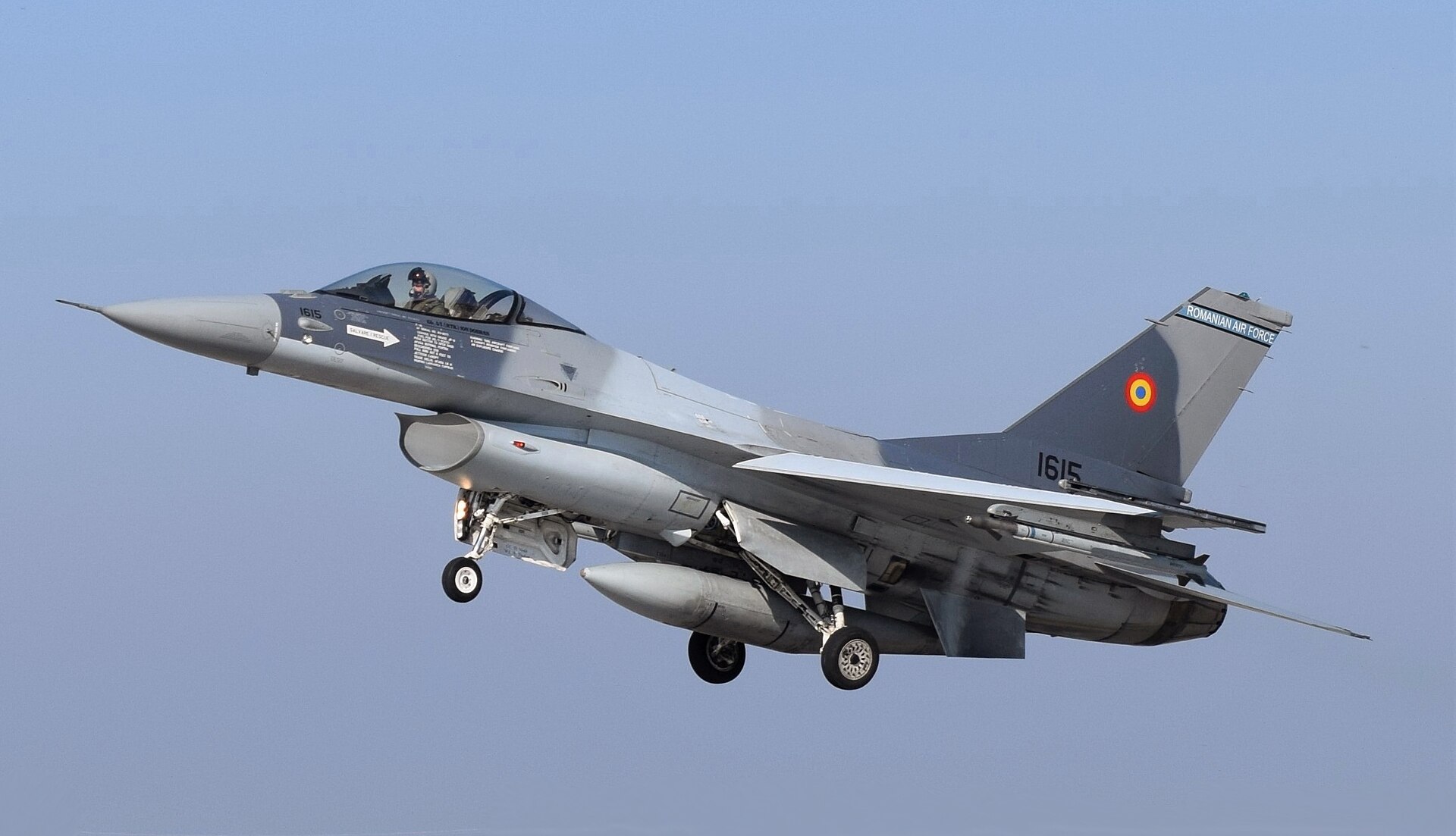
Part of the reason the fire drew immediate suspicion is the day it happened on. Romania's airspace near the Ukrainian border was breached repeatedly on Wednesday, in the pattern that has become familiar since Russia began striking Ukraine's Danube ports: drones crossing toward targets near the river, and Romanian authorities tracking them as they went.
In the morning, radar picked up a target east of Sulina. A RO-ALERT warning went out to residents of Tulcea County at 10:19 a.m. local time, and two Romanian F-16s from the 86th Air Base at Borcea lifted off at 11:22 to monitor the situation. In the evening — at about the same hour the Yara J's fire was reported — northern Tulcea County received another RO-ALERT, radar contacts again appeared, F-16s scrambled again, and one target was tracked exiting Romanian airspace at 8:13 p.m. toward Vylkove, on the Ukrainian side of the Danube. Spanish F-18s based at Mihail Kogalniceanu, the NATO air base near Constanta, also scrambled as part of the allied air-policing posture, according to the defence ministry reporting carried by Reuters.
Officials have drawn no link between any of those airspace incidents and the fire aboard the Yara J, and nothing in the reporting establishes one. The timing is proximity, not proof: the same evening sky held both a burning tanker and a drone incursion, and only the investigation can say whether they were connected or merely simultaneous.
The fourth ship incident in about ten days
Even an accidental fire would land in a pattern that has shipowners, insurers and governments on edge. On October 13, one day before the Yara J burned, two ships were hit off Bulgaria: the HS Dignity sank with 11 sailors missing, and the Chelsea 3 was also struck, with all 15 of its crew rescued. Days earlier, the Royad Mammadov caught fire off Romania in another Black Sea incident. The Yara J makes at least four merchant-ship incidents in the western Black Sea in about ten days.
Governments have begun reacting to the pattern rather than to each case. Bulgaria is joining a NATO anti-drone initiative for Black Sea shipping by the end of October. On Wednesday, Romanian Prime Minister Ilie Bolojan and Bulgarian President Rumen Radev spoke and condemned the attacks on commercial vessels. European Commission President Ursula von der Leyen has called attacks on civilian ships unacceptable. The diplomatic through-line is that the Black Sea's western shipping lanes — the waters of two NATO and EU member states — are being treated as a protected space whose violation carries collective consequences, whether or not each individual incident can yet be attributed.
Why this matters: the Sulina route and the price of a pattern
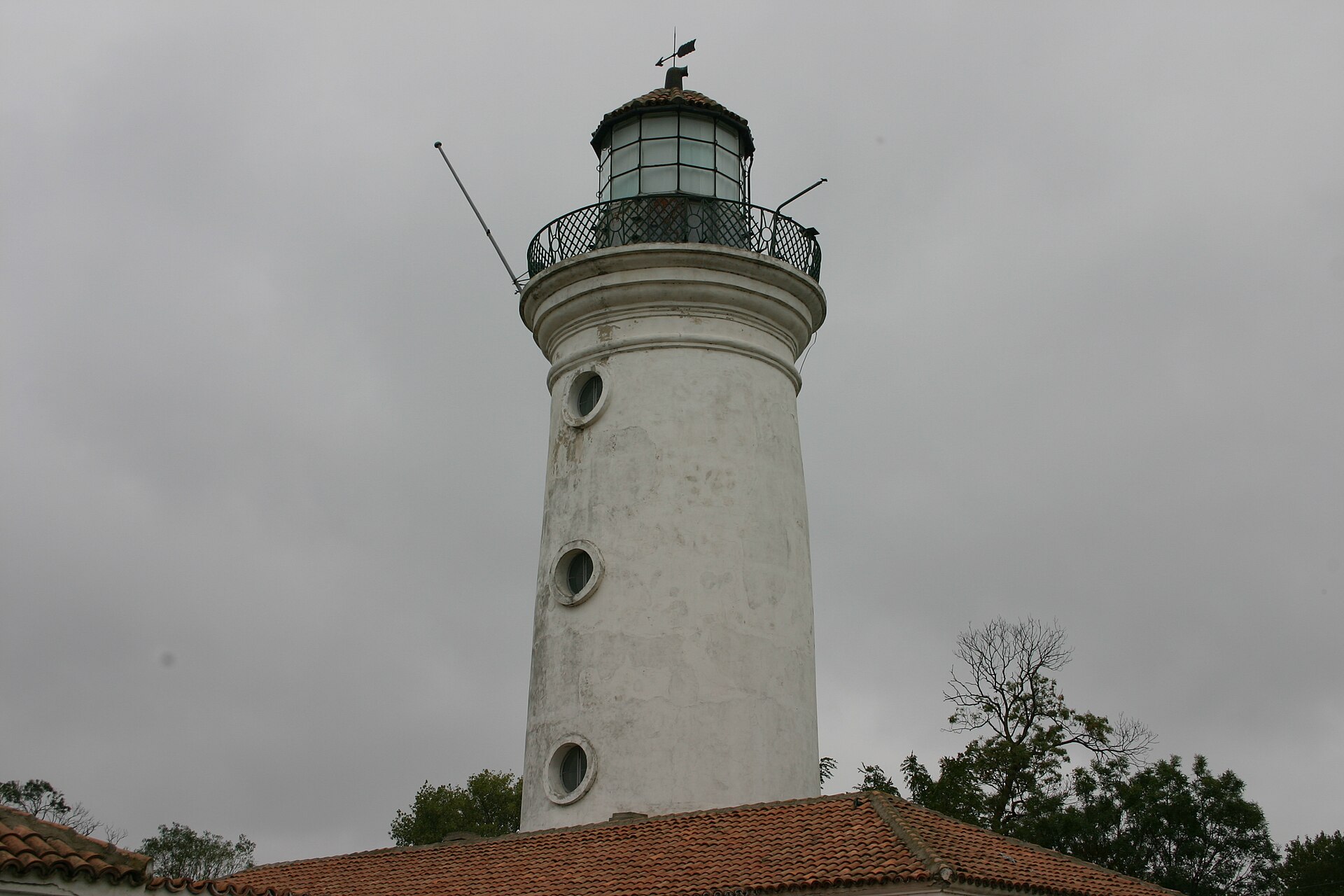
Sulina is not an obscure anchorage. The Sulina channel is the Danube's dredged deep-water exit, and since Russia's strikes and blockade pressure closed in on Ukraine's main seaports, the Danube route — Ukrainian river ports loading ships that thread past Romania — has become one of Ukraine's export lifelines for grain and cargo. Ships queue, anchor and transit in Romanian waters to use it. A fire at that anchorage, whatever its cause, lands on the route Ukraine can least afford to lose.
Insurance markets, meanwhile, do not wait for attribution. War-risk premiums for Black Sea shipping reprice on patterns: four incidents in ten days is a pattern a claims department can price even while a defence ministry cannot yet explain it. Each unexplained fire raises the cost of every hull that anchors off the Danube, and those costs travel — into freight rates, into the margin on Ukrainian exports, and into the calculations of owners deciding whether the Sulina queue is worth joining at all. That is the sense in which an undetermined fire still does damage: uncertainty itself is now a cost of doing business in the western Black Sea.
There is also the alliance question. Romania has absorbed drone debris and airspace breaches for more than two years, has passed laws allowing its forces to shoot drones down, and has consistently answered with alerts, scrambles and investigations rather than escalation. A confirmed drone strike on a ship inside its territorial sea would test that calibration harder than falling debris ever has — which is precisely why Bucharest's caution in the first hours should be read as deliberation, not indecision. The evidence will either support the gravest reading or it will not, and Romania appears determined to have the evidence before it has the argument.
What happens next
Three tracks will decide what Wednesday night means. The first is the investigation itself: Romanian authorities will examine the Yara J — now headed to Constanta, where inspectors can board her — for impact damage, fragments or an onboard origin for the fire. Physical evidence, if any exists, will end the speculation in one direction or the other. The second is traffic: whether owners keep sending ships to anchor off Sulina, and at what insurance price, will show how the industry scores the risk while officials deliberate. The third is the alliance calendar: Bulgaria's entry into the NATO anti-drone initiative by October 30, and whatever Romania announces once its investigators report, will show whether the western Black Sea gets a standing protective architecture or continues to rely on alerts and scrambles.
Until the investigators speak, the Yara J fire remains what Romania's defence minister said it is: a ship that burned at anchor inside NATO waters, a crew that saved its own vessel, and a cause that nobody — yet — will name.
Related coverage: Bulgaria joins NATO anti-drone initiative after Black Sea ships sunk · Two ships hit off Bulgaria: HS Dignity sinks, 11 sailors missing · Royad Mammadov fire off Romania
Sources: Reuters reporting via Devdiscourse (October 14); TT reporting via Sweden Herald (October 14); VesselTracker maritime reporting. Defence Minister Radu Miruta's statements are as reported by Reuters; Romanian Naval Authority and ARSVOM details are as reported by VesselTracker. No official source has attributed the fire to any party, and Russia has not commented on the incident.