Myanmar refugees Malaysia repatriation October 2026
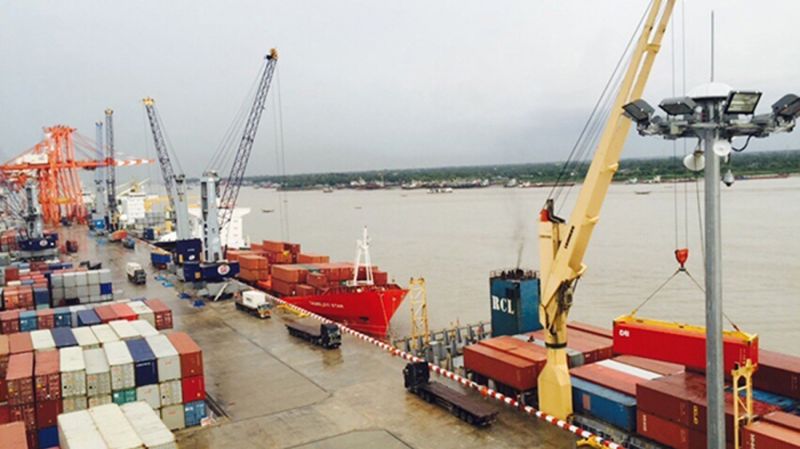
The first phase of the Myanmar refugees Malaysia repatriation October 2026 programme is at sea — and at the centre of an international dispute. Three Myanmar navy ships carrying 1,476 Myanmar nationals entered the country's waters on Thursday, state media reported Friday, and the returnees are expected to reach the commercial hub of Yangon within days. Malaysia insists every one of them volunteered to go home. The United Nations says they may be sailing back into a war zone.
The voyage: two warships and a hospital ship
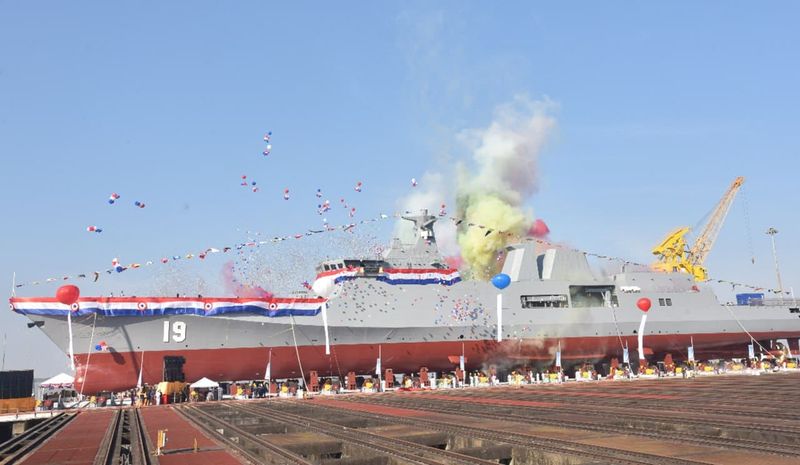
The three vessels and their 1,476 passengers entered Myanmar waters on Thursday, October 1, according to the Global New Light of Myanmar, the country's state-run newspaper, which reported the movement Friday. Malaysia's home ministry said the flotilla comprised two Myanmar navy warships and a hospital ship, according to the Associated Press.
The vessels departed from the Lumut naval base in Perak after buses carried the returnees from a stadium in Manjung under tight security. Malaysian naval personnel and Myanmar authorities provided medical care, meals and clothing during the voyage. Those details come from the governments running the operation; there is no independent monitor known to be aboard.
State media says family members and local authorities will meet the returnees at Yangon port and arrange transport to their hometowns. That reception plan has not been independently confirmed. The distinction matters: a promised handoff to families is not yet evidence of how people will be processed after disembarkation or whether they will be free to continue home.
The UN's warning: Myanmar is not safe for return
United Nations Special Rapporteur on human rights in Myanmar Kelley E. Currie said Thursday that she was “gravely concerned.” She urged Malaysia to stop the repatriations and work with the UN on the situation of Myanmar refugees.
UNHCR said it was not involved in the operation. Its position is that continuing conflict and violence in Myanmar mean conditions for safe and dignified refugee returns do not currently exist. The United Nations has said those conditions “do not support the safe and sustainable return of refugees.”
The exact number of Rohingya among the 1,476 has not been publicly confirmed. That uncertainty is central rather than incidental: Rohingya face particular legal and security risks in Myanmar, and the protection assessment for the group depends in part on who is aboard. As Signal Post News previously reported, the UN's investigative mechanism has already concluded there is no safe return to Rakhine.
Why this matters
Analysis: this is the first large-scale state-to-state repatriation to a country in active civil war since the programme was announced. It tests whether a “voluntary” return can be credible when the alternative is indefinite immigration detention. Agreement may be genuine for some passengers, but consent given in confinement requires independent scrutiny that has not been provided here.
It is also a diplomatic transaction. In the same month that the ships sail, junta chief-turned-President Min Aung Hlaing is expected in Malaysia for talks on refugees and people displaced by the conflict. The episode will be cited by every side: by the junta as proof of normalization, by Malaysia as proof of burden-sharing, and by the United Nations as evidence that returns are being pushed into an unresolved war.
Background: how we got here
A coup, then a civil war
Myanmar has been in turmoil since the February 2021 military coup ousted an elected civilian government, triggering a civil war. Armed resistance, junta airstrikes and mass displacement have made large parts of the country dangerous and difficult to govern. The UN's Independent Investigative Mechanism for Myanmar has documented conditions across Rakhine and beyond that it says rule out safe return.
Malaysia's detention pipeline
The returnees were repatriated from Malaysian immigration detention camps after serving sentences for illegal stays and violations of immigration rules. As of August 15, Malaysia's home ministry said 10,388 Myanmar nationals were held in immigration detention centres.
Malaysia is not a signatory to the 1951 Refugee Convention. In practice, that means even people registered with UNHCR can be treated as undocumented migrants and detained. The legal label applied inside Malaysia does not resolve whether someone faces persecution, conscription or other danger on return.
The Lumut departure
The first group began its journey around September 29 from the Lumut naval base, part of a planned 5,000-person repatriation carried out in stages. Signal Post News reported the launch of the operation in Malaysia Deports Myanmar Refugees as Repatriation Drive Begins.
The numbers, in context
The first wave numbers 1,476 people. The programme's stated target is 5,000. Malaysia held 10,388 Myanmar nationals in immigration detention as of August 15, which means the full programme would remove roughly half the detainee population if the government completed it at that scale.
UNHCR data shows a much larger protection challenge. Malaysia hosted about 126,144 registered Rohingya refugees at the end of February 2026, within a total of more than 215,600 registered refugees and asylum-seekers. Even at full scale, this repatriation programme would touch only a fraction of the population the UN says cannot safely return.
The 1,476 aboard these ships amount to about 30 percent of the 5,000 target, leaving roughly 3,500 more people slated for later stages. The figures are not directly interchangeable: immigration detainees, UNHCR-registered refugees and Rohingya are overlapping but not identical groups. The wider context is that displacement crises are compounding worldwide, from Sudan's collapsing aid pipelines to Myanmar's detention centres.
Who benefits, who loses
The junta: legitimacy in a homecoming
For Min Aung Hlaing's administration, receiving citizens aboard its own navy ships is a sovereignty tableau: a state performing the functions of a state. State media emphasized the medical care, meals and clothing provided during the voyage, imagery aimed as much at ASEAN capitals as at the returnees.
Malaysia: domestic politics and ASEAN optics
Kuala Lumpur reduces a detention burden and can present the operation as humane and orderly. At the same time, it is preparing to host the junta leader for talks this month, keeping a diplomatic channel open while facing criticism that the returns move faster than the protections.
The returnees: the greatest risk
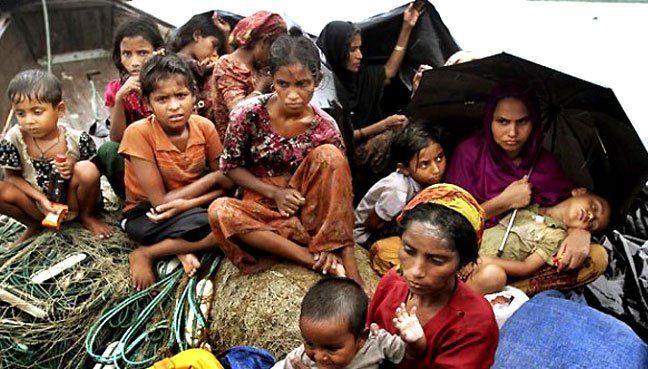
They are being sent from detention into a country the UN says cannot guarantee their safety. Rights groups have warned that returnees could face forced conscription and persecution. The share of Rohingya in the group is undisclosed, and Rohingya face particular danger in Myanmar.
UNHCR and the rapporteur: credibility on the line
If the returns proceed smoothly and can be verified independently, governments will argue that the UN's warnings were overstated. If returnees are harmed, the story will be both the danger the UN identified and its inability to stop the operation. Verification after arrival is therefore more important than the competing claims made before it.
Two claims, one sea crossing
Malaysia's claim: the returns are strictly voluntary, and its home ministry says the first group agreed to go back. Critics' counter: consent given inside immigration detention, after sentences for immigration offences, cannot be independently verified as free, and UNHCR was not involved in the operation.
The junta's claim: the state is caring for its people, providing medical care, meals, clothing and onward transport. The UN's counter: conditions “do not support the safe and sustainable return of refugees,” and Special Rapporteur Currie is “gravely concerned.”
What is not disputed is narrower: 1,476 people are at sea, the war in Myanmar continues, and no independent monitor is known to be aboard. The word “voluntary” remains a government description rather than an independently established fact for each passenger.
What happens next
Min Aung Hlaing's Malaysia visit
Malaysian state media reports that the junta chief-turned-President will visit Malaysia this month as the countries continue talks on returning refugees and people displaced by conflict. The outcome will signal whether the 5,000-person programme accelerates, stalls or expands.
The Yangon reception
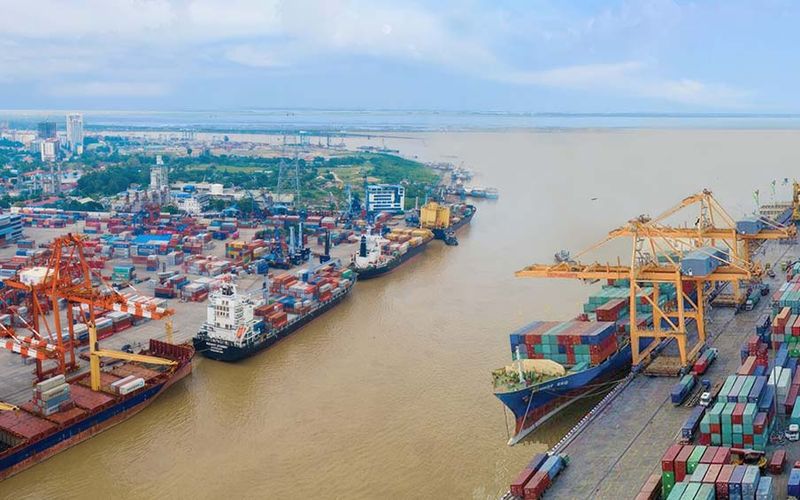
State media says families and local authorities will receive the returnees at the port and arrange transport to hometowns. The next test is independent reporting on what actually happens there, including whether returnees are free to go home or are processed into state custody.
The remaining 3,500
Three paths are plausible. The programme may proceed in stages as announced, with Malaysia pointing to an orderly first wave. International pressure after Currie's intervention could force a pause or UNHCR involvement. Or the Min Aung Hlaing visit could turn the operation into a broader bilateral returns framework covering more of the 10,388 detainees.
What to watch
Watch whether UNHCR gains access to the returnees; whether any Rohingya are confirmed in the group and what protection they receive; whether the visit produces a written agreement; and whether rights groups can document conditions for the people sent back.
Sources
- Reuters — Myanmar ships with returnees from Malaysia enter home waters, state media says
- Rohingya Khobor — Malaysia begins returning Myanmar nationals amid Rohingya safety concerns
Reporting basis: Reuters cited the Global New Light of Myanmar, Malaysian state media and the Malaysian home ministry; the Associated Press separately reported the vessel types. Statements about voluntariness, onboard treatment and the Yangon reception are attributed to the governments making them. The UNHCR position and Kelley E. Currie's warning are attributed to the United Nations. The composition of the group and the returnees' post-arrival treatment have not been independently confirmed.