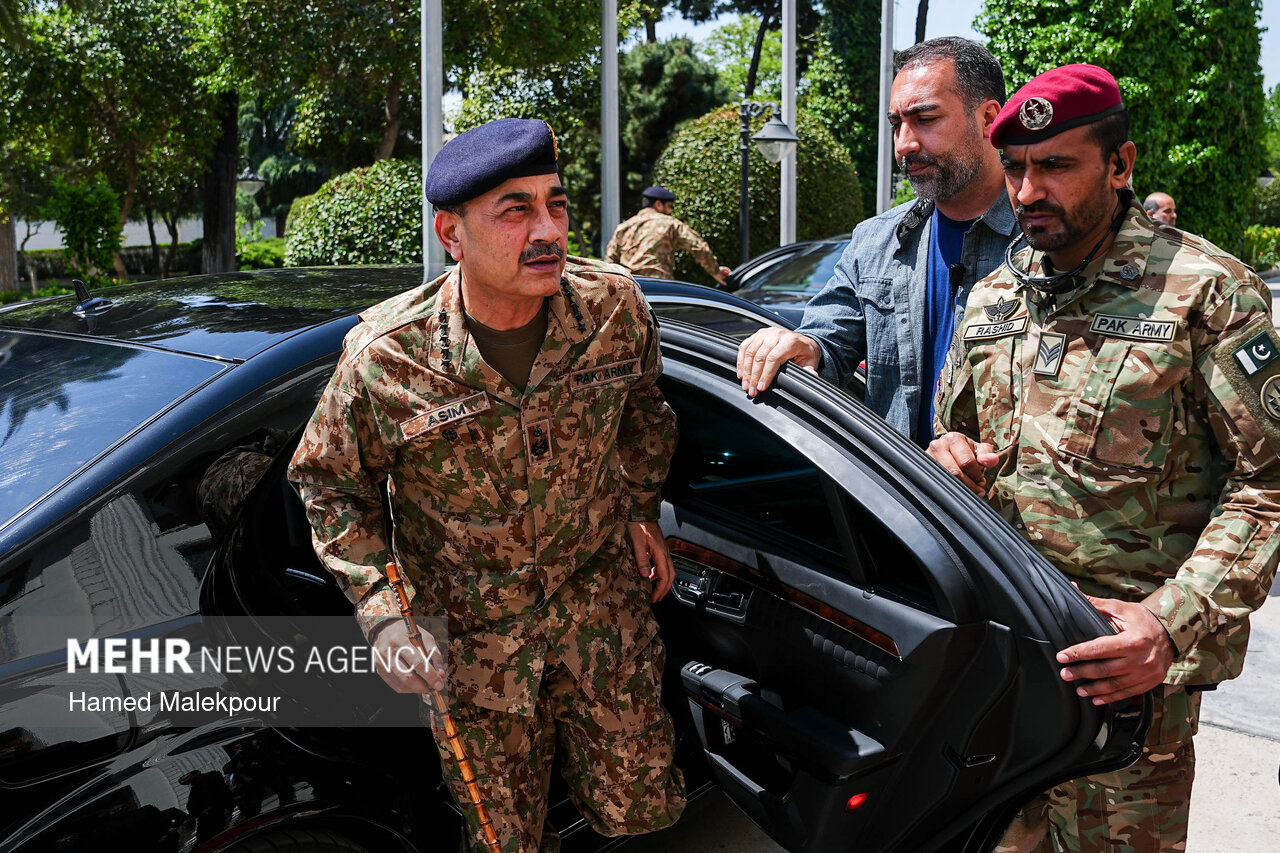
Iran enriched uranium transfer rejected was the blunt outcome of a day of diplomacy in Tehran on Tuesday, October 20, 2026, when Iran told Pakistan's army chief, Field Marshal Asim Munir, that there will be no talks with Washington until Tehran's demands are met — and that not a particle of its enriched uranium will be transferred out of the country, rejecting outright a Pakistani proposal to move part of the stockpile to a third country as part of a mediation package.
Conditions first, dialogue later — and the uranium stays: Tehran's answer, delivered three times in one day
Track it live: Iran war tracker
TEHRAN — Iran told Pakistan's army chief on Tuesday that there will be no negotiations with the United States until Tehran's demands are met, delivering the message through three of the most senior figures in the Iranian system during a single day of meetings in the capital, according to Iranian media reported by Nournews and carried by Reuters.
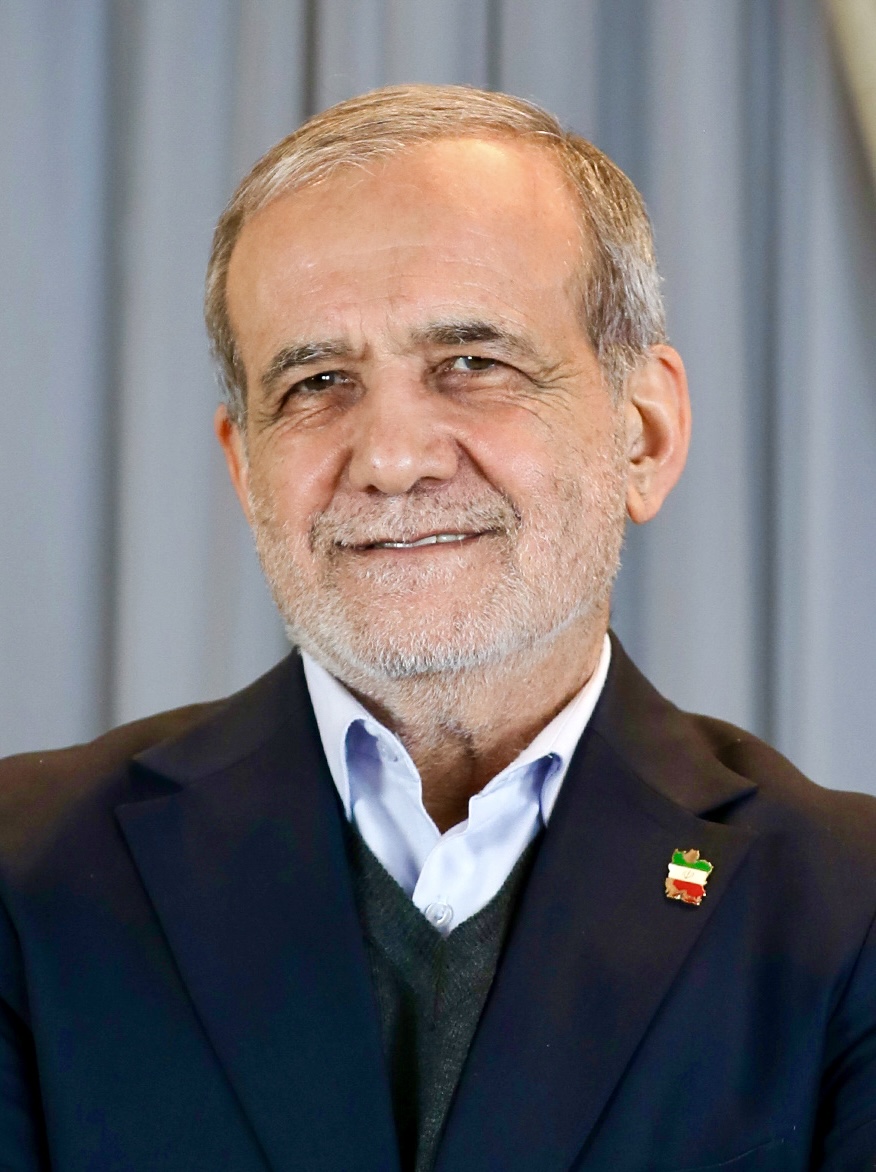
President Masoud Pezeshkian discussed mediation efforts and regional developments with Field Marshal Asim Munir, and used the meeting to reject the premise of negotiating under pressure. "The Americans must first remove the threats and sanctions; only then can we engage in dialogue," Pezeshkian said, according to AFP's reporting of the meeting. "Today, our nation does not trust America. It believes that if we enter the negotiations, they (the Americans) will attack us again."
Munir, who was accompanied by Pakistan's interior minister, Mohsin Naqvi, is the central figure in the only diplomatic channel that has produced anything in this war: Pakistan's mediation delivered June's interim Islamabad Memorandum, the short-lived understanding that briefly calmed the fighting before it unravelled within weeks as US-Iran hostilities resumed. Tuesday was his fifth visit to Iran since June — a measure of how much of the region's diplomacy now runs through Islamabad, and of how little of it, so far, has stuck.
Three meetings, one message
Pezeshkian: no dialogue under threats
The presidential meeting set the tone. Pezeshkian's formulation — threats and sanctions removed first, dialogue second — is the mirror image of the position Washington has taken all autumn, and his reasoning was explicit: in Tehran's account, Iran was at the negotiating table in late February when the United States and Israel launched the surprise attacks that began the war, and that sequence is now the foundation of Iranian policy. Trust, Pezeshkian told Munir, is not a precondition Iran is willing to assume. It is something Washington has to rebuild before talks can restart.
Qalibaf: the seven conditions, in full, first
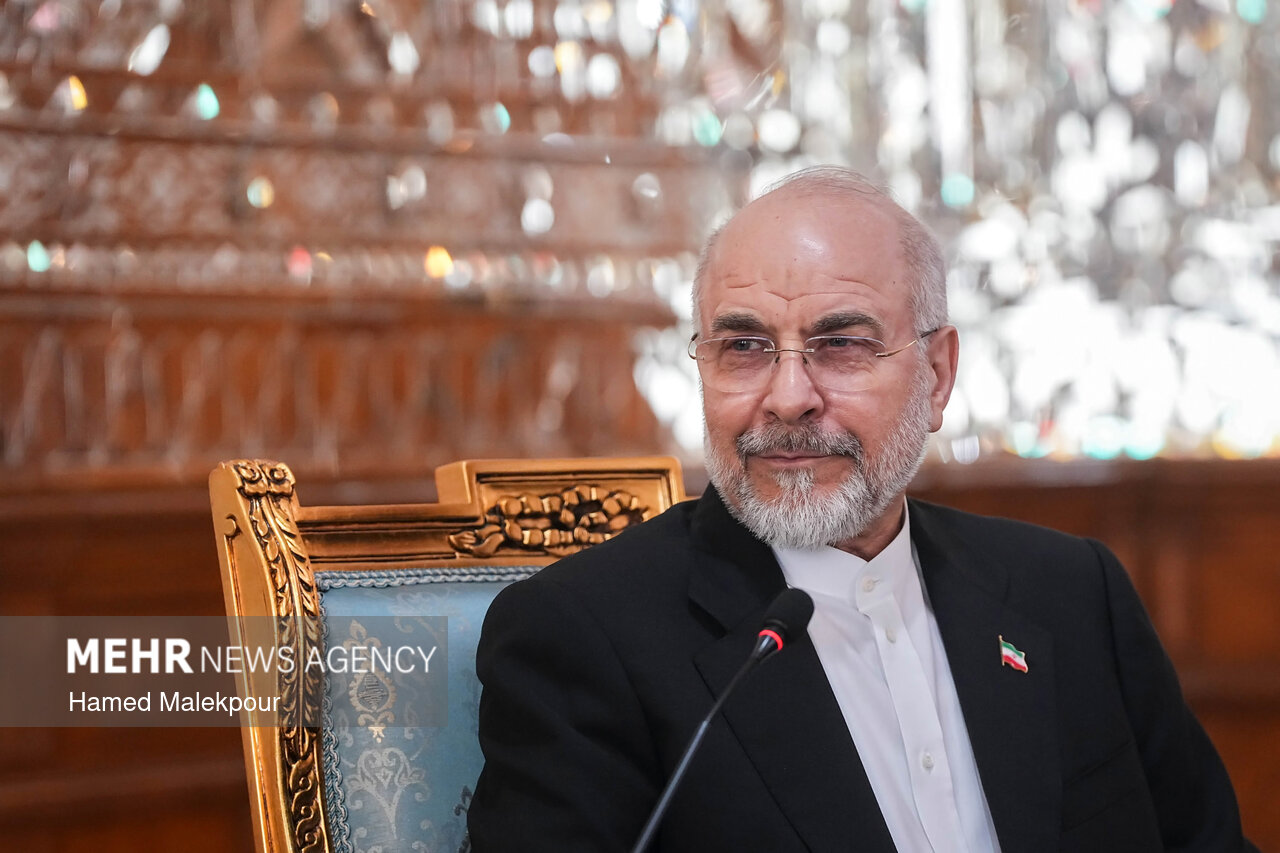
Mohammad Baqer Qalibaf — parliament speaker and Iran's chief negotiator — gave Munir the operational version of the same answer. Washington cannot regain Tehran's trust, he said, until it fulfils the seven conditions Iran set last month for reopening the Strait of Hormuz. The conditions, as Tehran has set them out, include ending the US blockade on Iranian ports, lifting sanctions on Iranian oil exports and ending hostilities on all regional fronts; AFP's reporting of the Iranian position adds a wider Middle East ceasefire and the unfreezing of Iranian assets held abroad. "We have nothing new to say," Qalibaf told Munir. "America cannot gain Iran's trust unless it fulfils the seven conditions."
The sequencing is the substance. Iran is not refusing talks in principle; it is refusing to let talks substitute for concessions. The seven conditions front-load everything the United States would have to give before a single meeting is scheduled — a structure Tehran justifies by pointing to June, when, in its telling, promises made during a process were broken weeks after it began. Our earlier reporting on the stalemate over the Hormuz seven-day plan traced how this sequencing dispute — who moves first, and on what — became the war's central diplomatic deadlock. Tuesday's meetings confirmed that nothing about it has softened.
Rezaei: not a single gram leaves Iran
The hardest line of the day came from Mohsen Rezaei, secretary of the Supreme National Security Council, who addressed the one concrete proposal in Pakistan's mediation package: transferring part of Iran's enriched uranium stockpile to a third country, where it would sit beyond Tehran's immediate reach while talks proceeded. Rezaei rejected it without qualification, in his meeting with Munir and in a public post on X. "Not a single gram" — not even a tiny bit — "of enriched uranium will be removed from Iran," he said. The material, he argued, is "a major asset and national wealth" that will be used inside the country, and there will be no negotiations until America takes trust-building steps, beginning with fulfilling Iran's conditions.
Rezaei's statement restates the position of Supreme Leader Ayatollah Mojtaba Khamenei, who has held that Iran's near-weapons-grade uranium must not be shipped abroad. That alignment matters: the uranium red line is not one official's rhetoric but a position repeated at every level of the system on the same day, to the same visitor, which is how Tehran signals that a position is settled rather than negotiable.
What Munir took home — and what he did not
The visit was not empty. Munir announced that the Iran-Pakistan border had reopened on Tuesday morning after border problems between the two countries were resolved — a practical deliverable for two neighbours who share a long, difficult frontier. He praised the resistance of Iran's armed forces during the 40-day war and called for regional cooperation built without foreign powers, according to ABNA's reporting — language Tehran was glad to hear from the army chief of a country that also maintains deep ties to Washington and the Gulf.
But on the two questions Washington cares about most, Munir leaves with nothing he did not arrive with. Talks will not resume until the seven conditions are met. The uranium will not move. Pakistan's mediation is being stress-tested by exactly the gap it exists to close: it can carry messages, arrange meetings and reopen borders, but it cannot supply the one thing each side demands of the other — a first concession.
The American position, and the charge behind it
Washington's stated terms run in the opposite direction. Vice President JD Vance said earlier in October that Iran must make a "meaningful" reduction in its uranium enrichment capacity to satisfy US demands and end the eight-month-old war. The United States, Israel and other Western states have long accused Iran of seeking nuclear weapons, pointing to its enrichment of uranium to 60 percent purity — far above what civilian power generation requires, and much closer to the roughly 90 percent level considered weapons-grade. Iran denies seeking nuclear weapons and says its programme is peaceful.
That is why the stockpile, and specifically its location, carries so much weight. A transfer to a third country was attractive to mediators precisely because it is verifiable, physical and hard to reverse quietly: uranium that has left Iran cannot be quickly enriched further in Iran. Tehran's refusal is, by the same logic, a statement that it will not surrender the war's most concentrated form of leverage in advance of a settlement — and that it regards the stockpile, in Rezaei's words, as national wealth rather than a liability to be traded away.
Why this matters
Start with the uranium. By declaring the stockpile immovable — publicly, repeatedly and at the highest level — Tehran has converted what mediators treated as a technical item, a quantity of material that could be weighed, shipped and stored, into a sovereignty red line. That narrows what any mediator can trade. A proposal that might have been the centrepiece of an interim deal, as it was in earlier eras of Iran diplomacy, is now the one thing Pakistan cannot put on the table, because Tehran has spent a day of headlines making sure everyone knows it is not on the table.
Second, the deadlock is about sequencing, not substance — and that is both the pessimistic and the optimistic reading. Iran demands US concessions before talks; Washington demands Iranian enrichment cuts before relief. Each side's first step is the other side's precondition. Deadlocks of this shape have broken before, usually when a mediator finds a simultaneous move neither side has to characterise as going first. Pakistan's channel is the obvious place to look for one — which is why Munir keeps coming back, and why his fifth visit matters even though it produced no breakthrough. As we reported from Baghdad last week, Iran is running the same conditions-first structure on every diplomatic track at once, including its offer at the OIC to mediate the Saudi-Yemen conflict while restating its guarantees demand to Washington.
Third, consider who gains and who loses from a frozen channel. Tehran gains time and keeps its leverage intact; a government that believes it was attacked mid-negotiation is in no hurry to repeat the experience on worse terms. Gulf states and energy markets lose: every week the strait stays shut is a week of elevated shipping risk. Pakistan's position is the most complicated. Being indispensable is valuable — Munir is received in Tehran at the highest level, and Islamabad's stock in Washington rises with every trip — but a mediator whose package has just been publicly rejected also absorbs some of the rejection. The border reopening gives Munir a deliverable to show for the visit; it does not change the fact that his core proposal was refused.
Critics of Tehran's position, in Washington and in the region, argue that the seven conditions are designed to be unmeetable in advance — that demanding the blockade, the oil sanctions and regional hostilities all end before talks begin is a way of refusing talks while blaming the other side. Critics of Washington's position answer that the February attacks, launched while negotiations were under way, are the reason no Iranian government can sell talks-first to its own public. Both critiques were audible in Tuesday's statements, stated by the principals themselves. This article reports them as the two sides' stated reasons; the facts underneath them — the conditions, the refusal, the stockpile's status — are not in dispute between the parties, only their meaning.
Background: the memorandum that collapsed
To understand why Tehran now demands fulfilment before dialogue, rewind to June. Pakistan's earlier mediation produced the interim Islamabad Memorandum, an understanding that briefly raised hopes of a structured end to the fighting. It unravelled quickly: within weeks, US-Iran fighting had resumed, and each side accused the other of breaking the terms. Araghchi, in Baghdad, put Iran's version on the record — maritime traffic through Hormuz recovered substantially under the memorandum before implementation stalled, and Tehran holds Washington responsible for the stall.
The lesson Tehran says it drew is written into every statement Munir heard on Tuesday: promises made during a process are worth less than steps completed before one. Hence conditions first. Hence, too, the insistence that the uranium — the asset whose removal would be hardest to reverse — is the last thing Iran would concede in advance, not the first. Whether Washington draws the symmetrical lesson, that Tehran's conditions are a maximalist opening bid rather than a final position, is the question the next round of messages through Islamabad will answer.
The numbers, in context
Four figures frame the stakes. Sixty percent is the purity to which Iran has enriched uranium — against the roughly 90 percent of weapons-grade material and the low single digits a civilian power programme requires; it is the number behind Washington's demand for a "meaningful" reduction and behind the transfer proposal Tehran just rejected. Seven is the number of conditions for reopening Hormuz, a strait that before the war carried about a fifth of the world's oil and liquefied natural gas trade. Five is the number of Munir's visits to Iran since June — the cadence of a mediation effort that is active even when it is not succeeding. And around $110 is where Brent crude traded in Asia on Wednesday, October 21, according to Reuters markets reporting, as traders weighed the Pezeshkian-Munir meeting against Houthi attacks on Saudi infrastructure and reported vessel attacks in the Gulf; readers can follow the price on our oil price forecast tracker. As long as the seven conditions remain unmet and Hormuz stays shut, that price has a floor under it — the war's cost, repriced every trading day.
What happens next
The immediate next step is a journey, not a meeting: Munir carries Tehran's answer back through Islamabad to Washington. The channel can survive as a message route even if it cannot yet deliver a deal — messages are how the June memorandum started — and the first sign of movement would be any American response that engages the seven conditions individually rather than rejecting the framework wholesale, or any Iranian signal that one element, such as the border-style practical files, can move ahead of the rest.
The harder scenarios are equally visible. If Washington reads Tuesday as a final refusal and answers with pressure — more sanctions enforcement, a tighter blockade, renewed strikes — Tehran has pre-committed itself publicly to treating that as proof of its own argument. If, instead, the two sides quietly test a simultaneous first step through Pakistan, Tuesday's absolutist language will be remembered as the opening bid it may always have been. Either way, oil and shipping risk stays elevated while the Hormuz conditions remain unmet, and the uranium stays where Rezaei said it would stay: in Iran.
Sources
Reuters, October 20, 2026: "Iran tells Pakistan army chief no talks with Washington until demands are met" — Pezeshkian-Munir meeting, mediation efforts and regional developments, via Iranian media (Nournews). srnnews.com
ABNA, October 21, 2026: "Rezaei says no enriched uranium will leave Iran" — Rezaei's statements to Munir and on X; border reopening announcement. en.abna24.com
AFP reporting, October 20-21, 2026 (via NewsBeep): Pezeshkian and Qalibaf statements, the seven conditions including a wider Middle East ceasefire and unfreezing Iranian assets. newsbeep.com