Tehran says Washington sent a seven-day ceasefire counterproposal, forcing a decision over sanctions relief, shipping security and the Strait of Hormuz.
Topics: Strait of Hormuz reopening · Iran seven-day ceasefire plan · Qatar mediators US Iran talks · Hormuz tanker attacks UKMTO · Iran sanctions relief frozen assets
What happened
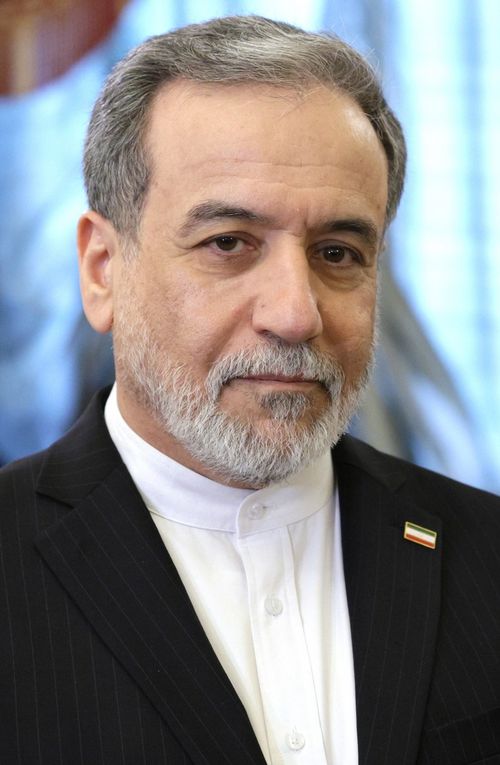
Iranian Foreign Minister Abbas Araghchi received Washington's latest response on Tuesday through Qatari mediators in Doha, then presented it to President Masoud Pezeshkian and Iran's cabinet on Wednesday, according to Reuters and The National News Desk. Iranian reporting described the document as a US counterproposal covering a ceasefire and a framework for wider talks. Reuters characterized it as US feedback on Tehran's own seven-day trust-building plan.
That distinction matters. Publicly, neither government has released the text, and neither has said that a deal is done. A person briefed on the talks told Reuters that Washington and Tehran are arguing principally about sequencing — which side must act first — rather than the broad components. Araghchi is now expected to test whether Iran's political leadership will accept Washington's order of operations or insist that sanctions and blockade relief come before the strait reopens.
The exchange followed a week of direct and indirect diplomacy in New York. Araghchi met US envoys Steve Witkoff and Jared Kushner during the UN General Assembly, while Qatar continued shuttling messages between the parties. The United States and Iran also spoke separately with mediators on Monday. Those contacts produced the first concrete document since President Donald Trump rejected Tehran's initial proposal last week.
What is actually on the table
Iran's original package tied four moves together: a seven-day regional ceasefire, relief from oil sanctions, the release of frozen Iranian assets and an end to the US naval blockade of Iranian ports. In return, Tehran said it could reopen the Strait of Hormuz to normal commercial passage and restart nuclear talks under an enhanced version of the memorandum of understanding reached in June.
The reported US response does not resolve whether Washington accepted those conditions. It appears instead to preserve the seven-day trust-building period while changing the sequence and verification of steps. Reuters reported that the document points toward an enhanced version of the June memorandum and includes concrete nuclear measures, but the official did not disclose those measures.
Trump complicated the bargaining signal on Monday when he rejected reports that he had offered sanctions relief and access to frozen funds in exchange for nuclear progress. “This is untrue. I offered them NOTHING,” he wrote on Truth Social, according to Reuters. Pezeshkian, speaking separately on CBS's Face the Nation, said Iran was ready for negotiations on its nuclear program but would not accept what he called “bullying or coercion.”
Why sequencing is the real dispute
A ceasefire built from reciprocal steps can fail even when both sides agree on the destination. Washington wants evidence that Tehran will stop attacks, restore safe passage and constrain its nuclear program before giving up leverage. Tehran wants sanctions, asset and blockade concessions to be visible before it opens the waterway and makes nuclear commitments. If either side moves first without an enforceable reciprocal step, it risks surrendering its strongest bargaining chip.
That is why the seven-day timetable is not merely symbolic. A compressed schedule reduces the time available for either side to pocket a concession and delay its own. It also raises the danger that one disputed inspection, delayed banking transfer or attack by an aligned armed group could collapse the process before negotiators reach day seven. Qatar's practical challenge is to convert political promises into a synchronized calendar: what happens, who verifies it and what follows if a step is missed.
Araghchi's formulation last week — that reopening Hormuz is contingent on Iran's conditions being met — places the strait at the center of the sequence. The US naval blockade creates the mirror image: Washington can restrict Iranian exports while helping other Gulf producers move cargo. Each side can therefore claim it is protecting navigation while using maritime pressure against the other.
Why this matters: the Strait is leverage, not a switch
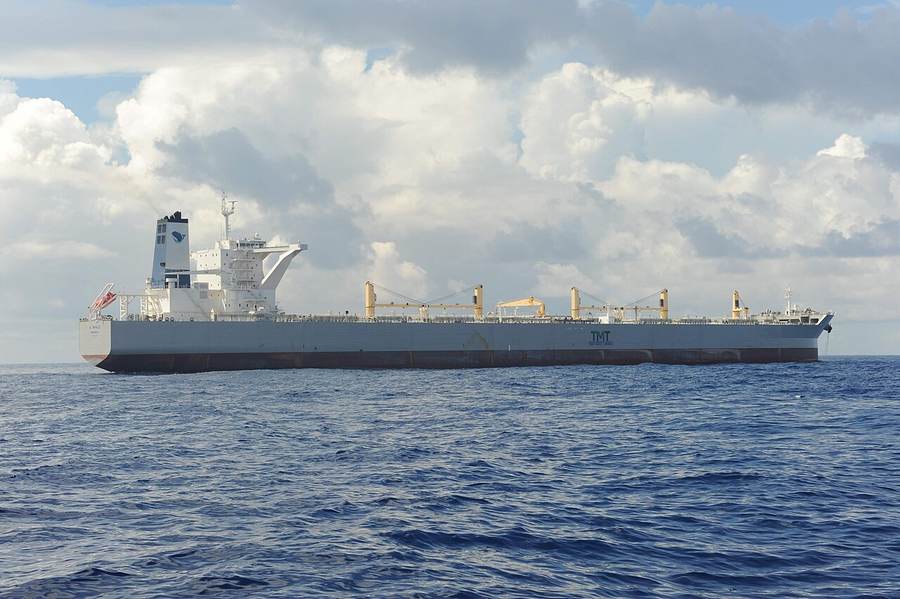
Before the conflict, roughly one-fifth of the world's oil and liquefied natural gas moved through the Strait of Hormuz. That makes reopening consequential for consumers, freight costs and the fiscal stability of Gulf exporters. But “open” and “closed” are misleading absolutes. Cargoes have continued to move under military protection and elevated insurance risk, while some products remain much more constrained than crude.
JPMorgan estimated on September 29 that Middle East crude shipments had recovered to 17.5 million barrels a day, or 98% of pre-war levels. Refined products such as diesel and gasoline were moving at only 3 million barrels a day, or 58% of pre-war levels. Flows through Hormuz itself were nearing 13 million barrels a day, led by Saudi exports. The numbers explain why oil markets can register physical recovery without pricing the conflict as over: the system is moving volume, but at higher operational and security cost, and the recovery is uneven.
That vulnerability was visible hours after the diplomatic message arrived. The United Kingdom Maritime Trade Operations center said three vessels — a crude tanker, another tanker reported in some accounts as an LNG carrier, and a third ship — were struck by unknown projectiles in incidents reported from Tuesday. UKMTO did not identify an attacker. The timing does not establish responsibility or prove an attempt to sabotage talks; it does show how quickly events at sea can outrun diplomacy.
Brent crude's war premium is the market's shorthand for that uncertainty. The benchmark traded around $96 a barrel Tuesday, versus roughly $72 before the war, even as crude volumes recovered; insurance, freight and refined-fuel constraints continue to transmit the conflict into transport and consumer costs. A seven-day pause that lowers attack risk could compress that premium. A failed plan followed by renewed strikes would point the other way.
The seven-month war arc
The conflict began on February 28, when the United States and Israel struck Iran and Tehran retaliated against Israel and Gulf states hosting US bases. Iran then restricted commercial shipping through Hormuz and attacked vessels it accused of unauthorized passage. Washington answered with a blockade of Iranian ports and military support for selected transits. By late September, the confrontation had entered its eighth calendar month.
A June memorandum briefly created a ceasefire framework linking the strait and nuclear issues, but it did not produce a durable settlement. Tehran's new seven-day proposal is therefore less a fresh architecture than an attempt to restore the June bargain with sharper sequencing. The US response tests whether that earlier framework can be repaired or whether the parties are only narrowing the distance before another escalation.
Domestic politics sharpen the deadline. The Wall Street Journal reported that Trump had told aides renewed US bombing was likely after the November midterm elections, while Trump has publicly said electoral politics do not shape his Iran decisions. The report has not been independently confirmed. Either way, the calendar gives both sides an incentive to find a temporary arrangement — and an incentive to avoid making irreversible concessions before US voters go to the polls.
Who wins and who loses
Iran gains breathing room if relief is front-loaded. Access to frozen assets, restored oil revenue and an end to the port blockade would ease immediate economic pressure. Tehran would also preserve the claim that control over Hormuz forced Washington back to the table. Its risk is that reopening the strait reduces leverage before sanctions relief becomes durable.
The United States gains if verification comes first. Safer shipping and concrete nuclear steps would lower energy costs and reduce the need for costly military protection without immediately surrendering sanctions leverage. Washington's risk is that insisting on unilateral Iranian movement makes the proposal politically impossible for Tehran to accept.
Gulf exporters, import-dependent economies and shippers gain most from a verified pause. Lower attack and insurance risk benefits states that depend on predictable energy flows even when they are not parties to the negotiations. Conversely, armed groups and political factions that derive influence from sustained confrontation lose space if the ceasefire holds.
Consumers do not automatically win on day one. Crude throughput can normalize faster than diesel, gasoline, freight and insurance. The 98%-versus-58% split is a warning that headline oil flows can overstate recovery in the parts of the supply chain most visible to households and businesses.
What happens next: three scenarios
1. A synchronized seven-day deal. Qatar brokers a calendar that pairs a pause in strikes and verified nuclear steps with staged sanctions, asset and blockade relief. Shipping security improves first; a more comprehensive nuclear and maritime negotiation follows. This is the clearest route to lowering the war premium, but it requires both governments to tolerate an agreement each can portray only as partial.
2. A managed stalemate. The parties keep the channel open but fail to agree on sequencing. Limited transits continue under military protection, Iran's exports remain constrained and attacks occur sporadically without triggering a full new air campaign. This may be the most politically survivable short-term outcome, but it leaves insurers and energy markets pricing persistent risk.
3. Post-midterm escalation. Diplomacy fails, Washington intensifies airstrikes or the blockade, and Iran expands attacks on shipping or US-linked targets. The immediate losers would be crews, civilians and regional infrastructure; the economic shock would spread through oil, LNG, shipping and refined fuels. This scenario is not inevitable, but the reported US political timetable makes the next several weeks unusually consequential.
What remains unknown
The public record does not yet reveal the US sequencing formula, the specific nuclear measures in the response, the amount or mechanism of any proposed asset release, or how a regional ceasefire would apply to allied groups and adjacent fronts. Washington has not publicly confirmed the counterproposal's terms, and Tehran has not announced a decision. Claims about a finalized ceasefire, sanctions relief already granted or responsibility for the tanker attacks would go beyond the verified evidence.
The next meaningful signal will not be another statement that both sides prefer diplomacy. It will be a matched pair of reversible actions — for example, a verified halt in attacks alongside a defined financial or maritime concession. Until that happens, the US Iran Hormuz ceasefire counterproposal is an opening, not an agreement.
Related Signal Post News coverage
Sources
- Reuters — “Iran receives US feedback on seven-day trust-building plan” (September 30, 2026)
- Reuters — “Trump says he offered Iran nothing for deal” (September 29, 2026)
- The National News Desk — “Iran receives latest US counterproposal for Hormuz ceasefire framework” (September 30, 2026)
- Energy Connects / Bloomberg — “JPMorgan and Goldman see Mideast oil flows near pre-war levels” (September 30, 2026)
- gCaptain / UKMTO notices — “Three more tanker attacks surface in delayed Hormuz reports” (September 30, 2026)
- The National News Desk — “Trump rejects Iran proposal, expects renewed bombing after midterms: report” (September 26, 2026)