Houthi Riyadh Yanbu strikes September 2026

RIYADH — The Houthi Riyadh Yanbu strikes September 2026 marked a new test of Saudi Arabia's air defenses and political restraint on Thursday. The Houthis said they had used ballistic and cruise missiles and drones against what military spokesman Yahya Saree called a “sensitive target” in Riyadh and against Saudi Aramco facilities in Yanbu. Saudi Arabia separately said it intercepted six ballistic missiles aimed toward Taif and the Yanbu area.
The two official accounts do not establish that the claimed targets were hit. Saudi authorities gave no immediate confirmation of an attack on Riyadh, and civil defense issued no emergency alert for the capital. There was no confirmed damage at Aramco's Yanbu facilities, and no deaths or other casualties were reported from Thursday's claimed strikes. The Houthis said their operations achieved their objectives; that assertion could not be independently verified.
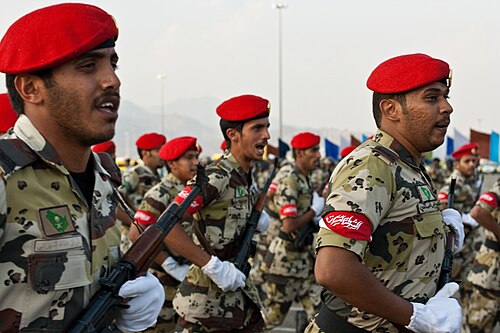
Hours later, Saudi Grand Mufti Sheikh Saleh bin Fawzan Al-Fawzan issued an unusually forceful statement through the state news agency, urging troops on the kingdom's borders to remain ready, obey commanders and be prepared to sacrifice their lives. He described restoring the authority of Yemen's internationally recognized government across the country as an urgent obligation and called for the Houthis' defeat.
What happened on Thursday
Saudi Arabia's account came first: the Saudi-led coalition said air defenses intercepted six Houthi ballistic missiles directed toward Taif in western Saudi Arabia and Yanbu on the Red Sea. A broad emergency warning covered areas including Jeddah and Mecca. Officials did not immediately publish debris images, interception locations or an assessment of possible ground damage.
The Houthis later announced two operations. Saree said ballistic and cruise missiles and drones were used against Riyadh and Yanbu, but he did not identify the alleged Riyadh target or provide independently verifiable imagery. The lack of a Riyadh civil-defense alert and the absence of Saudi confirmation mean the capital claim remains unconfirmed. Likewise, the available public reporting does not establish that an Aramco installation was struck.
The sequence follows earlier exchanges in which both sides presented sharply different descriptions of what was launched, intercepted or hit. The earlier Signal Post News report on the attempted Riyadh strike explains why an alert, an interception announcement and a claim of impact must be treated as separate facts.
Why this matters
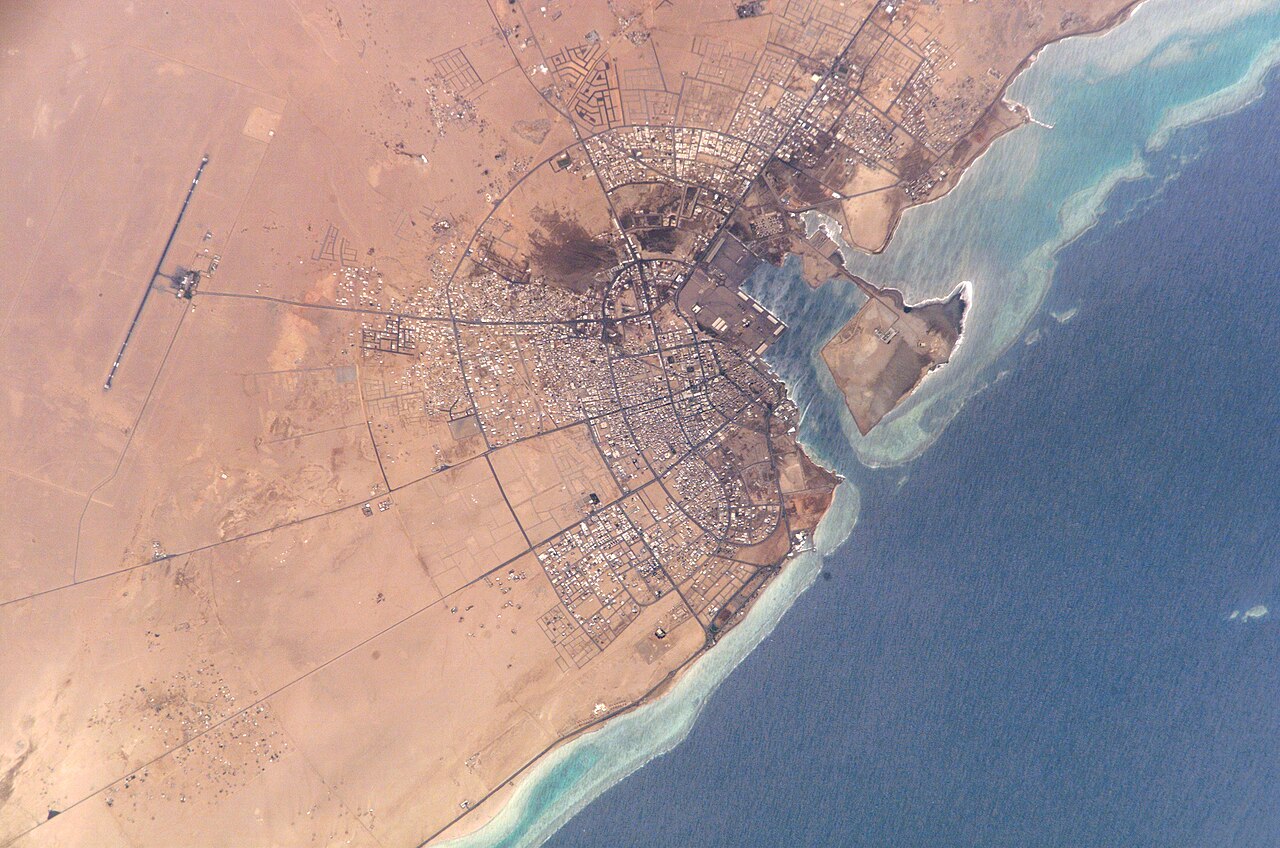
Yanbu is not simply another city on a target list. It is the western end of Saudi Arabia's East–West pipeline and the kingdom's principal Red Sea outlet, a route designed to move crude away from the Persian Gulf. Its value rises when the Strait of Hormuz is disrupted. An attack that interrupted pumping, storage or loading at Yanbu could remove part of the redundancy that protects Saudi exports from a Gulf chokepoint crisis.
That is why even an unconfirmed strike claim can move military planning and shipping risk. Defenders must cover a long arc—from the Yemeni border and Mecca region to Riyadh and the Red Sea energy corridor—while operators and insurers must decide whether the probability of a successful hit has changed. The Houthis gain coercive leverage if Saudi Arabia must allocate more interceptors and aircraft to homeland defense. They do not need to prove they can shut every route to impose costs.
The Grand Mufti's intervention adds a different signal. It is not an operational order and does not prove that a ground campaign has been approved. But a rare statement from the kingdom's highest religious authority, explicitly tying sacrifice to the restoration of the Yemeni government's authority, can prepare domestic opinion for a more sustained military effort. That matters after observers began asking whether Riyadh and its Yemeni partners would try to reverse recent Houthi gains around Bab el-Mandeb.
How we got here
The Houthis seized Yemen's capital, Sanaa, in 2014. Saudi Arabia led a military intervention the following year in support of the internationally recognized government, beginning a campaign that failed to remove the movement from the capital and produced heavy civilian suffering. Large-scale fighting eased after a 2022 truce, even though the political settlement remained unfinished.
That relative calm has broken down. Houthi forces pushed south along Yemen's Red Sea coast and, according to the latest reporting, took control of the Bab el-Mandeb waterway area. Government forces then said they repelled Houthi attacks on the mountain route linking Aden with Taiz. The battle for the Taiz–Aden road is important because control of that supply line determines whether government forces can reinforce Taiz and contest the approaches to the strait.
The conflict is also tied to the wider confrontation with Iran. The Houthis are aligned with Tehran, while they and Iran describe their military actions as defensive. On Thursday, a coalition of about 80 countries at the United Nations demanded the reopening of the Strait of Hormuz and condemned Iran's actions there, Houthi strikes on Saudi Arabia and attacks in the Red Sea. The statement warned that further Houthi advances toward Bab el-Mandeb would increase risks to global trade.
Multiple angles
Saudi Arabia's calculation: Riyadh can answer by reinforcing air defense, expanding strikes inside Yemen or supporting a larger offensive by Yemeni government forces. A limited defensive response lowers the immediate risk of a spiraling exchange but may leave Houthi territorial gains intact. A broader operation could reassure Saudi partners and threaten Houthi positions, while also exposing the kingdom to more missiles, drones, civilian-harm allegations and another open-ended campaign.
The Houthi calculation: Naming Riyadh and Yanbu projects reach, even without verifiable proof of impact. The movement can present interceptions as evidence that it forced Saudi Arabia to expend scarce defenses. But repeated attacks on cities, energy infrastructure or commercial shipping could harden the international coalition against it and provide political cover for expanded Saudi action.
Yemen's internationally recognized government: Its forces stand to gain if Saudi air power and logistics help them hold the Taiz corridor and contest the coast. They also bear the risk that a larger intervention deepens displacement without producing durable control. The campaign's trajectory will depend heavily on Saudi logistics and political backing, narrowing the government's ability to control the pace of escalation.
Civilians and trade: Yemeni civilians lose first if front lines, airstrikes and drone attacks widen. The U.N. civilian-protection warning on Yemen documents the human cost of the renewed fighting. Oil exporters may benefit temporarily from a higher risk premium, but Saudi Arabia loses if threats to Yanbu undermine the reliability of its alternative export route. Importers, shipping companies' customers and crews absorb higher fuel, insurance and security costs.
The numbers behind the escalation
- 6 ballistic missiles: the number Saudi Arabia said it intercepted toward Taif and Yanbu on Thursday. The public account did not identify where each missile was destroyed.
- 2 claimed Houthi operations: one against an unspecified “sensitive target” in Riyadh and one against Aramco facilities in Yanbu. Neither claimed impact was independently confirmed.
- 0 confirmed deaths from Thursday's claimed Saudi strikes: no deaths or other casualties were reported, and damage in Taif, Yanbu and Riyadh remained unconfirmed at publication.
- About 80 countries: the governments backing the U.N. statement demanding the urgent reopening of the Strait of Hormuz and condemning Iran-linked and Houthi attacks affecting regional trade.
- More than 130,000 displaced: the reported scale of displacement during the recent Yemeni escalation. More than 3,000 people were reported to have fled by boat across the Red Sea to Africa.
- 125 civilians killed or wounded: the total documented by the U.N. human rights office in the latest flare-up. It said 32 civilians, including 15 children and three women, had been killed since August; it did not attribute every casualty to one side.
- 12 years of civil war: the conflict dates to the Houthi seizure of Sanaa in 2014 and the Saudi-led intervention in 2015, with only a partial freeze after the 2022 truce.
These figures describe different things and should not be merged. Saudi Arabia's six-missile count concerns one day's defensive activity; Houthi target claims concern intended or alleged effects; the U.N. numbers cover a broader period and geography. None proves that Riyadh or the Yanbu Aramco site was hit on Thursday.
What happens next
- Evidence from Yanbu and Riyadh. Satellite imagery, company disclosures, debris photographs or verified local reporting could establish whether anything reached its target. Until then, the Houthi claims remain claims and Saudi interception statements do not answer every question about impact.
- Signs of a broader Saudi operation. Watch for force movements, an announced mission, increased airstrikes, mobilization by Yemeni government units or new allied deployments. The Grand Mufti's words may help prepare the political ground, but they are not a timetable.
- The Taiz and Bab el-Mandeb fronts. Control of mountain roads and coastal positions will show whether the Houthis can consolidate their advances or whether government forces can reopen access and challenge their hold near the strait.
- Energy-route resilience. The condition of the East–West pipeline, Yanbu loading capacity and shipping advisories will matter more to oil markets than unverified target claims. A verified disruption would be a material escalation.
- Civilian protection and diplomacy. Independent access, casualty documentation and pressure for a monitored pause are the tests of whether military escalation can be contained. The U.N. statement demonstrates broad concern over the two chokepoints, but it does not by itself create a ceasefire mechanism.
The strategic picture is therefore more serious than any single unverified claim but less certain than the rhetoric suggests. Saudi Arabia has confirmed an interception battle, the Houthis have demonstrated an intention to threaten the capital and the Red Sea export corridor, and the Grand Mufti has publicly framed the conflict as a national and religious duty. What remains unknown is whether Thursday's weapons caused damage—and whether Riyadh will turn those signals into a wider campaign.
Sources and reporting notes
- Reuters: Houthis say they attacked Riyadh and Aramco facilities in Yanbu
- Reuters: Saudi Grand Mufti tells troops to be ready to sacrifice their lives fighting Houthis
- Reuters: At U.N., 80 countries demand reopening of Hormuz and condemn attacks
- Reuters: U.N. rights chief says civilians are bearing the brunt in Yemen
- Devdiscourse syndicated report: Saudi interception account and Houthi strike claims
Reporting cutoff: September 24, 2026. Saudi and Houthi battlefield statements are attributed to the parties making them. Signal Post News found no independent confirmation that a target in Riyadh or an Aramco facility in Yanbu was hit, and no deaths, injuries or verified damage from Thursday's claimed strikes had been reported at publication.