France closes 500 schools
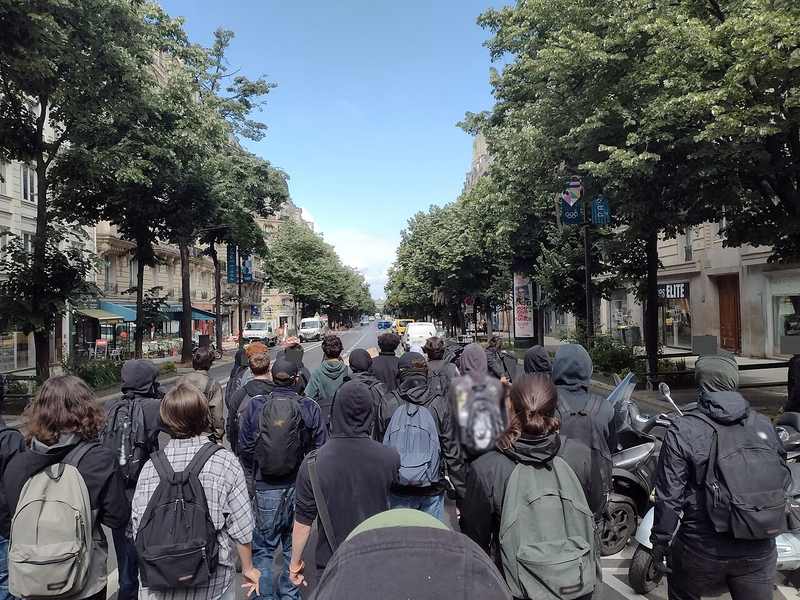
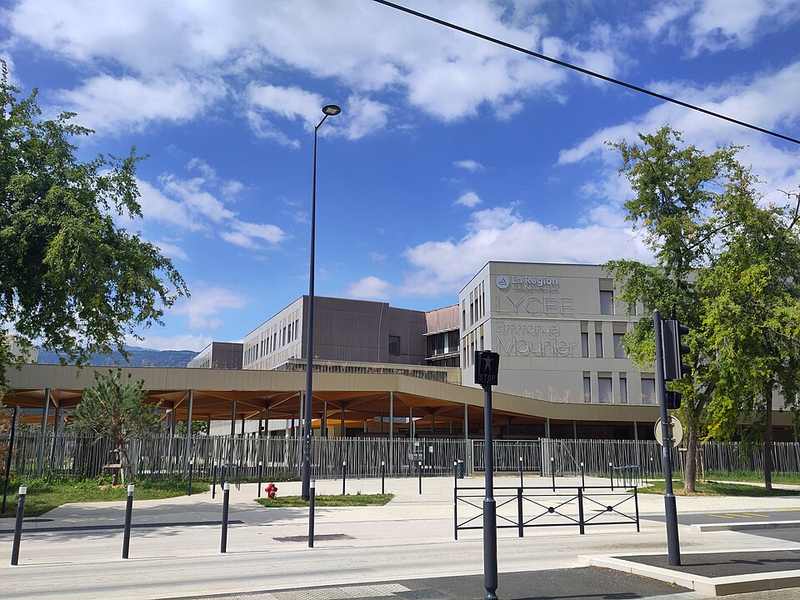
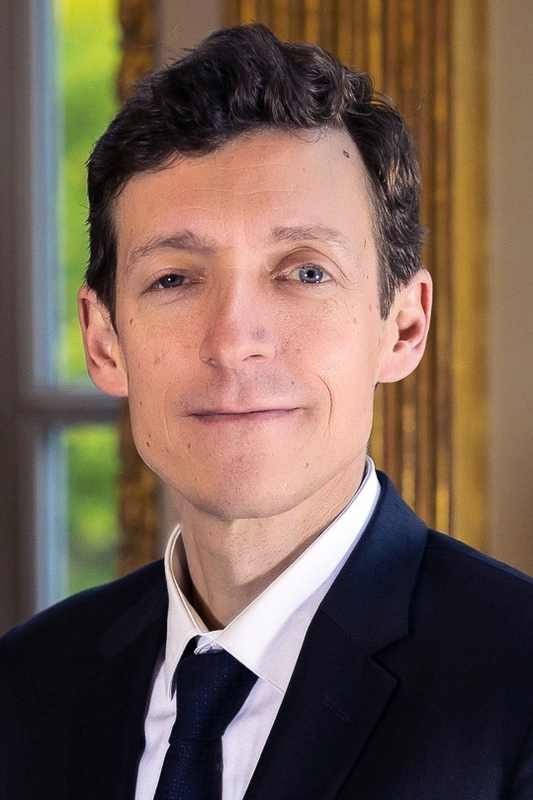
France closes 500 schools is more than a disruption headline. Education Minister Édouard Geffray said between 400 and 500 of the country's roughly 3,700 lycées would be fully or partly closed Monday because adequate security conditions had not been met. Many moved lessons online while authorities prepared for another national mobilization.
The order came after protests that began in Créteil on September 17 expanded across major cities and university campuses. Students have demanded more teachers and support staff, smaller classes, repairs to neglected buildings and relief from long school days and Parcoursup admissions pressure. At the same time, officials say parts of the movement have become dangerous: 24 schools have been burned or ransacked, Geffray said, while arrests have passed 5,000.
Those two realities define the crisis. Organizers argue that years of frustration produced a national education protest whose policy grievances remain legitimate. Police and ministers argue that arson, attacks and organized disorder require closures and robust enforcement to protect pupils, staff and the public. Neither explanation cancels the other.
Why closing 400–500 lycées matters
Temporarily suspending classes at up to one in seven French high schools is an extraordinary peacetime measure. Four hundred schools would equal about 10.8% of the national total; 500 would equal about 13.5%. That scale turns a series of local blockades into a test of the state's ability to keep education functioning while preserving public order.
The closures also shape the political narrative. For the government, they are a precaution intended to prevent injury and contain further damage. For opponents, they are evidence that the authorities have not restored control or resolved the conditions that produced the demonstrations. Parents and students experience both sides at once: staying home may reduce immediate risk, but every lost or improvised school day adds disruption to an already pressured academic year.
The comparison with earlier French school movements is instructive. Lycée students have long been visible in national mobilizations over education, labor and pensions. What distinguishes this episode is the combination of a familiar protest tradition with unusually broad closures, thousands of arrests and a high injury count among both public employees and police.
How the movement spread from Créteil
Staffing, class size and buildings
The first mobilization began September 17 in Créteil, east of Paris, around unfilled posts and resource shortages. Complaints included classes of 32 to 35 pupils, aging or dilapidated facilities and school days students described as too long. The movement then appeared in Marseille, Lyon, Lille, Nantes and Montpellier, giving national form to problems that students say are experienced locally.
The geography matters. Schools in the banlieues have for years been at the center of arguments over whether resources match need. Staffing gaps are felt immediately when a teacher is absent and no replacement arrives; crowded classrooms magnify the effect. Building problems, meanwhile, are concrete evidence pupils see every day. Organizers use those visible conditions to argue that the protests concern the quality and equality of public education, not simply opposition to the government.
By October 1, students at about 30 university campuses had joined blockades. That widened the coalition beyond secondary schools and connected the lycée grievances to broader anxiety about higher education and admissions.
Why Parcoursup became part of the dispute
Parcoursup, the national platform used to manage entry into higher education, has become a recurring focus of student anxiety because teenagers' applications, preferences and offers converge in a high-stakes process. The Union Syndicale Lycéenne wants that pressure reduced, alongside more staff and better facilities. Prime Minister Sébastien Lecornu has promised greater transparency, an acknowledgment that admissions policy is part of the dispute even if transparency alone may not satisfy critics.
For pupils in under-resourced schools, the connection is straightforward: classroom conditions affect preparation, while admissions outcomes determine the next step. Supporters of the system argue that a national platform organizes a complex allocation process and that clearer information can improve trust. Critics argue that procedural clarity does not cure unequal preparation or the stress of waiting for decisions.
The violence and the competing accounts
Geffray said 24 schools had been burned or ransacked and 78 education employees injured, a level of harm he described as unprecedented. The Times reported more than 600 police officers injured. Interior Minister Laurent Nuñez said 1,949 people were arrested on October 1 and 1,747 on Friday. AFP put the cumulative total above 5,000 and said about 85% were minors; authorities said a similar proportion of detainees in the Paris region were under 18.
Those figures are not interchangeable. Arrests are not convictions, and the totals do not establish that every detained person damaged property or attacked anyone. But the scale does explain why authorities see the protests as a security emergency rather than a normal cycle of school demonstrations. When large numbers of minors are involved, police tactics, detention safeguards and parental responsibility become part of the political argument.
Geffray claimed that far-left activists infiltrated and hijacked the student movement, engaged in extreme violence and deliberately targeted teachers. Security officials say masked groups and outside agitators can use large gatherings and blockades as cover. Student organizers contest any attempt to define the entire mobilization by those acts and argue that peaceful participants are being overshadowed by violence they did not direct.
Both concerns require scrutiny. Authorities have a duty to investigate arson, attacks and damage and to protect those trying to attend or work at school. They also face questions about proportionality when crowd-control measures are used around teenagers. Organizers, meanwhile, have an interest in isolating violent actors and maintaining routes for peaceful participation if they want their education demands to remain central.
What the government is offering
Lecornu announced measures Sunday centered on maintaining classes, improving facilities, organizing school days more effectively and making Parcoursup more transparent. The practical test is whether those pledges become funded, scheduled changes that students and staff can see. A promise to keep education running addresses immediate continuity; hiring and repairs address the causes organizers describe.
Justice Minister Gérald Darmanin said 735 of France's 3,700 lycées had been affected “one way or another” by violent protests. Ministers are also accelerating legislation that could make people involved in riots pay up to €10,000 for damage. The proposal would allow liability for someone present during a riot unless that person could show they were not responsible.
Supporters will see the measure as a deterrent and a way to shift repair costs from taxpayers to those responsible. Critics will focus on due process, especially the burden placed on an individual to prove non-responsibility and the likelihood that many defendants are minors. Its political effect may arrive before any court test: it tells voters the government is prioritizing order, while giving protest groups another reason to mobilize against the response.
Who gains and who pays
Students and unions gain national attention for staffing, class sizes, buildings and admissions pressure. Their risk is that violence pushes those issues out of the debate and weakens public sympathy. The Union Syndicale Lycéenne, led by Ryad Rani, emerged from an October 2 meeting with Geffray saying organizers were disappointed; it called for Tuesday's renewed action, with the CGT among major unions joining the mobilization.
The government can demonstrate authority through closures, arrests and new penalties, while Lecornu's proposals give it a policy response. But the larger the shutdown, the harder it becomes to argue that normality has returned. If promises are not specific enough to split moderate protesters from those seeking continued confrontation, enforcement alone may not reduce participation.
Police and education staff carry the immediate physical risk. Hundreds of reported police injuries and dozens of wounded school employees underscore the danger facing public workers. They also operate under close scrutiny: police must distinguish peaceful teenagers from people committing violence, while teachers and administrators must balance safety, access and the right to protest.
Parents and families absorb disrupted work, childcare and learning. Remote instruction can preserve continuity for some, but access, supervision and the quality of lessons vary. Families also face the consequences when a minor is detained or when a school building requires repairs.
Political groups outside the student unions may gain visibility from a wider anti-government confrontation. That creates incentives on both sides to exaggerate their role: ministers can use alleged infiltration to separate legitimate grievances from disorder, while activists may claim broader ownership of a youth movement. Evidence about who organized specific violence remains more useful than sweeping labels.
What the numbers mean
The closure range of 400–500 schools represents roughly 11–14% of all French lycées. Darmanin's broader count of 735 affected schools is nearly one in five. Those numbers describe different things—closures versus schools touched by protests or violence—but together they show the footprint of the crisis.
The arrest figures show extraordinary concentration. Nuñez's 1,949 arrests on October 1 and 1,747 on Friday account for 3,696 detentions across two days. AFP's total of more than 5,000, about 85% involving minors, implies at least 4,250 under-18 arrests if the proportion holds across the final count. That arithmetic is illustrative, not a separate official tally.
The injury and damage counts measure another dimension. Twenty-four burned or ransacked schools are a small share of 3,700, but each represents a learning site that may require repairs, security and public money. Seventy-eight wounded education staff and more than 600 injured police indicate that the cost is not confined to property. At the same time, the figures do not quantify injuries among protesters, an important gap in assessing the full human toll.
What happens next
Tuesday's mobilization tests whether the coalition broadens
The immediate test is the union-backed national mobilization. If turnout grows while violence falls, organizers may strengthen their claim to speak for a broad education movement and increase pressure for negotiations. If arson, attacks or mass disorder recur, the government will have more political space for closures, arrests and the damages legislation.
The CGT's participation can add organization and adult union capacity, but it may also broaden the agenda beyond schools. Whether that helps depends on public perception: a larger coalition can amplify education demands, or it can allow opponents to portray the protests as a general campaign against Lecornu's government.
Three paths: negotiation, containment or escalation
Negotiation would require measurable commitments: dates for filling vacancies, funding and schedules for repairs, class-size relief in the most pressured schools, and concrete Parcoursup transparency changes. A monitoring mechanism involving student and staff representatives could turn broad promises into verifiable progress.
Containment would combine targeted closures, remote learning, policing and prosecutions while the government waits for participation to decline. That approach may restore access in some areas, but it risks extending resentment if students see no movement on the original demands.
Escalation would follow if violent groups continue to exploit demonstrations, if crowd-control encounters produce further serious injuries, or if the €10,000 liability proposal becomes a new rallying point. In that scenario, every new closure can be read by one side as necessary protection and by the other as proof of failure, narrowing the space for compromise.
The central question is therefore not simply whether France can reopen its schools. It is whether the state can separate protest from violence while addressing the conditions that brought students into the streets. Security without policy concessions may suppress disruption without settling the dispute; promises without restored safety may lack credibility with staff and families. The durable outcome depends on doing both.
Sources
- Reuters, October 5 — school closures, protest origins, official injury figures and Tuesday mobilization
- The Times — police injury count and national protest reporting
- AFP — cumulative arrests and the reported share of minors detained
- French education ministry and public statements by Édouard Geffray, Sébastien Lecornu, Laurent Nuñez and Gérald Darmanin
Reporting note: Claims about infiltration, deliberate targeting and the purpose of particular protest groups are attributed to officials or organizers. Arrests do not establish guilt, and rapidly changing totals may be revised.
Image sources: Paris march photograph from Wikinews; Édouard Geffray portrait from Wikimedia Commons; lycée building photograph from Wikiwand.