Formula 1 Rwanda Grand Prix: Rwanda has signed a 10-year deal to host the African Grand Prix at a new purpose-built circuit in Bugesera — returning Formula 1 to Africa for the first time since 1993.
F1 Returns to Africa: Rwanda Lands the African Grand Prix
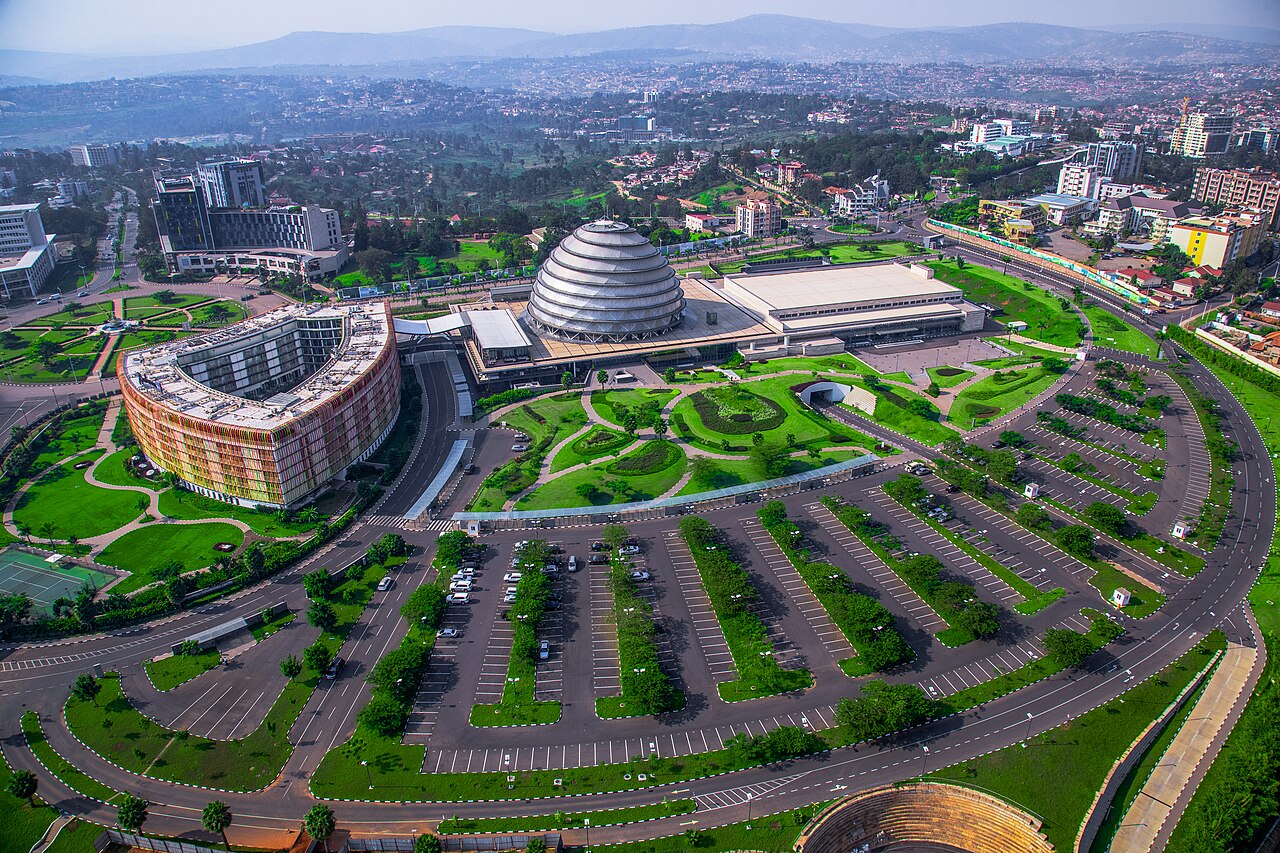
The deal was announced in Kigali with Kagame flanked by Formula 1 chief executive Stefano Domenicali and FIA president Mohammed Ben Sulayem — the two most powerful men in motorsport, in the capital of one of Africa's smallest countries, signing away the sport's last geographic blank. Africa has been the only inhabited continent without a Grand Prix, an anomaly that survived decades of calendar expansion everywhere else. Under the agreement, that ends in the early 2030s, on a reported six-kilometre circuit that does not yet exist, in a district better known until now for the airport being built beside the track site.
What was announced in Kigali
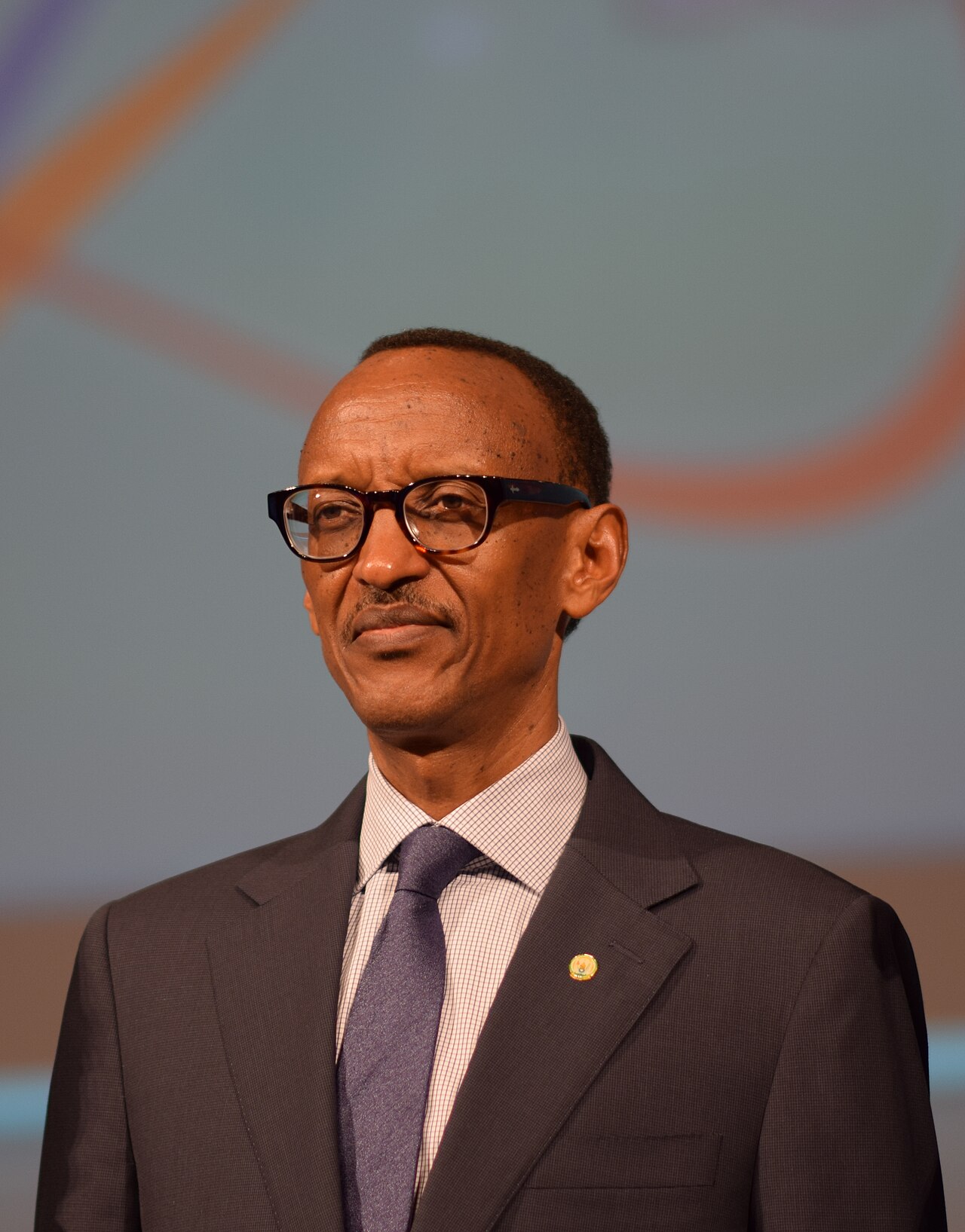
The headline terms are unusually long for modern Formula 1. The African Grand Prix, presented by Visit Rwanda, is contracted for 10 years — a full decade of races, not a tentative toe in the water. The circuit will be purpose-built in Bugesera, the district south of Kigali where Rwanda is also constructing its new international airport, and the layout is reported at around six kilometres with natural elevation changes designed into it. Drivers are to be consulted on the design, an increasingly standard step for new venues that want a track racers praise rather than tolerate. The inaugural year is deliberately unfixed: it depends on the circuit being completed, on the track passing FIA Grade 1 homologation — the sport's highest safety and facilities standard, without which no Formula 1 car may race — and on a slot opening in a crowded calendar.
That sequencing matters, because it converts the announcement from a date into a construction programme. A race in the early 2030s gives Rwanda several years to build, but the clock is real: Grade 1 homologation is not a formality, and circuits that miss their windows have, in other countries, missed their races entirely. The 10-year term is the hedge — a deal structured so that even a delayed start leaves a long runway of races behind it.
Why this matters
Start with the arithmetic of absence. Thirty-three years will have passed, at minimum, between Africa's last Grand Prix and its next one. Formula 1 says it has more than 100 million fans in Africa — a claim that, even discounted as promotional, describes the largest untapped audience on the sport's map. Domenicali's framing of the deal was exactly that: a championship that calls itself a world championship should race on every inhabited continent, and until now it did not. Sponsors and broadcasters hear a simpler version of the same sentence. A calendar with an African round sells an African story to African consumers, in African time zones, for the first time in the sport's modern commercial era.
The length of the deal is the second significance. New races are often announced on shorter terms and quietly renegotiated; a 10-year commitment signals that Formula 1 sees Rwanda not as an experiment but as infrastructure — a fixed point around which the early-2030s calendars will be drawn. For Rwanda, the symmetry is deliberate. Kagame's argument, as he has made it since announcing the bid in 2024, is that the Grand Prix belongs beside the new Bugesera airport as part of the same bet: durable assets that keep producing jobs, skills, visitors and business long after the travelling circus packs up. A race that arrives with an airport is being sold, at home, as development policy with a start line.
Thirty-three years since Kyalami
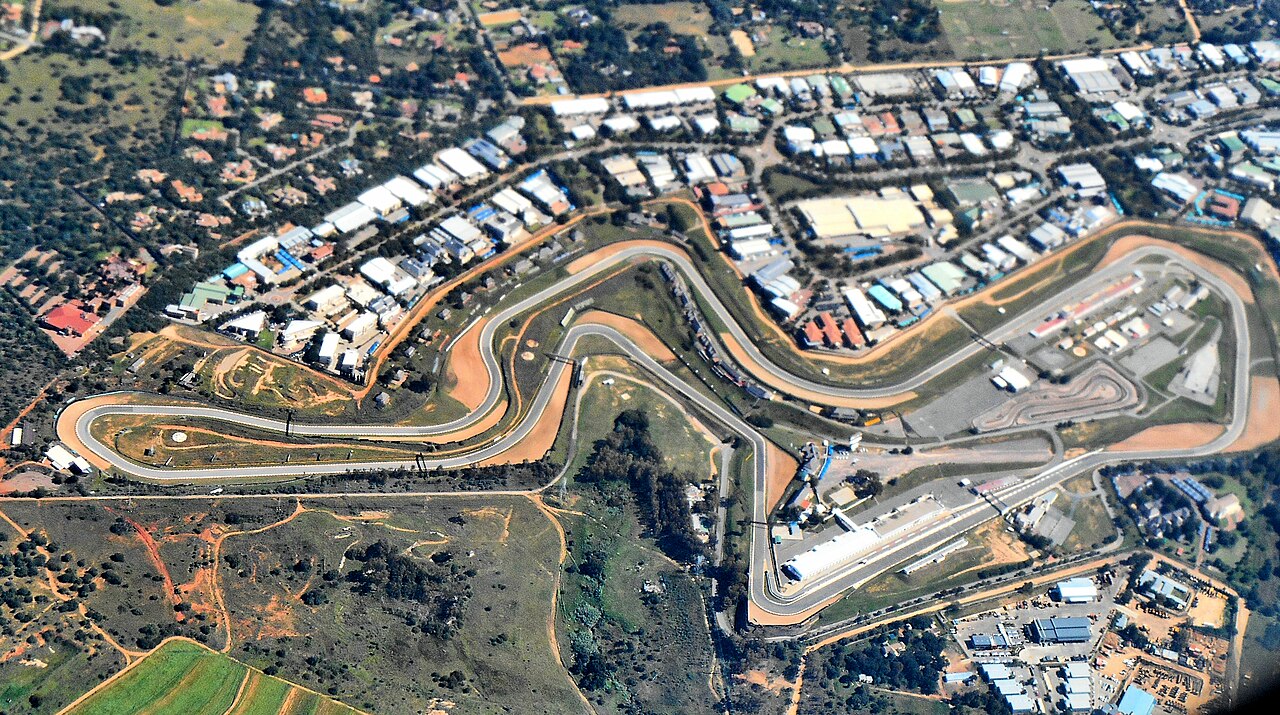
Africa's last Grand Prix was the South African race at Kyalami in 1993, won by Alain Prost. The continent then simply fell off the calendar — through years in which Formula 1 added races across Asia, the Middle East and the Americas, and in which Africa's absence became a standing embarrassment quoted back at the sport by its own drivers. Kyalami itself never died: the circuit north of Johannesburg still stands, still hosts racing, and was for years the sentimental favourite to host any return, precisely because it would have closed the story where it paused.
That the return will instead happen in Rwanda says much about how modern Formula 1 chooses venues. A state willing to build a bespoke circuit to current Grade 1 standards, bundle the race with a national tourism brand — the Grand Prix is presented by Visit Rwanda — and sign for a decade can outrun even history. When Kagame first announced the bid in 2024, the scepticism was open: Rwanda had no suitable circuit, no motorsport tradition to speak of, and no obvious place on a calendar already straining at its seams. The sceptics were answering the wrong question. Formula 1 did not need Rwanda to have a circuit. It needed a partner willing to build exactly the circuit Formula 1 wanted, where it wanted it, for as long as it wanted. That is what was signed in Kigali.
The driver who kept asking
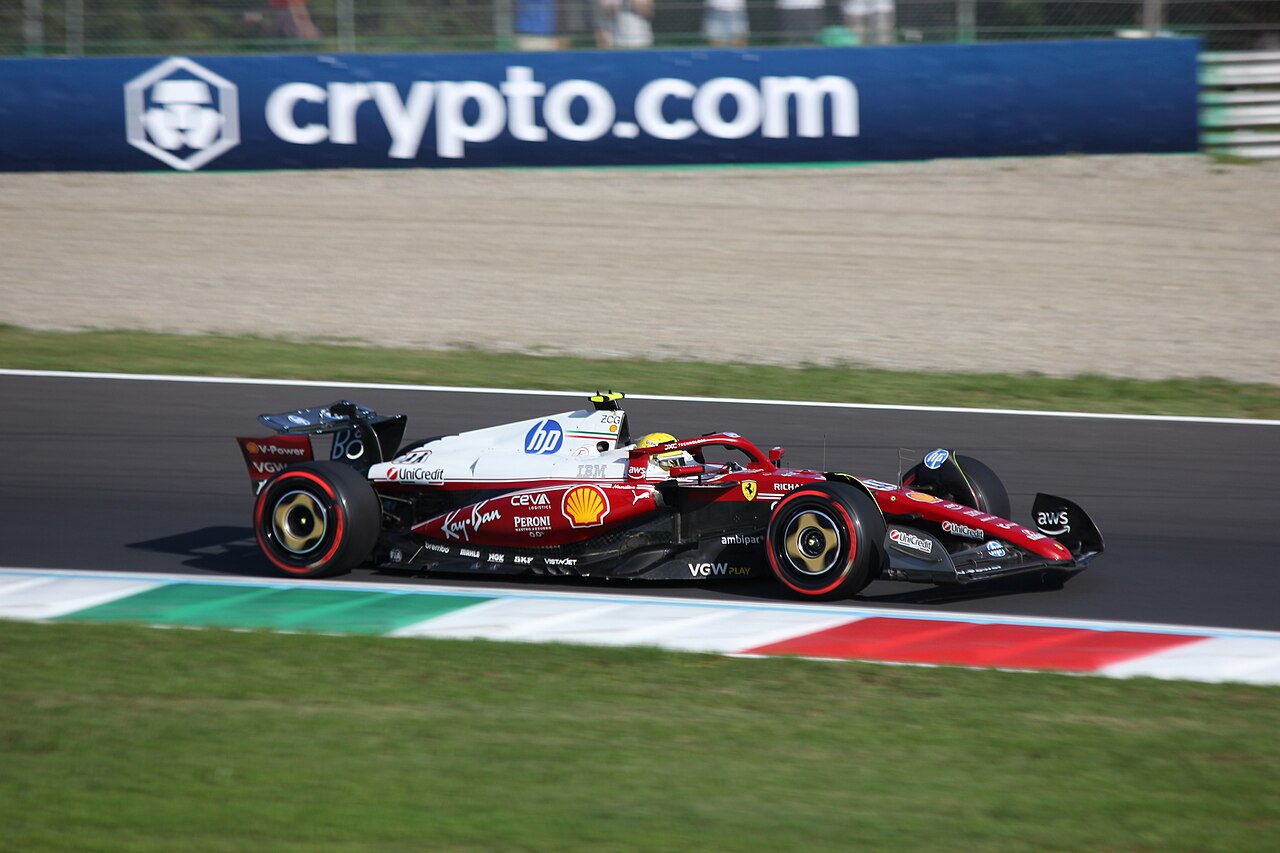
No account of this deal is complete without the sport's most famous voice on the subject. Lewis Hamilton has campaigned for years — publicly, repeatedly, and at times pointedly — for Formula 1 to race in Africa, arguing that a championship which profits from a global audience owes the continent a race. His advocacy did not sign the contract, and it would be wrong to overstate one driver's role in a negotiation between a government and a rights holder. But campaigns like his changed the cost of the status quo: every season without an African race became a question Formula 1's leadership had to answer in public. The announcement in Kigali is, among other things, the answer.
Who benefits, and who does not
The winners are easy to list. Formula 1 gains its missing continent, a decade-long contract, and a host whose national brand is contractually attached to the event. Rwanda gains the largest recurring sporting property ever awarded to the country — a weekend each year in which the global sports audience looks at Bugesera — plus whatever the government can convert that attention into: the jobs, skills, tourism and business of Kagame's framing. Bugesera itself, a largely rural district, gains an airport-and-circuit construction economy followed by a permanent venue. Even the calendar's other promoters gain something subtle: proof that the route to a race now runs through long terms and national partnerships, which raises the value of the slots they already hold.
The losses are quieter. South Africa's long hope of restoring Kyalami to the calendar is, for the length of this deal at least, answered: Africa's returning race will be in Rwanda. Other aspiring hosts on the continent now face a decade in which the African slot is occupied. And inside Rwanda, the opportunity cost is the critics' whole argument — every franc committed to a circuit is a franc not committed elsewhere, in a country where the government is asking citizens to judge the project on development outcomes it has itself named.
The critics' case, and Kigali's answer
Balance requires the other ledger. Rwanda has spent heavily on sports partnerships in recent years — most visibly with Arsenal and Paris Saint-Germain — as instruments of tourism and investment promotion, and the Grand Prix is by far the largest step in that strategy. Rights groups and other critics raise the sportswashing charge: that governments buy association with beloved global sports to redirect attention from their records, and that the glamour of an event like a Grand Prix is precisely the product being purchased. The criticism is not that the race will fail as entertainment; it is that succeeding as entertainment is the point, and that the bill is public money.
Kigali's answer is consistent and was repeated in the framing of this deal: the partnerships and the race are investments, judged on returns — visitor numbers, investment interest, skills transferred, businesses created — and the Bugesera project pairs the circuit with an airport, the least glamorous and most durable kind of national infrastructure. Both sides of this argument are, at this stage, unfalsifiable. A circuit that does not yet exist has produced neither the tourism the government promises nor the white elephant the critics predict. What the 10-year term guarantees is that the argument will be settled by evidence: a decade of races is long enough for the jobs-and-skills claim, and the white-elephant claim, to stop being rhetoric.
What has to happen next
Four gates stand between the signature and the start lights. First, construction: the circuit and its supporting infrastructure must actually be built at Bugesera, alongside an airport project of national scale. Second, homologation: the finished track must earn FIA Grade 1 status, the non-negotiable licence for a Formula 1 race. Third, the calendar: a slot must be found in the early 2030s among promoters who mostly hold contracts of their own — which is why the inaugural year was left open rather than promised. Fourth, the commercial build-out: a race presented by a tourism board succeeds or fails on whether spectators, teams and broadcasters can be moved through a new airport to a new circuit in a district that has never hosted an event of one-tenth this size.
The scenarios branch from there. In the smooth version, construction and the airport proceed together, homologation follows, and the early 2030s open with Africa restored to the calendar on a 10-year footing — the gap that began at Kyalami in 1993 closed at Bugesera. In the harder version, delays compound — construction slips, the calendar slot recedes, and the deal becomes a case study in announcement economics. The structure of the agreement, a long term with a floating start, is designed to survive the second scenario without collapsing into it: there is no single deadline whose miss kills the project.
What is already settled is the direction of travel. A sport that had not raced in Africa for 33 years has now contracted, for a decade, to do so — in a country of Rwanda's size, on a circuit that exists today only as a reported layout and a promise, championed by a president who treats a Grand Prix as industrial policy and questioned by critics who treat it as image policy. The cars will not arrive until the early 2030s. The argument about what they mean starts now.
Related coverage: Formation-lap chaos at Sepang: the meltdown that red-flagged the Bahrain Grand Prix · Verstappen wins amid the Sepang chaos · Haze closes schools across Malaysia as Singapore's Grand Prix weekend approaches