White House press ban extension
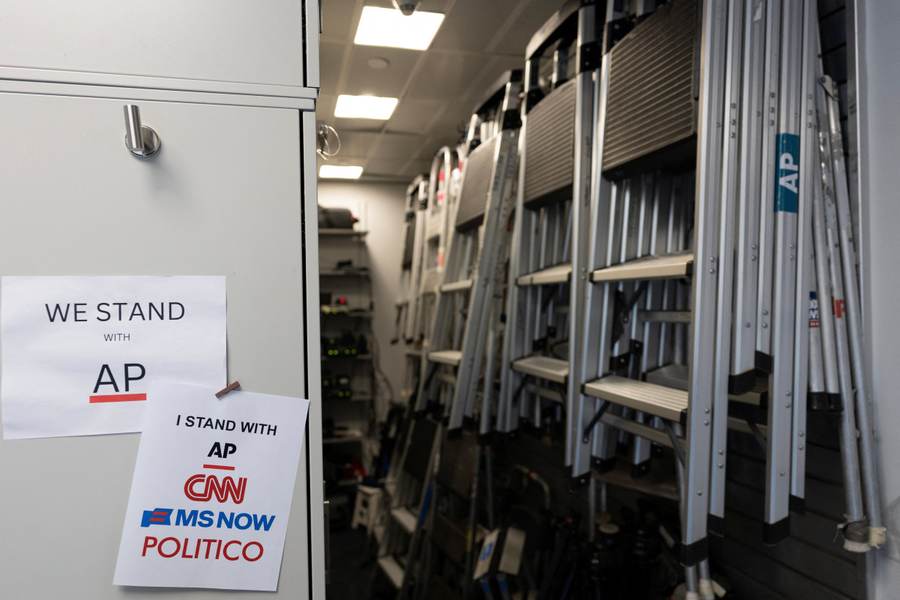
The White House press ban extension request landed Monday, September 28, with a simple objective: prevent the administration from restoring a complete ban on CNN, MS NOW and Politico when U.S. District Judge Timothy Kelly's 14-day temporary restraining order expires on October 8. The outlets asked for a preliminary injunction that would preserve access until Kelly reaches a final decision in the case.
The filing is not a rerun of the original lawsuit. It is the next legal threshold. A temporary restraining order is designed to stop immediate harm while a court gets its bearings; a preliminary injunction can govern the parties for much longer. That means the news organizations now must persuade Kelly that their legal claims are likely to succeed, that renewed exclusion would cause irreparable harm, and that the public interest favors continued access while litigation proceeds.
Reuters reported that the outlets cited CNN's exclusion from an Air Force One trip to Tennessee on Friday as evidence that the White House has continued applying the policy “unpredictably and inconsistently” despite the court order. USA Today reported that the White House restored the passes but continued blocking CNN from presidential travel, sharpening the distinction between access to the grounds and access to the places where presidential news is made.
Why this matters: access can be narrowed without revoking a badge
The practical stakes are larger than three laminated credentials. A White House pass opens the gate, but meaningful coverage also depends on briefings, pool rotations, event assignments and travel manifests. If an administration can comply with an order at the gate while excluding an outlet from the aircraft, the pool or the room, the formal victory can become operationally hollow.
That is why the Air Force One episode matters to the preliminary-injunction fight. CNN's Friday exclusion gives the plaintiffs a concrete example rather than a forecast. Their argument is that discretionary access decisions can recreate the same burden through smaller, harder-to-review acts. The administration can answer that no outlet has a guaranteed seat on every trip and that logistical and security judgments necessarily vary. Kelly must decide whether those explanations describe ordinary pool management or the continuation of a viewpoint-based ban by other means.
The public interest runs through that question. The press pool is not a private perk for a handful of brands. It is a shared reporting system built for spaces where every outlet cannot fit. When a pool member is excluded, the consequence can reach broadcasters, newspapers and audiences that depend on its notes, photographs and live feed.
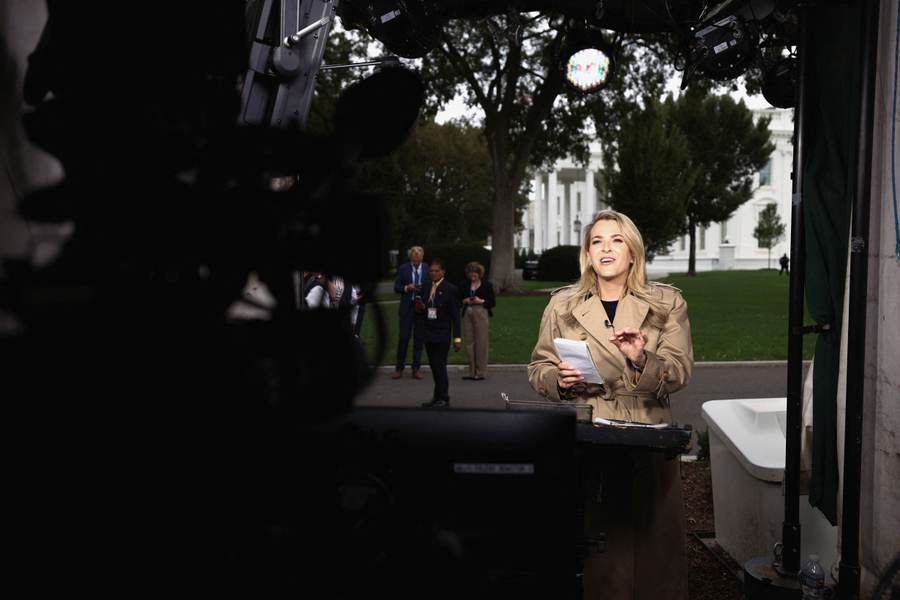
How the Trump media ban lawsuit reached this point
Trump announced the exclusions on September 18, accusing the three organizations of publishing “fake news.” The outlets sued on September 21, arguing that the government retaliated against protected reporting and removed access without fair procedures. After a hearing, Kelly issued his order on Thursday, September 24. Our earlier coverage examined the arguments at the press-ban hearing and Kelly's decision to restore access for 14 days.
Kelly is a Trump appointee, but the September 24 ruling did not turn primarily on whether judges should supervise presidential press relations. It rested on due process: the reporters were not given notice of a governing standard or a meaningful chance to respond before their credentials were taken. USA Today reported that Kelly found the lack of notice and opportunity to be heard likely unconstitutional, and that the evidence preceding the suit did not support the administration's later national-security rationale.
That due-process route is narrower than declaring a broad First Amendment right to every White House space. It is also potentially durable. Courts are often reluctant to dictate the mechanics of presidential access, but they are more comfortable insisting that government benefits cannot be withdrawn through unexplained, standardless punishment. The question now is whether the same reasoning supports a longer order and whether subsequent travel exclusions show that clearer limits are needed.
What each side says — and who gains from delay
The outlets say the administration's words and actions leave little doubt it “will immediately reinstitute a complete ban” if the temporary order lapses. They characterize the ban as retaliation for reporting the president dislikes. Their strongest factual advantage is timing: Trump publicly criticized the organizations, access was removed, a judge restored it, and CNN was still left off the Tennessee flight.
The Justice Department has argued that Trump acted lawfully and that national-security concerns justified the exclusions, including allegations that coverage exposed classified information. The administration's strongest institutional argument is that courts should not convert discretionary invitations and limited-capacity assignments into permanent entitlements. A preliminary injunction, it may argue, would intrude on security and scheduling decisions before the full factual record is complete.
Delay benefits the outlets because every protected day allows their reporters to gather news from inside the White House. It also benefits the administration in one respect: a stable interim order may keep the dispute from producing daily gate confrontations while lawyers develop the record. The immediate losers are smaller outlets and the broader press corps if access rules remain unwritten or selectively applied; they must plan coverage without knowing which assignment may become the next boundary test.
Critics see a deeper democratic risk. USA Today reported that the ACLU sought permission on September 29 to support the outlets, warning that erosion of press protections can accompany democratic backsliding. The administration and its supporters reject comparisons to authoritarian systems and emphasize the president's authority to manage proximity, security and limited space. The court does not need to settle that sweeping political argument to rule on the narrower legal one.
The October 8 clock and Friday response deadline
The numbers define the pressure. Kelly's order lasts 14 days. It expires Thursday, October 8. The administration's response is due Friday, October 2, according to CNN's statement reported by Reuters. That leaves the court less than a week after the response to consider the papers, hold further argument if needed and decide whether protection continues.
The compressed timetable matters because any gap could be consequential. If the temporary order expires before a new injunction is entered, the outlets say the complete ban could return immediately. The administration could then argue that it is merely exercising authority no longer restrained by a court. The plaintiffs would likely seek emergency relief, but even a short interruption could affect briefings, travel and pool coverage.
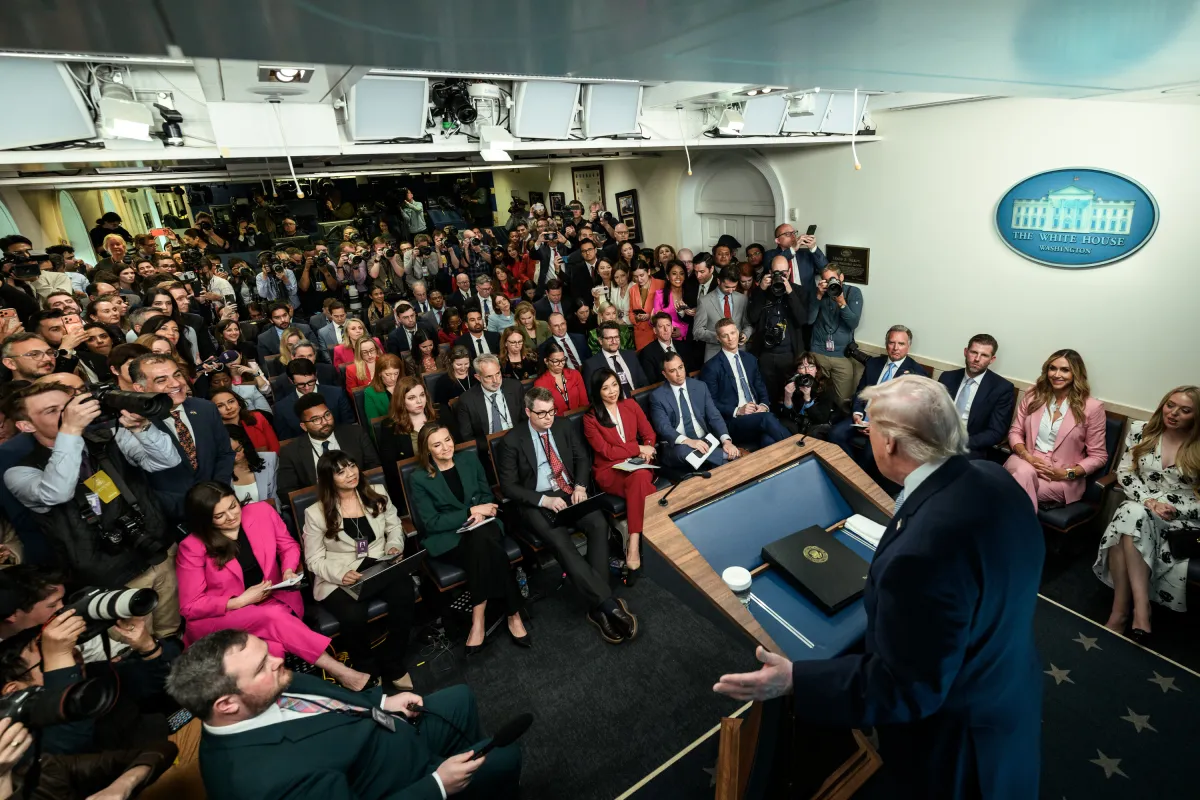
Trump added a symbolic layer on September 28 when he posted images on Truth Social suggesting the main briefing room could be turned into a “swimming pool,” according to USA Today. The post does not itself change access rules. But in litigation centered on whether officials are punishing disfavored coverage, presidential statements can become evidence of purpose and future intent. The plaintiffs will use the administration's rhetoric to argue that the threat has not passed; the administration can call the post political theater unrelated to credential procedure.
What happens next if Kelly grants — or denies — the injunction
If Kelly grants the preliminary injunction, CNN, MS NOW and Politico would retain White House access while the case proceeds. The most important detail will be scope. An order limited to restored credentials may leave travel and pool assignments contested. A broader order requiring consistent treatment could reduce that ambiguity but invite an immediate appeal from the administration.
If Kelly denies the request, the 14-day protection would expire on October 8 unless an appeals court intervenes. The White House could reinstate the full ban, and the outlets could seek emergency relief from the U.S. Court of Appeals for the D.C. Circuit. Denial would not necessarily end the underlying lawsuit; it would determine who bears the practical cost while the merits are litigated.
A narrower middle path is also possible. Kelly could extend the order briefly, demand written criteria for credential and travel decisions, or preserve access while allowing case-by-case security exclusions supported by a record. That approach would treat due process as the core problem without declaring that every assignment is judicially enforceable.
The next meaningful signal arrives with the administration's Friday response. Watch whether it defends the original ban broadly, distinguishes ground access from Air Force One travel, or offers formal standards that did not exist on September 18. Also watch whether Kelly addresses CNN's Tennessee exclusion directly. The legal fight began with three organizations being told they could not enter. It has evolved into a harder question: what counts as genuine access when the White House controls the gate, the room, the aircraft and the camera position?
Sources: Reuters, September 29, 2026; USA Today, September 29, 2026.