TECHNOLOGY · FINANCE · INDIA

The Apple Pay India launch on September 30, 2026, is both a landmark and a lesson in restraint. Apple has brought its wallet to the world's most populous country through Axis Bank, India's third-largest private lender, but only Axis-issued credit cards running on Visa or Mastercard can be added at the start. RuPay cards are excluded. UPI payments are not supported. HDFC Bank, ICICI Bank and SBI Card—the issuers that would turn a foothold into a mass-market network—are still outside.
That makes this less a conquest than a carefully negotiated beachhead. Apple Pay works on iPhone, iPad and Apple Watch, with Mac support promised later. Transactions use Face ID, Touch ID or a passcode rather than a card PIN or a one-time password at the point of payment. Apple says the actual card number is not stored on the device or on its servers. Those features are familiar in the more than 90 countries and regions where the wallet already operates. In India, however, familiarity elsewhere does not guarantee scale.
“India is home to a dynamic and digitally savvy population that continues to embrace a cashless future while expecting the highest standards of security and privacy, and we're so excited to bring Apple Pay to users in India today.”
Jennifer Bailey, Apple's vice president of Apple Pay and Apple Wallet
Why this matters
India is not an underdeveloped payments market waiting for an American technology company to modernize it. It is the opposite: a market whose public digital infrastructure moved so quickly that Apple had to spend more than twelve years finding a viable place inside it. UPI, the real-time bank-transfer system, accounted for 84% of digital-payment volume in 2025, according to an IMF report, and is the world's largest retail fast-payment system. Apple is entering after the habits, merchant acceptance and economics of daily payments have already been remade.
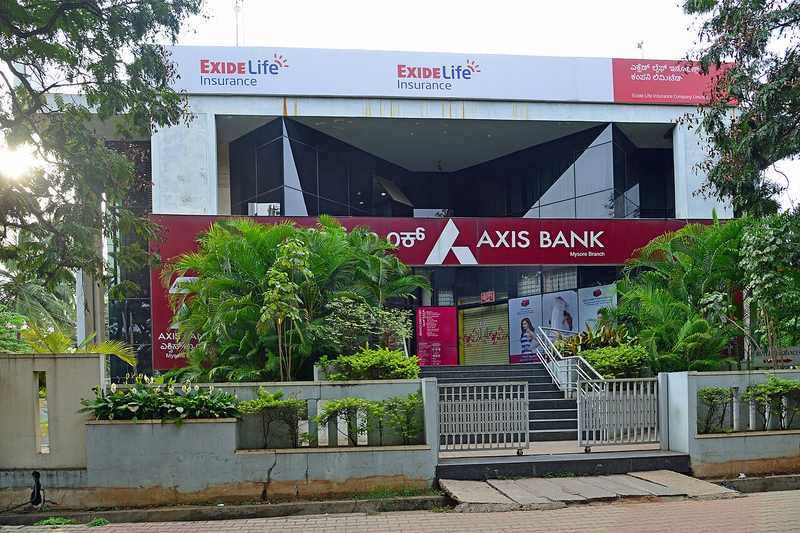
The launch still matters because Apple rarely treats payments as a standalone product. Wallet use strengthens the value of owning an iPhone, Apple Watch and related services. For Axis Bank, becoming the first Indian issuer inside Apple Pay gives 16.3 million credit cards a distinctive benefit in a national market of 124 million cards. For premium customers, the convenience is tangible: a tap at a compatible terminal, authenticated on the device, without exposing the underlying card number.
But the numbers also enforce humility. Axis represents about 13% of India's outstanding credit-card base—16.3 million divided by 124 million—and only a subset of those cardholders use compatible Apple devices and make contactless credit purchases. UPI's 84% share measures payment volume rather than value, yet it captures the central challenge: Apple Pay is not replacing India's default checkout behavior. It is adding a premium card layer beside it.
Apple Pay Axis Bank: a first-mover advantage with limits
The Apple Pay Axis Bank partnership gives each side something the other lacks. Apple gets an issuer willing to accept the commercial and technical terms needed for an Indian launch. Axis gets a marketing advantage over HDFC, ICICI and SBI Card among customers who already pay a premium for Apple hardware. That can help the bank attract higher-spending users, increase card usage and present itself as the industry's fastest mover.
Axis's 16.3 million cards are substantial but not sufficient to make Apple Pay universal. The total market is roughly 7.6 times larger. Even if every eligible Axis customer enrolled—which will not happen—the wallet would still miss most Indian credit cards, all debit-card and account-to-account UPI use, and the entire RuPay segment. The partnership is strategically smart precisely because it is a controlled test: enough scale to reveal demand, not enough to force every rival bank to accept Apple's economics immediately.
Apple Pay India UPI: the giant outside the wallet
The crucial absence is Apple Pay India UPI support. UPI moves money directly between bank accounts, is embedded in QR codes across formal retail and street commerce, and generally offers merchants a different cost structure from card acceptance. Google Pay, PhonePe and Paytm built enormous Indian usage around UPI rather than around tokenized credit cards. Apple Pay's initial design therefore competes in the smaller, richer part of the market while bypassing the rail that defines everyday digital payment in India.
That choice may be regulatory as much as strategic. Operating directly on UPI can raise licensing, data-localization and platform-governance questions. MediaNama reported that Apple may need a third-party application provider license—or a compliant partner structure—to offer UPI functionality. Until that question is settled, the wallet can use the established card networks and merchant terminals without pretending it is a full substitute for India's account-to-account system.
The 12-year wait since Apple Pay's U.S. debut in October 2014 is best understood through that divergence. In the United States, Apple inserted tokenized cards into an existing card economy. India built a public payment rail that made the phone number, QR code and bank account more central than the plastic card. Apple's model was technically mature long before it was commercially aligned with the Indian market.
Apple Pay RuPay not supported—and why that is politically sensitive
Apple Pay RuPay not supported is more than a checklist omission. RuPay is India's homegrown card network, promoted as a domestic alternative to Visa and Mastercard and linked to wider goals of payment sovereignty. Launching with only the two global networks leaves Apple exposed to criticism that its Indian product begins at the premium, internationally connected end of the market while excluding national infrastructure.
There is a practical explanation: Visa and Mastercard already operate within Apple's global tokenization architecture, while RuPay integration requires separate commercial, technical and regulatory work. Yet the optics matter. If Apple wants the wallet to be seen as part of India's payment future rather than a convenience for affluent iPhone owners, RuPay support—or a credible path to UPI—will eventually become difficult to avoid.
Apple Pay India transaction fees meet zero-fee expectations
Commercial terms are the hardest unresolved issue. Reuters reported that Apple was seeking roughly 20 basis points per transaction—about 0.2%—in negotiations with Indian banks. On a ₹10,000 purchase, 20 basis points equals ₹20 before considering how the wider merchant and network fee stack is allocated. That may appear modest in markets accustomed to card interchange, but it clashes with an Indian payment culture shaped by UPI's low or zero merchant charges for many routine transactions.
The Apple Pay India transaction fees debate is therefore not about whether Apple deserves to be paid for security and wallet integration. It is about who absorbs that cost and whether the wallet produces enough incremental spending, loyalty or fraud reduction to justify it. Banks that already control large credit-card portfolios can bargain harder than Axis did. Merchants will resist any proposition that makes an Apple tap more expensive than a UPI scan without delivering a correspondingly better sale.
Apple Pay HDFC ICICI negotiations will decide whether this scales
The missing issuers matter more than the launch-day merchant list. HDFC Bank, ICICI Bank and SBI Card are not participating at launch, and talks over commercial terms continue. If even one of those institutions joins, Apple can claim that Axis was a first step rather than a ceiling. If all three remain out for an extended period, the wallet risks becoming a narrow perk attached to one bank instead of a network effect across the iPhone base.
The Apple Pay HDFC ICICI negotiations also test bargaining power. Apple can point to affluent customers, high device engagement and its international security record. The banks can point to their own apps, large card portfolios and the fact that Indian consumers already have convenient digital-payment options. Neither side is desperate. That makes the eventual fee structure a signal for the whole market: whether Apple is adapting to India or asking India to adapt to Apple.
Apple Pay vs Google Pay India is not a simple wallet contest
A headline comparison of Apple Pay vs Google Pay India can be misleading. Google Pay in India is fundamentally a UPI interface connecting bank accounts; Apple Pay at launch is a device wallet tokenizing eligible credit cards. One is optimized for the ubiquitous QR-code and bank-transfer economy. The other emphasizes contactless card acceptance, hardware authentication and the Apple ecosystem.
Apple can still compete effectively within that narrower lane. Premium iPhone users may value faster checkout, Apple Watch payments and privacy architecture. But Apple should not mistake high-value transactions for broad adoption. Google Pay, PhonePe and Paytm have already trained consumers and merchants around interoperable UPI behavior. To challenge them in usage frequency, Apple needs UPI. To succeed without it, Apple needs to dominate premium contactless card spending.
Apple Pay India merchants: broad acceptance, narrow eligibility
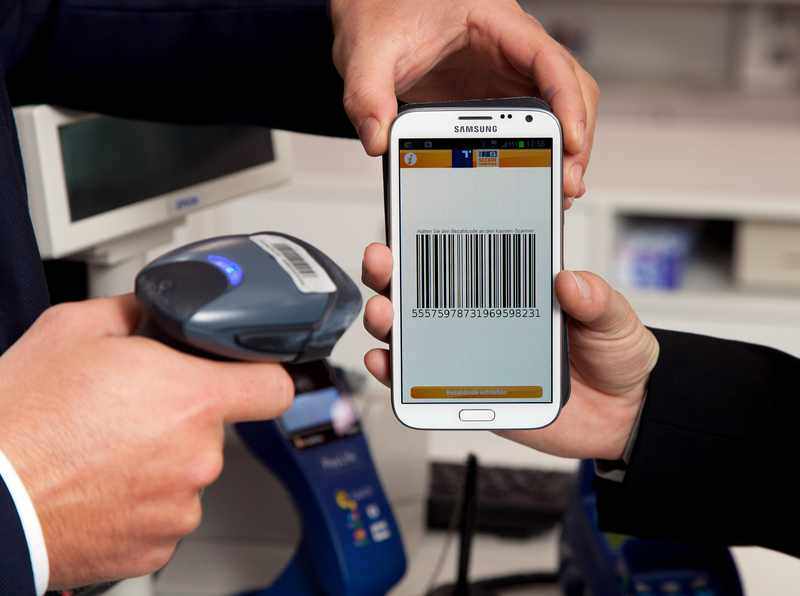
Apple says the service is accepted at millions of merchants, including Apple Stores, Blinkit, Croma, Ixigo, Tata 1mg and Zomato. Cashfree, JusPay, Paytm, PayU, Pine Labs, Razorpay and Worldline are among the payment providers enabling acceptance. That roster is important because it reduces a classic wallet problem: users need confidence that the next terminal will work before they bother adding a card.
The Apple Pay India merchants story nevertheless has two layers. Terminal acceptance can be broad while customer eligibility remains narrow. A retailer may be ready for Apple Pay, but most shoppers cannot use it unless they hold an eligible Axis credit card and an Apple device. The network on the merchant side is ahead of the network on the issuer side. Success will depend on closing that gap.
Apple Pay contactless India: who benefits, and who is squeezed
The most immediate beneficiaries of Apple Pay contactless India are premium iPhone and Apple Watch users who already rely on cards. They gain a cleaner checkout flow and a security model that does not expose the underlying card number. Axis benefits from differentiation. Apple benefits when Wallet becomes another reason to remain inside its hardware and services ecosystem. Visa and Mastercard benefit because the launch reinforces card-network relevance in a market dominated by UPI.
The squeezed parties are more complicated. RuPay loses visibility at launch, though not transaction volume it never had inside Apple Pay. UPI incumbents face a new premium rival but retain overwhelming scale and habit. The biggest banks holding out risk appearing slower to affluent customers, yet they also preserve leverage over Apple's fee demand. Critics will reasonably argue that the launch serves a relatively small, wealthy audience. Supporters can answer that innovations often start where economics support them and then broaden.
India digital payments 2026: what success actually looks like
In India digital payments 2026, success should not be measured by whether Apple Pay displaces UPI. That would be the wrong contest. The better measures are enrollment among eligible Axis customers, repeat usage, contactless-card share, merchant success rates, fraud performance and the speed at which additional issuers join. A small share of India's payment volume can still be strategically meaningful if it captures high-value retail transactions and strengthens Apple's ecosystem.
The risk is that Apple celebrates availability while usage stays thin. India has many payment products that can technically work at many merchants; the winning systems are those that become automatic. For Apple Pay, automatic behavior means an iPhone owner double-clicks and taps without first wondering which bank issued the card, which network sits behind it or whether a UPI QR code would be simpler.
Apple Pay iPhone India: security claims meet everyday practice
Apple's strongest case in Apple Pay iPhone India is the combination of hardware and payment security. Face ID, Touch ID or a passcode authorizes the transaction. The actual card number is not stored on the device or on Apple's servers. A device-specific token is used instead, reducing the value of intercepted payment data. No card PIN or OTP is required for each transaction, which can make checkout materially faster.
That convenience will invite scrutiny. Consumers and regulators will want clear answers about disputed transactions, device loss, token suspension, data localization and accountability across Apple, Axis, the card network and the merchant. Security architecture can reduce certain risks without eliminating customer-service failures or fraud. Apple and Axis will have to make the protections legible, not merely technically strong.
What comes next
Four developments will determine whether this launch becomes a turning point. First, HDFC Bank, ICICI Bank or SBI Card must join on terms both Apple and the issuers can defend. Second, Apple needs a RuPay strategy, a UPI strategy or both. Third, promised Mac support must arrive without fragmenting the customer experience across devices. Fourth, the merchant-acceptance claims must translate into reliable taps at the checkout counter, not just logos in an announcement.
The UPI-license question is the most consequential. If Apple obtains or partners into UPI access, it can compete for daily frequency rather than occasional premium-card use. If it does not, the company can still build a valuable contactless business, but its ceiling will be set by India's card base and Apple's device share. That may be profitable. It is not the same as becoming a central Indian payment interface.
The balanced verdict is that Apple's late arrival is not evidence of failure; it is evidence of how strong India's domestic payment system became before Apple could enter. Axis Bank gives the company a credible start. Visa and Mastercard give it tested rails. Millions of merchants give it places to work. Yet UPI's 84% share, RuPay's exclusion and the absence of the largest issuers show how much remains unresolved. Apple Pay has launched in India. The harder task—becoming Indian in its economics and infrastructure—has only begun.
Sources
- Reuters — Apple Pay launches in India with Axis Bank partnership
- TechCrunch — Apple Pay set to launch in India with Axis Bank
- MediaNama — Apple Pay and the UPI licensing question
Reporting cutoff: October 2, 2026 at 11:54 p.m. PDT. The launch details, issuer participation, card counts and reported fee negotiations are based on the cited reporting. Analysis and calculations are Signal Post News's own.