Sports / Austin, Texas — Antonelli wins US Grand Prix honours the way champions are supposed to: from pole, on a strategy his rivals tried and failed to break, by 13 seconds. The only thing Kimi Antonelli did not win on Sunday at the Circuit of the Americas was the world championship itself — Lewis Hamilton's fourth place and George Russell's eighth kept the mathematics alive by the narrowest of margins, and the coronation moves to Mexico, where the 20-year-old needs just two points to become the youngest champion in Formula 1 history.
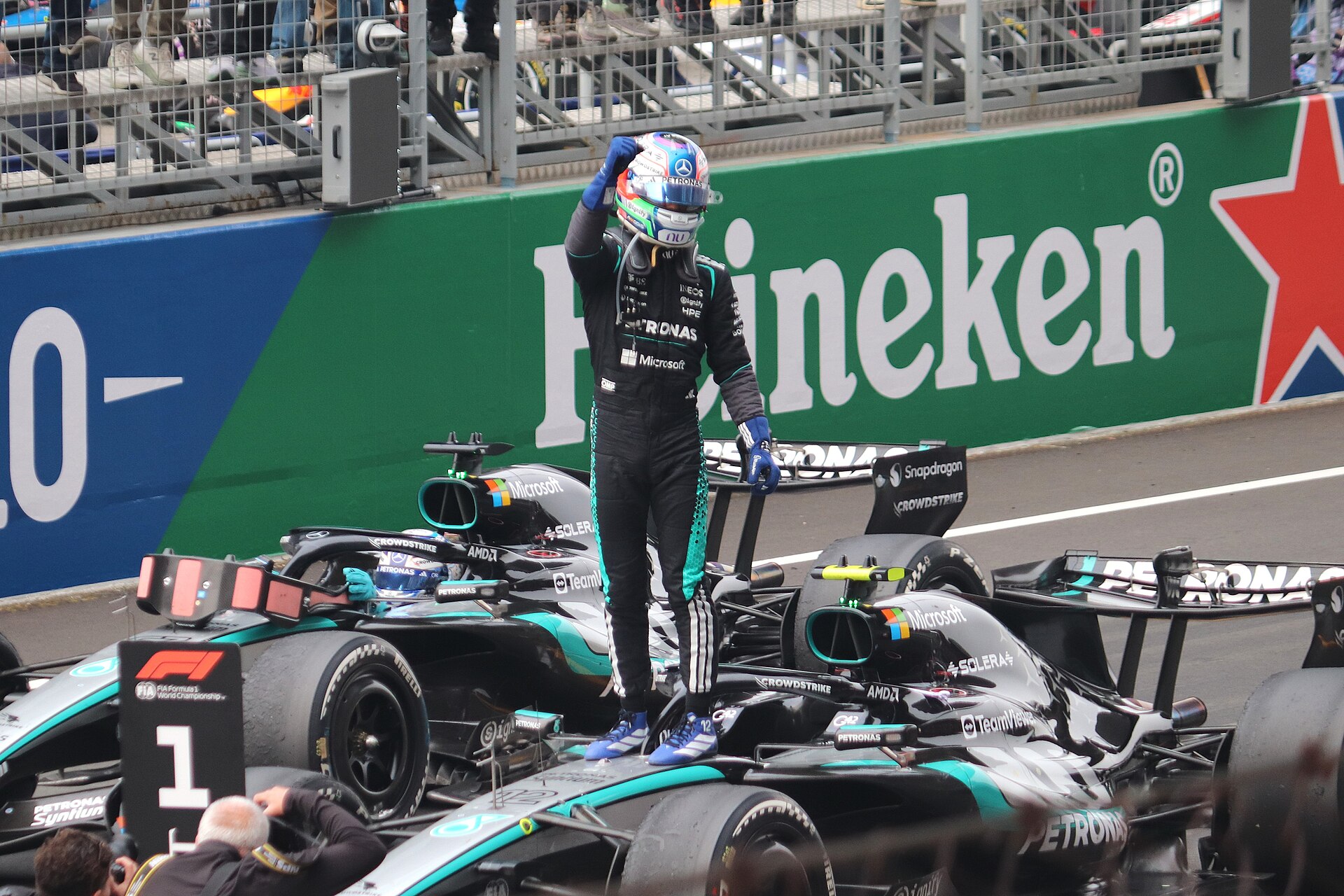
Antonelli wins US Grand Prix — the ninth victory of his 2026 season — and for most of the 56 laps at the Circuit of the Americas on Sunday, October 25, it never genuinely looked in doubt. Starting from the pole position he had taken on Saturday, the Mercedes driver held the lead into Turn 1 while second-placed Max Verstappen made a poor getaway and was immediately vulnerable: Charles Leclerc, who had already picked off Isack Hadjar, swept past the Red Bull through the Esses, and Hamilton, starting on used soft tyres, also worked his way past Hadjar. Antonelli simply drove away from the argument behind him, controlling a lead of about three seconds while the race sorted itself out in his mirrors, according to Autosport's race report.
The final classification tells the story of a controlled afternoon. Antonelli completed the 56 laps on a single pit stop; Leclerc finished second for Ferrari, 13.078 seconds behind; Verstappen was third for Red Bull, a further 4.4 seconds back at +17.485; Hamilton fourth (+18.515); reigning champion Lando Norris fifth for McLaren (+30.521); Hadjar sixth (+34.373); Oscar Piastri seventh (+52.674); Russell eighth (+54.303); Liam Lawson ninth for Racing Bulls; and Pierre Gasly tenth for Alpine, taking the final point. Three drivers failed to finish: Haas's Oliver Bearman, Alpine's Franco Colapinto and Cadillac's Valtteri Bottas, whose late engine trouble triggered the second of two brief virtual safety car periods.
How the race was won — Mercedes refused the bait
The strategic heart of the race was a dare, and Mercedes declined it. Red Bull, watching Antonelli control the pace, rolled the dice early: Verstappen was called in on lap 14 for a second set of soft tyres, committing him to a two-stop race and hoping the undercut pressure would drag Mercedes off its plan. It did not. Mercedes kept Antonelli out, ran him long on his starting mediums and brought him in on lap 25 for hard tyres — his only stop of the afternoon, with no soft-tyre stint at all.
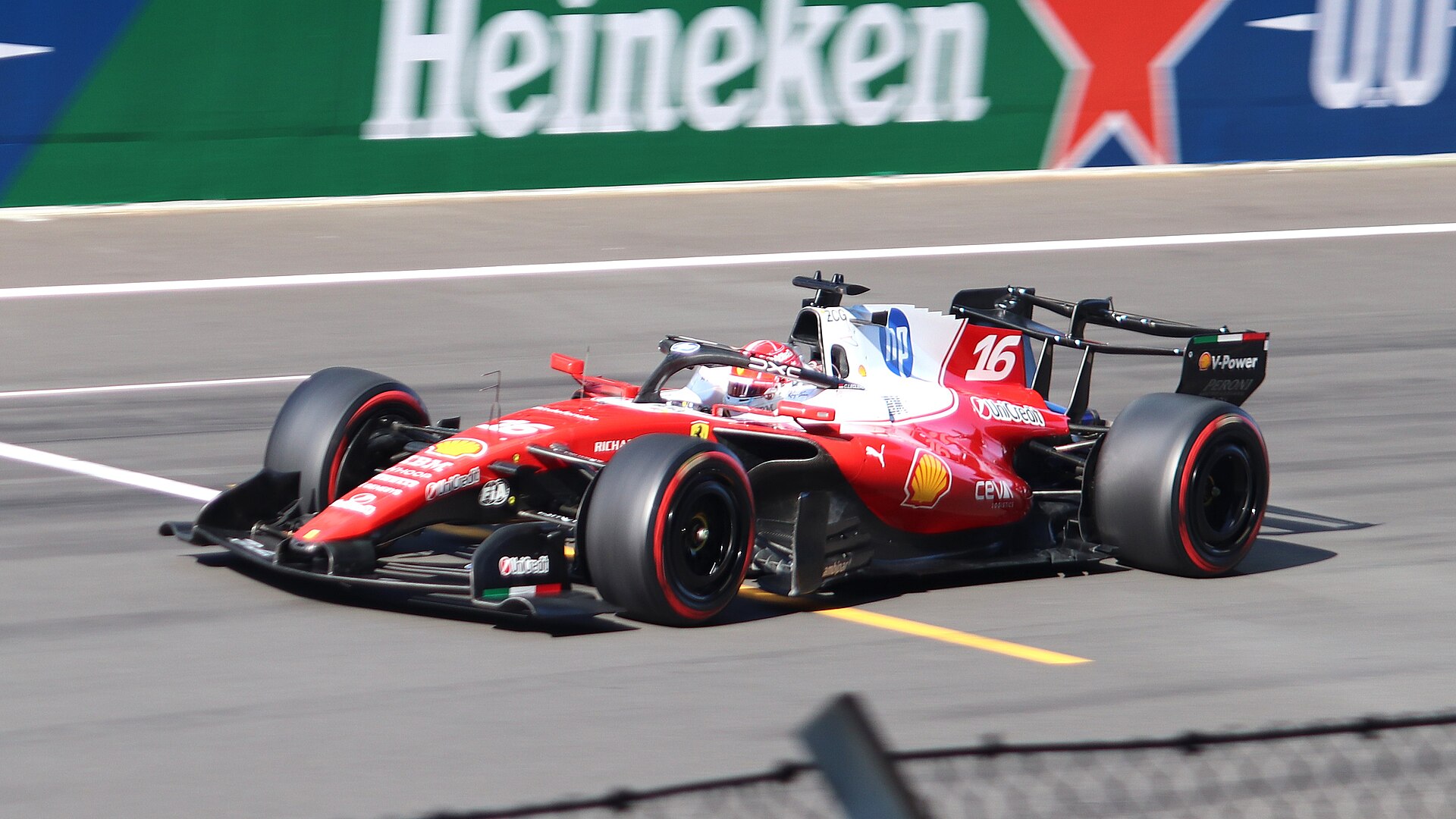
Verstappen's gamble then unravelled in public. Briefly leading once the one-stoppers pitted, he began struggling with engine-braking problems, described his Red Bull over the radio as “undriveable” in Autosport's account, and was forced into a second stop on lap 32 for mediums, rejoining fifth and 18 seconds behind Antonelli. The fight for second became the race's real contest in the closing laps: Verstappen lunged past Norris at Turn 1 on lap 47, Leclerc followed him through, and on lap 49 Leclerc used his fresher tyres to pick off Verstappen on the back straight for second place. Hamilton, meanwhile, passed Norris on lap 51 to take fourth — a position that, as the championship mathematics below shows, mattered far beyond the 12 points it paid.
The mathematics: two men, two positions, one weekend's delay
Antonelli arrived in Austin leading Russell by 102 points and Hamilton by 111, and the title equation for Sunday was exact: win, with Russell finishing ninth or lower and Hamilton outside the top four (in the clinch scenario reported by Reuters and Sky Sports on Saturday), and the championship was his. He delivered his half completely. The other half failed by one position on each side. Hamilton finished fourth — inside the line — and Russell, despite a five-second penalty for leaving the track and gaining an advantage on lap one while fighting the McLarens, finished eighth — also inside the line. Eighth was, in Autosport's phrasing, only just enough: Russell needed to avoid ninth or lower to prolong his own theoretical chances, and he did it on a frustrating, anonymous afternoon in his team-mate's shadow.
The updated standings, as calculated by RaceFans from the Austin result, put Antonelli 123 points clear of Russell, with Hamilton a further point behind — and with 125 points still available across the remaining races, Russell and Hamilton are now the only two drivers who can mathematically beat him. Reuters' summary of what that means for Mexico is stark: Antonelli needs to score only two points — a ninth-place finish — at next weekend's Mexican Grand Prix to be sure of the title, regardless of what anyone else does. A championship that survived Sunday on single positions now requires something close to a collapse to survive another week.
Why this matters
There is a temptation, when a title is delayed by arithmetic rather than drama, to treat the delay as the story. It is not. The story is the manner of the win. Antonelli's season has been built in two halves: five wins in the first six races announced him, and then a harder middle — Verstappen winning consecutive races from pole before Austin, Russell winning in Baku to cut his lead, and a seven-race run without a pole — raised the only serious question about him, which was whether a 20-year-old could manage a championship rather than merely chase one. Austin answered it in the most complete way available: pole on Saturday, a refused strategy gamble on Sunday, one stop executed cleanly, and a 13-second margin over a field that included a four-time champion and a seven-time champion in competitive cars. That is not a driver surviving a title race; it is a driver administering one.
The losers' column is equally clear. Verstappen's Austin weekend — beaten to pole, beaten off the line, beaten by strategy, and finally beaten by Leclerc for second — closes his own mathematical relevance to this championship and underlines how completely the season's centre of gravity has moved. For Russell, the delay he earned is real but joyless: he kept the title technically alive by finishing eighth in a car his team-mate used to win by 13 seconds, carrying a lap-one penalty of his own making. And for Hamilton, fourth place at 41 — passing the reigning world champion late to do it — was a reminder that the driver Antonelli replaced at Mercedes remains capable of deciding championships even when he is no longer winning them. He decided this one, for seven days.
Context: the youngest-champion record, and what Austin keeps proving
The record Antonelli is chasing has stood for a generation of Formula 1 history: the youngest world champion the sport has crowned. At 20, with a 123-point lead and a two-point requirement, he is positioned to take it in Mexico City next weekend — a season after a debut campaign he himself has described this week as punishing, full of forced results and magnified mistakes. The contrast between that rookie and the driver who refused Red Bull's strategy bait on Sunday is the season in miniature, and it is why the paddock's language about him has shifted from potential to inevitability: Reuters, Autosport, The Race and Crash.net all describe the Mexico outcome in variations of “when”, not “if”.
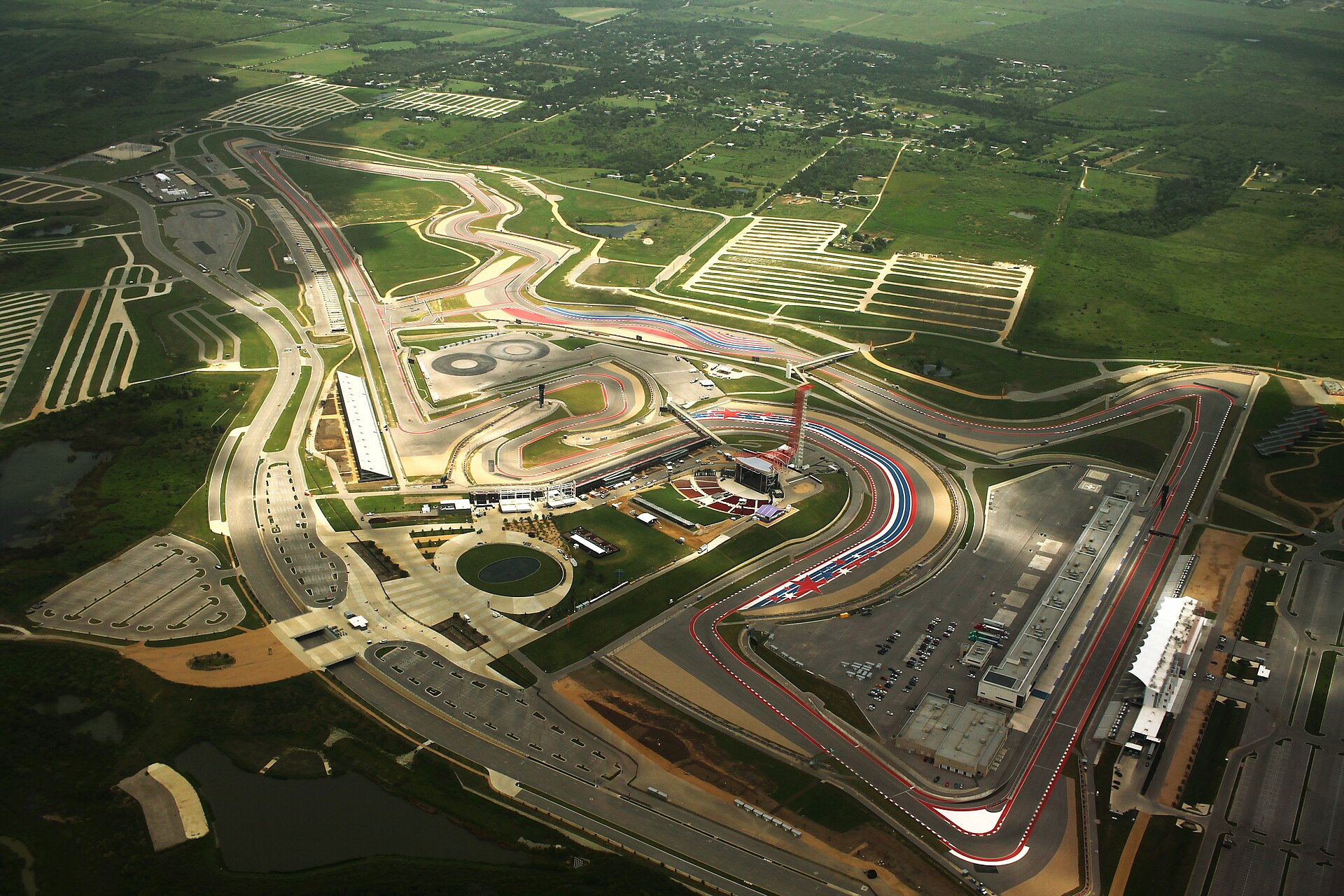
Austin, meanwhile, keeps its own pattern. Of the 13 United States Grands Prix held at COTA before Sunday since 2012, 11 winners had started on the front row — a statistic Signal Post News noted in its qualifying coverage, with Leclerc (from fourth, 2024) and Verstappen (from sixth, 2023) the exceptions. Antonelli's pole-to-flag-control made it 12 of 14. On a circuit where track position is usually destiny, the notable thing was not that the pole-sitter won, but that the one serious attempt to change the script — Verstappen's early two-stop gamble — was made by the chasers, and failed on the car's own reliability of feel rather than on Mercedes' nerve. Compare that with the chaos of the Sepang race earlier this month, where software failures and weather decided everything: Austin was the opposite kind of Grand Prix, one decided by the two oldest tools in the sport — a clean start and a pit wall that does not blink.
What happens next
The championship moves to Mexico City next weekend, where the arithmetic is now simple enough to fit on a pit board: ninth place — two points — makes Antonelli world champion regardless of Russell's or Hamilton's results, and any finish in the points makes it all but a formality. Russell and Hamilton must win to keep even theoretical pressure on, and both know the realistic contest behind Antonelli is now for second in the standings, where a single point separates them. Beyond Mexico, four more races carry 125 total remaining points, constructors' positions and the fight for fifth in that championship — Racing Bulls' position strengthened again by Lawson's ninth place on Sunday. But the headline of the season has already been written in Austin; Mexico is where it gets signed. The only remaining question with real weight is not whether Antonelli becomes the youngest champion in Formula 1 history, but how large the final margin is — and whether a season that began with five wins in six races ends as the most dominant first title campaign the sport has seen from a driver of any age.
Sources: Reuters (October 25, 2026: Antonelli won the US Grand Prix for Mercedes; Hamilton fourth and Russell eighth delayed the title; Antonelli needs only two points — a ninth place — in Mexico; Leclerc second, Verstappen third at the Circuit of the Americas); Autosport (October 25, 2026: full race narrative — Verstappen's poor start, lap-14 two-stop gamble, lap-25 Antonelli stop, lap-32 Verstappen second stop and ‘undriveable’ complaint, lap-47/49/51 passes, Russell's lap-one five-second penalty, Bearman/Colapinto/Bottas retirements and both virtual safety cars — and the full official classification used for all gaps in this article); The Race (October 25, 2026: same classification, Antonelli's ninth win of 2026); RaceFans (October 25, 2026: Antonelli's lead extended to 123 points over Russell with Hamilton a further point behind, 125 points still available, Russell and Hamilton the only drivers who can still beat him); Crash.net (October 25, 2026: same podium and top ten; its report's ‘120 points clear’ figure conflicts with the points arithmetic — a 102-point pre-race lead plus a 25-point win against Russell's four points for eighth gives 123 — and with RaceFans, so this article uses 123).