Business / Health — Abbott Laboratories will separate its nutrition business — Similac infant formula, Ensure shakes and Pedialyte — into a standalone public company by the end of 2027, cutting its sales outlook as it sheds the unit at the centre of the baby-formula litigation.
Track it live: Markets tracker
Abbott Laboratories is breaking itself in two. The healthcare giant announced on Wednesday, October 21, that it will spin off its nutrition business — the unit behind Similac infant formula, Ensure nutritional shakes and Pedialyte — into a separate publicly traded company, in a separation it expects to complete by the end of 2027. The nutrition unit generated more than $8 billion in sales last year, roughly $8.5 billion on an annual basis by Dow Jones reporting, making this one of the largest corporate separations of the year. At the same time, Abbott cut its 2026 sales growth forecast, and its shares fell about 4 percent in morning trading on Wednesday.
The new company will be led by Daniel Salvadori, who currently serves as executive vice president and group president of Abbott's established pharmaceuticals and nutritional products division. When the separation closes, Abbott shareholders will own shares in both companies. Abbott said the deal will not change its 2026 guidance beyond the trimmed sales outlook, nor the 2027 guidance it plans to give in January, though it expects one-time separation charges it has not yet quantified. Chief Executive Robert Ford struck an upbeat tone on the post-earnings call, saying outstanding legal disputes were unlikely to delay the separation: "Strategically, over the next decade, there's going to be a lot of segments in this nutrition business … that are going to be very differentiated and kind of high growth."

What is actually being separated
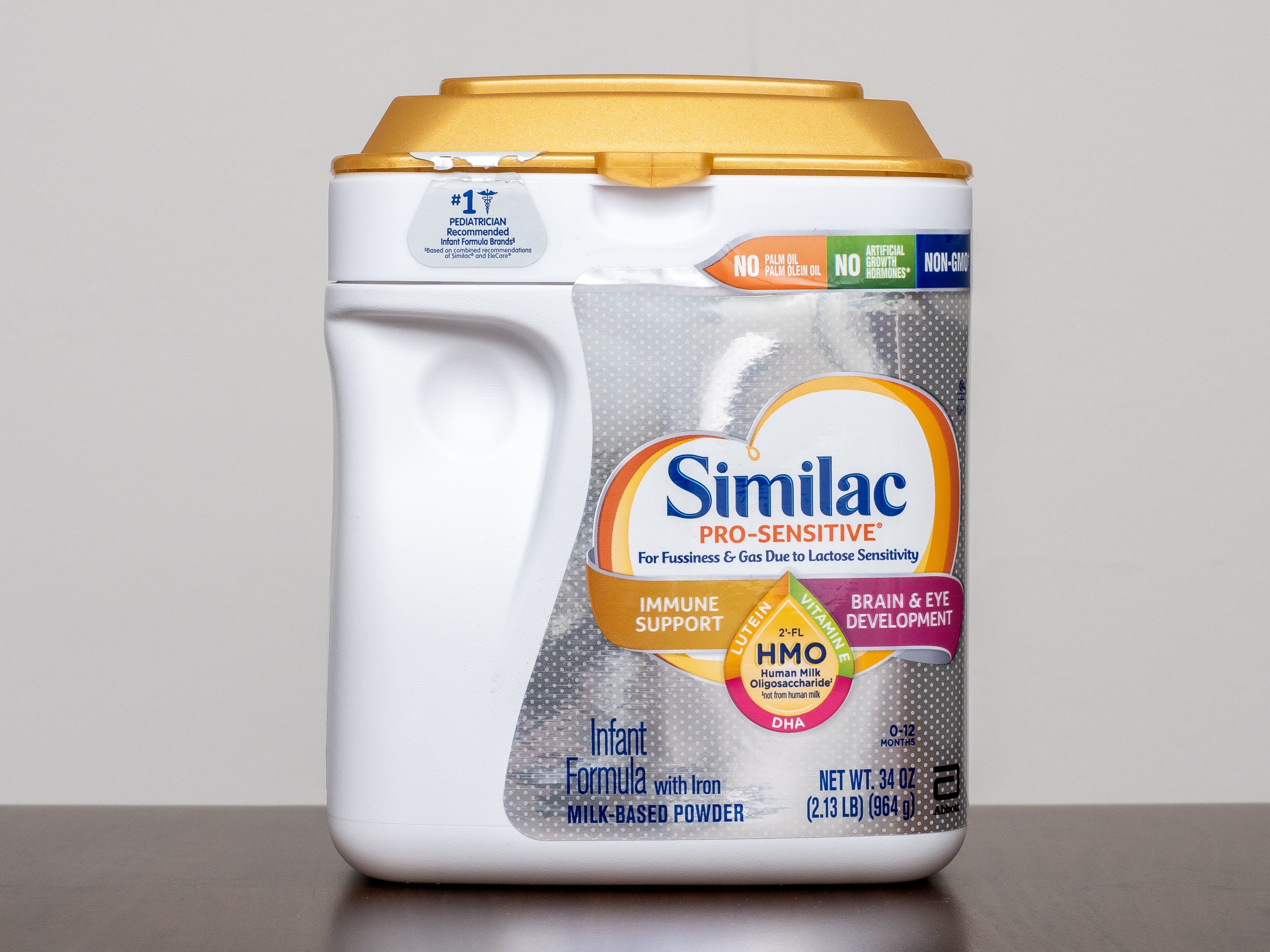
The nutrition business is a consumer-goods operation living inside a medical company. Similac is one of the dominant infant-formula brands in the United States. Ensure is the market-defining adult nutrition shake. Pedialyte, originally a children's rehydration drink, has grown into a mainstream hydration brand. Selling those products means competing for supermarket and pharmacy shelf space, managing retailer relationships and consumer marketing — a fundamentally different business from Abbott's remaining core of medical devices (including its glucose monitors), diagnostics and established pharmaceuticals.
That mismatch is the stated logic of the split. Patrick Wood, head of U.S. MedTech research at UBS, put it plainly to Marketplace: "Running a consumer goods business is very different from running a medical devices business. It's very different from running a diagnostics company." Abbott's own framing is that the separation sets each company up for "maximum success in its respective market." Abbott is following a well-worn path: Johnson & Johnson and Medtronic have both announced major separations in recent years as large healthcare conglomerates concluded that focus is worth more than scale. Our coverage of Johnson & Johnson's own orthopaedic spinoff shows the same playbook being run across the sector at the same time.
The history the new company inherits
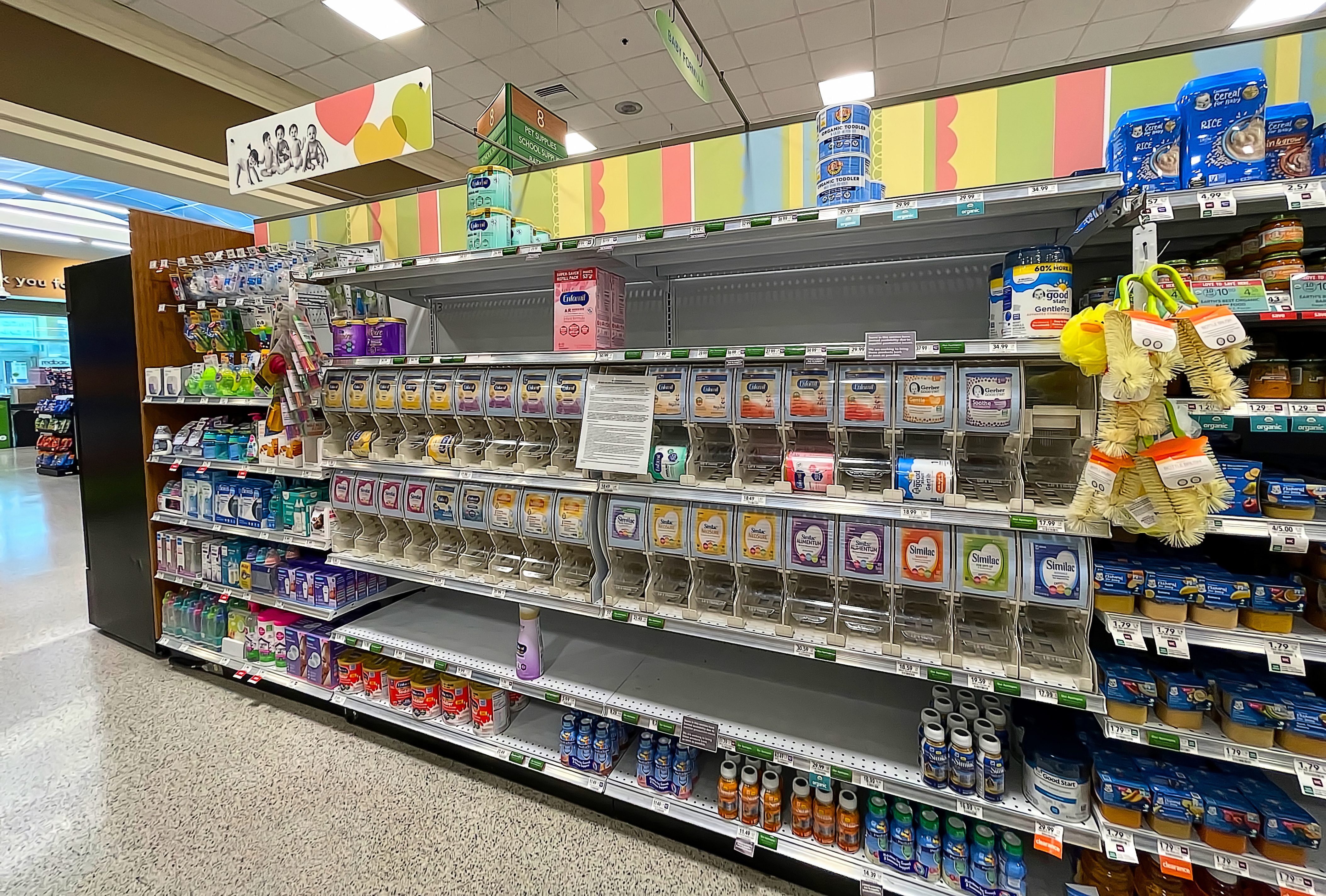
No account of this spinoff is honest without 2022. That February, Abbott shut down its Sturgis, Michigan, infant-formula plant after federal investigators examined bacterial contamination concerns linked to infant illnesses and deaths. Because American formula production was so concentrated — Abbott was the largest U.S. supplier — one plant's closure helped trigger a nationwide shortage that left parents driving across state lines and rationing cans, and forced the government to fly formula in from abroad. Bridget Young, a pediatrics professor at the University of Rochester, told Marketplace the episode exposed the fragility: "When a shutdown happens, it shouldn't compromise the entire national supply chain. But that is exactly what happened." The federal response eventually included Operation Stork Speed, the Food and Drug Administration initiative examining how to make the formula market more resilient. That regulatory scrutiny will land on the new company's desk, not the old one's — and, as our report on the FDA's latest hepatitis B decision illustrates, the agency's posture toward established health products is under a microscope across the board.
The second inheritance is litigation. Abbott has faced years of lawsuits alleging that its specialised formulas for premature infants caused necrotizing enterocolitis, a potentially fatal bowel disease, and separate claims tied to the Sturgis plant, where deadly bacteria was suspected of causing infant deaths. The company has agreed to several multimillion-dollar settlements, and some of that litigation is still ongoing. The nutrition division also lost a major U.S. government supply contract last year and faced higher manufacturing costs that forced price increases and hurt demand — the commercial backdrop against which Wednesday's cut to the 2026 sales growth forecast landed.
Why this matters
A spinoff is never just an organisational chart. It is a decision about which risks belong to which shareholders — and in this case, the risk being moved is unusually concrete. Marta Wosińska, a senior fellow at the Center on Health Policy at Brookings, told Marketplace she worries the baby-formula liability will land with the new company: "Abbott might be offloading basically that legal exposure by spinning it off. To me, that would potentially increase the probability that they might decide to shut down that product line." That is the critical reading of this deal, and it deserves to be stated clearly: separating nutrition concentrates the litigation, the regulatory exposure and the reputational weight of 2022 into a smaller, less diversified company, while the parent keeps the higher-growth devices and diagnostics businesses that investors reward most. Abbott did not respond to Marketplace's request for comment on the litigation or on where the liability will ultimately sit, and Ford's assurance that legal disputes will not delay the separation is not the same as an answer to where the exposure ends up.
The sympathetic reading is real too. A standalone nutrition company gets its own capital, its own management attention and a strategy built around consumer brands rather than hospital procurement. Formula is also, as Wood noted, "a very emotive category" — quality failures are "particularly painful" — and a focused company may invest in plant resilience and supply redundancy in ways a division competing internally for budget did not. U.S. policymakers spent 2022 demanding exactly that resilience. Whether the spinoff produces it, or produces a thinner company tempted to cut the least profitable and most legally exposed product lines — the specialised preterm formulas at the centre of the lawsuits are the obvious candidate — is the single most important question this deal raises.
Who wins, who loses, and what the numbers say
Start with scale. At more than $8 billion in annual sales, the spun-off company will be one of the largest pure-play nutrition businesses in the world from its first day of trading — not a stub being discarded, but a substantial enterprise. That cuts both ways in the liability debate: a company of that size can carry significant legal exposure, but it lacks the parent's diversification if verdicts go badly. For Abbott's remaining business, the arithmetic is the familiar conglomerate trade: lose roughly a fifth of revenue, gain a cleaner growth story. The market's first verdict was mildly negative — shares down about 4 percent on the day — which J.P.Morgan analyst Robbie Marcus attributed to the "potential for nutrition value creation partially offsetting the moderated underlying business fundamentals." In plain terms: investors liked the separation idea and disliked the reason the sales forecast had to be cut to accompany it.
Compare the sector pattern. Johnson & Johnson separated its consumer business and is now separating orthopaedics; Medtronic has pursued its own split; GE famously broke into three. The consistent lesson of those deals is that the separated unit's fate is decided less by the separation itself than by the balance sheet and liabilities it leaves with. That is why the still-unanswered questions here — how much debt the new company carries, how the preterm-formula litigation is allocated in the formal separation documents, and what indemnities the parent provides — matter more than Wednesday's press-release language about "maximum success." Those answers will come in the regulatory filings over the coming months, well before the end-of-2027 completion target.
What happens next
Expect three things to watch. First, the filings: the formal separation documents will state, in legally binding terms, how litigation, debt and the Sturgis-related obligations are divided — the moment the "offloading" question stops being speculation. Second, the specialised-formula line: any move to discontinue or sell the preterm products would confirm the critics' central fear and would immediately become a political story, because those products serve the most medically fragile infants in the country and have few substitutes. Third, the resilience test: Operation Stork Speed and post-2022 regulation are still working through the formula market, and the new company will be the largest single test of whether a standalone, shareholder-owned formula maker invests more in redundancy — or less — than a division of a giant did.
Abbott built Similac into a household name over a century. It is now betting that the brand's future is brighter — and its own future cleaner — with the two stories told separately. Parents who remember empty shelves in 2022 will judge the deal by a simpler standard: whether the company that owns America's baby formula is stronger, safer and harder to knock offline than the one that failed that test four years ago.
Sources
- Reuters, October 21, 2026 (Padmanabhan Ananthan and Christy Santhosh) — Abbott cuts 2026 sales growth view and plans to separate its nutrition business; $8 billion-plus unit sales, lost government contract, Ford and J.P.Morgan analyst comments, end-of-2027 completion.
- Marketplace, October 21, 2026 — Abbott's baby-formula spinoff announcement; UBS analyst Patrick Wood, Brookings fellow Marta Wosińska and University of Rochester professor Bridget Young; Operation Stork Speed context.
- Dow Jones Newswires via Morningstar, October 21, 2026 — Daniel Salvadori to lead the new company; about $8.5 billion in annual sales; Pedialyte and Similac brands; shareholder distribution and guidance details.