WHO Lead Poisoning Warning: 815 Million Children Above Safe Blood Lead Levels
GENEVA, October 15, 2026 — The WHO lead poisoning warning delivered on Thursday was blunt in both directions: the damage is enormous, and almost all of it is preventable. The World Health Organization estimates that lead exposure contributes to more than 3.5 million deaths around the world every year, and that roughly 815 million children — more than one in three of all children on Earth — have blood lead levels at or above 5 micrograms per decilitre, the agency's action level, the point at which the source of exposure is supposed to be found and stopped. There is, the agency stressed, no known safe level of lead in a child's body: even low exposure can cause irreversible harm.
The warning, issued from Geneva ahead of International Lead Poisoning Prevention Week, which runs from October 18 to 26, also carried an uncomfortable regulatory finding. In WHO's latest global assessment, fewer than half of countries have confirmed legally binding controls on lead paint — one of the best-documented sources of exposure, and one of the easiest to eliminate. Bruce Gordon, interim director of WHO's Department of Environment, Climate Change, One Health and Migration, described lead as "one of the world's most serious yet overlooked environmental health threats" and urged governments to get lead out of products and environments before it reaches a child's bloodstream. Lead is on WHO's list of ten chemicals of major public health concern.
The numbers behind the warning
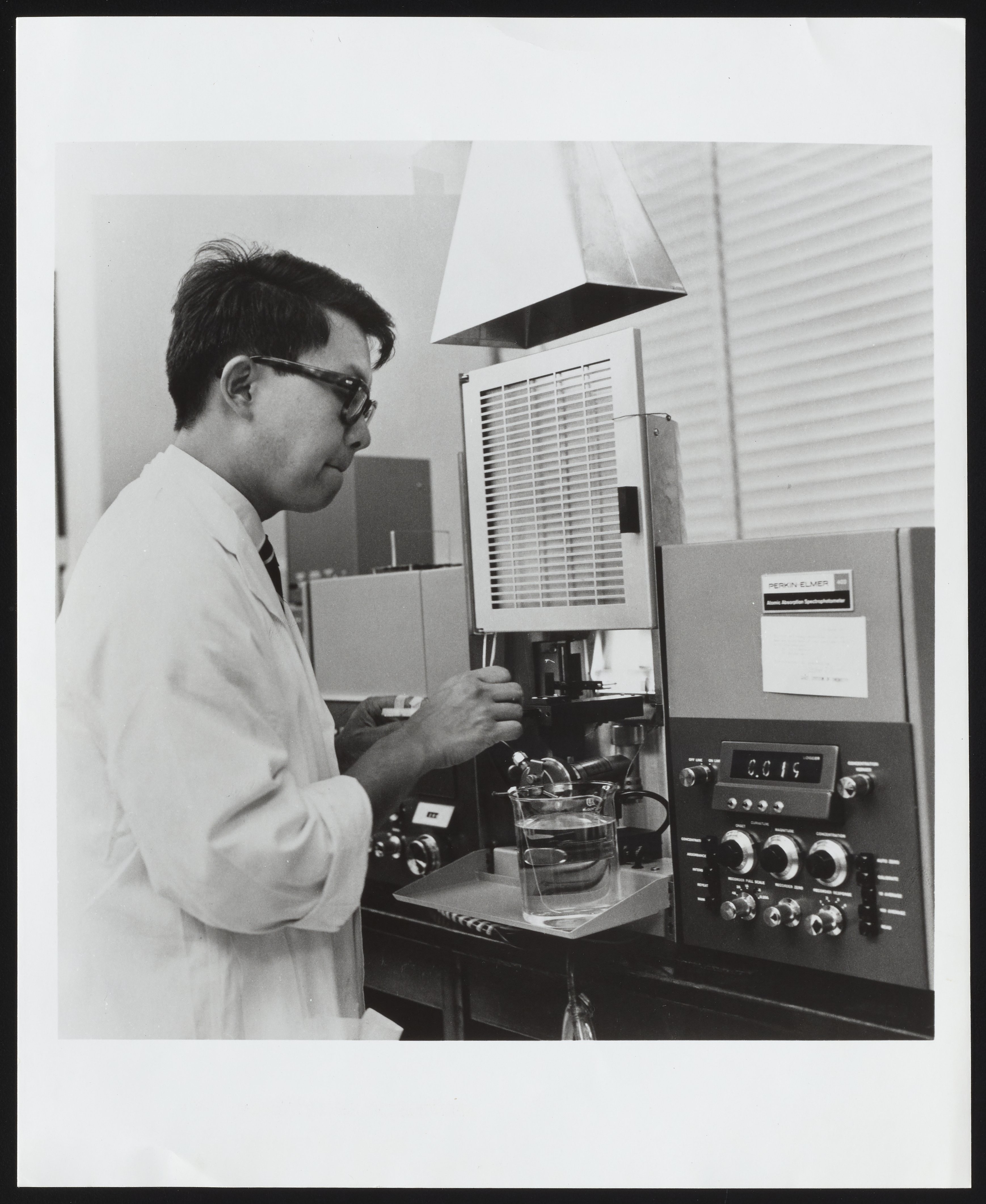
The action level at the centre of the figures is a trigger for intervention, not a line between safe and unsafe. A child at or above 5 µg/dL is a child whose home, school, water, food or surroundings are meant to be investigated. The reason children dominate the statistics is physiological: young children absorb roughly four to five times more of the lead they ingest than adults do, as WHO expert Richard Brown noted in the agency's briefing, and their developing brains and nervous systems are the most vulnerable target. In children, lead can cause irreversible damage to the brain and development, with effects on learning and behaviour that last a lifetime. In adults, chronic exposure is linked to cardiovascular disease and kidney damage. Perhaps most treacherously, the poisoning is usually silent: children can be carrying harmful levels with no obvious symptoms, and by the time effects are visible, the damage is already done.
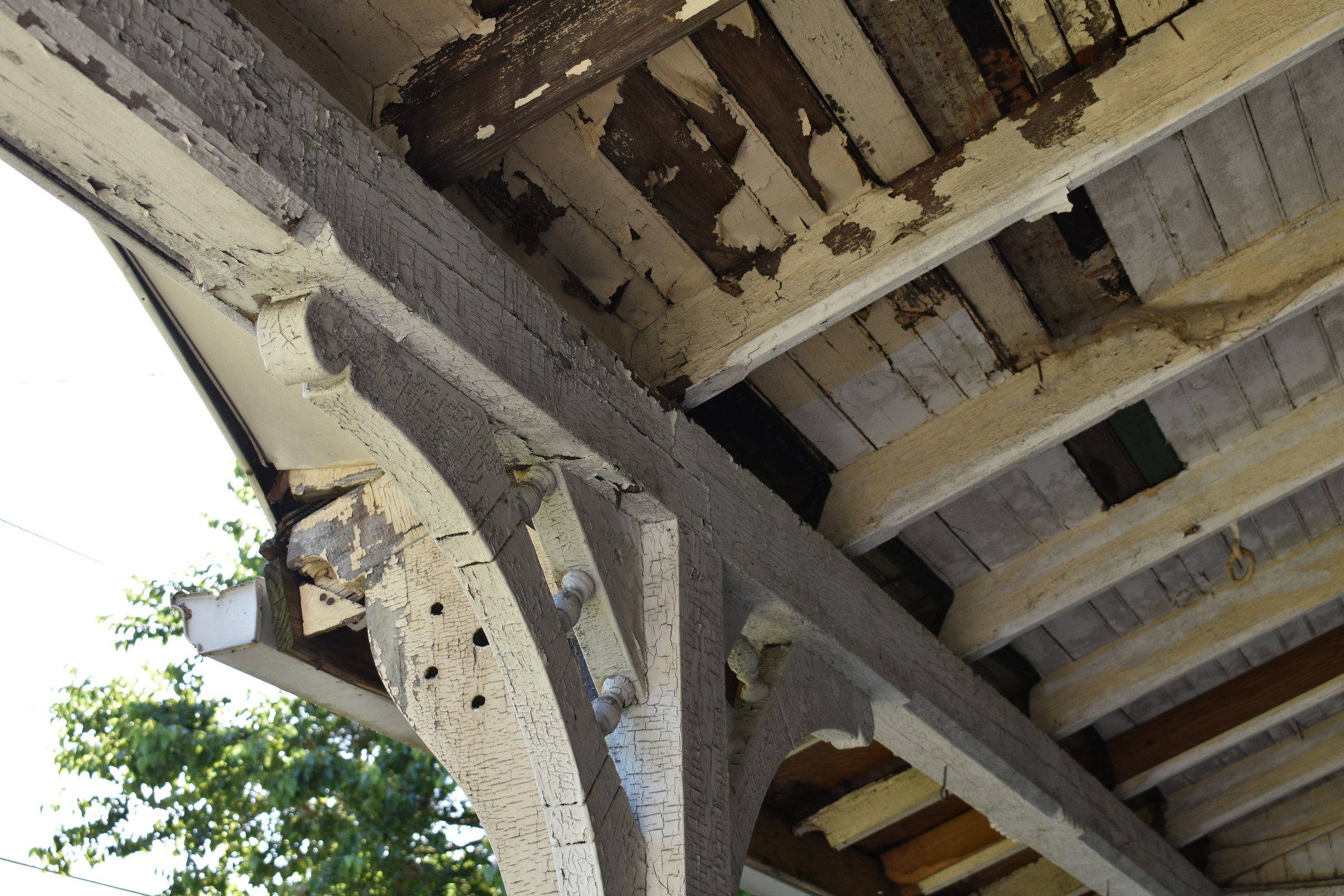
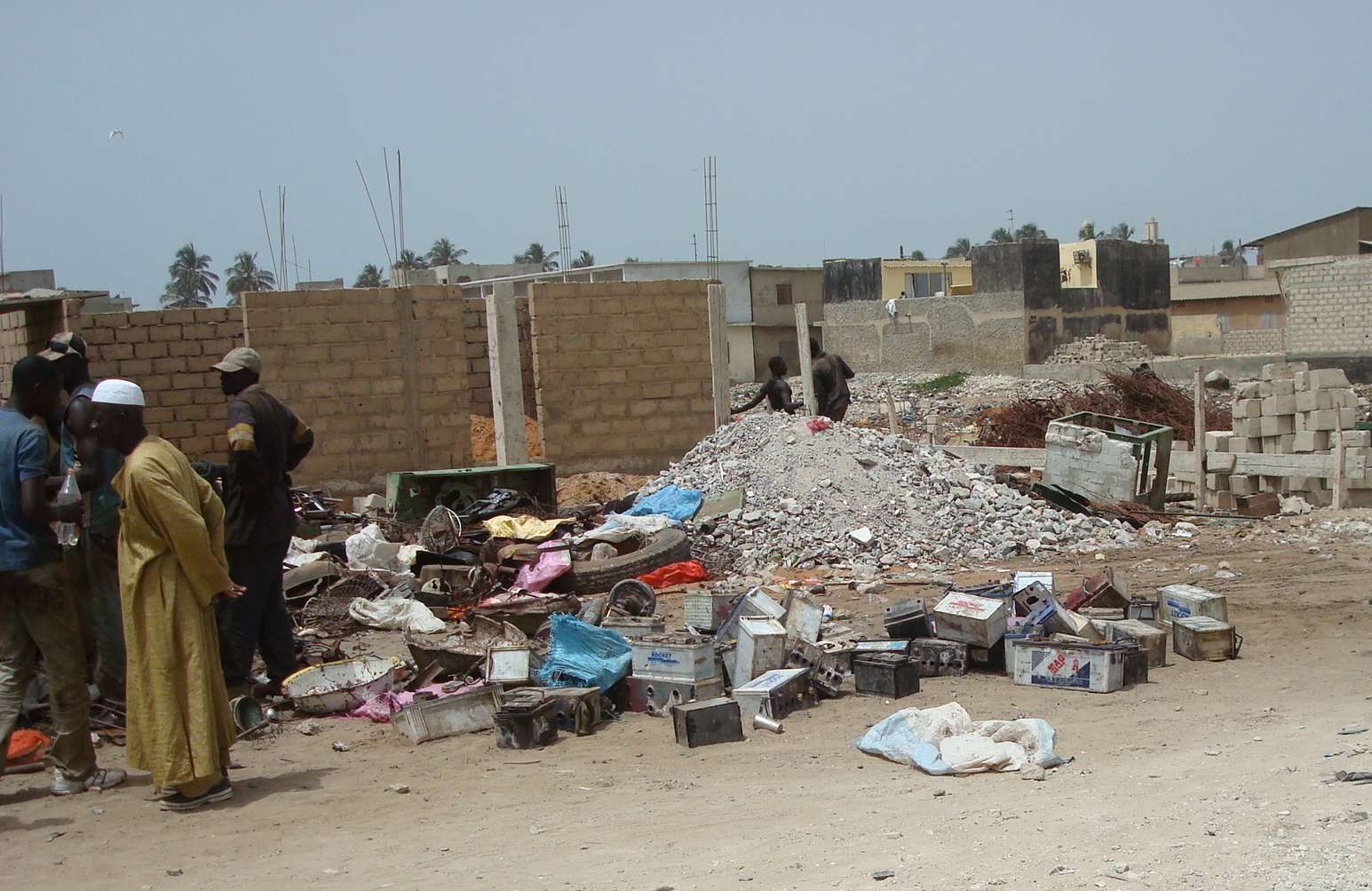
The sources are ordinary, which is precisely the problem. Lead reaches children through deteriorating paint in homes and schools, through some cookware and cosmetics, through contaminated spices — the hazard behind food recalls such as the Lior cinnamon lead recall in six states — and through industry, above all the informal recycling of lead-acid batteries, where batteries are broken open by hand in yards and workshops, often in residential neighbourhoods. It is not a single-source problem with a single fix; it is a hundred small exposures that add up in the bodies of the world's poorest children first.
Why this matters
Lead's place near the top of the global death table is a policy failure more than a scientific mystery. The toxicology has been settled for decades: lead is a cumulative poison with no threshold below which it is harmless, and the interventions — banning lead paint, formalising battery recycling, testing children and remediating homes — are known, tested and, by the standards of global health, cheap. What the WHO figures describe is a gap between knowledge and law. A threat that contributes to more than 3.5 million deaths a year would normally command emergency summits; lead instead advances quietly, without outbreaks, villains or dramatic footage, one unremarkable exposure at a time. The 815 million children are not concentrated in a crisis zone that cameras can visit. They are distributed across ordinary streets in nearly every country, which is exactly why the problem keeps losing the competition for political attention.
The proof prevention works — and the fronts that remain
There is one towering piece of evidence that lead exposure can be beaten at global scale: petrol. Leaded fuel was once the single largest source of lead in human blood, deliberately added to engines worldwide for most of a century. Country by country it was phased out, and the worldwide phase-out was completed in 2021, when the last country on Earth stopped selling leaded petrol for road vehicles. Average blood lead levels in country after country fell steeply in its wake — the clearest demonstration in environmental health that removing a source removes the poisoning. WHO's argument is that paint and batteries are the petrol of this decade: large, identifiable, technically solvable sources that persist mainly because regulation has not caught up. Paint is the most glaring case. Lead is added to paint as a pigment and drier, substitutes exist, and yet in most of the world its sale for household use remains perfectly legal.
A burden that falls hardest on the poorest
The geography of lead is the geography of poverty. Wealthy countries removed lead from petrol and paint generations ago and run routine childhood screening; poorer countries are where lead paint is still sold, where battery recycling happens in back yards because it is income a family cannot refuse, and where a clinic may have no laboratory able to run a blood-lead test at all. The paint industry is divided along the same line: major manufacturers long ago reformulated their products for rich markets, while smaller producers in developing economies still sell leaded paint into the markets that allow it. Industry voices argue that bans must come with enforcement and affordable substitutes or they simply push production underground; public-health advocates answer that voluntary pledges have had decades to work and the 815 million figure is the result. Both sides agree on one fact: a law that exists only on paper changes nothing, which is why WHO paired its call for binding controls with demands for monitoring, surveillance and laboratory capacity to actually measure children's blood.
The data in context
Set the headline numbers side by side and the scale sharpens. Eight hundred and fifteen million children is more than one in every three children alive. Three and a half million deaths a year is a mortality burden in the same conversation as the world's biggest infectious killers — attached to a single industrial chemical whose dangers have been documented for over a century. And the "fewer than half" figure on lead-paint law means that most of the world's children live in countries where a manufacturer can still legally sell paint laced with a substance known to damage their brains. The 5 µg/dL action level also deserves context: it is a bureaucratic tripwire set where health systems are told to act, not a biological safety line. WHO's position is that there is no safety line — risk rises from the first measurable exposure, which is why the agency frames even levels below the tripwire as a reason to remove sources, not a reason to relax.
What happens next
The immediate test runs from October 18 to 26, when International Lead Poisoning Prevention Week puts the issue in front of health ministries with a specific checklist from WHO: identify the major sources in each country, prioritise the interventions that cut exposure fastest, strengthen regulation and its enforcement, build monitoring and laboratory capacity for blood-lead testing, manage the children already poisoned, raise public awareness, and make industrial and waste practices safer — with children and the most vulnerable groups first in line. What to watch is whether the week produces commitments with machinery behind them: new binding paint laws in countries that lack them, funded screening programmes, and formal collection systems that take battery recycling out of residential yards without taking away the livelihoods attached to it. The petrol precedent shows what success looks like, and the 815 million children show what delay costs. The science in this story ended long ago; everything from here is a decision.
Sources: UN News, October 15, 2026; AFP reporting from Geneva, October 15, 2026 (via WE News English and Pakistan TV). Related on Signal Post News: Lior Cinnamon Recalled in 6 States Over Elevated Lead Levels; Pennsylvania measles outbreak coverage.