Lior cinnamon lead recall
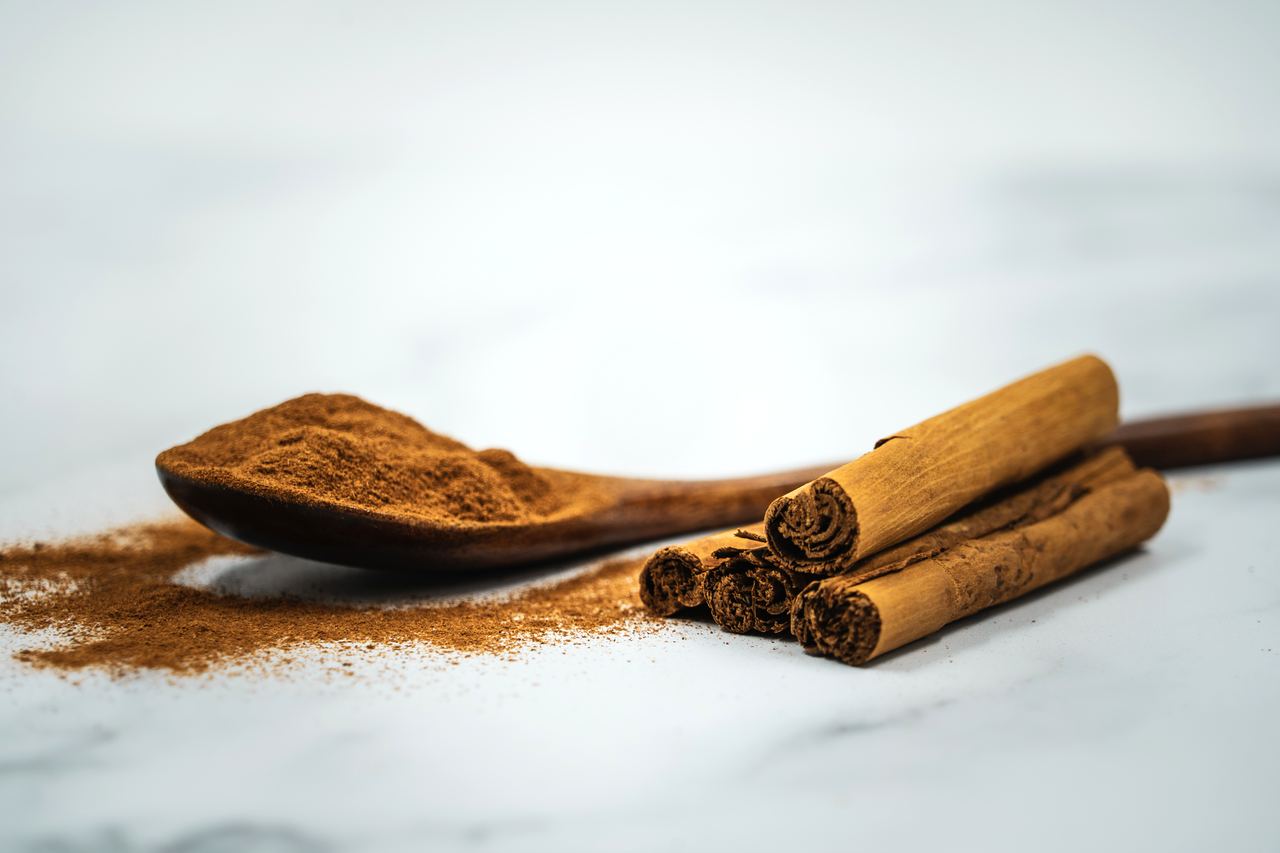
Lior cinnamon lead recall — the phrase to act on this weekend is a number. Galil Importing Corp of New York is recalling its Lior Cinnamon Ground Seasoning after testing by the state of Maryland found elevated levels of lead in the product, according to a September 24 notice from the U.S. Food and Drug Administration. The recall, reported nationally on September 25, covers a single lot distributed across six states over nearly a full year — which means many affected jars are already sitting in kitchen cabinets.
No illnesses have been reported as of September 24, and Galil said it was not aware of any. But lead is a cumulative toxin with no safe exposure level in children, and ground cinnamon is a daily-use pantry staple — in oatmeal, baking, coffee, children's snacks. The actionable core of this story is simple: check your spice jar now.
How to check: UPC 794711005484 and lot GAP11304
Here is exactly what to look for. The recalled product is Lior Cinnamon Ground Seasoning in a 90-gram transparent plastic container. Check two identifiers:
- UPC: 794711005484
- Lot code: GAP11304
Both must match for the jar to be affected. The recalled lot was distributed from November 18, 2025 through September 7, 2026 — a ten-month window — at retail stores, grocery stores, delis and supermarkets in six states: Florida, Illinois, New Jersey, New York, Pennsylvania, and Texas.
If your jar matches: do not consume it. The FDA advises consumers to discard the product or return it to the place of purchase for a refund. Customers with questions can contact Galil Importing Corp at 516-496-7400, Monday through Friday, 9 a.m. to 5 p.m. ET.
Why lead in cinnamon is especially dangerous for children
The FDA's notice is blunt about the stakes. Short-term exposure to low levels of lead may not cause symptoms beyond elevated blood lead levels. But if a child is exposed for a few weeks to a few months, permanent damage to the central nervous system can occur. There is no known safe level of lead exposure in children, and the damage — to developing brains, to learning and behavior — does not reverse.
Ground cinnamon is a uniquely risky vehicle for a heavy-metal contaminant because of how it is used: sprinkled daily, often by parents, often onto foods aimed at children. A jar bought last winter and used a pinch at a time could have delivered small, repeated doses for months without anyone noticing. That long, quiet exposure pattern — combined with a ten-month distribution window — is precisely why this recall matters more than its single lot code suggests.
Lead exposure: what parents should watch for
The reason this recall carries extra weight for families is how lead behaves in the body. The FDA's notice says short-term exposure to low levels of lead may not cause symptoms beyond elevated blood lead levels — which is exactly why exposure can go unnoticed. With longer or higher exposure, children are the most vulnerable: lead can affect the developing brain and nervous system, and the damage can be permanent. Health authorities advise that there is no known safe level of lead exposure in children.
If a child in your household has been regularly eating from the affected lot, the right move is a conversation, not panic: call your pediatrician or healthcare provider and ask whether blood-lead testing makes sense. A blood test is the only reliable way to know whether exposure occurred, and early detection is what allows doctors to act. Do not try to “wait and see” for symptoms — by the time lead exposure is visible, the harm is already done. And keep the jar — or at least a photo of its UPC and lot code — so you can give the doctor and, if asked, the retailer exact product details.
How the contamination was found: state testing, not the manufacturer
One detail distinguishes this recall: the elevated lead levels were found by testing conducted by the state of Maryland, not by Galil's own quality control. The FDA published the recall on September 24, and national outlets picked it up September 25-26. State-agency surveillance catching what a manufacturer missed is a pattern worth noting — it is why federal and state agencies have maintained heightened monitoring of heavy metals in imported ground spice products in recent years, and why regulators continue to advise consumers to treat spice-aisle recalls as seriously as any other food-safety alert.
How does lead get into ground cinnamon in the first place? The FDA has not announced a cause for this lot, and it would be wrong to speculate about Galil's supply chain specifically. In general, heavy metals can enter spices through contaminated growing soils, through processing and grinding equipment, or — in the worst historical cases — through deliberate adulteration to add weight or deepen color. That range of possibilities is precisely why regulators test finished retail product rather than trusting paperwork upstream: whatever the pathway, the jar on the shelf is where consumers meet the risk.
For Galil, the costs are now twofold: the direct expense of the recall and the brand damage of a lead finding attached to a family pantry product. For retailers across the six states, the work is logistical — pulling product, handling returns, and answering customers holding jars bought as far back as last November.
Why this matters: a staple, a silent toxin, a ten-month window
Food recalls involving staples hit differently from recalls of niche products. Cinnamon is in an estimated majority of American kitchens; it is bought rarely and used slowly, which means a jar from the affected lot could plausibly remain in use for a year or more after purchase. The ten-month distribution window — November 2025 through September 2026 — maximizes the chance that affected product is still in homes right now.
The service-journalism math is equally direct: this is a story where the reader can take one concrete action in thirty seconds — open the cabinet, read the label, compare two codes — and eliminate a risk entirely. Few news stories offer that clean a payoff. Do it before the next batch of morning oatmeal.
What to do with recalled cinnamon: discard or refund
To be explicit, because the FDA's guidance leaves no room for improvisation:
- Do not consume the recalled product, even in small amounts.
- Discard it — or return it to the place of purchase for a full refund.
- If anyone in your household — especially a child — has been regularly consuming the affected lot, talk to your pediatrician or healthcare provider about whether blood-lead testing is appropriate.
- Questions for the company: Galil Importing Corp, 516-496-7400, weekdays 9 a.m.–5 p.m. ET.
Note the limits of this recall: it covers only Lior Cinnamon Ground Seasoning, UPC 794711005484, lot GAP11304. Other cinnamon brands and other Lior products are not affected. When in doubt, the lot code on the label is the deciding fact.
Who wins, who loses
Winners: Consumers who check their spice jars this weekend and act on what they find. Competing cinnamon brands with clean heavy-metal testing records, who gain by contrast. State testing programs like Maryland's, whose surveillance caught the contamination.
Losers: Galil Importing, facing recall costs and lasting brand damage. Retailers in Florida, Illinois, New Jersey, New York, Pennsylvania and Texas, handling the returns. And anyone who consumed the affected lot unknowingly over the past ten months — particularly parents of young children, who now face the anxiety of an invisible exposure.
What happens next
Watch for three things. First, whether the FDA expands the recall — state testing of a single lot sometimes leads to broader sampling. Second, whether any illnesses are linked; none have been reported as of September 24, and that status will be updated in the FDA's recall file. Third, the longer arc: heavy metals in imported spices have drawn sustained regulatory attention, and each state-detected recall adds pressure for tighter pre-market testing. For now, the only action that matters is the one in your kitchen.
Sources
- USA Today, “Ground cinnamon sold in 6 states recalled for potential lead contamination” (Sept. 25, 2026)
- People, “Ground Cinnamon Sold in 6 States Recalled for Potential Lead Contamination” (Sept. 25–26, 2026)
- ConsumerAffairs, “Cinnamon recalled due to high lead levels” (Sept. 25, 2026)
- U.S. Food and Drug Administration, recall report (Sept. 24, 2026)