World / Iran — The Iran war another year Waltz would not rule out in a Financial Times interview is a very different conflict from the four-to-five-week campaign President Trump first described.
Track it live: Live Iran war tracker · Live oil price tracker
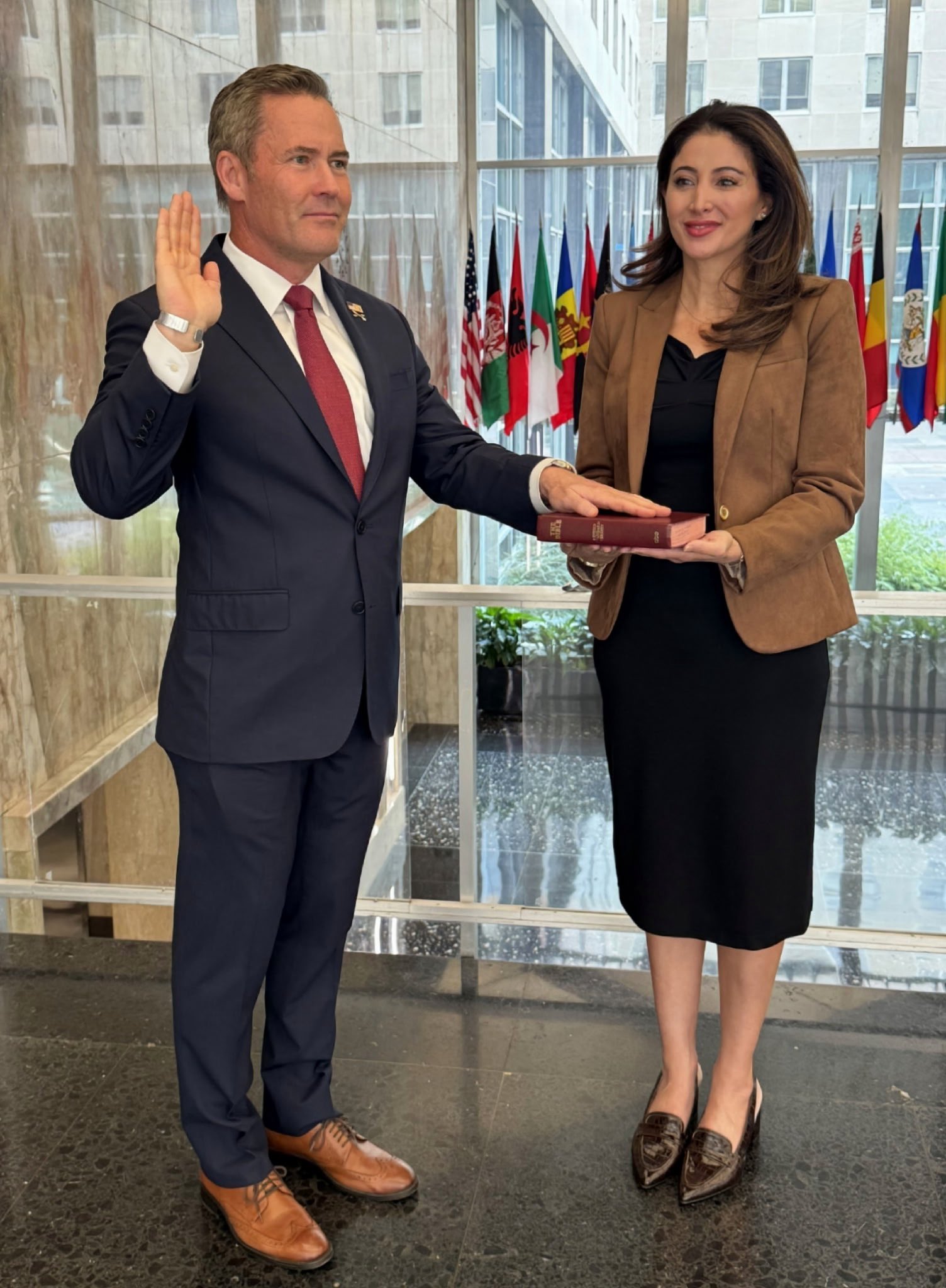
The Iran war another year Waltz scenario entered the public debate on Friday, October 23, 2026, when the United States ambassador to the United Nations, Mike Waltz, told the Financial Times that American goals in the war with Iran will not be met until Tehran disposes of its highly enriched uranium and accepts what he called a meaningful agreement on its domestic enrichment programme. Asked directly about another year of war, Waltz declined to rule it out.
“I'm not going to put out hypotheticals,” Waltz said, according to the Financial Times interview published on Friday. “One would hope that they'll come to the table in a meaningful way before that.” That careful wording matters. Waltz did not predict another year of fighting, and he did not set a new timeline. What he did was refuse to exclude it — and define end conditions that Iran has so far rejected.
The contrast with the war's opening is stark. President Donald Trump first said it would last “four to five weeks.” Months later, his ambassador to the United Nations is describing a blockade that can be maintained indefinitely, pressure still being tightened, and a finish line that depends on Tehran surrendering the core of its nuclear programme.
A blockade with no announced end date
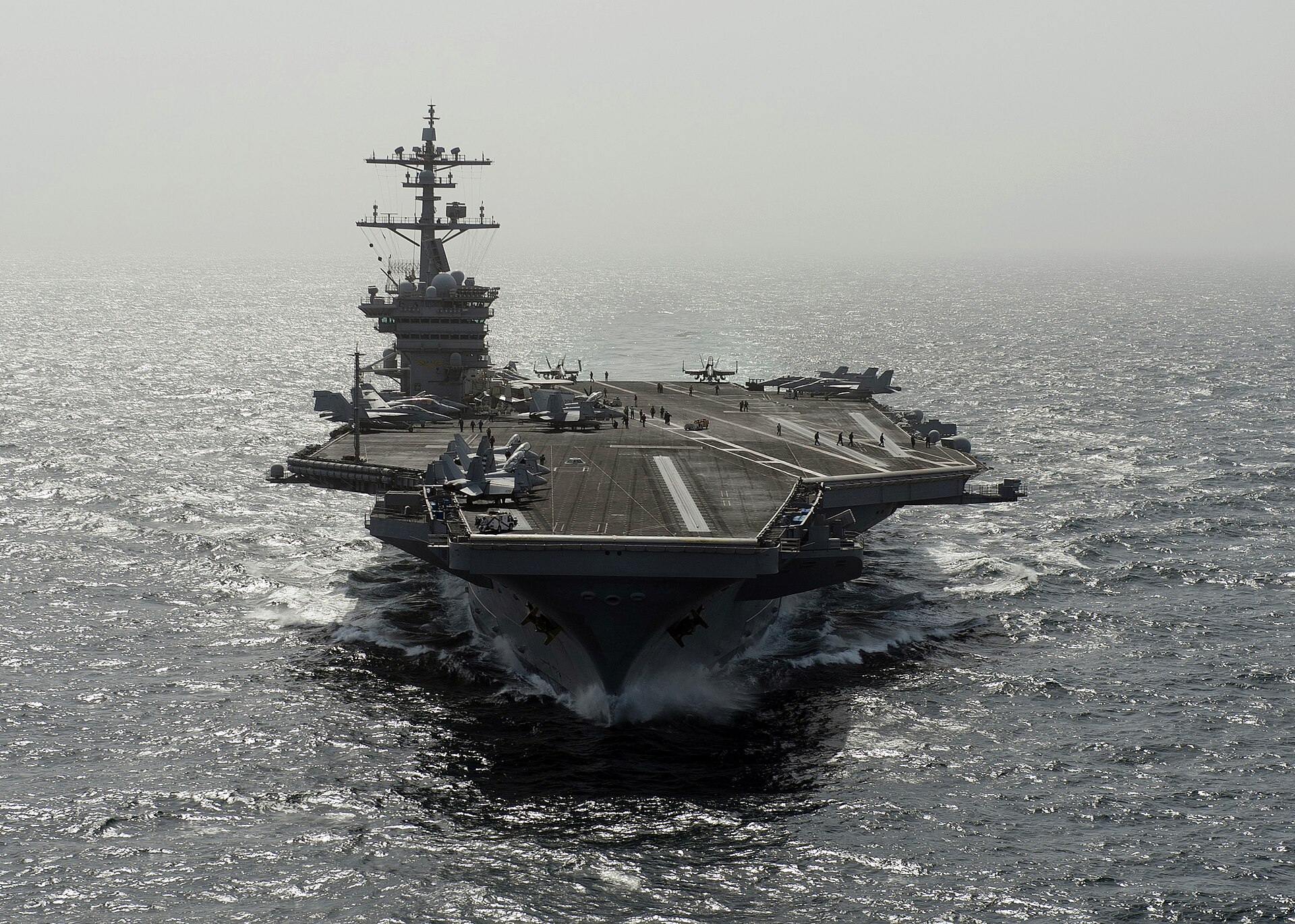
Waltz told the Financial Times that Trump “and the U.S. Navy can maintain this blockade [on Iranian ports] for the foreseeable future” and that the administration is still “tightening” economic pressure on Iran. The strategy, described in earlier Wall Street Journal reporting as “Operation Economic Outcast,” rests on choking off Iran's oil exports and financial access until its leadership accepts terms it has publicly refused.
That is a strategy measured in quarters and years, not weeks. Blockades work, when they work, by accumulation — lost revenue, shrinking reserves, rising domestic strain. Waltz's comments suggest the administration knows this and is preparing the public, and its own military, for a long campaign.
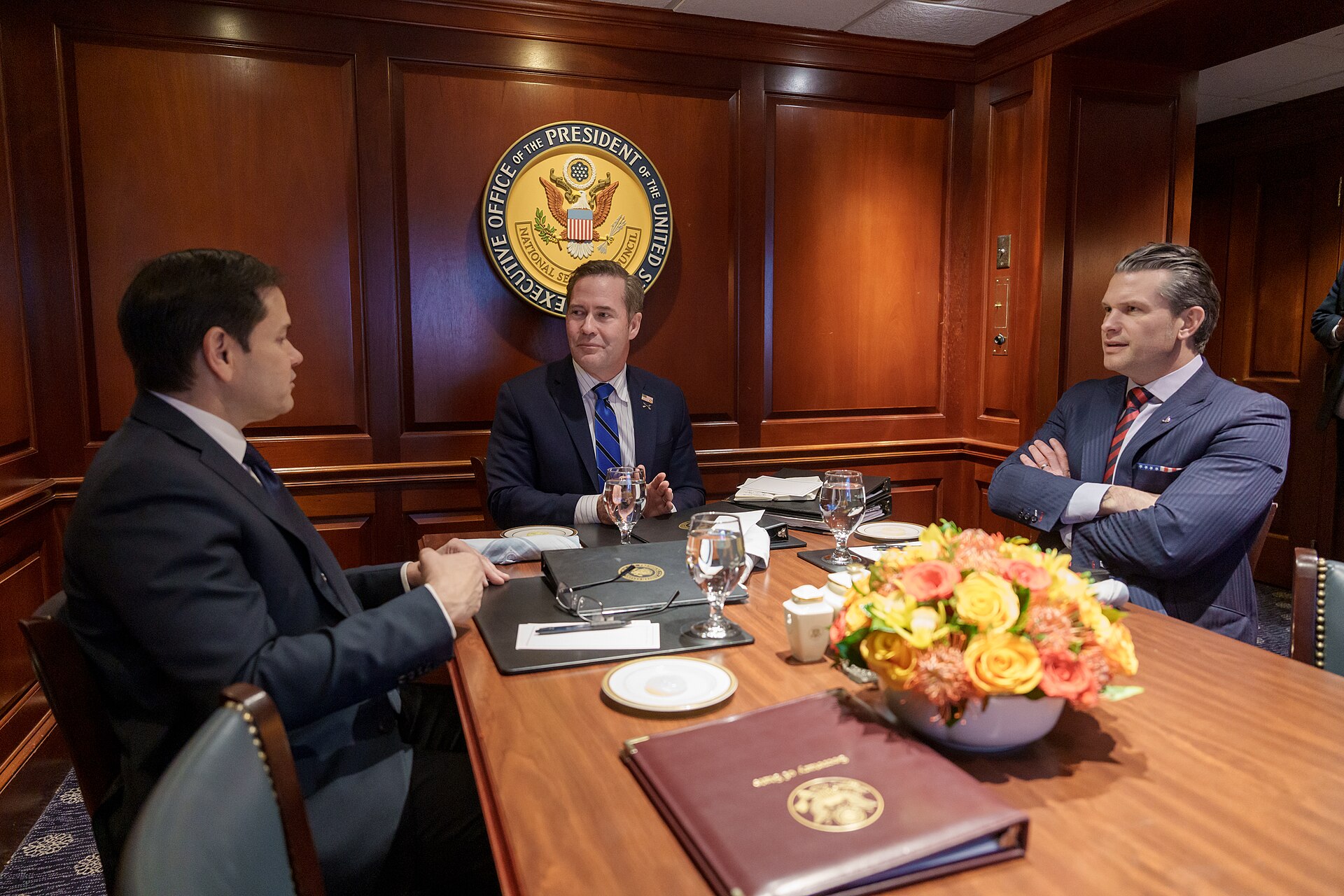
The preparation is not only rhetorical. Earlier reporting by The Wall Street Journal, summarised by InvestingLive, said senior aides including Vice President JD Vance and Secretary of State Marco Rubio had privately raised the possibility of the war lasting through Trump's term, potentially into 2029. Defence Secretary Pete Hegseth has extended some Middle East deployments into 2027 — a personnel decision that only makes sense if planners expect forces to still be needed there.
Oil markets price in a longer war
Markets are already trading on the longer timeline. Brent crude hit $114 a barrel on Friday, its highest since May, after Iran's Revolutionary Guard Corps claimed to have disabled seven tankers near the Strait of Hormuz. That claim has not been independently verified. Even an unverified claim moves prices when traders believe the conflict will continue.
The $114 figure is the price the market puts on risk — tankers attacked, insurance climbing, loadings delayed, and a waterway carrying roughly a fifth of the world's traded oil staying dangerous. Compare Friday's move with our reporting on how Brent crude at $114 reflects layered supply risks and why gas prices are at their most expensive October levels on record. Every month the blockade continues embeds that premium in fuel, freight and food costs far from the Gulf.
Why this matters
Why this matters is the drift itself. A war sold as a four-to-five-week operation is now being discussed by the president's own senior officials in terms of another year, a full presidential term, and deployments stretching into 2027. Timeline drift of that scale changes everything around a war — budgets, rotations, alliance commitments, oil contracts, and the politics of the country fighting it.
It also changes the meaning of the stated war aims. Waltz defined success as Iran disposing of its highly enriched uranium and accepting a meaningful agreement on domestic enrichment. Those are not battlefield objectives that a navy can seize. They are negotiated outcomes that require Tehran's consent. If the aims can only be achieved at a negotiating table, then the military campaign is leverage — and leverage campaigns last exactly as long as the other side refuses to concede, which is why the question of another year cannot be answered in Washington alone.
There is a familiar pattern here. Short-war predictions recur in modern conflicts that become long counterinsurgencies or sanctions standoffs: aims expand, exit conditions harden, and admitting the original timeline was wrong gets costlier with every month invested. Waltz's refusal to offer a new date may be more honest than the original estimate, but honesty about duration is not itself a strategy for ending the war.
Tehran's position, and the other side of the blockade
Iran's leadership has presented a different account throughout the conflict. As reported in Signal Post News coverage, Tehran says it is prepared for diplomacy and for war, and Foreign Minister Abbas Araghchi has maintained that Iran will not negotiate away its enrichment programme under military pressure. Iranian officials argue that the blockade is collective punishment of ordinary Iranians and that demands to surrender highly enriched uranium amount to capitulation, not negotiation.
Critics of the administration's approach, including analysts cited by The Wall Street Journal, say a blockade is unlikely to produce a quick decisive outcome. Iran has endured sanctions before, has built alternative export channels, and can raise the cost of the blockade to others — through threats to Hormuz shipping, through regional partners, and through the oil price itself. Supporters of the strategy counter that Iran's economy is weaker than in previous standoffs, that its export infrastructure is exposed, and that sustained pressure is precisely what previous, shorter campaigns lacked.
Both arguments can be partly true at once. A blockade can genuinely hurt Iran and still not deliver the specific concessions Waltz listed. That gap — between pressure that works and pressure that finishes — is where long wars live.
Renewed strike threats and the midterm clock
The diplomacy is unfolding against an electoral deadline. Trump and Israeli Prime Minister Benjamin Netanyahu have renewed threats of new strikes on Iran after the November 3 midterm elections — eleven days from Friday's interview. Threatening strikes after an election, rather than before it, tells voters the escalation decision has effectively been deferred until ballots are cast, while telling Tehran that the military option grows, not shrinks, once the voting is done.
The politics cut both ways. A long war with $114 oil and record October gasoline prices is an electoral liability; a war ending in visible Iranian concessions would be an asset. A war that simply continues — neither won nor ended — is the hardest to defend, and it is the scenario Waltz's comments make hardest to dismiss.
What happens next
What happens next turns on three tests. The first is diplomatic: whether any channel produces talks on enrichment that both sides can describe as meaningful, the word Waltz used twice in effect if not in number. The second is maritime: whether the Revolutionary Guard's tanker claims are substantiated, repeated, or quietly dropped, and how insurers and shippers respond in the coming days. The third is temporal: whether, after November 3, the threatened strikes materialise or the blockade settles into the long, grinding posture Waltz described.
None of those tests has a four-to-five-week answer. Waltz did not announce another year of war on Friday. He did something subtler and more significant: he removed the assumption that there will not be one. Governments, markets and military families will now plan around that — and plans built for a long war have a way of making the long war more likely.
Sources: Financial Times interview with U.S. Ambassador to the United Nations Mike Waltz, published Friday, October 23, 2026 (Waltz on highly enriched uranium, a “meaningful agreement on their domestic enrichment,” “I'm not going to put out hypotheticals. One would hope that they'll come to the table in a meaningful way before that,” and the U.S. Navy maintaining the blockade “for the foreseeable future”); The Wall Street Journal reporting summarised by InvestingLive, October 2026 (private discussions by aides including Vice President JD Vance and Secretary of State Marco Rubio about the war lasting through President Trump's term, potentially into 2029; Defence Secretary Pete Hegseth extending some Middle East deployments into 2027; the “Operation Economic Outcast” blockade strategy; analysts saying a blockade is unlikely to produce a quick decisive outcome); President Donald Trump's earlier statement that the war would last “four to five weeks”; Brent crude at $114 on Friday, October 23, 2026, the highest since May; Islamic Revolutionary Guard Corps claim, reported October 23, 2026, to have disabled seven tankers near the Strait of Hormuz — not independently verified; Iranian position as reported in Signal Post News coverage (Tehran prepared for diplomacy and for war; Foreign Minister Abbas Araghchi); renewed strike threats by Trump and Israeli Prime Minister Benjamin Netanyahu after the November 3, 2026 midterm elections.