Sport / Football — Vincent Kompany, Bayern Munich’s 40-year-old head coach, was taken to hospital on Friday after collapsing while watching the club’s reserve team train at the Säbener Straße training ground. Bayern confirmed he will undergo a thorough examination and remain in medical care, with his coaching staff taking over training and match operations for the time being. Sky in Germany reported his condition as stable; the cause of the collapse has not been confirmed.
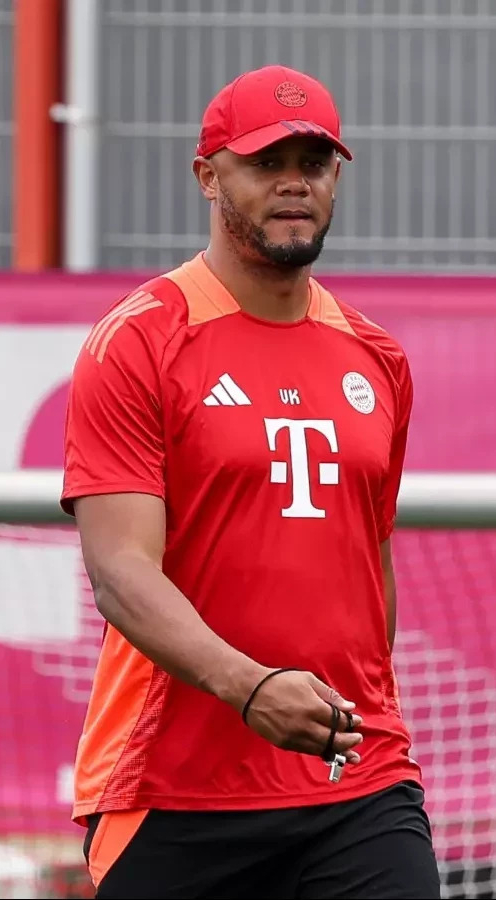
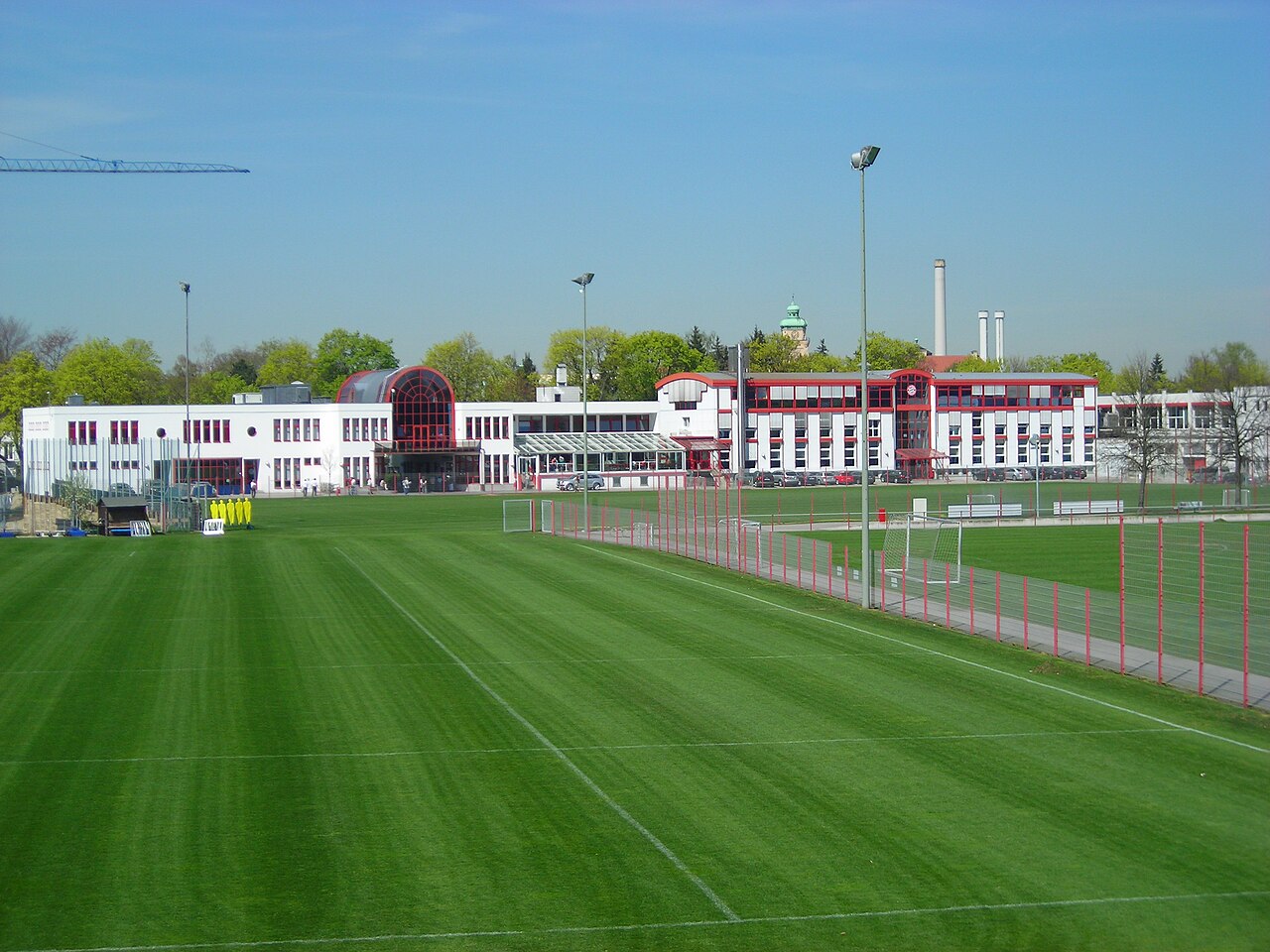
MUNICH — Vincent Kompany taken to hospital is the headline nobody at Bayern Munich expected on a routine Friday. The club confirmed that Kompany collapsed while watching training for FC Bayern’s amateurs — the reserve, or second, team — at the Säbener Straße training ground, after he had already led the first team’s session earlier in the day. In its official statement, the club said: “Vincent Kompany had to seek medical treatment on Friday after collapsing during training for FC Bayern’s amateurs. The first-team coach had been watching the second team’s session. Kompany will undergo thorough examination in the hospital and remain in medical care. For the time being, his coaching staff will manage training and match operations.”
The German newspaper Bild reported that a rescue helicopter was dispatched to Säbener Straße at 15:54 local time. Kompany was taken to hospital by ambulance — the helicopter was dispatched but was not the vehicle that transported him. Sky in Germany, reported by Sky Sports on Friday evening UK time, said his condition was stable. That description comes from Sky’s reporting and has not been issued as a confirmed medical finding by the club; Bayern’s own statement speaks only of a thorough examination and continued medical care.
Sporting director Max Eberl underlined that there is no timetable pressure on the coach. Eberl said Kompany’s health is the club’s utmost priority, that he will receive all the care and all the time he needs, and that the coaching staff — in whom the club places its full trust — will take over his duties in the meantime. The club wished him a speedy recovery.
A week of illness, carefully managed — and a line that must not be crossed
The collapse came at the end of a week in which Kompany had visibly been unwell, and it is important to state plainly what is and is not known. Bayern and his staff have said he has been dealing with a viral infection all week. During the 6-1 win over RB Leipzig, he delivered his half-time talk sitting down. He missed the pre-match press conference before the Arsenal game, where assistant coach Aaron Danks covered for him, said the problem was a virus, and leg and hip pain were also reported. None of that stopped Kompany from coaching on Wednesday, October 21, when Bayern drew 2-2 with Arsenal in the Champions League — a match you can revisit in our report on Bayern’s 2-2 draw with Arsenal.
What no source has established is any causal link between that viral infection and Friday’s collapse. A collapse can have many causes, and a coach who has been ill in the same week is a correlation, not a diagnosis. Bayern has announced examinations, not conclusions. Responsible coverage holds that line: the week of illness is context, the collapse is a separate, unexplained medical event until the hospital’s examination says otherwise, and any firmer claim would be speculation dressed up as news.
Why this matters
A head coach is, in modern football, far more than a man shouting from a technical area. At a club of Bayern’s scale, the head coach is the public face of the project, the final voice on selection and tactics, and the person around whom the entire weekly rhythm of a squad is built. When that person is suddenly in a hospital bed, the question is no longer only footballing — it is human first, and institutional second. Bayern’s statement handled both in the right order: medical care and examination first, operational cover second, and no hint of a return date.
It also matters because of who Kompany is. The former Manchester City captain was one of the defining defenders of the Premier League era, a leader whose authority in a dressing room was never in doubt, and his appointment by Bayern in 2024 was a significant bet on a relatively young coach. He is 40. A collapse at 40, in a man whose playing career was built on physical dominance, is a reminder that elite sport’s schedules and pressures sit on human bodies that do not read reputations. The football world’s reaction — concern first, rivalry nowhere — reflects that.
What it means for Bayern, Freiburg and the title race
Bayern’s next match arrives quickly: Freiburg in the Bundesliga on Sunday. For that game, at least, Bayern will be led by Kompany’s coaching staff, the group Eberl said the club fully trusts. The short-term football cost is real but bounded. A staff that works with the squad daily can run a prepared game plan; what a team loses without its head coach is usually the in-game instinct — the half-time adjustment, the substitution made on feel rather than on the plan. Kompany himself showed in the Leipzig game, coaching through illness, how much of his value lies exactly in those live decisions.
For Freiburg, the temptation will be to see opportunity, and the professional answer is more complicated. Playing a league leader missing its coach can unsettle the favourite, but it can also galvanise a squad playing for an absent leader — one of the most reliable emotional surges in sport. For the wider title race, a single weekend is unlikely to decide anything; a longer absence would be a different matter, because Bayern’s rivals would read an extended period of stand-in leadership as an opening. That is precisely why Bayern’s “all the time he needs” framing, while unquestionably right on human terms, will be tested if the absence stretches into weeks rather than days.

Who benefits, who loses
Honesty requires saying that nobody meaningfully “benefits” from a man collapsing at work, and the sporting ledger here is mostly about loss management. Bayern lose their head coach for at least one match and absorb a week of uncertainty they did not choose. Kompany’s staff gain an unwanted audition, but one that could, if handled well, deepen the club’s trust in its wider coaching structure — the kind of institutional depth that separates clubs which wobble from clubs which fall over. Freiburg and Bayern’s title rivals gain, at most, a marginal and possibly illusory edge. The clearest loser, if the story drags, would be clarity itself: every press conference until Kompany is back will be consumed by health questions the club may not yet be able to answer.
What happens next
The immediate sequence is medical, not footballing. Kompany will undergo the thorough examination Bayern described and remain in medical care; the club’s next update, whenever it comes, is the only authoritative word on his condition, and Sky in Germany’s report of a stable condition should be read as reporting, not as that update. His coaching staff will manage training and Sunday’s match against Freiburg. Three scenarios follow. The best case is a short hospital stay, a clear bill from the examinations, and a managed return within days. The middle case is a longer rest period with the staff covering multiple fixtures — sustainable for a strong squad, but an accumulating strain. The third, which nobody should speculate about while examinations are pending, is a serious finding that changes the season’s leadership picture entirely. For now, the facts are the ones Bayern put on the record on Friday, and they end where they should: with a coach in hospital, a club asking for time, and a game on Sunday that suddenly matters a great deal less than the man who will not be in the dugout for it.
Sources: FC Bayern Munich official statement (October 23, 2026), as quoted by Sky Sports and USA Today; Max Eberl comments via the club; helicopter dispatch (15:54 local) reported by Bild; “stable” condition reported by Sky in Germany via Sky Sports.