vienna georgia homecoming shooting
What happened
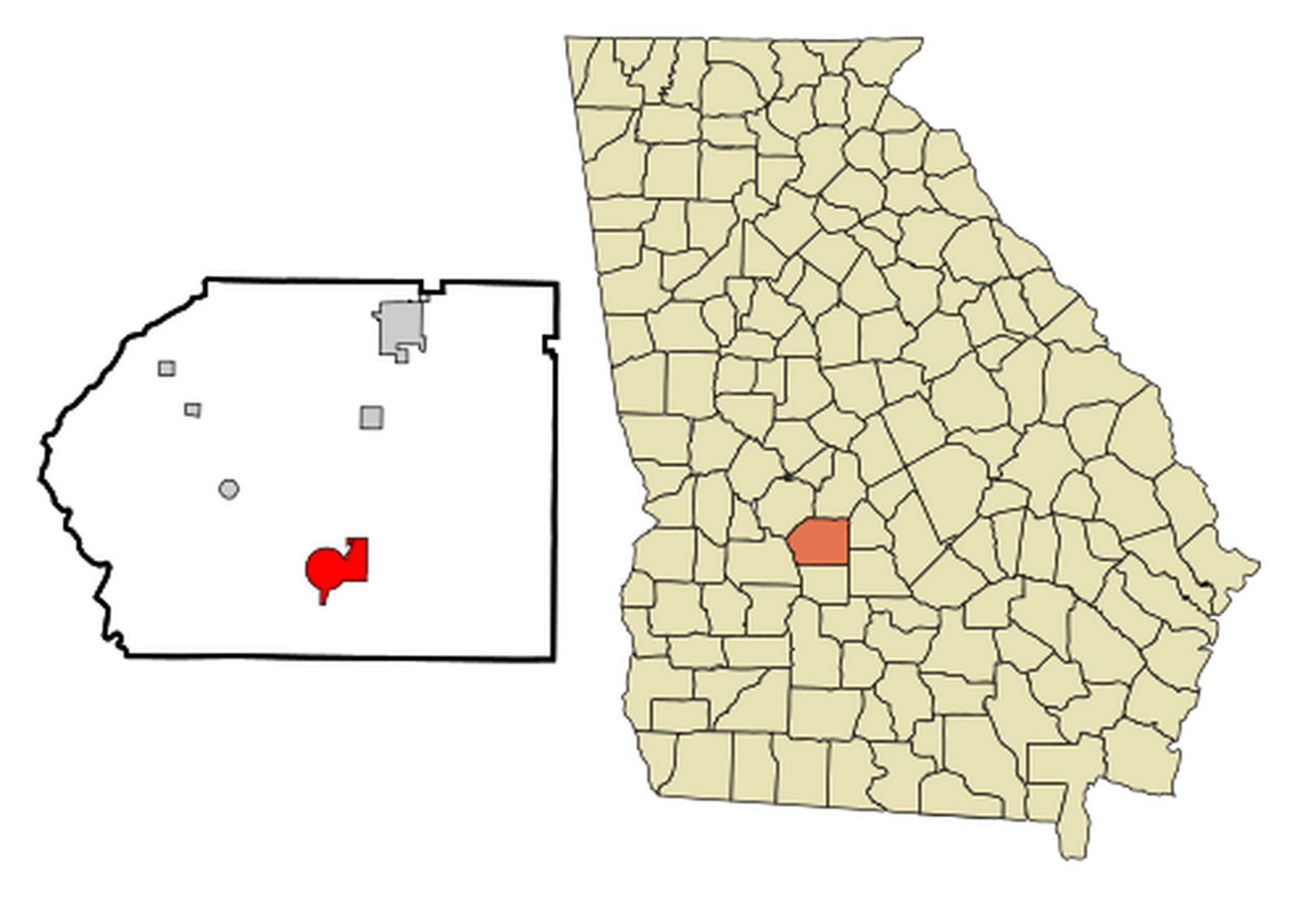
Dooly County deputies were already on patrol at the block party when shots rang out from the 900 block of Pine Street in Vienna, about 135 miles south of Atlanta, the GBI said in a preliminary statement. Deputies immediately responded and found multiple people with gunshot wounds. Two men, found in the 600 block of Pine Street, were pronounced dead at the scene.
The GBI confirmed 35 people were injured, most by gunshot wounds, and were taken to several regional hospitals. The wounded range in age from 14 to 51, officials said at a Sunday news conference. That number describes injuries, not the number of bullets fired or the number of people who were the intended target of any confrontation. Investigators had not publicly separated gunshot injuries from other injuries beyond saying most were caused by gunfire.
The two men killed were aged 20 and 23, Dooly County Sheriff Craig Peavy told reporters. Early reports listed one victim as 21; the sheriff’s office later confirmed the ages as 20 and 23. Dooly County Coroner Brett Walls said both families had been notified but their names had not been publicly released. Autopsies will be conducted at the GBI Medical Examiner’s Office.
Sheriff Peavy told local media that more than 50 shots were fired and that gunfire came from at least two locations roughly a block apart. While deputies were responding, additional gunshots rang out blocks away, he said. “We don’t know if it’s coming at us or someone else,” he said. “You just have to keep doing what you’re doing and hope you don’t get hit by gunfire.”
People reported that some victims were injured not by bullets but by cars, as panicked attendees tried to flee the scene. Sheriff Peavy said more than 1,000 people had gathered around Pine Street for the weekend festivities and people started “going every direction” when the shooting began.
The gathering was part of homecoming weekend for Dooly County High School, but Sherrod Willaford, superintendent of the Dooly County School System, clarified that the shooting was not at a school-sponsored event. The block party was a neighborhood gathering that coincided with the homecoming weekend, not an official school function.
The investigation
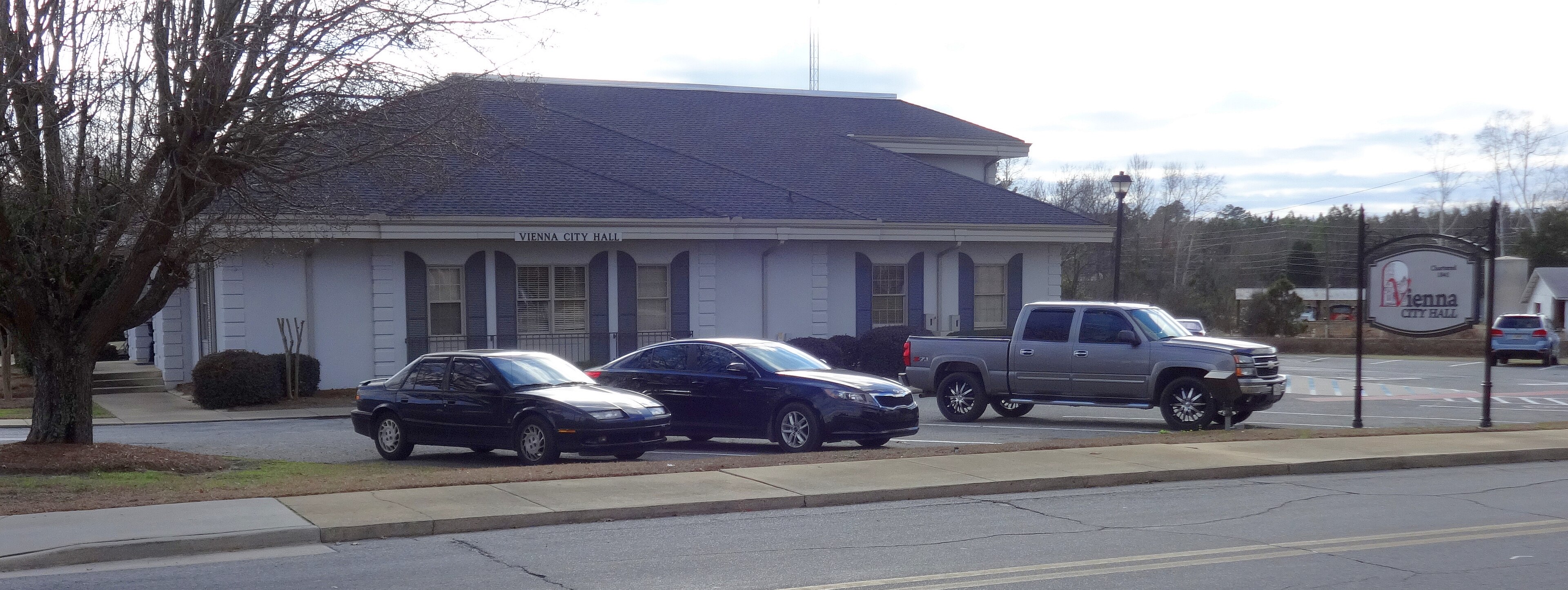
The GBI is leading the investigation at the request of the Dooly County Sheriff’s Office, as is standard in Georgia for officer-involved scenes and major incidents. GBI Director Chris Hosey said at the news conference that authorities do not believe there is a remaining threat to the public, but no suspects or persons of interest have been publicly named, and no motive has been identified. “We don’t want to presume as to what caused it,” Hosey said.
Investigators are working to determine whether the gunfire at the two locations was part of the same confrontation, how many shooters were involved, and what triggered the violence. The case file will be submitted to the Cordele Judicial Circuit District Attorney’s Office for review and prosecution once the investigation is complete.
Anyone with information is asked to contact the GBI Regional Investigative Office in Perry at (478) 987-4545. Anonymous tips can be submitted by calling 1-800-597-TIPS (8477), through the GBI’s online tip system, or via the See Something, Send Something mobile app. For investigators, direct recordings and first-person accounts can help establish the sequence of shots, the movement of the crowd and whether the two reported firing areas were linked.
Why this matters
The casualty count makes the Vienna shooting one of Georgia’s largest mass-casualty attacks at a single gathering in recent years. Its setting also exposes a difficult public-safety gap. Homecoming weekends can generate celebrations far beyond the stadium or school grounds: alumni, students, parents, neighbors and visitors may converge on informal events organized without the ticketing, perimeter control, lighting, bag policies or fixed entrances common at official venues. A crowd of more than 1,000 people can turn one residential block into a large event site even though it still operates like a neighborhood gathering.
Deputies being present matters, but it does not mean they can observe every person or prevent a concealed weapon from being fired. In a dense crowd, seconds separate the first shots from a crush of people attempting to escape. Officers must simultaneously locate the source of gunfire, avoid firing into bystanders, render aid, secure evidence and keep access lanes open for ambulances. Reports that some people were struck by vehicles while fleeing show how the harm can spread beyond the immediate line of fire.
The two-location account is especially important, but it is not proof of coordination. Investigators must establish whether shots came from separate shooters, whether one person moved, whether echoes confused witnesses, or whether distinct incidents unfolded close together. Ballistics, video timestamps and the location of shell casings may answer those questions. Until then, describing the pattern as coordinated would go beyond the evidence.
Dooly County’s roughly 11,000 residents are served by local agencies with far fewer investigators, evidence technicians and specialized resources than a major city. That is why the GBI’s role is consequential: the state agency can bring crime-scene processing, laboratory analysis, medical-examiner services and agents able to manage dozens or hundreds of interviews. The injured range from 14 to 51, showing how community celebrations span generations and how indiscriminate gunfire can reach people who may have no role in whatever preceded it.
The distinction between a school-sponsored event and a community gathering is equally important. It determines who controlled the site, what security protocols applied and which records exist. But the absence of school sponsorship does not insulate students, staff or families from the aftermath. A district may still need counseling, attendance flexibility and communication with families while investigators protect the integrity of the case.
Context and background
Large informal gatherings have repeatedly presented the same operational problem across the United States. Block parties, cookouts, birthday celebrations and homecoming-weekend events bring people together in spaces that were not built to manage large crowds. They can have multiple entry points, parked cars that narrow emergency access, limited lighting and no central organizer with a full guest list. When violence begins, witnesses scatter and digital evidence becomes dispersed across many phones and social accounts.
The presence of law enforcement can deter some conduct and speed the response, but it cannot eliminate the risk created by crowd size and the speed of gunfire. That limitation has appeared in other cases, including the Macon park shooting that wounded 12 teenagers and the Northridge strip-mall party shooting near Cal State Northridge. Each incident had its own facts; the common challenge is that a large, fluid crowd sharply increases both the number of potential victims and the complexity of reconstructing events afterward.
Rural geography adds another layer. Victims may be distributed among several hospitals because no single nearby facility can absorb dozens of trauma cases. Local officers can quickly become responsible for an unusually large crime scene, many witnesses and overlapping demands for traffic control, family notification and evidence preservation. State assistance is not a substitute for local knowledge; it combines that local knowledge with specialized capacity.
The GBI commonly assists local sheriffs and police departments with major violent-crime investigations. Its agents can coordinate forensic testing, compare ballistic evidence and prepare a case for prosecutors while the local agency continues routine public-safety work. That division of labor is especially significant in a county where a single event can produce more victims than local institutions ordinarily handle at once.
The numbers should be read carefully. Thirty-five injured does not establish 35 intended targets, and more than 50 shots does not establish the number of guns. The age range does establish that the impact crossed generations. The two dead represent separate families facing permanent loss, while the injured may face very different recovery paths depending on the severity and location of their wounds. Officials had not released those individual conditions Sunday.

Who bears the costs
There is no meaningful winner in the immediate aftermath. The families of the two men killed bear the most irreversible loss. The injured and their households face treatment, travel and uncertain recovery. Witnesses, deputies and medical staff may carry the effects of what they saw even when they were not physically wounded. Local businesses and residents also face disruption as investigators process the area and the city responds to national attention.
Institutions face different responsibilities rather than competing gains. The sheriff’s office must preserve trust while releasing only information that will not compromise the investigation. The GBI must turn a chaotic scene into evidence that can withstand courtroom scrutiny. Hospitals must protect patient privacy while families seek updates. The school district must support students without implying that it organized or controlled the party. Clear lines of responsibility can help the public understand what each agency can answer and why some details remain unavailable.
What happens next
The first investigative phase is likely to center on identifying every witness and collecting time-sensitive evidence. Agents will compare accounts, obtain phone videos and doorbell or security footage, map shell casings and bullet impacts, and send recovered ammunition components for ballistic analysis. A video that appears dramatic may not show when or where it was recorded, so investigators must authenticate files and align them with dispatch records, medical calls and other footage.
If investigators identify a suspect, any arrest would begin a separate legal process. Charges would depend on the evidence tied to each person, and an arrest would not establish guilt. Once the investigation is complete, the case file will go to the Cordele Judicial Circuit District Attorney’s Office, which will evaluate what charges the evidence supports and what can be proved beyond a reasonable doubt.
Vienna will also move through a slower community response. The victims’ families will arrange funerals after medical-examiner work is completed. Some of the injured may leave hospitals quickly; others may face surgery or extended rehabilitation. The school system may provide counseling or other support because students and families were part of the wider homecoming community, even though the block party was not an official school event.
Policy questions may follow, including how large informal gatherings are communicated to authorities, how traffic and emergency access are managed, and whether additional violence-interruption or firearm-enforcement measures are proposed. Those debates should be separated from claims about the cause of this shooting, which remains unknown. The immediate factual priorities are finding the shooters, determining the relationship between the two firing locations and supporting the victims.
What we still don’t know
These are the central unanswered questions as of Sunday evening. Speculation would be irresponsible while investigators are still collecting evidence:
- The number of shooters. Officials have not said how many people fired weapons.
- Whether the two locations are connected. Gunfire was reported about a block apart, but investigators have not established whether it was one incident or more than one.
- The motive. Authorities have not identified what triggered the shooting.
- The victims’ identities. The two men’s names had not been publicly released, pending the official process following family notification and autopsies.
- The conditions of the injured. Officials reported an age range and total, but not each patient’s medical status.
- Whether arrests are imminent. No suspects or persons of interest had been publicly named.
Sources
- Reuters, “Georgia block party shooting kills two, injures dozens,” October 5, 2026
- People, “2 Dead, 35 People Wounded in Shooting at Crowded Homecoming Weekend Block Party in Georgia,” October 4, 2026
- New York Post, “Two killed, dozens hospitalized in mass shooting at homecoming party in Georgia,” October 4, 2026
- Georgia Bureau of Investigation preliminary statement and Sunday news conference, quoted by the outlets above.