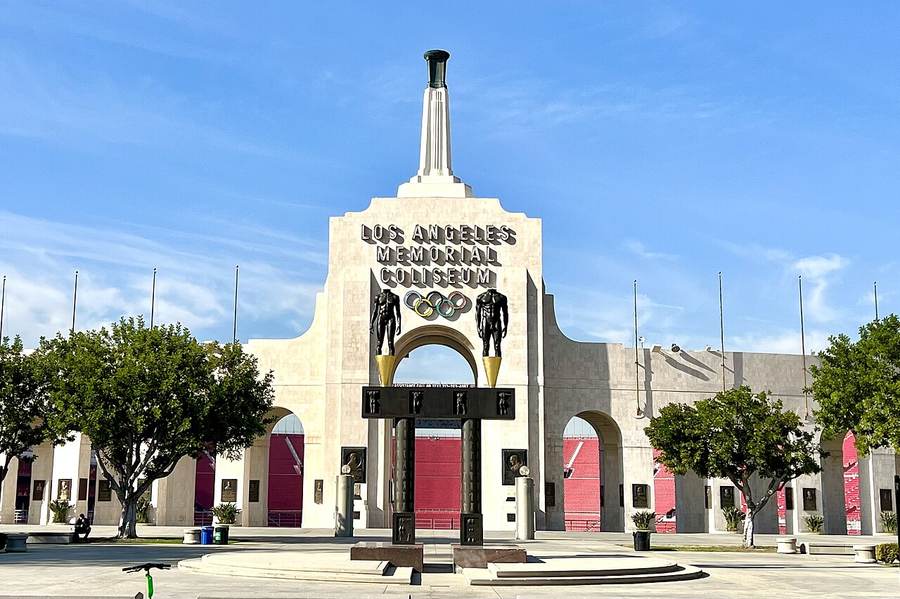
LOS ANGELES — Fire Lincoln Riley chants broke out from the USC Trojans student section Saturday night, turning a 25-21 victory over Washington into the clearest public measure yet of the pressure surrounding the fifth-year coach. ESPN's Paolo Uggetti reported a small but audible chant in the second quarter with USC down 14-10; after a three-and-out to begin the second half, the chant rang out behind the Trojans' bench. USC ultimately survived a late Washington drive and improved to 5-1, but the scene showed that the record and the mood around the program are telling different stories.
The distinction matters. The chants are evidence of fan sentiment, not evidence that the university has decided to fire Riley. USC announced no coaching move after the game. What changed was the volume of the argument: dissatisfaction that had lived in losses, online criticism and questions about postseason progress became audible inside the Coliseum while the outcome was still in doubt.
What happened: a deficit, the chant and a final defensive stand
USC trailed 14-10 in the second quarter when Uggetti first reported a small but audible chant from the student section. A nine-second clip posted by Barstool USC after the second-half three-and-out then widened the audience: the New York Post reported that it had drawn more than 52,400 views, 45 reposts and 247 likes within roughly an hour. Those figures capture how quickly a stadium moment became a national coaching story, not how many people inside the building joined it.
Washington extended its lead after halftime when tight end Decker DeGraaf broke free for a 42-yard touchdown, making it 21-10. USC finally restored the conventional script — a talented offense imposing itself — with a 13-play, 75-yard touchdown drive that cut the deficit to 21-16.
The game flipped on defense. Washington quarterback Demond Williams fumbled, and USC's Jahkeem Stewart returned the recovery for a touchdown that put the Trojans ahead 22-21. USC added a fourth-quarter field goal for a 25-21 lead, leaving the defense to decide the night. On Washington's final possession, the Huskies reached fourth-and-goal from the 12, but Williams' pass into the corner fell incomplete.
The USC Washington score October 2026 therefore records both an escape and a contradiction. USC made the decisive plays. It also spent long stretches helping Washington with poor execution. USA Today counted nine Trojan penalties for 84 yards even though the Huskies had only 44 passing yards in the first half. The margin stayed narrow because USC repeatedly surrendered field position and momentum it had already earned.
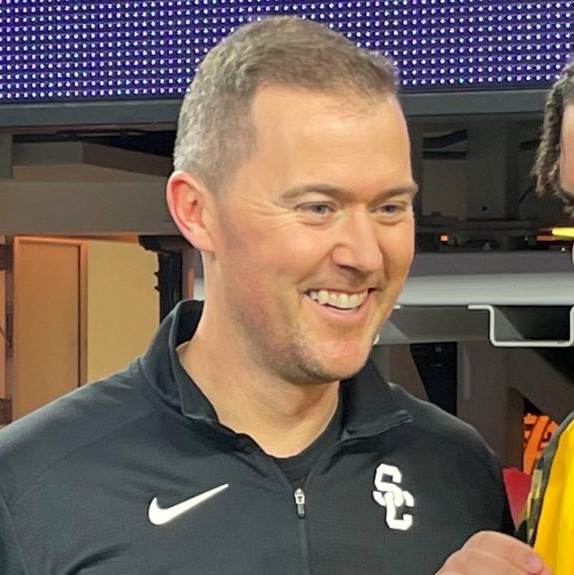
Why the Fire Lincoln Riley chants matter even after a win
Fans usually reserve a firing chant for a loss or the final minutes of a collapse. Hearing one with the home team ahead is what made Saturday unusual. It suggested that a portion of the crowd was not judging a single scoreboard. It was judging the distance between USC's resources and expectations and the results of Riley's tenure.
The immediate benefit of the win is real. USC avoided a second straight defeat, remained 5-1 and preserved a route through the Big Ten schedule. A loss to Washington at home would have made the Lincoln Riley hot seat 2026 discussion substantially hotter. The team prevented that outcome, and the defense delivered when one more Huskies conversion could have changed the story entirely.
But a narrow win cannot answer a multi-year complaint by itself. Fans did not arrive at the chant because USC trailed for part of one game. Their case includes no College Football Playoff appearance, no conference championship and a defense that has too often left elite offensive production without enough support. Saturday gave both sides fresh material: defenders can point to a 5-1 team that responded under pressure; critics can point to the need for a goal-line escape against a Washington offense USC had largely contained.
Background: Riley's fifth season and the promise that came with Year 1
Riley's USC debut established the standard that now works against him. The Trojans went 11-3 in his first season behind Caleb Williams and came close to a playoff berth. The offense looked capable of restoring USC to the sport's top tier, and the hire's national profile made that return feel immediate rather than distant.
Five seasons in, USC still has no playoff appearance and no conference title under Riley. That gap is the essential background to the USC football no playoff appearance frustration. The 11-win beginning is not irrelevant; it is the reason supporters expected the breakthrough to follow. Instead, later seasons turned each defensive failure and close call into evidence that the rebuild had stalled.
The tension intensified one week earlier when Oregon beat USC 41-27. Signal Post News covered the 41-27 Oregon loss and its playoff implications, a result that left Washington feeling like a must-win response rather than a routine October game. The same matchup also produced the severe hit on Oregon quarterback Dante Moore; our report on the Dante Moore hit and draft debate explains why the defeat carried controversy beyond the score.
The cancellation of the USC–Notre Dame rivalry game added another source of anger around the program's direction. That decision was larger than one coach, but rivalry disruption, conference realignment and missed postseason targets have blended into a broader fear that USC is losing pieces of its identity while still waiting for the championship return it was promised.
Who benefits, who loses and why the verdict remains divided
Riley and the players benefit from the result. The difference between 5-1 and 4-2 is not cosmetic. A one-loss team can still make November matter, and an ugly win creates a chance to correct problems without absorbing the standings damage of an ugly loss. Riley also has a concrete response to the no-resilience critique: his team surrendered the lead, reclaimed it and made the last stop.
The defense gains the final word, but not a clean bill of health. Pro Football Network placed USC's defense 125th nationally while its offense ranked third. Rankings can shift by week and methodology, but that contrast captures the structural concern around Riley's tenure. Washington did little through the air early, yet turnovers, penalties and a long second-half drive kept the Huskies within one possession.
Maiava and the offense leave with mixed evidence. The Jayden Maiava Washington game included the 42-yard touchdown to Lane and enough late production to regain the lead. It also included the second-half stall that triggered the second chant and a game script that became far tighter than the first-half yardage suggested.
Critics did not get the loss that would validate their strongest argument. Former USC safety Su'a Cravens was among the prominent voices criticizing the program, and a donor posting as @zolfagariMD amplified the calls for change. Their comments reflect a constituency, not an institutional decision. The win forces that constituency to argue from trajectory and performance quality rather than from Saturday's final score.
Riley's defenders can reasonably demand perspective. USC is 5-1, not 1-5. College football seasons are judged over schedules, and close games often separate contenders from teams that disappear. A coach whose players continue responding after turnovers and hostile home noise can argue that the locker room remains engaged even when parts of the fan base are not.
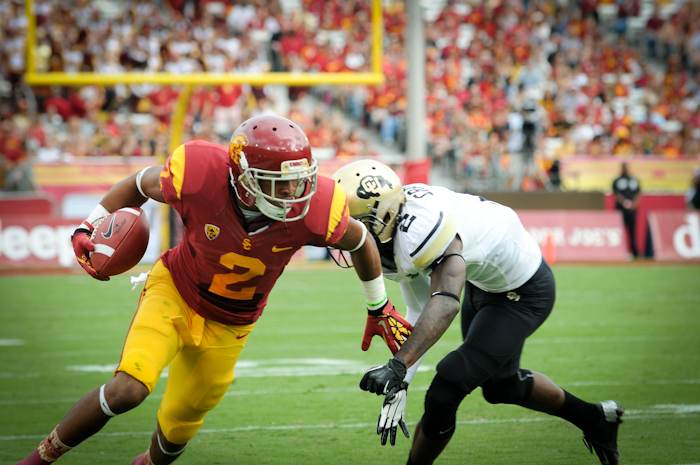
What the numbers say about performance and patience
The most important number is 5-1 because it preserves the season. The most revealing number may be 84: penalty yards USC handed away on nine flags. Against a more efficient passing attack, that combination would be difficult to survive. Washington's 44 first-half passing yards should have created separation; instead, USC entered the final minutes defending a four-point lead.
The game sequence also shows how quickly control changed. USC was down four when the first chant was reported, stalled immediately after the break and soon trailed by 11, then used a 13-play drive and a defensive touchdown to swing the scoreboard. That is not a steady path to victory. It is a chain of sharp swings, precisely the kind of volatility that has made Riley's USC teams compelling on offense and vulnerable in complete-game evaluations.
Riley acknowledged the poor play and penalties afterward while emphasizing that he was proud of the team's fight and saw plenty to build on. That is a fair coach's reading of one game. The fan response is a different reading of five seasons. Both can be true at once: USC can deserve credit for the comeback and still face legitimate questions about why a roster with playoff ambitions needed it.
What happens next: Penn State, recruiting and the cost of uncertainty
USC next goes on the road to face Penn State. That game offers the cleanest way to change the conversation because a strong performance against another Big Ten opponent would carry more weight than statements about progress. A second straight uneven outing, especially in a loss, would bring the chant and the Lincoln Riley fifth season record back into focus.
The university's options are not binary on Sunday morning. It can continue to evaluate the season, support staff or schematic changes, assess donor sentiment, and measure recruiting impact without making an immediate coaching decision. Riley's contract and any buyout would shape the cost of a change, while uncertainty itself can affect recruiting and roster retention. Those are strategic considerations, not evidence that a decision has been reached.
For recruits and current players, the next several weeks matter as much as the noise. Winning at Penn State would show that the program can absorb criticism without losing competitive direction. A slide would make every home reaction part of a larger story about authority and confidence. The people most exposed are often not the coach or athletic department officials but players being asked to perform while the program debates its future around them.
The Washington escape bought USC time. It did not buy silence. Until the Trojans produce the postseason breakthrough expected from Riley's hire — or establish a consistent identity that makes one feel close — the crowd will keep evaluating more than the score in front of it.
Sources and reporting notes
- New York Post: the Coliseum chants and early reach of the Barstool USC video
- USA Today: USC's 25-21 win, penalty total and postgame context
- EssentiallySports: scoring sequence, Riley's USC record and final defensive stand
- Pro Football Network: timing of the chants, ESPN's description and reaction around the program
Reporting note: The chants and criticism described here are attributed expressions of fan, donor and former-player sentiment. USC had not announced a coaching change at publication. Photographs are clearly labeled file images and do not depict the October 3 Washington game.