War · Africa · Somalia
In July, Washington told the UN's Somalia support office to wind down and auction off its generators. In November it changed its mind — for one year, and with a warning attached. One diplomat working on Somalia called the swings "madness".
Track it live: Africa wars tracker
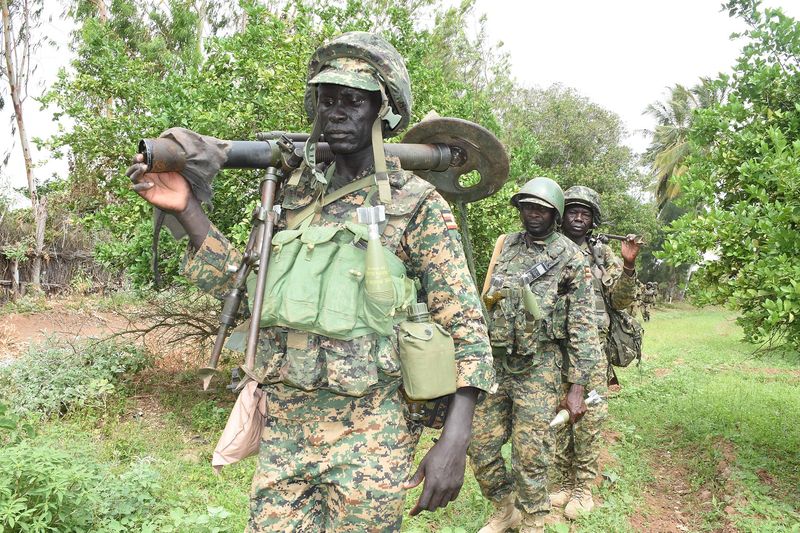
The United States will support a one-year renewal of the mandates of the UN Support Office in Somalia (UNSOS) and the African Union Support and Stabilization Mission in Somalia (AUSSOM), the State Department told AFP on Sunday — a US Somalia funding reversal that undoes July's decision to end UNSOS funding and close the office by the end of 2027, a wind-down that was to have begun in January 2027.
What UNSOS actually does
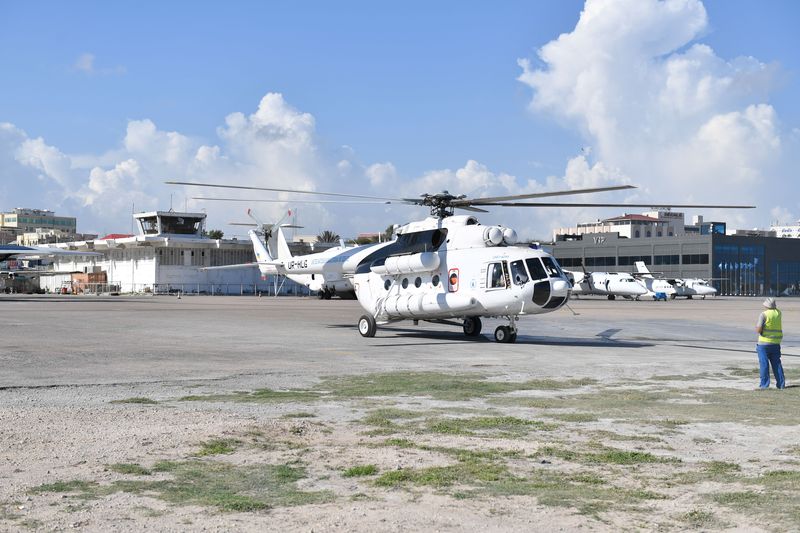
UNSOS is the logistics operating system underneath the entire international security effort in Somalia: it keeps some 11,826 uniformed personnel, 680 police and 85 civilians supplied across 49 locations. Its approved budget is about $481.4 million for 2026/27, down from about $500 million, after the secretary-general's October 2026 report noted a 25 percent reduction in expenditure. AUSSOM's own budget runs to about $190 million a year, with a substantial shortfall. The American stake is long and deep: by AFP and State Department figures, the US has provided nearly $2 billion to UN missions in Somalia since 2007 and more than $1.6 billion for African troops.
The welcome — and the warning
Somalia's federal government welcomed the reversal on Monday, thanking its "steadfast partner" the United States and saying the decision "reaffirms the enduring partnership between Somalia and the United States in the shared fight against terrorism." The State Department's support, however, came with its caveat stated plainly: there is no "indefinite commitment" and no "open-ended commitment". Somalia and the African Union must plan "more sustainable regional security solutions". Washington said the renewed support is meant to contain threats and "prevent the emergence of a broader security crisis in the region that would undermine US interests". Follow-up questions about the reason for the change went unanswered; reporting on the decision links it to an internal assessment fearing Somalia could become a failed state — an attribution, not a stated US rationale.
"Madness"
A foreign diplomatic source working on Somalia told AFP the return of US support was welcome, but that the sudden policy swings were "madness". The word captures the operational reality: in the four months between the cut and its reversal, the mission being cut had already begun dismantling itself.
Why Washington cut in July
The July decision, as AFP reported it, grew from frustration that Mogadishu had failed to "sustain progress against Al-Shabaab, take ownership of its security functions, or undertake serious security sector reform". None of those conditions has been declared resolved. The background is in our September explainer on the wind-down, and the battlefield pressure behind the argument is visible in the fighting around Buur Hakaba.
The dismantling already under way
According to FTL Somalia's analysis, UNSOS had begun liquidating: an August 2026 tender sought auctioneers for about $30 million worth of generators, medical equipment, prefabricated accommodation, vehicles and heavy machinery. A 2025 UN OIOS audit had found records and procurement deficiencies and a 30 percent vacancy rate in the mission's Procurement Section. And the troop contributors were already moving: Uganda began withdrawing its forces on November 2 — Uganda is the largest contributor — even as the policy that prompted the withdrawal has now been reversed.
Why this matters
A mission told to auction its generators in August and told to stay in November is a case study in what policy whiplash does to everyone downstream: AU planners cannot budget, troop contributors cannot schedule rotations, and Al-Shabaab gets to read American commitment as a quarterly variable. The one-year horizon compounds it — the reversal buys time, but the explicit refusal of an open-ended commitment tells Mogadishu the same clock is still running, now with a December 2026 mandate expiry weeks away and a Security Council decision still to come.
What happens next
The current UNSOS and AUSSOM mandates expire on December 31, 2026, and a UN Security Council decision is expected before then. Open questions: whether the liquidation process is formally unwound, whether Uganda's withdrawal pauses, and whether anything in this decision touches AUSSOM's roughly $190 million annual shortfall — on the reporting available, it does not. Signal Post News will follow the Council's decision.
Sources
AFP via the Daily Caller, November 17 — https://dailycaller.com/2026/11/17/us-reverses-cuts-un-support-office-in-somalia-unsos-military-funding-african-union. FTL Somalia — https://ftlsomalia.com/somalia-welcomes-u-s-reversal-on-unsos-funding-but-the-conditions-that-triggered-the-cut-remain/. Dawan Africa — https://www.dawan.africa/news/us-reverses-funding-cut-backs-another-year-of-aussom-logistics-support.