Moscow drone attack deaths
War / Ukraine–Russia / Moscow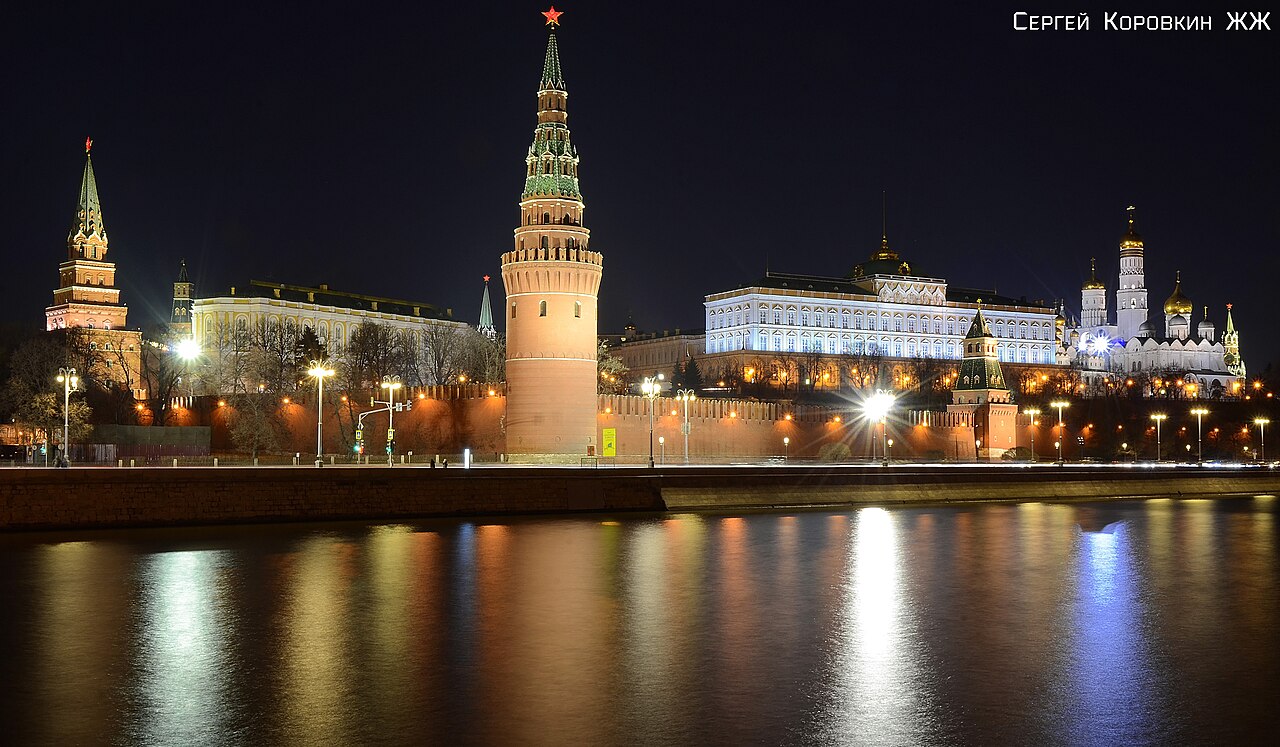
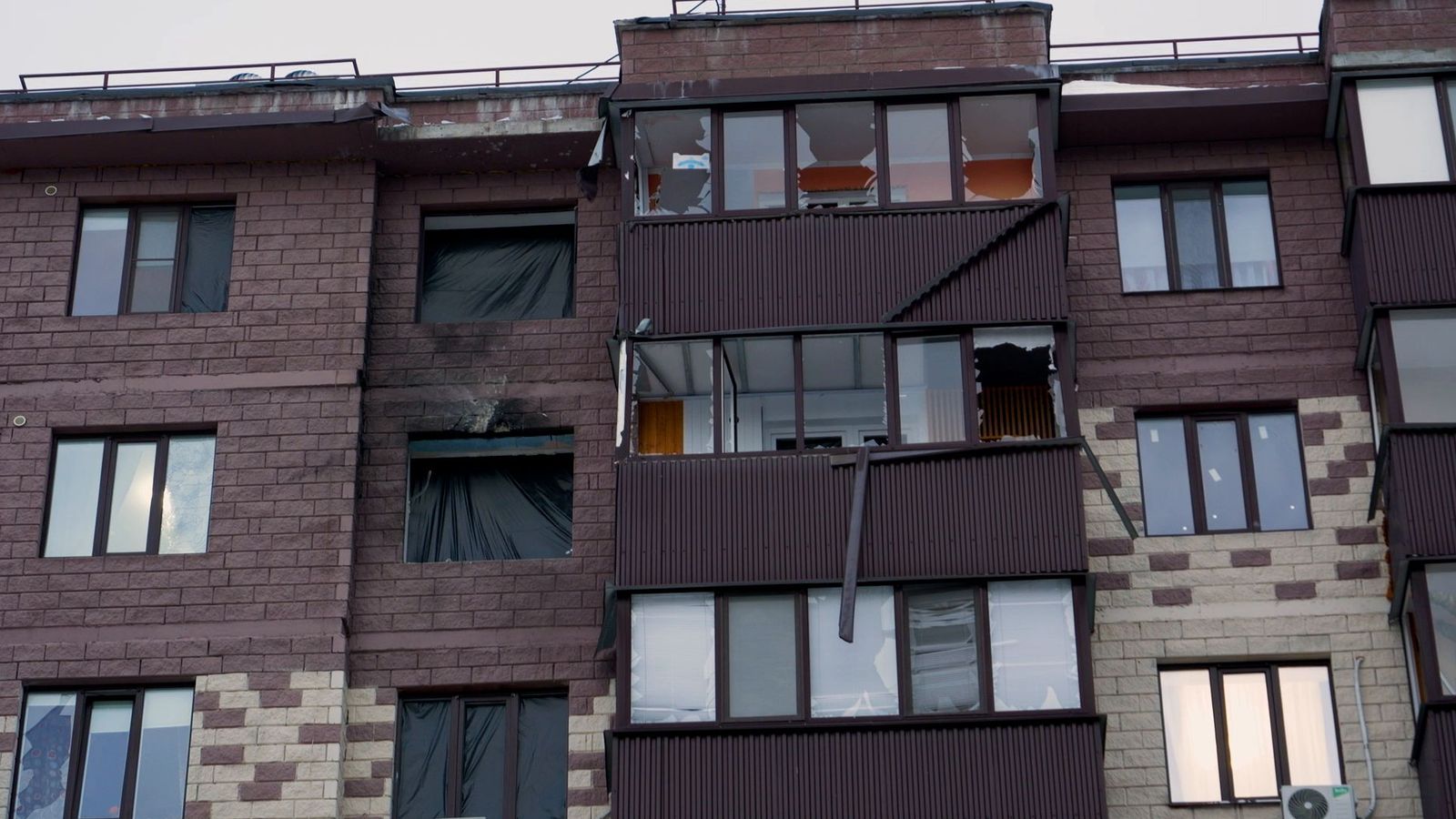
MOSCOW — Moscow drone attack deaths rose to two and nine people were injured after a Ukrainian assault struck the region overnight from October 5 into October 6, according to Moscow region Governor Andrei Vorobyov. He said a 71-year-old man was pulled from rubble at a damaged house and a 20-year-old man was found dead in a nearby village.
Reuters reported the official account and said it could not independently verify the casualty details beyond Vorobyov's statement. That limitation matters in a fast-moving air war where both Moscow and Kyiv publish battlefield claims that are difficult to audit in real time.
Moscow Mayor Sergei Sobyanin said more than 650 Ukrainian drones flew toward the capital during an assault lasting about eight and a half hours. He said most were destroyed farther out and 105 were downed while approaching Moscow. Russian state media called it the largest assault on the region in two years. Those numbers are official Russian figures, not an independently reconstructed launch count.
What happened overnight
Vorobyov: Moscow drones left two killed and nine injured
Vorobyov's account put the human cost at the center of an operation initially defined by drone totals, fires and airport closures. The 71-year-old victim was reportedly found beneath the remains of a house. The second victim, age 20, was found in a neighboring village. The governor did not publicly identify either man in the reporting available at publication.
A warehouse was set ablaze somewhere in the Moscow region, according to TASS reporting carried by Reuters. Reuters corrected an earlier version of its report to remove an attribution identifying the operator of the warehouse. The fire can be reported; the warehouse's ownership should not be asserted on the evidence now available.
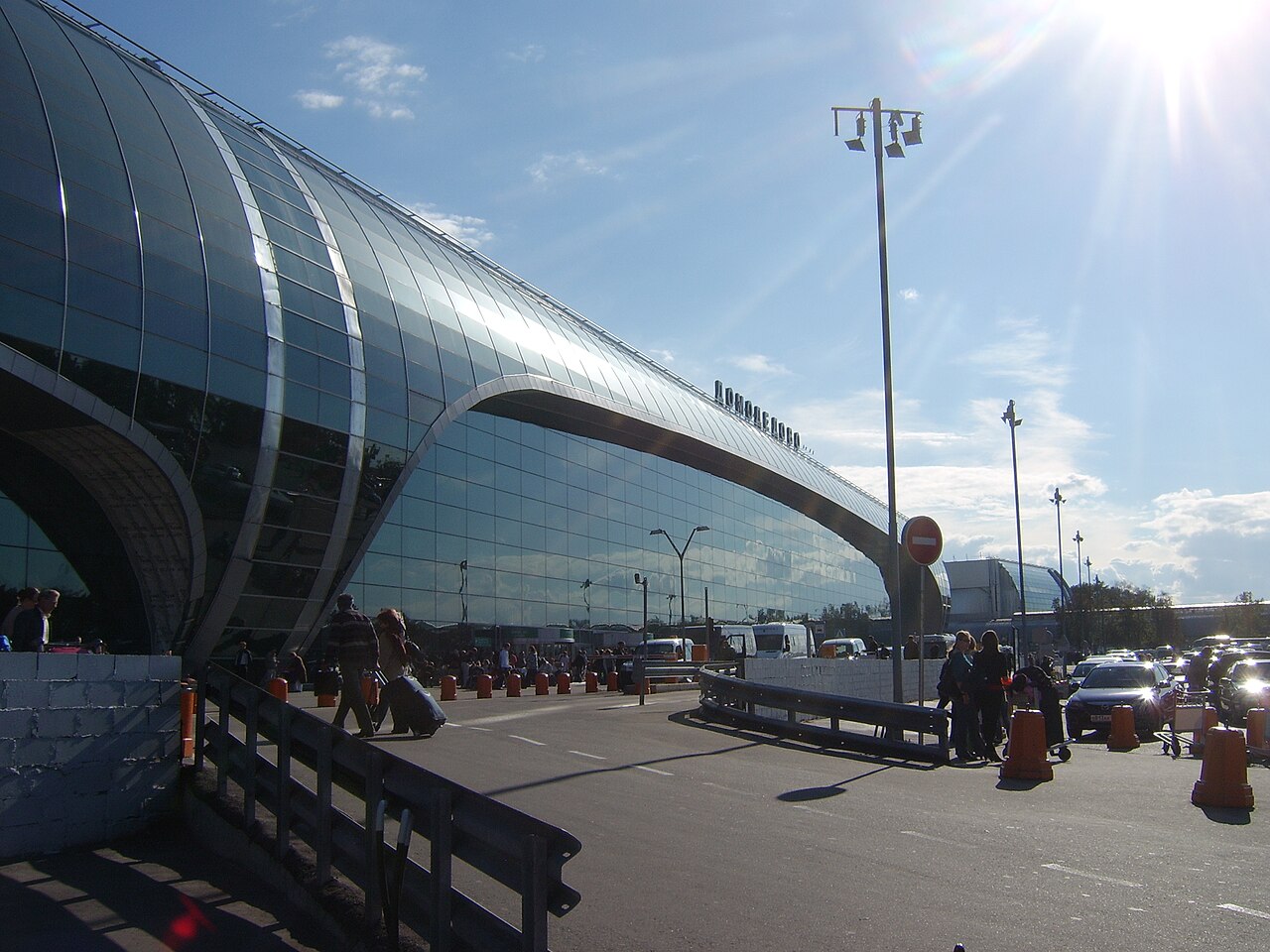
The head of Domodedovo, south of Moscow and home to the country's third-largest airport, said crews were working to restore electricity to villages affected by the drones. That detail shows the damage was not limited to visible fires. Power loss, falling debris and emergency closures can spread disruption beyond the point of impact.
Why this matters
Moscow drone blitz civilian deaths bring the war home
These are the first confirmed deaths attributed to a Ukrainian drone strike on the Moscow region. That makes the episode more than another test of air defenses. It marks a point at which the long-range campaign reached civilians around Russia's political and economic center with lethal consequences.
For Ukraine, deep strikes are intended to shift costs onto the state prosecuting the invasion, complicate military logistics and force Russia to divert air defenses away from the front. For Russia, the deaths support its argument that Ukrainian long-range attacks endanger civilians and justify stronger retaliation. Both governments describe their operations as responses to the other's attacks; neither description removes the obligation to distinguish military objectives from civilians.
The strategic asymmetry is stark. Kyiv does not need to destroy Moscow's defenses to impose disruption; it needs enough aircraft to get through or force closures. Moscow must defend a vast approach corridor, populated communities and the capital's infrastructure night after night. But every strike that kills civilians can also erode international tolerance for the campaign and give the Kremlin a powerful domestic narrative.
The assault in context
Sobyanin: 650 drones toward Moscow, 105 intercepted approaching
Sobyanin's two figures describe different categories. More than 650 drones were said to have flown toward the capital during the 8.5-hour period; 105 were said to have been destroyed on the approach to Moscow. The gap does not mean the remainder struck targets. Russian officials said many were engaged farther away, while route changes, decoys and differing geographic boundaries can also alter the totals.
The scale still imposed a measurable cost. All four Moscow airports suspended operations, producing hundreds of delays and cancellations. Passengers at Sheremetyevo were directed to shelter underground, according to reporting collected by EA WorldView and the Kyiv Independent via Europe Says. Airport restrictions protect aircraft from both incoming drones and falling interceptor debris, but repeated closures impose economic costs even when defenses work.
Moscow region drone casualties, October 2026, versus September 20
The September 20 strike was a different event and should not be merged with this one. That earlier operation involved claims of more than 1,000 drones, two deaths and 20 injuries. The October 5–6 assault involved more than 650 drones under Sobyanin's account, two deaths and nine injuries under Vorobyov's account. The casualty totals match only at the top line; the dates, locations and operational details do not.
The comparison shows why drone counts alone are a poor measure of effectiveness. Weather, route, target selection, air-defense readiness and the amount of explosive carried can matter more than the headline volume. The earlier strike is examined separately in Signal Post News's report on Ukraine's September 20 Moscow drone operation.
How we got here
Ukraine strikes Moscow oil hub as the energy campaign expands
The same blitz reportedly struck the Volodarsk Linear Production and Dispatch Center, described as the Moscow region's largest oil hub, with annual output of roughly 3 million tons and pipeline links to the capital's airports. Eyewitness footage showed flames, although the site and cause were not independently verified in the reporting available at publication. Signal Post News has a separate analysis of the reported Volodarsk oil-hub strike and airport shutdowns.
President Volodymyr Zelenskyy said Sunday that Ukraine would intensify attacks on Russian energy in response to Russian attacks on Ukraine's energy system. “With their attacks on our energy, we have to respond on their energy,” he said, pointing to oil refiners as a source of money for Moscow's war. Ukraine's Defense Ministry claims 51% of Russian refining capacity has been disabled. That is Kyiv's assessment, not an independently verified measure of capacity continuously offline.
President Donald Trump wrote on Truth Social on October 5 that Ukrainian refinery strikes were driving higher U.S. gasoline prices. That was his framing and is disputed: fuel prices reflect crude supply, refinery maintenance, regional inventories, transport constraints and taxes, as well as disruption to Russian refining. The political argument in Washington is becoming part of the battlefield's economic pressure.
Who benefits, who loses and what critics say
Kyiv's leverage and its risks
Ukraine may benefit if the campaign forces Russia to spread air defenses, consumes expensive interceptors, slows fuel distribution or demonstrates leverage before negotiations. Supporters argue that Russian energy revenue and fuel logistics sustain the invasion and are therefore legitimate strategic pressure points when attacked in accordance with international law.
Critics of Kyiv's approach say the raids can kill civilians, encourage retaliation against Ukrainian cities and unsettle energy markets far beyond Russia. They also warn that dramatic claims of refinery damage may overstate durable effects when facilities can restore partial output or reroute supply.
Moscow's defensive case and the cost of escalation
Russian officials can point to the reported 105 interceptions near Moscow—and many more farther away—as evidence that layered defenses prevented greater losses. Critics of Moscow reply that the war began with Russia's full-scale invasion and that its continued overnight strikes on Ukrainian cities create the security logic Kyiv cites for deep attacks.
Russian civilians, Ukrainian civilians, airlines, repair crews and energy consumers lose first. The state actors may gain bargaining leverage or domestic support, but the retaliation cycle transfers immediate risk to people who do not choose target lists.
What happens next
Russia Ukraine drone war escalation points toward retaliation
Russia continued striking Ukrainian cities overnight as the Moscow-region assault unfolded. The near-term risk is a larger Russian response against Ukraine's power grid, heating, fuel storage or urban infrastructure. Moscow has repeatedly called such attacks retaliatory; Kyiv says they are part of a sustained campaign to break civilian resilience. The label does not settle the lawfulness of any individual target.
A second scenario is an intensifying exchange in which both sides improve route planning, electronic warfare and interceptor tactics without either gaining decisive advantage. That would mean recurring airport closures around Moscow and recurring power disruptions across Ukraine—high cost, limited strategic resolution.
Diplomacy under fire
Zelenskyy said the United States had proposed talks with Russia by the end of October, according to EA WorldView. Deep strikes may increase Kyiv's leverage before those talks, but civilian deaths can harden Moscow's position and complicate allied support. An energy or long-range-strike truce would be difficult because each side would demand reciprocal limits and verification.
The evidence to watch is concrete: named casualty updates, geolocated damage, repair notices from the Volodarsk complex, restored electricity around Domodedovo, airport operating data and the scale of any Russian response. Until that evidence develops, the careful conclusion is this: a mass Ukrainian drone assault caused the Moscow region's first confirmed deaths from such a strike, according to its governor, while the full operational outcome remains contested.
Sources and reporting notes
- Reuters: Ukrainian drones kill two in Moscow region, injure nine, governor says
- The U.S. Sun: reporting on the Moscow drone wave and Volodarsk oil hub
- EA WorldView: Kyiv's mass attack across the Moscow region
- Europe Says / Kyiv Independent: Moscow-region attack and airport disruption
Reporting note: Casualty figures are attributed to Moscow region Governor Andrei Vorobyov. Reuters said it could not independently verify the official account. Drone and interception totals are attributed to Moscow Mayor Sergei Sobyanin. The warehouse fire is attributed only to TASS via Reuters after Reuters corrected an earlier ownership attribution. Analysis of strategy and scenarios is Signal Post News assessment.