War · Ukraine
Healey budget Ukraine aid took centre stage in the Chancellor’s first Budget on Wednesday: £7 billion of economic support over three years, £3 billion of export finance capacity and £500 million rushed into Ukraine’s air defences this winter — alongside a path to defence spending of 3% of GDP by 2030.
Track it live: Ukraine war map · Live war tracker
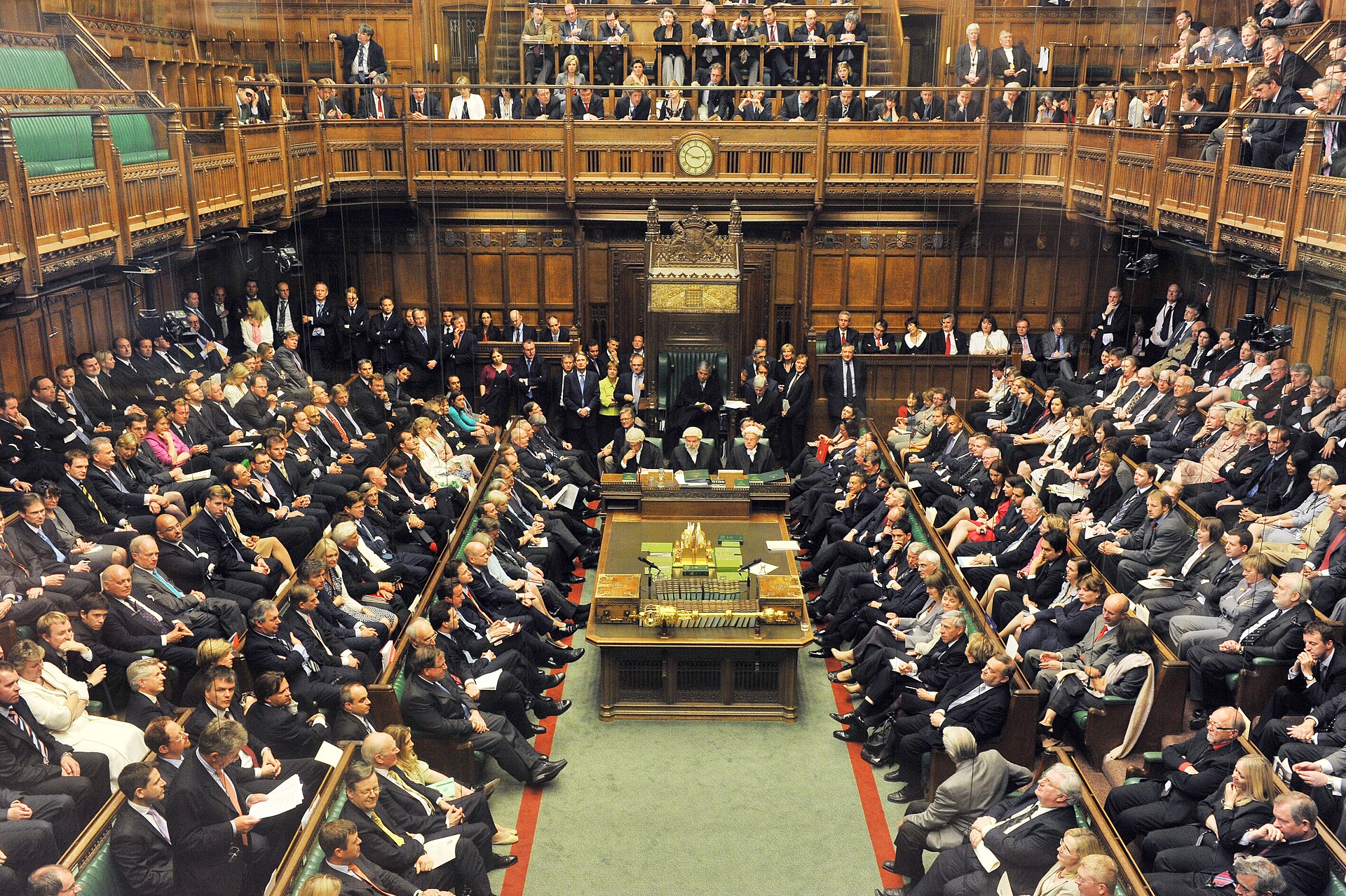
LONDON — The Britain £10 billion Ukraine support package was the centrepiece foreign commitment of Chancellor John Healey’s first Budget on Wednesday, as he told lawmakers that Britain will provide £10 billion ($13.29 billion) in additional economic and military support to Ukraine. The package is based on loans and export finance guarantees, Downing Street said, with £500 million in urgent military funding front-loaded into this winter — money earmarked, in the government’s words, to “plug urgent gaps in Ukraine’s air defences”.
Healey framed the commitment as open-ended. “Britain will stand with Ukraine for as long as it takes,” he told the House of Commons, according to Reuters. “The whole House, the whole country, is united for Ukraine.” The pledge makes the UK economic military support Ukraine 2026 commitment the largest single new foreign-policy line in a Budget otherwise dominated by domestic choices — and it lands at the moment Kyiv says its air-defence arithmetic is at its most unforgiving of the war.
The breakdown: £7 billion, £3 billion — and £500 million for this winter
Downing Street’s breakdown divides the headline number into three distinct instruments, and the differences between them matter. The largest element is £7 billion in economic support over three years — backing intended to help Ukraine’s government keep paying for the basics of a state at war while its own tax base is under bombardment. The second is £3 billion in export finance capacity: not a grant, but headroom for loans and guarantees that underwrite purchases, a mechanism that can support Ukrainian buying while also channelling orders towards suppliers, including British ones. The third element is the smallest and the fastest: £500 million in urgent military funding this winter, directed at air defence.
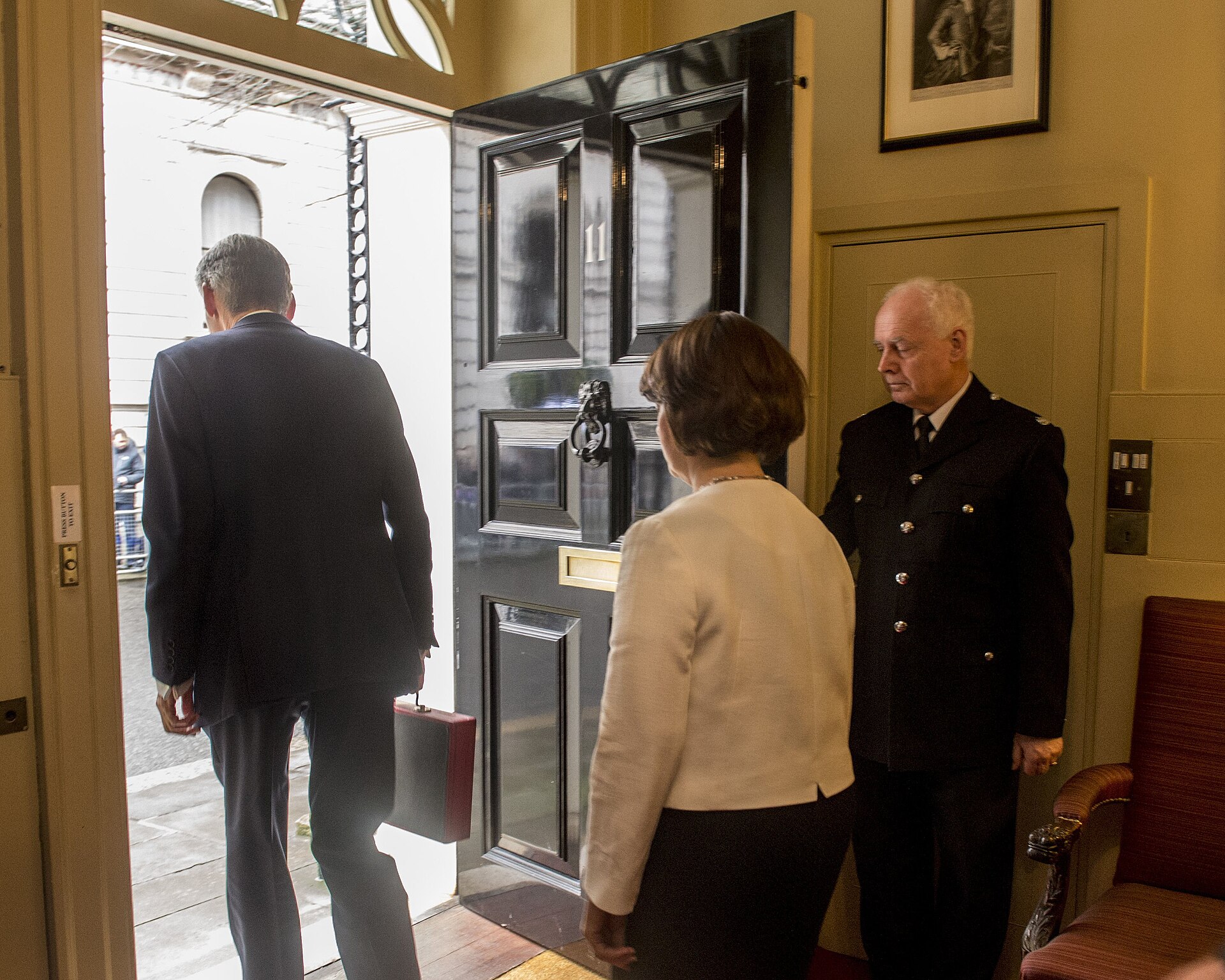
That structure explains both the size of the headline and its limits. Loans and guarantees can be announced at a scale that outright grants cannot, because much of the money is expected to be repaid or never called. But the same structure means the £10 billion is not £10 billion of cash leaving the Treasury this year: spread evenly, the £7 billion economic element works out at roughly £2.3 billion a year over three years, the export finance is capacity rather than spending, and the £500 million winter tranche — 5 percent of the headline figure — is the part designed to change facts on the ground before the cold sets in.
“You’ve made my day”: the call before the Budget
Before Healey rose in the Commons, he and Prime Minister Andy Burnham spoke to President Volodymyr Zelenskyy, Reuters reported. Zelenskyy’s reply, as related from that call, was four words long: “you’ve made my day.” The warmth was not diplomatic decoration. The call came a day after Zelenskyy had set out, in the starkest terms of the war, why Ukraine needs air-defence help now: Kyiv is receiving an average of 12 American Patriot interceptor missiles a month — about 150 a year — while Russia fires roughly 150 ballistic missiles at Ukraine every month, as we reported in Zelenskyy’s push for Abu Dhabi peace talks this Sunday and his warning over the Patriot shortage.
The sequencing is the story. Zelenskyy is pressing simultaneously on two tracks — an accelerated diplomatic timetable, with the Abu Dhabi talks he wants brought forward to Sunday, and an emergency material one, because a year’s supply of Patriot interceptors covers, on his numbers, about a month of Russian ballistic fire. A British pledge that pairs long-term economic backing with £500 million aimed squarely at this winter’s air-defence gaps speaks to the second track directly. It does not close the gap Zelenskyy described — no single national package could — but it is the first major allied commitment announced since he put the 150-a-year against 150-a-month arithmetic on the record.
The winter air-defence problem
UK £500 million air defence Ukraine winter funding meets a grid under fire
Winter is when Ukraine’s air-defence shortage bites hardest, because winter is when Russia’s campaign against energy and transport infrastructure does its worst damage. Reuters reports that Russia has attacked more than 1,700 Ukrainian rail facilities this year alone, a figure from Ukraine’s state railway Ukrzaliznytsia carried by Reuters — a campaign against the network that moves food, fuel, equipment and people, running in parallel with the missile and drone strikes on the power system that air defences exist to stop.
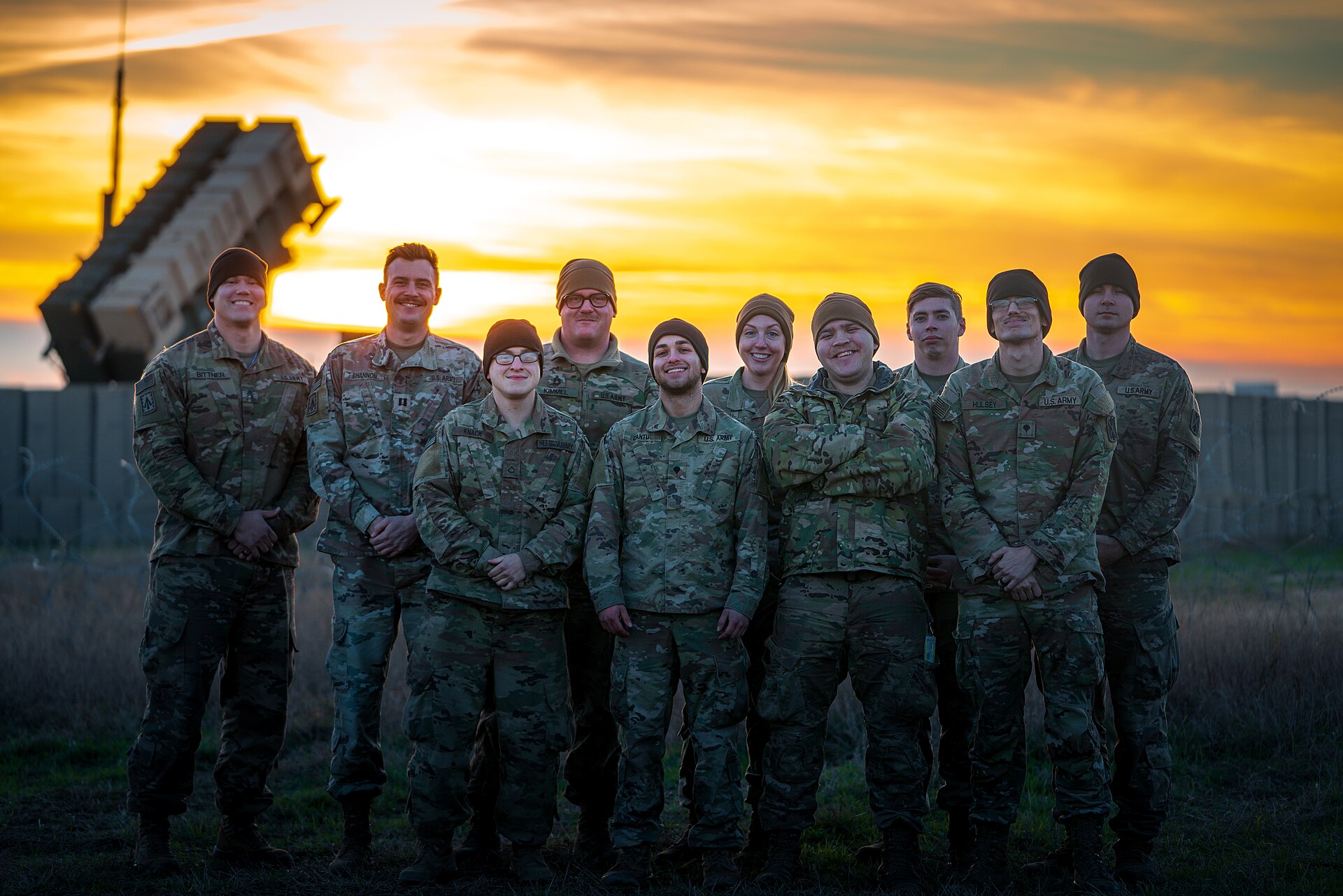
The war the £500 million is meant to answer is not standing still, and neither is Ukraine’s own offensive effort. The same night’s fighting that frames this Budget included Ukraine’s deep-strike campaign against Russian industry, covered in our report on the reported strikes on the Novolipetsk steel plant and the Azot chemical plant. Kyiv’s theory is that striking the industrial base behind Russia’s missile campaign reduces the volume of fire its air defences must absorb; London’s £500 million works the other side of the same equation, adding to the shield rather than subtracting from the sword.
£10 billion in context
Britain defence spending 3 percent of GDP by 2030: the pledge behind the package
Alongside the Ukraine commitment, Healey set out the government’s work towards defence spending of 3% of GDP by 2030, with the route to the target to be set at next year’s spending review. The two announcements are designed to be read together: the Ukraine package is presented as the immediate expression of a longer rearmament trajectory, and the 3% path is the government’s answer to the question every large aid pledge provokes — whether Britain’s own forces, whose stocks have been drawn on for Ukraine, will be rebuilt at the same time.
The fiscal context is the rest of the Budget. Healey’s first statement as Chancellor was trailed as a bet on housing and devolution, as our UK Budget preview: Healey bets his first Budget on housing and devolution set out — and every billion committed abroad is a billion weighed against those domestic promises and against the welfare and public-service lines elsewhere in the Red Book. Market analysis of the Budget, including AJ Bell’s, has focused on exactly that tension: Healey’s plans to hit defence spending targets while cutting the welfare bill. The Ukraine package’s loan-and-guarantee structure is, in part, the Treasury’s answer to the tension — a headline commitment whose immediate cash cost is a fraction of its face value.
Why this matters
The gains and losses from the package are unevenly spread, and they fall on different people at different times. The clearest beneficiary is Ukraine’s state itself: £7 billion of economic support over three years underwrites the salaries, pensions and services that keep a government functioning under bombardment, and the £500 million addresses the one shortage Kyiv’s president has personally quantified in public. British exporters are a second beneficiary, since export finance guarantees typically support orders placed with domestic suppliers. The costs, by contrast, are diffuse but real: loan-based support adds to the debts Ukraine must eventually service, guarantees carry contingent risks for the British taxpayer, and the fiscal room the package occupies is room not available to the domestic programmes the same Budget promotes.
Critics of large aid packages make three recurring arguments, and all three will be heard in the debate this Budget starts. The first is fiscal: that commitments of this scale, however structured, compete with strained services at home. The second is about the instrument: that loans and export credits are a less honest form of help than grants, because they return as debt and orders. The third is strategic: that open-ended language — “for as long as it takes” — writes a cheque whose final size no chancellor can state. Supporters of the package answer in kind: that the loan structure is what makes £10 billion announceable at all, that Ukraine’s alternative to allied debt is defeat rather than solvency, and that the cost of Russian success — in refugees, in NATO’s eastern flank, in Britain’s own rearmament bill — would dwarf £10 billion. Both cases are now on the record; what Wednesday settled is only the direction, not the argument.
There is also a signal in the timing that neither the fiscal nor the strategic debate captures. The pledge was made a day after Zelenskyy warned that Washington’s attention is drifting towards the Middle East, and it was trailed to Kyiv in a call warm enough to draw “you’ve made my day” from a president who has spent the autumn cataloguing his allies’ shortfalls. Whether or not other capitals follow, London has positioned itself as the ally that answered the Patriot arithmetic within 48 hours of it being published.
What happens next
Three tests will show what the £10 billion is worth in practice. The first is speed: the £500 million is winter money, and winter in Ukraine is measured in weeks, so the composition of the air-defence package — interceptors, systems, or funding towards allies’ transfers — and its delivery dates matter more than its announcement. The second is the spending review next year, where the route to 3% of GDP by 2030 must be drawn in actual programme lines; a target without a route is the criticism Healey’s predecessors faced, and the one his own timetable now invites. The third is diplomatic: whether the Abu Dhabi track Zelenskyy is pushing for Sunday turns the military facts this Budget addresses into negotiating leverage, or whether the talks slip and the winter campaign proceeds on the arithmetic Kyiv has already published. The money is committed. What it buys — time, interceptors, or leverage — is the story of the next three months.
Sources: Reuters (October 28, 2026) on Healey’s Budget announcement of £10 billion in additional support, the “stand with Ukraine” pledge and the pre-Budget call with Zelenskyy, and on the more than 1,700 Russian attacks on Ukrainian rail facilities this year reported via Ukrzaliznytsia; The Times (October 28, 2026), live Budget coverage of Healey’s speech; AJ Bell (October 28, 2026) on Healey’s plans to hit defence spending targets and cut the welfare bill. The £7 billion / £3 billion / £500 million breakdown is Downing Street’s, as reported; the Patriot interceptor figures are President Zelenskyy’s, as reported in our earlier coverage linked above.