Economy · UK Politics
The UK Budget 2026 key points, at a glance: a £100 Household Energy Payment for some 20 million households, a bank tax rise to pay for it, the abolition of gas standing charges, a reprieve for cash ISA savers — and a Budget designed, above all, not to frighten the bond markets.
Track it live: Live markets tracker
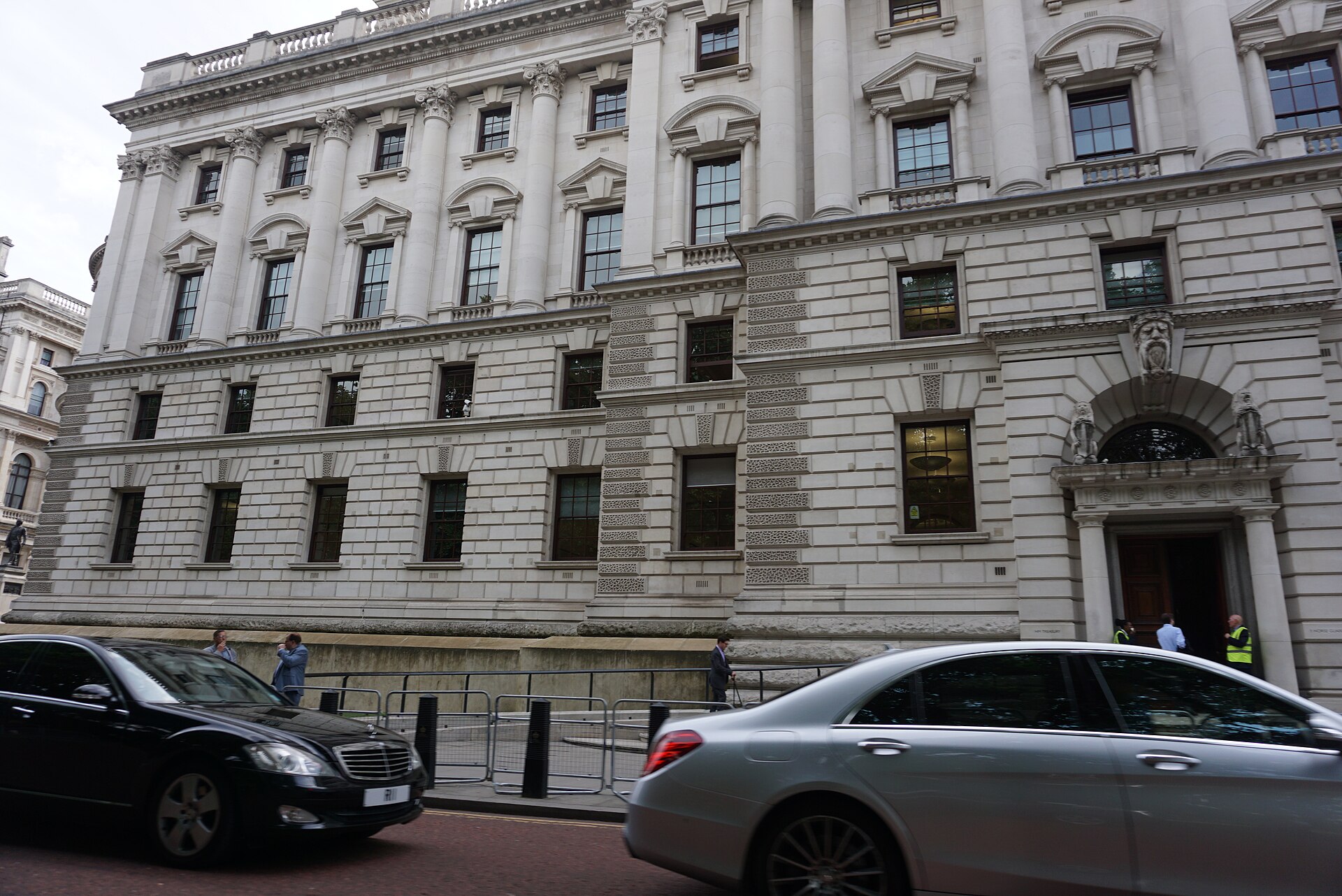
LONDON — Chancellor John Healey delivered his first Budget to the House of Commons on Wednesday, and the UK Budget 2026 key points were defined as much by what he deliberately left alone as by what he changed. It was the first Budget of Prime Minister Andy Burnham’s government: Burnham has been in Downing Street since July, and Healey — a former defence secretary — has been Chancellor since July 20, 2026, succeeding Rachel Reeves. Healey told MPs that everything in the Budget is fully funded, and he returned again and again to a single phrase for what it was meant to buy households: breathing space.
He framed the statement around what he called “global economic storms” — the conflict in the Gulf and the Middle East driving oil and gas prices, with Brent crude around $115 a barrel, trade tensions, and the war in Ukraine. “Those are the storms we face,” Healey said. “We can’t wish them away. We must choose the course we steer through them.” The course he chose was caution: a headline payment to households, one significant tax rise aimed at the banks, and a protective buffer of £15 billion left deliberately untouched beneath the government’s fiscal rules.
The headline: £100 for 20 million households
The centrepiece is the Household Energy Payment: £100 paid to about 20 million households in council tax bands A to D in England, at a cost of £2.6 billion. The money will be paid directly into bank accounts from January 2027, administered through the council tax system. It is not universal: households in higher bands do not receive it, and entitlement follows the council tax register rather than energy use, which means a frugal band D household and a heavy-using one are treated the same.
The devolved governments in Scotland, Wales and Northern Ireland will receive their share of the funding through the usual arrangements, and Healey called on Edinburgh, Cardiff and Belfast to match the payment — leaving the decision, and the politics of it, to them.
Around the payment sit three further energy measures. The 0% VAT rate on domestic electricity, in place since October 1, is extended through the winter and spring to July 2027 — worth about £50 off the annual price cap for a typical household. The 5p-per-litre fuel duty cut is also extended to July 2027; Reuters put the cost of keeping fuel duty frozen until at least July at £1.4 billion over the period. And in the measure with the longest fuse, gas standing charges will be removed altogether: Healey will ask the regulator Ofgem to deliver their removal in 2027 or as soon as possible after.
Gas standing charges scrapped — eventually
The standing charge is the fixed daily fee on a gas bill, currently about £108 a year for a typical household, paid whether or not any gas is used. Abolishing it does not abolish the fixed costs of the network; those costs shift onto the unit rate, the price of each unit of gas burned. The Treasury’s arithmetic is that about 60% of households — those who use less than average — will save an average of about £45 a year from the shift. Unsaid at the despatch box: high users, including large families and people in poorly insulated homes who cannot cut consumption easily, may gain less or nothing, and the final design sits with Ofgem rather than the Chancellor.
Paying for it: the bank tax
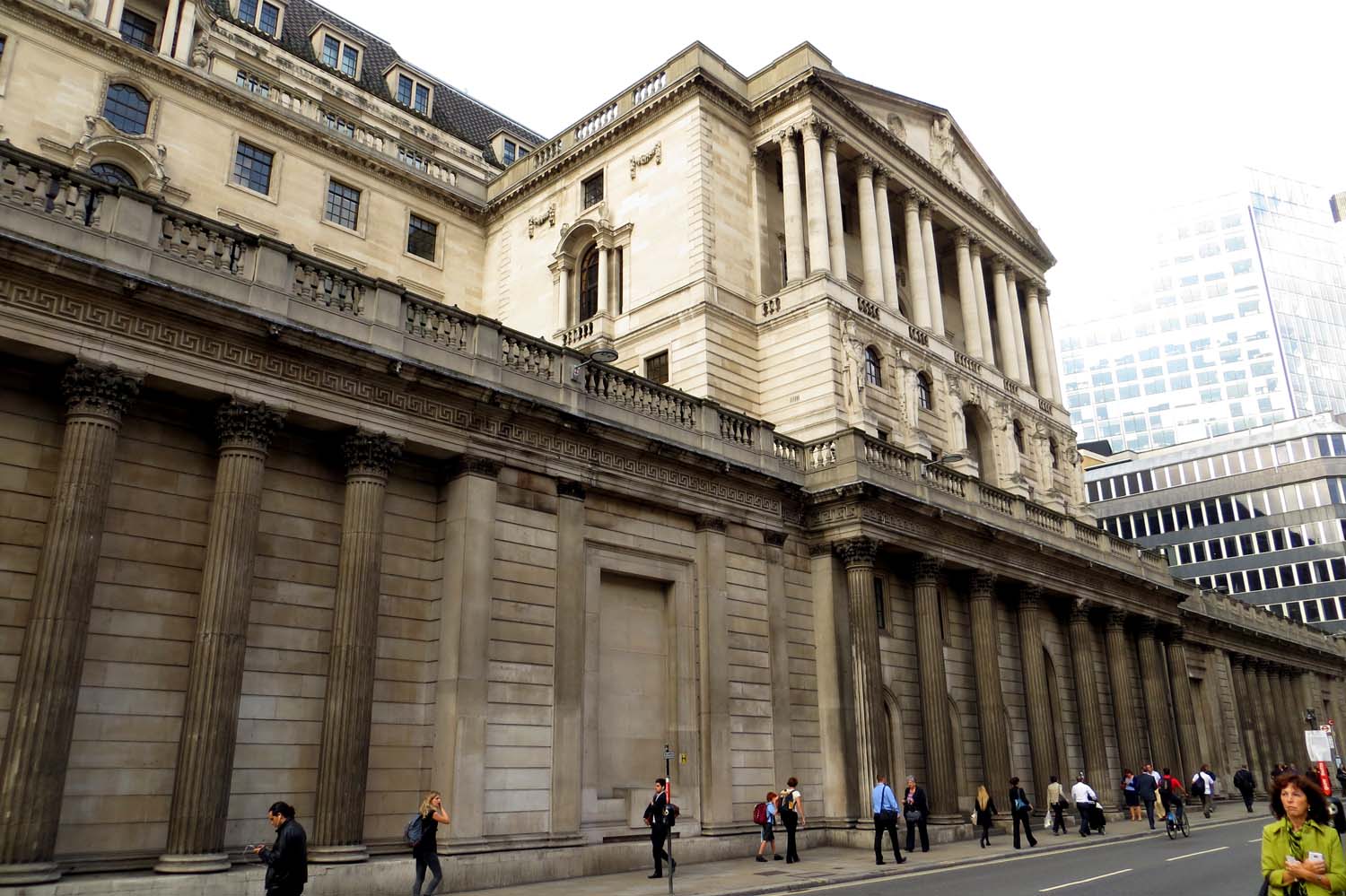
The bill is presented, in the main, to the banks. The Bank Corporation Tax Surcharge rises from 3% to 6% for 15 months, from January 1, 2027 to March 31, 2028 — a rise the Treasury describes as time-limited, and which partly reverses the cut from 8% made under Rishi Sunak in 2023. “I am looking to our banks to help fund breathing space for British families,” Healey said. Its temporary character is the government’s answer to the City’s competitiveness argument: a contribution to an emergency, ministers say, not a permanent repricing of banking in Britain.
The banks were not the only contributors. Taxes rise on gambling — the duty on high-stakes gaming machines goes from 20% to 25% — on vaping, and, in measures trailed as closing gaps rather than raising rates, on savers and landlords. VAT rules for online marketplaces such as Amazon and eBay will be tightened, making the platforms responsible in more cases for the tax due on sales through them. Together, the package is designed to satisfy Healey’s central claim: that the household support is paid for, line by line, rather than added to borrowing.
The cash ISA U-turn
The Budget’s clearest reversal concerned savers. The planned cut in the cash ISA allowance — from £20,000 to £12,000 a year for under-65s, announced by Rachel Reeves last year and due to take effect in April 2027 — is scrapped. The allowance stays at £20,000 for savers of all ages. In its place, the Treasury will work with the industry on a new “Starter ISA” aimed at first-time investors — encouragement, rather than a penalty on cash, as the route into share ownership.
The industry response, reported by Morningstar, was relieved and pointed in equal measure. Jason Hollands of Bestinvest welcomed the decision. Greg B. Davies of Oxford Risk noted the irony that the threatened cut may itself have pushed savers into cash ISAs while it hung over them — the opposite of the behaviour the policy was meant to produce. The episode illustrates the Budget’s governing instinct: where a planned change risked a backlash, the change gave way.
Wages, headroom and the forecasts
For workers on the lowest pay, the National Living Wage rises by 3.9% from April 2027, from £12.71 to about £13.20 an hour. The Budget also locked in the protection Healey had already signalled for pensioners, covered in our earlier report on Healey’s plan to shield nearly one million pensioners from income tax as the state pension rises past the tax threshold.
The number that mattered most to the Treasury’s audience in the bond markets was the headroom: £15 billion of room left against the government’s fiscal rules. That is in line with a Reuters poll of expectations, but it is down from £23.6 billion in March, a reminder of how much of the buffer the year’s shocks have already consumed. The Office for Budget Responsibility upgraded its growth forecasts alongside the Budget; Government Business reported the OBR forecasting growth of 1.2% this year. Healey, reported by CoStar, spoke of getting the country “back into the black in three years”.
Devolution and the high street
The structural story of the Budget is money and power moving out of Westminster — ground Healey had prepared before the speech, as our UK Budget preview: Healey bets his first Budget on housing and devolution set out. By the end of the decade, 100% of business rates are to be retained locally. From next year, 20% of business rates revenue goes to mayors; from 2028, mayors will receive a share of income tax; and some mayors will gain powers to introduce overnight visitor levies. Healey called it part of the “biggest wave of devolution in a generation”.
For small businesses, the business rates relief threshold rises from £12,000 to £18,000. The adviser Atelier estimated that the change could remove around 75,000 properties in England from business rates altogether, including about 2,600 pubs, 2,500 restaurants and 1,600 cafés — an estimate, not a Treasury figure, but one that captures why the measure matters to high streets. A British industrial competitiveness scheme will take 25% off electricity bills for 10,000 firms at the heart of British industry, live in April, with payments backdated for this year’s energy costs. And there is a further £430 million for rough sleeping services, to keep the offer of a route off the streets open for the rest of this parliament.
The same Budget carried £10 billion for Ukraine
The Budget’s largest single foreign commitment was made in the same speech: as we reported separately, Britain’s £10 billion support package for Ukraine, with £500 million front-loaded into air defences this winter. The two announcements describe the government’s dilemma precisely: a war-driven energy shock is simultaneously the reason households need help with their bills and the reason the defence and aid lines cannot be cut to pay for it.
The verdict: “a very boring budget”
The market reaction was calm to the point of approval. The 10-year gilt yield fell 2 basis points to 5.323%, and the 30-year fell 3 basis points to 5.711%. The pound slipped just 0.1%, to $1.3298 and 83.72p against the euro. The FTSE 100 rose 0.1% and the FTSE 250 0.4%. Shares in Lloyds, Barclays and NatWest rose between 3.3% and 3.6% — the bank tax rise, when it came, was smaller and shorter than lenders had feared, and the City priced relief rather than pain.
“A very boring budget” was the verdict of Kathleen Brooks of XTB; Rory McPherson of Wren Sterling called it “reassuringly dull”, while noting that two-year yields edged up on expectations of a Bank of England rate hike next week. The BBC’s political editor Chris Mason described the statement as “a flotilla of smaller measures”, and the former Conservative chancellor Jeremy Hunt questioned whether it would “fix big problems” — a charge that lands because it identifies the Budget’s deliberate design: many small helps, no single big fix.
Why this matters
Andy Burnham entered Downing Street in July promising “the biggest changes in the last 40 years”, amid talk of ending four decades of free-market philosophy. His government’s first Budget deliberately changes little. Reuters Breakingviews noted that the statement keeps a £15 billion debt buffer to appease bond investors, with more radical tax and spending changes on hold — perhaps until after a snap poll. Read together, the strategy is coherence, not timidity: after years in which bond markets punished surprises savagely, calm gilt and sterling moves are not the backdrop to the policy. They are the policy win.
The help itself is real but modest, and it should be measured honestly. A £100 payment, a £50 VAT effect and a prospective £45 standing-charge saving are set against household energy bills being driven by a war and a $115 oil price. They buy time — breathing space, in Healey’s chosen words — not a fix. The winners are clear enough: households in council tax bands A to D, savers reprieved on the cash ISA, small high-street businesses lifted out of rates, mayors with new revenue, drivers, and workers on the minimum wage. The losers are equally identifiable, and mostly lightly touched: banks, gambling firms, landlords and online marketplaces, plus the minority of high gas users for whom the standing-charge shift offers little. The ISA U-turn adds a lesson in the limits of nudge-by-penalty: threatening to tax cash saving more heavily did not move money into shares; it moved more money into cash.
That leaves the Budget’s central tension unresolved, and it is political rather than fiscal. A government elected on transformation has chosen, at its first great test, to be trusted rather than transformative — betting that steadiness now buys the credibility for change later, and that voters frightened by bills will reward a chancellor who frightened nobody. Whether that bet pays off depends on events Healey does not control: the oil price, the Bank of England, and an electorate that was promised the biggest changes in 40 years and has so far been given, deliberately, very few of them.
What happens next
The implementation calendar is crowded. The Household Energy Payment and the bank surcharge both start in January 2027. The living-wage rise and the business energy scheme land in April 2027. Ofgem must now design and deliver the removal of gas standing charges, the Budget’s most technically exposed promise. The Bank of England meets next week, with markets already pricing the possibility of a rate rise that would test Healey’s calm. And behind the timetable sits the question Breakingviews raised and Westminster will not drop: whether caution is this government’s destination or merely its first phase — and whether the snap-election speculation becomes the real story of the Burnham project.
Sources: Reuters (October 28, 2026), the key measures in Healey’s first Budget, and its budget report by Milliken and Bruce; Reuters (October 28, 2026) on the market reaction — gilt yields, sterling, the FTSE and the bank shares; Reuters Breakingviews (October 28, 2026) on the £15 billion buffer and the government’s longer tax and spending choices; Which? (October 28, 2026), Budget guides on the energy payment, standing charges and the cash ISA; MoneyAge (October 28, 2026); Government Business (October 28, 2026) on the OBR growth forecast; CoStar News (October 28, 2026) on Healey’s “back into the black” remarks; Morningstar UK (October 28, 2026) on the cash ISA decision and industry reaction. The business-rates property figures are estimates by the adviser Atelier, as reported; the growth figure is an OBR forecast.