Badr defence pact: the Badr defence pact signed in Doha on Wednesday joins Turkey, Qatar, Pakistan and Indonesia in a single framework for military production, training and research.
World / Defence Diplomacy — four countries, one production pact: Ankara is turning wartime demand into a defence-industrial partnership, and Doha is where it signed
Track it live: Live war and conflict tracker
What was signed in Doha
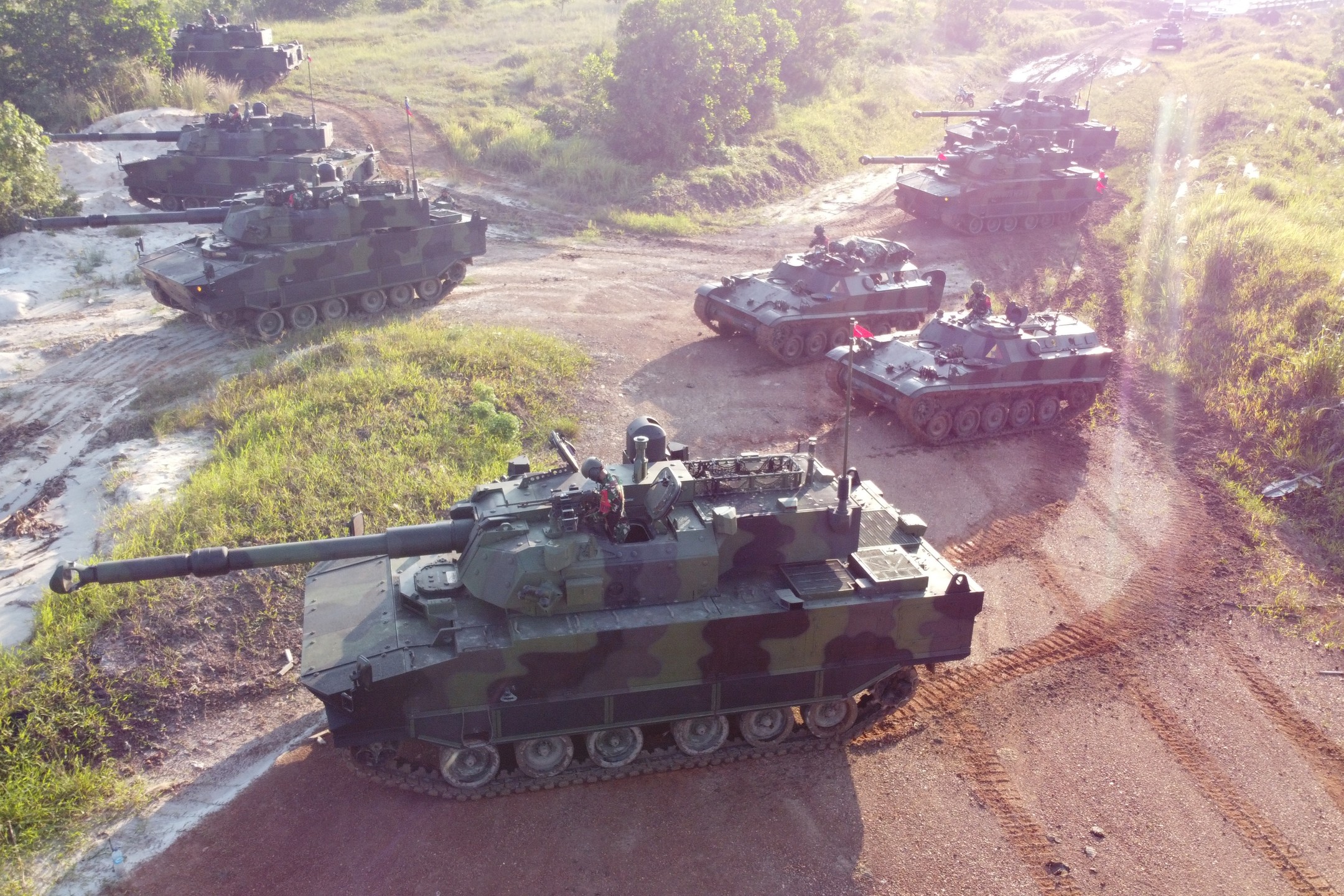
The Turkish Defence Ministry said the four countries signed the “Badr Memorandum of Understanding” in Doha, the Qatari capital, as a sign of their desire to further deepen cooperation and develop partnerships, Reuters reported. “The agreement holds substantial economic importance,” the ministry said, adding that the accord sought to foster cooperation in military production, boost military capabilities, and help collaboration in technical military training, research and development. The accord would also support military exercises and training and joint efforts to improve the countries’ respective defence industries.
“By leveraging the unique military production capabilities of each country, the initiative will facilitate cooperation and integration, enhance defense industrial capacities, and enable the fulfillment of the needs of allied and friendly nations,” the ministry added. Turkey’s Presidency of Defence Industries (SSB), which coordinates the country’s defence-industrial partnerships, had announced the signing a day earlier: Anadolu Agency reported on October 20 that the memorandum would build on existing defence projects among the four countries and mark a new step in Türkiye’s approach to multilateral cooperation, with efforts focused on moving beyond the supply of military platforms to joint production, technology transfer, interoperability, and the integration of supply chains.
What the signing statements did not contain is as important as what they did. No financial value was disclosed. No specific new weapons programme was announced. No implementation timetable, secretariat, or joint command was described. As published on Wednesday, Badr is a framework — a declared intention to cooperate across production, training and research — whose concrete content will be decided by the projects the four countries now attach to it.
What each country brings
Turkey is the pact’s industrial engine and its convenor. It has NATO’s second-largest army and a defence industry that has grown from a domestic supplier into one of the world’s significant exporters, Reuters noted. Ankara framed the partnership drive in strategic terms: the SSB said defence industry partnerships pursued with the support of President Recep Tayyip Erdogan are among the strategic elements supporting Türkiye’s foreign policy, and that efforts focused on mass production and exports have gained momentum under SSB head Haluk Gorgun, according to Anadolu.
Qatar is the host, the financier, and the party with the most immediate security problem. Turkey already maintains a military base in Qatar and has been helping Gulf nations, including Qatar, bolster their defences amid the Iran war, Reuters reported. Qatar has spent the war years in a double role — mediator between Washington and Tehran, and a front-line state whose energy infrastructure has been struck — and it has been moving to build defence production capacity on its own soil with foreign partners, a drive this site has covered in Doha’s defence production hub plans. Badr adds a Muslim-majority production network to the Western partnerships Doha has pursued in parallel.
Pakistan brings the pact’s only nuclear-armed military, a large standing army with recent combat experience, and an existing defence relationship with Ankara that deepened sharply this year: in August, Turkey signed a mutual defence pact with Pakistan and Saudi Arabia under which an attack on one party constitutes an attack on all, Reuters reported — a separate and much harder commitment than the one signed on Wednesday, and one this site examined in its coverage of the Mecca defence pact. Indonesia, the world’s largest Muslim-majority country and Southeast Asia’s largest military spender, brings scale, a growing domestic defence industry, and an established Turkish partnership in armour production.
The tank that explains the model
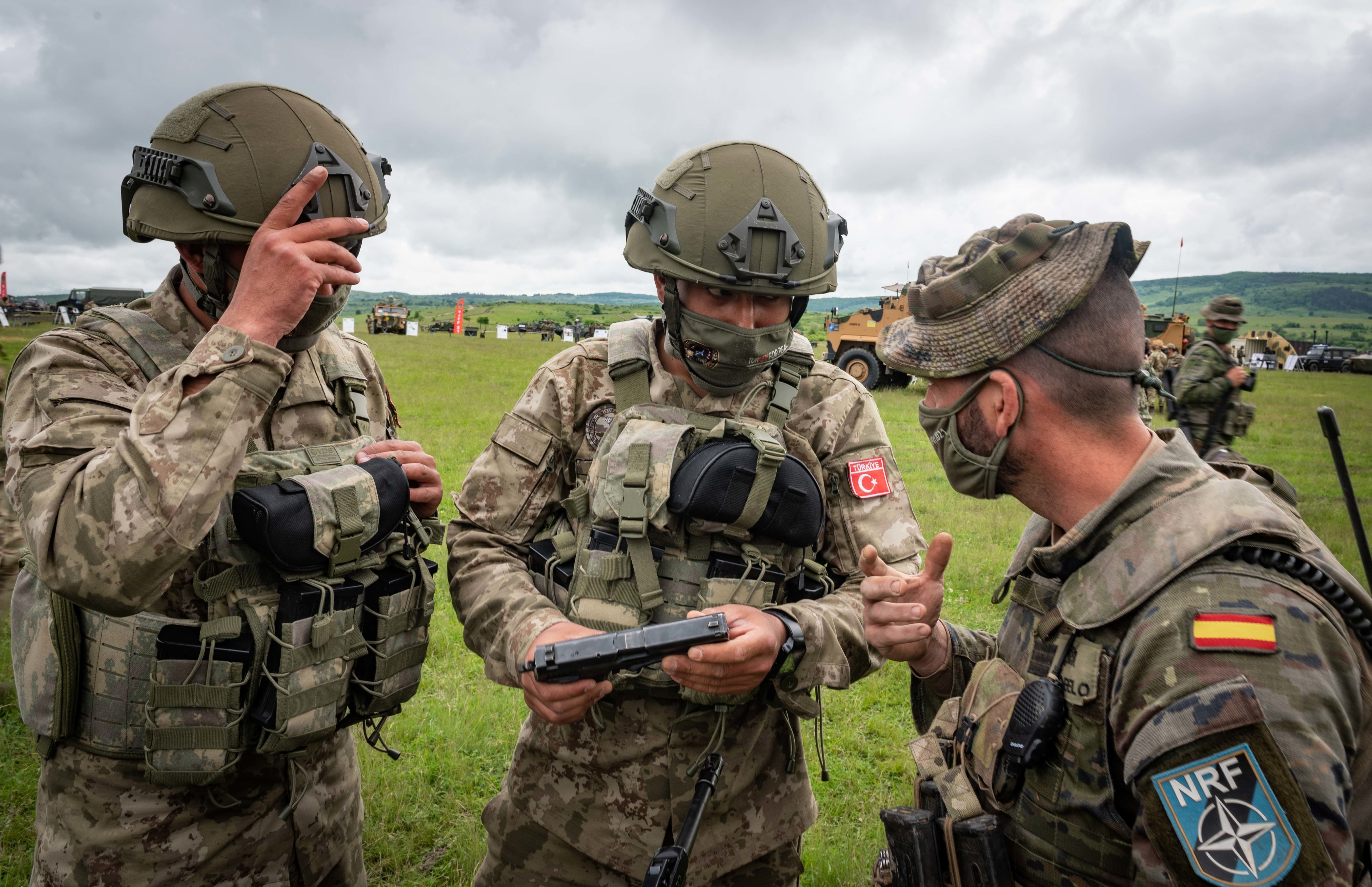
The clearest worked example of what Badr is meant to multiply sits in the hero image of this article. The Kaplan MT medium tank — Harimau, “tiger,” in Indonesian service — was developed under an intergovernmental agreement between the SSB and Indonesia’s Ministry of Defense, jointly designed by Turkish defence company FNSS and Indonesian state-owned manufacturer PT Pindad. FNSS has delivered prototypes and initial production units to Indonesian users, and manufacturing continues at PT Pindad’s facilities under a technology-transfer arrangement, so Indonesia builds local production expertise rather than relying solely on imported equipment.
That structure — Turkish design and systems, partner-country factories, technology transfer instead of a simple sale — is exactly the template the SSB described for the four-country framework: joint production, technology transfer, interoperability and integrated supply chains, rather than one-way arms exports. Indonesia’s partnership with Ankara also extends to its interest in Turkish combat-aircraft programmes, and Qatar has been explicit about wanting domestic production, not just deliveries. Badr, in other words, is an attempt to take a bilateral model that already produces tanks and generalise it across four countries and every service branch.
Why this matters
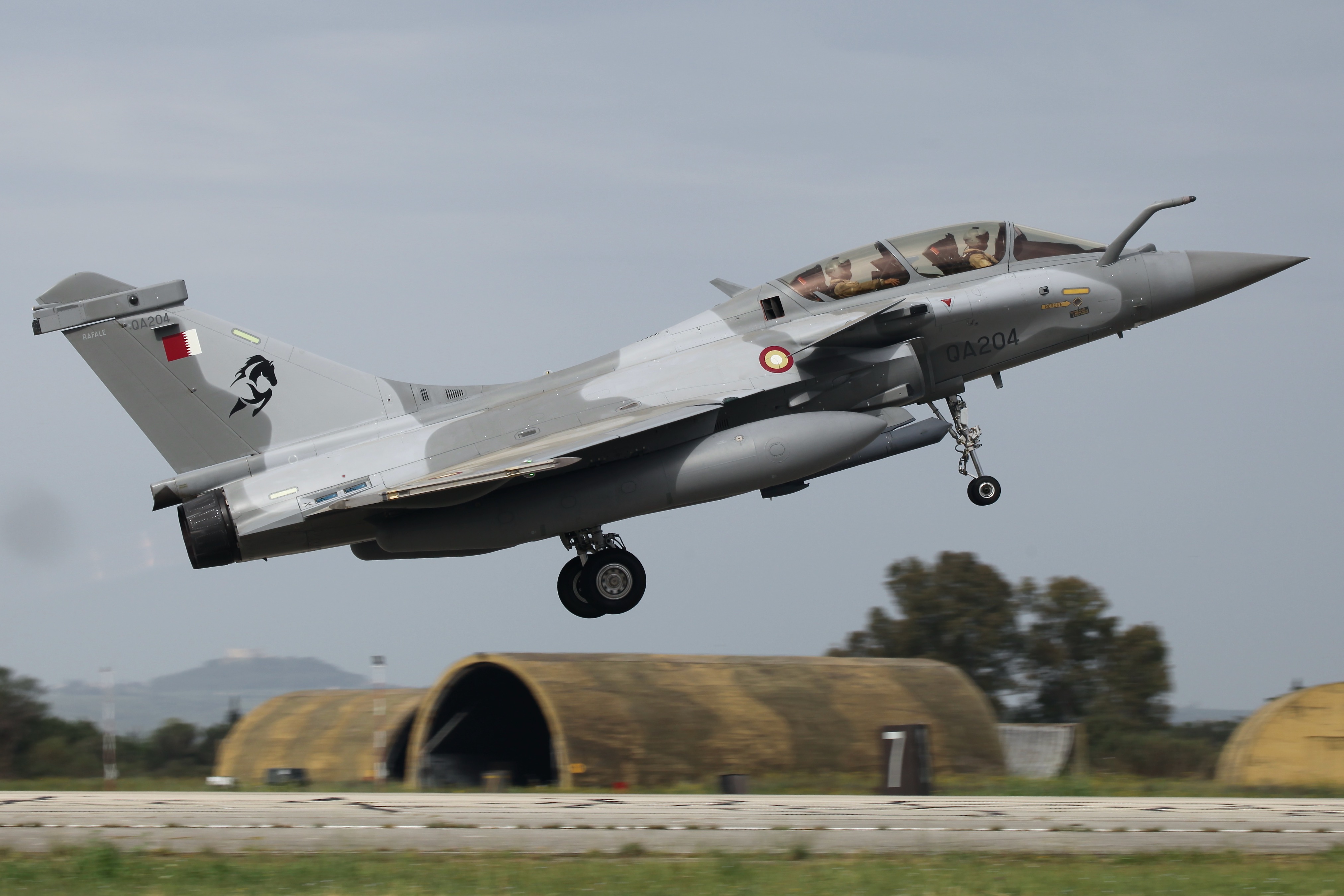
Badr matters less for what it legally binds — a memorandum of understanding binds very little — than for the map it draws. The four signatories are the industrial and military heavyweights of a particular diplomatic space: Turkey and Qatar in the Middle East, Pakistan in South Asia, Indonesia in Southeast Asia. All four have spent the Iran-war period hedging against dependence on any single supplier, and all four have reasons to want production capacity that cannot be switched off by a foreign parliament’s export vote. The war’s lesson, drawn in capital after capital this year, is that stockpiles run out and resupply is political. Factories are slower to build than stockpiles, but they cannot be embargoed as easily. That is the logic this site has traced from the stalled Hormuz diplomacy to Doha’s production hub: the region is converting wartime vulnerability into industrial policy.
For Turkey, the pact is the industrial layer of a wider strategic architecture. August’s mutual defence pact with Saudi Arabia and Pakistan supplied the hard security guarantee; Badr supplies the production network underneath it, and adds Indonesia, which was not part of the August pact. For Qatar, it diversifies a partnership portfolio that already spans the United States, Britain and France. For Pakistan, perpetually short of foreign exchange, co-production and export markets for its own industry are worth as much as any single purchase. For Indonesia, it is another step in a deliberate multi-supplier modernisation that avoids dependence on Washington, Beijing or Moscow alone.
What the numbers say
The commercial engine under the diplomacy is documented. According to the Defense and Aerospace Industry Exporters’ Association figures reported by Anadolu, Türkiye’s defence and aerospace sector recorded approximately $54 billion in exports from 2012 through the first nine months of 2026 — and more than $30 billion of that total came in 2023–2026 alone, meaning the last four years account for more than 55 percent of the sector’s exports over a fifteen-year span. That is the curve Badr is designed to keep rising: framework agreements signed in wartime convert, if the model holds, into production lines, training contracts and maintenance ecosystems that outlast any single conflict and tie the partners’ armed forces to Turkish standards and supply chains for a generation of equipment.
The honest counterweight is that framework agreements are cheap to sign and slow to cash. The public record of Wednesday’s signing contains no contract, no factory, no delivery date and no budget line. Every figure above describes Turkey’s past export performance, not Badr’s future output, and the distance between an MoU and a production line is measured in years of negotiation over workshare, financing and technology rights — the same negotiations that decide whether “technology transfer” means genuine capability or screwdriver assembly. Sceptics of export-led defence diplomacy also note the oversight question that follows Turkish systems into every new market: the wider the network, the harder it becomes for any one parliament to control where the equipment ultimately serves. None of that is answered by Wednesday’s statements, because Wednesday’s statements were not designed to answer it.
What Badr is not
It is worth stating plainly what did not happen in Doha. Badr is not a mutual defence pact: nothing in the published text commits any signatory to fight for another, and it should not be read as an extension of the August Turkey–Pakistan–Saudi Arabia pact, whose attack-on-one-is-attack-on-all language has no counterpart here. It is not an alliance in the NATO sense, not a joint command, and not, on the published record, a purchase order. It is a defence-industrial cooperation framework among four countries that already cooperate bilaterally — significant as architecture, unproven as output.
What happens next
Three things will show whether Badr is architecture or output. First, the project list: the first named programme attached to the framework — a vehicle, an aircraft system, a naval project, a joint training centre — will do more to define the pact than any communiqué. Second, the money: Qatar’s role as the partnership’s financier makes Doha’s investment decisions the pact’s real timetable. Third, the neighbourhood: a standing four-country defence-industrial bloc linking the Gulf to Southeast Asia will be read closely in Riyadh, Abu Dhabi, New Delhi and Beijing, each of which has its own courtship of at least one signatory under way. The signing took one day in Doha. The factories, if they come, will take the rest of the decade — and they are the part that will still matter when the war that prompted them is over.
Sources
Reuters, “Turkey, Qatar, Pakistan, Indonesia sign defence cooperation accord, Ankara says,” October 21, 2026 (Turkish Defence Ministry statement; Badr Memorandum of Understanding signed in Doha; military production, technical military training, research and development; exercises and training; Turkey’s NATO position, Qatar base and Gulf defence support amid the Iran war; August mutual defence pact with Pakistan and Saudi Arabia). Anadolu Agency via AeroHaber, “Türkiye, Qatar, Pakistan, And Indonesia To Ink Defense Industry Pact,” October 20–21, 2026 (SSB announcement; joint production, technology transfer, interoperability, supply-chain integration; Erdogan-supported partnerships; Haluk Gorgun; defence and aerospace exports of approximately $54 billion from 2012 through the first nine months of 2026, more than $30 billion of it in 2023–2026). Indonesia Business Post, “Türkiye seeks four-country defense industry partnership with Indonesia, Qatar and Pakistan,” October 21, 2026 (SSB framework detail; KAPLAN MT / Harimau programme, FNSS and PT Pindad, technology-transfer production in Indonesia; Qatar’s domestic production ambitions).