World / Tunis, Tunisia — The Tunisia protest Saied UGTT largest demonstration in years brought thousands onto Habib Bourguiba Avenue, uniting unions, opposition parties and professional groups against economic hardship and concentrated power.
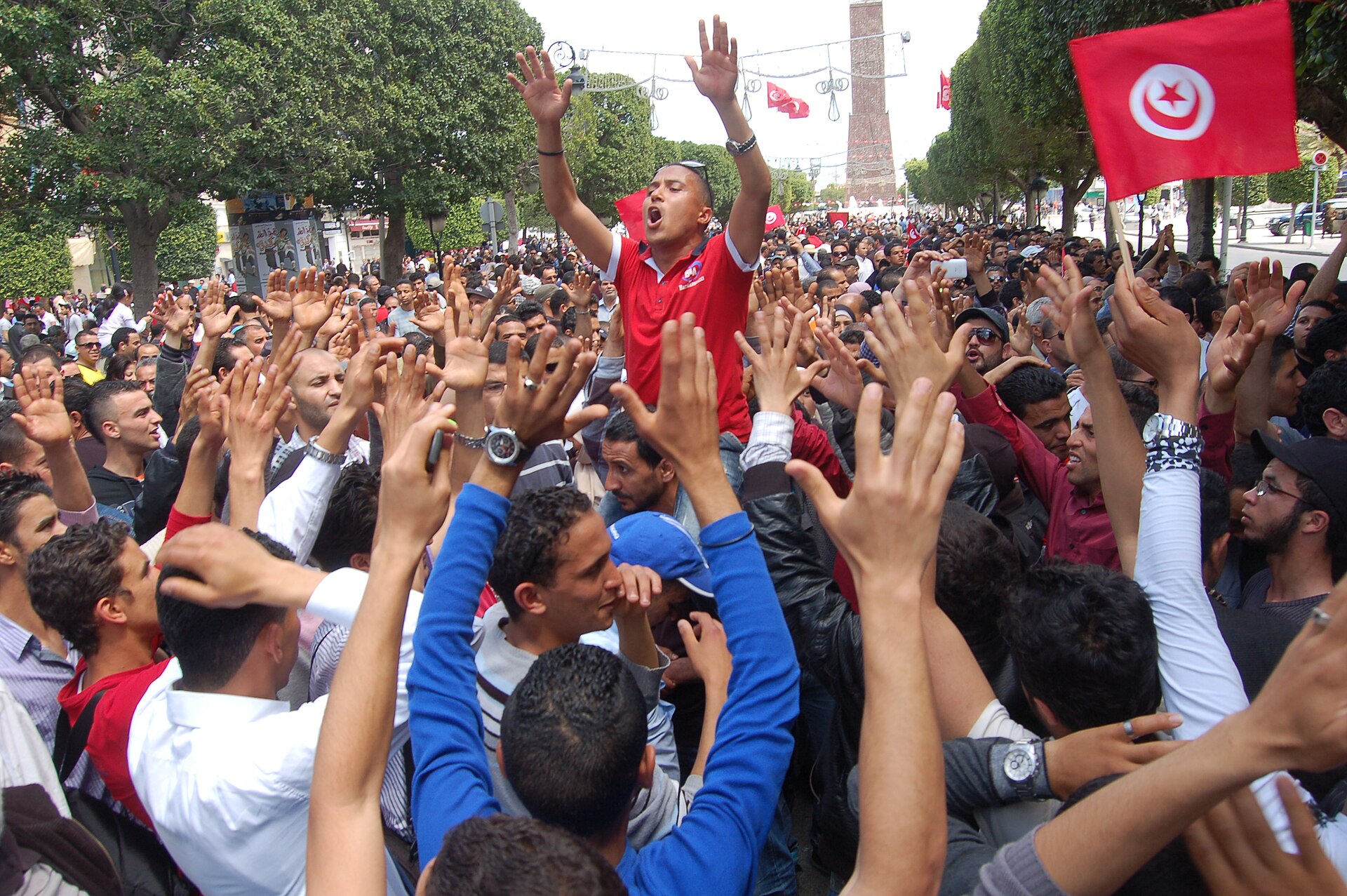
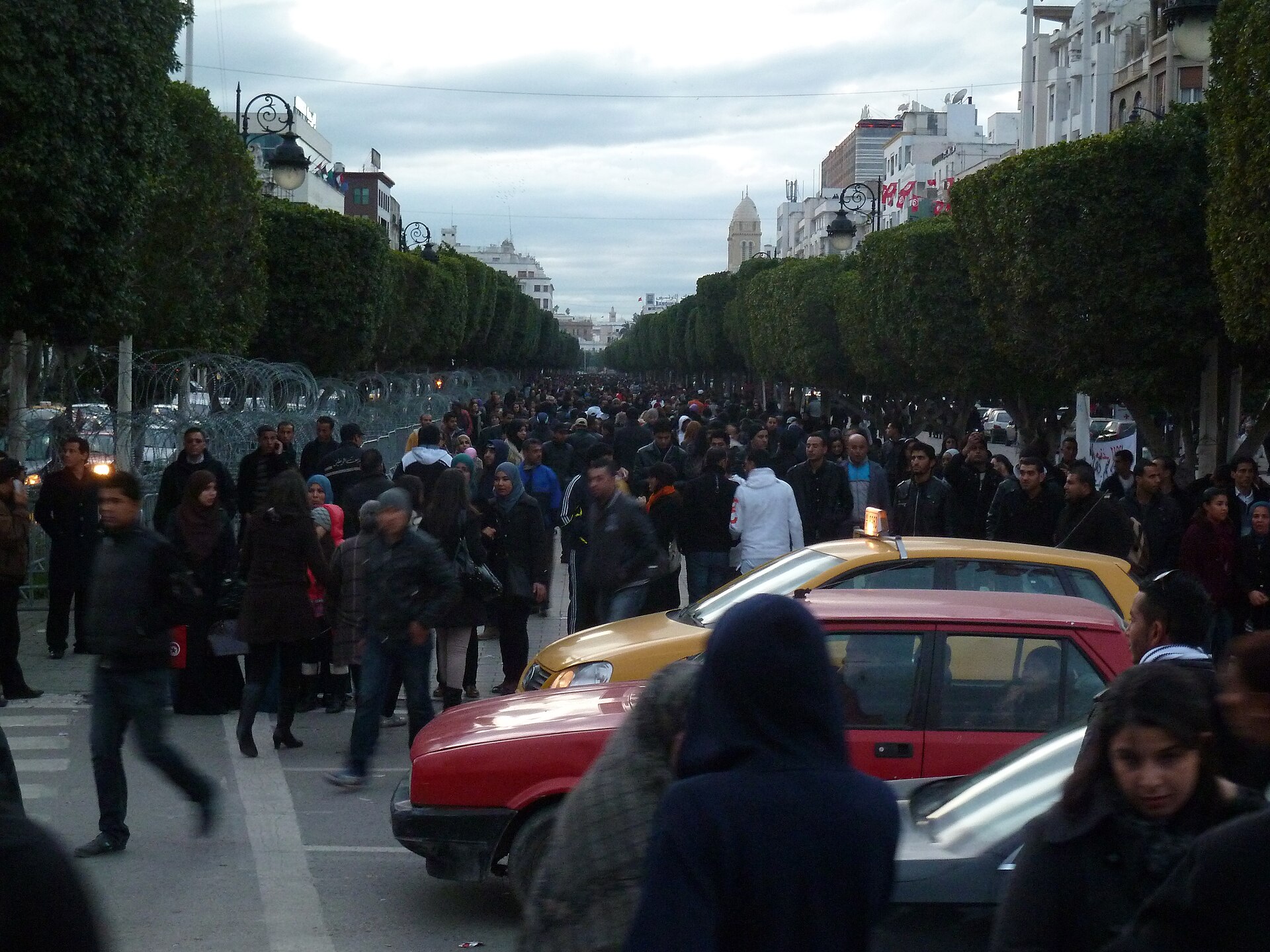
On Saturday, October 17, thousands of Tunisians marched through central Tunis in the largest protest against President Kais Saied in years. The Tunisia protest Saied UGTT largest mobilisation was led by the powerful UGTT labour union with civil society groups and, in a rare show of unity, opposition parties across the spectrum. Lawyers, doctors and journalists marched alongside union members on Habib Bourguiba Avenue, the thoroughfare that was the focal point of the 2011 protests that sparked the Arab Spring, Reuters reporter Tarek Amara reported on October 17, 2026.
The symbolism was impossible to miss, and the chants made it explicit. "No fear, power belongs to the people!" protesters shouted. "The prisons are full, people are hungry!" And, revived from 2011, "The people want the fall of the regime!" Nine national groups joined, including the bar association and the journalists' union. A demonstration bringing together that range of organised society is harder for any government to dismiss as one party's work.
UGTT leader Slah Eddine Salmi framed it as a refusal to stay quiet. "Silence will no longer be acceptable," he said. "The state cannot be built by concentrating all powers in the hand of one person." That captures the protest's double character: immediate material grievances — prices, services, hunger — and a deeper argument about the structure of power since Saied's moves in 2021 and 2022.
Why this matters
Why this matters is that Tunisia was the one country where the Arab Spring produced a sustained, if fragile, democratic transition — and the UGTT was central to saving it once before. When post-revolution politics deadlocked in 2013, the National Dialogue Quartet, which included the UGTT alongside employers, human rights and legal organisations, mediated a path out of crisis. The Quartet was awarded the 2015 Nobel Peace Prize for that work. A union with that history does not lend its name to a march lightly. When it mobilises with lawyers, doctors and journalists, discontent has moved beyond party politics into the institutions that make daily life function.
Union-led unity also differs from party-led protest for a practical reason. Parties are divided and, with much of the public, discredited after a decade of infighting that helped create the opening for Saied. The UGTT has members in workplaces nationwide, a structure outside the capital, and the credible threat of strikes parties do not possess. A march is a warning. A union that can follow with sectoral strikes — and ultimately threaten a general strike — holds leverage that changes a president's calculations.
The grievances were concrete: economic crisis, worsening public services, recurring water and power cuts, and shortages of medicines and essentials, as reported by Reuters and summarised by Al Jazeera via the Frontier Markets News roundup on October 23, 2026. A family that cannot find medicine or loses water does not experience those failures as abstract constitutional debate. The same mix of borrowing pressure and street pressure is visible across the Mediterranean, where France's rising bond yields show how economic strain tests governments on the northern shore as well as the southern one.
How Tunisia got here
In 2021, Saied — a former law professor elected in 2019 as an outsider promising to clean up a corrupt, ineffective system — seized broad powers, suspending then dissolving parliament, dismissing dozens of judges and ruling extensively by decree through 2022. Supporters argued elected institutions had failed and extraordinary action was needed. Opponents called it a coup: a president dismantling, step by step, the checks meant to limit him.
Since then, rights groups say a crackdown on civil society, journalists and opponents has intensified, a claim protesters referenced in the chant about full prisons. Saied rejects the characterisation. He says he is not a dictator and accuses opponents of engineering economic crises to fuel unrest. Both points need to be held together. Tunisia's economic problems long predate Saied — debt, weak growth and regional inequality troubled every post-2011 government. But concentrating power removes every other address for blame. When a president holds all the levers, citizens hold him responsible for all the outcomes, including inherited ones. The intermediaries that once absorbed discontent — a functioning parliament, independent parties, outspoken media — are weakened, leaving a direct confrontation between the presidency and organised society on the street.
Gabès: the second thread
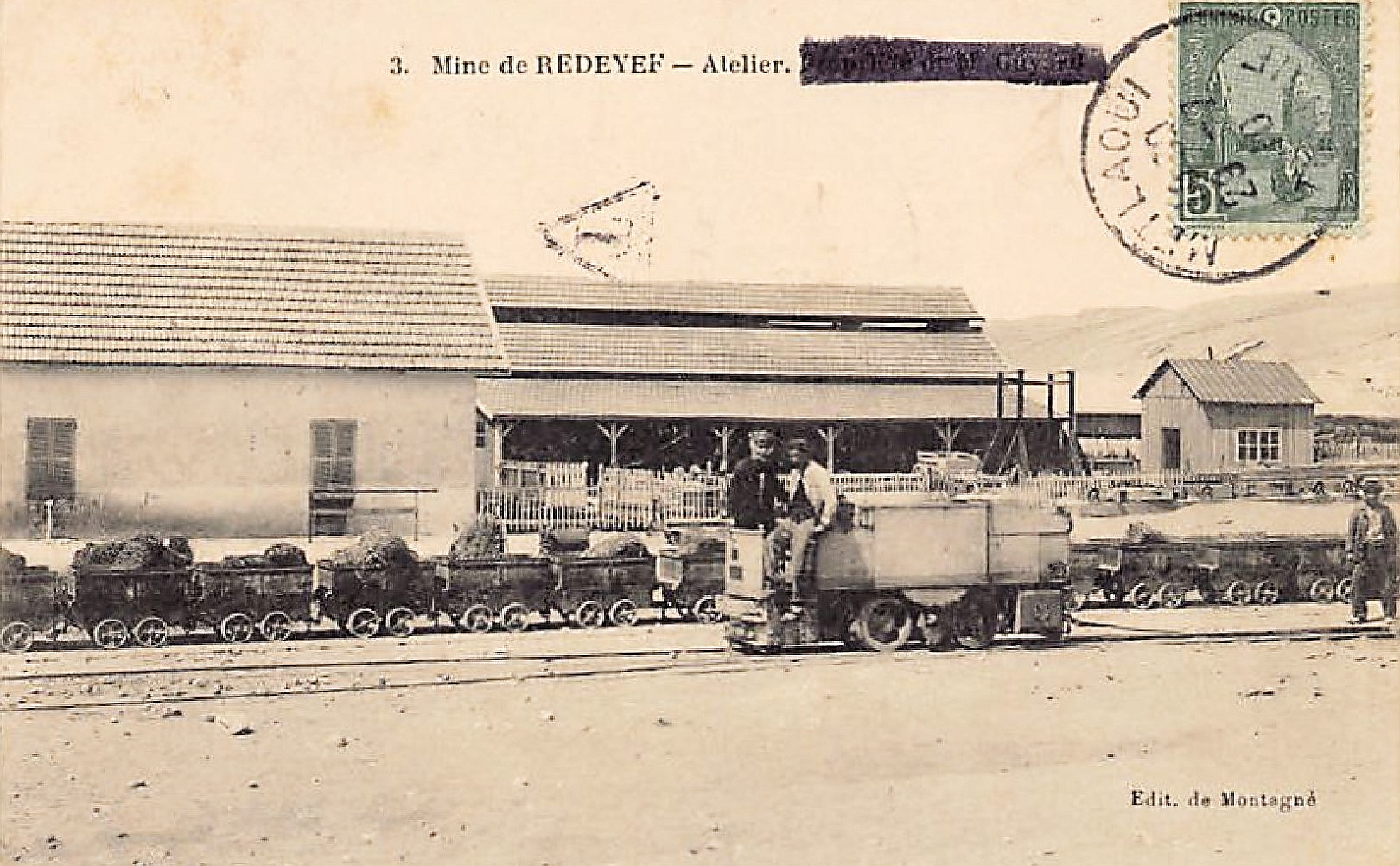
Four days after the Tunis march, a second story showed the same tension locally. On October 21, as reported on October 23, a court in Gabès sentenced two environmental activists to one-year prison terms and eight others to six-month suspended sentences over a 2020 protest about pollution from a state-owned phosphate plant. Gabès has lived for decades with phosphate processing costs — pollution residents link to illness and damage to the oasis and fishing economy — alongside the jobs the industry provides.
The timing gives the verdicts national significance. Tunisia plans to more than quadruple phosphate output by 2030, treating the sector as export revenue the indebted state badly needs. From the finance ministry's view, that is rational: phosphates earn foreign currency and support jobs. From Gabès's view, quadrupling output without resolving pollution means quadrupling the harm protested in 2020 — the protest for which activists have now been sentenced.
That contradiction connects directly to Tunis. A government asking citizens to accept economic pain for national recovery cannot easily jail citizens who ask who bears the environmental cost of that recovery. If expansion proceeds while grievances are answered with prison terms, Gabès could become a recurring flashpoint, and the UGTT — with southern roots — would face pressure to defend the activists as a labour and civil-liberties cause. The Gabès appeals are therefore a test of whether the state can de-escalate one front while the larger confrontation builds.
What each side is calculating
Saied's room for manoeuvre is narrower than his formal powers suggest. He can improve services only if money exists, and public finances are constrained by debt. He can concede politically — releasing detainees, reopening media space — only at the cost of admitting critics of concentrated power had a point. His claim that opponents manufacture crises is a rhetorical defence, not a practical exit: even manufactured unrest requires a response when thousands fill the capital's main avenue.
The opposition's calculation is equally hard. Unity across groups that disagree profoundly about Tunisia's future is powerful for one march and fragile as a programme. The UGTT must decide how far to escalate without fracturing its own membership, many of them public-sector workers directly affected by strikes. Civil society must decide whether the goal is specific concessions — medicine supply, an end to prosecutions, economic dialogue — or the broader demand in the revived 2011 slogan. The Quartet succeeded in 2013 because it turned street pressure into a written roadmap. Whether any actor can mediate now, when trust is so low, is an open question.
What happens next
What happens next will be signalled by three things. First, the UGTT's next move: a further national mobilisation or a credible general-strike threat would mark major escalation, while sectoral strikes would test the government in stages. Second, the Gabès appeals: reduced sentences would signal willingness to lower the temperature; upheld prison terms would likely draw the southern pollution grievance into the national movement. Third, the economic response: a credible plan on medicine shortages, water and power cuts, and food prices would address the material core of the march, even if the constitutional argument remains.
Fifteen years after Habib Bourguiba Avenue gave the Arab Spring its first images, Tunisians have returned there with some of the same words. That does not mean 2011 is repeating — the context and state are different, and Saied retains supporters who see the old party system as the original failure. But October 17 showed silence is no longer the default. A president who concentrated power to end drift now faces the most organised challenge yet, led not by parties he displaced but by the union that once mediated Tunisia back from the brink. How he answers will define the next chapter.
Sources: Reuters, Tarek Amara, Oct 17, 2026 — thousands in largest protest against Saied in years in Tunis on Oct 17, led by UGTT with civil society and opposition parties across the spectrum, lawyers, doctors and journalists on Habib Bourguiba Avenue, nine national groups including bar association and journalists' union, chants "No fear, power belongs to the people!", "The prisons are full, people are hungry!" and "The people want the fall of the regime!", Salmi quote on silence and concentrated power, grievances on economy, services, water/power cuts and medicine shortages, background on 2021–22 powers, dissolved parliament, dismissed judges, rule by decree, coup characterisation, rights groups on crackdown, Saied rejecting dictator label and accusing opponents of engineering crises; Al Jazeera via Frontier Markets News roundup, Oct 23, 2026 — Oct 21 Gabès sentences (two activists one year, eight six-month suspended) over 2020 phosphate-pollution protest, plan to more than quadruple phosphate output by 2030; Quartet history — 2013 National Dialogue, 2015 Nobel Peace Prize.