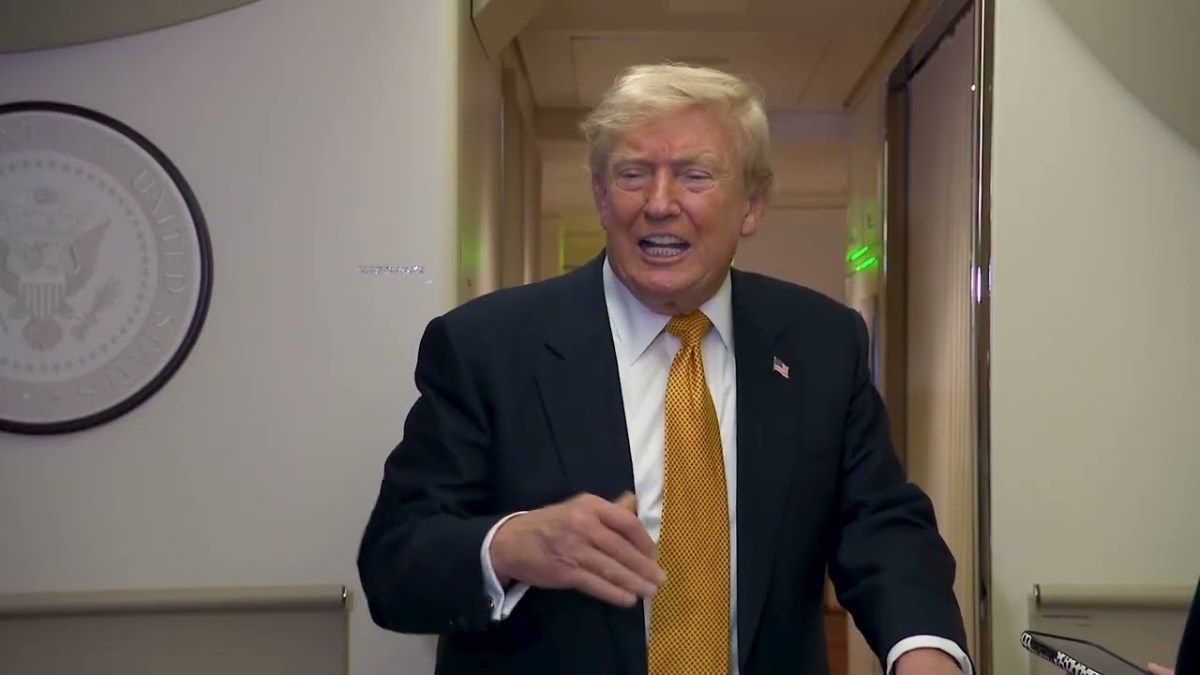
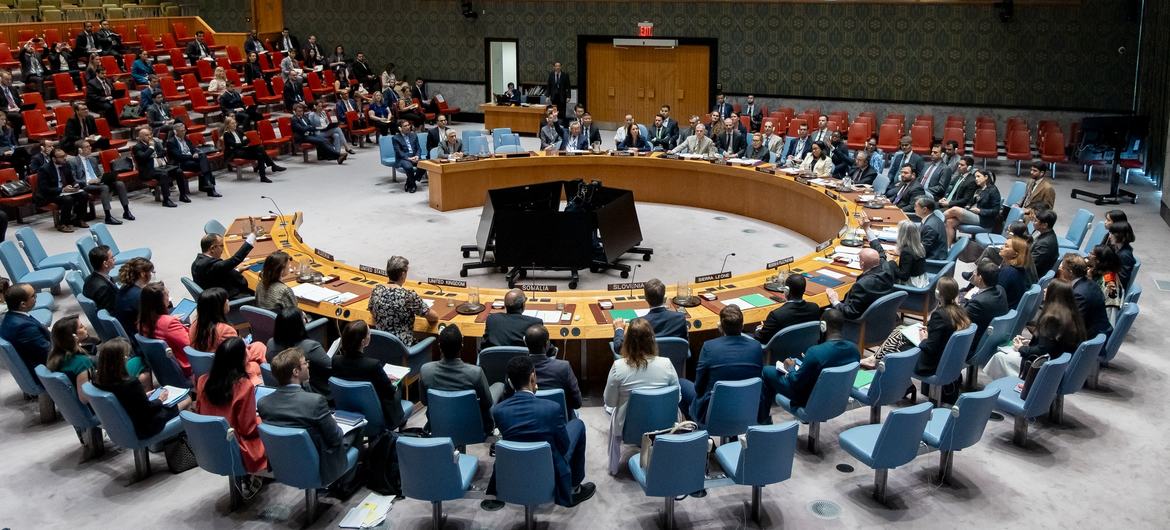
Trump UN General Assembly speech 2026 is the clearest way to understand this developing story. Donald Trump spoke for about 37 minutes at the 81st United Nations General Assembly in New York on September 22. He warned that the United States could “annihilate” Iran without a peace agreement and predicted a deal after the November 3 midterm elections.
Trump announced a U.S.–Denmark–Greenland security pact granting permanent American military access to Greenland. The Iranian and Cuban delegations walked out during portions of the address; on Cuba, Trump called the country a failed state and said it would fall.
He also rejected international AI-safety regulation, said his administration would use “superintelligence” rather than “artificial intelligence,” urged ICC members to leave the court and claimed credit for settling eight wars. Those claims and policy positions vary greatly in verifiability and legal consequence.
Why it matters
The speech fused military coercion, transactional diplomacy and ideological grievance. The Greenland pact is the most concrete deliverable because it changes access rights; the Iran language is the most dangerous because an ambiguous red line can narrow room for diplomacy.
The headline number is only the beginning. Its significance depends on implementation, behavior and the choices institutions make after the announcement. That is why this report separates confirmed figures from scenarios and labels any unresolved claim plainly.
Who wins and who loses
The White House gained a global stage for its security agenda, while Denmark and Greenland received a formal framework for managing U.S. access. Governments seeking predictable rules, however, now have to distinguish enforceable agreements from campaign-style promises.
Distribution matters as much as the top-line outcome. Benefits can arrive quickly for well-positioned institutions while costs fall on households, workers, smaller firms or communities with less room to adjust.
The critics’ case
Critics will focus on the threat of force, the attack on the ICC and the unsupported breadth of the eight-wars claim. Supporters will argue that leverage and blunt language produced the Greenland accord and could force Iran into negotiations.
The counterargument is that waiting for perfect evidence can obscure a genuine change already visible in the reported numbers. The responsible reading is neither dismissal nor certainty: it is a dated assessment tied to the evidence available on September 23.
What happens next
Watch the text and implementation timetable of the Greenland pact, the next U.S.–Iran contact, and whether allied governments endorse or distance themselves from Trump’s institutional attacks.
Readers should expect the picture to change as official documents, follow-up data and implementation details emerge. Signal Post News will treat later revisions as updates, not force them into today’s snapshot.
Related coverage
Continue with our analysis of the Trump–Xi summit, the markets report on oil below $100, and the Federal Reserve rate decision explainer.
Sources
- www.reuters.com: source reporting and reference material.
- www.usatoday.com: source reporting and reference material.
- www.livemint.com: source reporting and reference material.
Reporting basis: Fixed September 23, 2026 snapshot. Signal Post News analysis is separated from sourced facts; unresolved or unconfirmed claims are labeled.