US demands Russia plague transparency

The US demands Russia plague transparency after a suspected fatal pneumonic-plague case in Irkutsk Oblast drew scrutiny beyond Russia's borders. A State Department spokesperson said Washington is monitoring the situation with the Centers for Disease Control and Prevention and other agencies, then publicly urged Russian authorities to release accurate information quickly and openly.
The demand does not mean U.S. officials have confirmed an outbreak. Russia calls the death “pneumonia of unknown origin” and said on October 4 that the regional situation was stable. About 200 contacts remain under observation; according to local official Maxim Modin, none had shown symptoms as of October 5 and tests were negative. Those results are the strongest evidence so far against wider spread.
Why This Matters
A disputed infectious-disease report can become a national-security problem before it becomes a large medical emergency. Governments need timely laboratory findings, contact data and exposure timelines to judge whether their citizens face risk and whether travel or medical guidance should change. When those facts come from a strategic rival during an already strained relationship, trust becomes part of the risk calculation.
Pneumonic plague receives special attention because it can pass from person to person. That feature separates it from the more common flea-associated route and makes close-contact tracing central to any response. The present evidence remains reassuring: no secondary symptoms have been reported among the monitored contacts. The unanswered questions concern the worker's diagnosis, the alleged laboratory exposure and the evidence behind Russia's reassurances.
Washington's move from monitoring to a public request is therefore an escalation in accountability, not proof of escalation in disease spread. The State Department is making clear that a general claim of stability is not a substitute for data that outside health authorities can assess.
What the State Department Actually Said
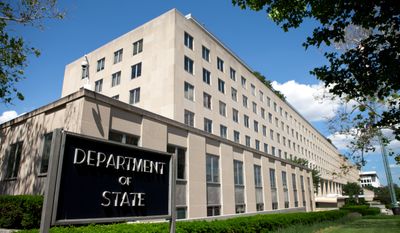
“We are aware of reports of a fatal case of suspected pneumonic plague in Irkutsk Oblast, Russia. We are monitoring the situation closely with the CDC and our other interagency partners,” a State Department spokesperson told RFE/RL, according to NorthJersey reporting published October 5.
The department also emphasized the limits of available evidence: “Many details have not been confirmed. We encourage Russian authorities to share accurate information quickly and openly,” the spokesperson said, according to USA Today.
Diplomatically, that wording does three things. It avoids endorsing an unconfirmed diagnosis. It signals that multiple U.S. agencies are comparing information. And it places responsibility on Russia to supply details that can be independently evaluated. “Quickly and openly” is unusually direct public language for a health query; it indicates that delay itself could influence how Washington judges the event.
A Trump administration official separately told Axios that the government was “aware, monitoring the outbreak, and assessing options,” according to the New York Post. “Assessing options” does not identify a chosen policy. It preserves room for anything from further information requests to public-health guidance if the evidence changes.
What CDC Monitoring Means in Practice
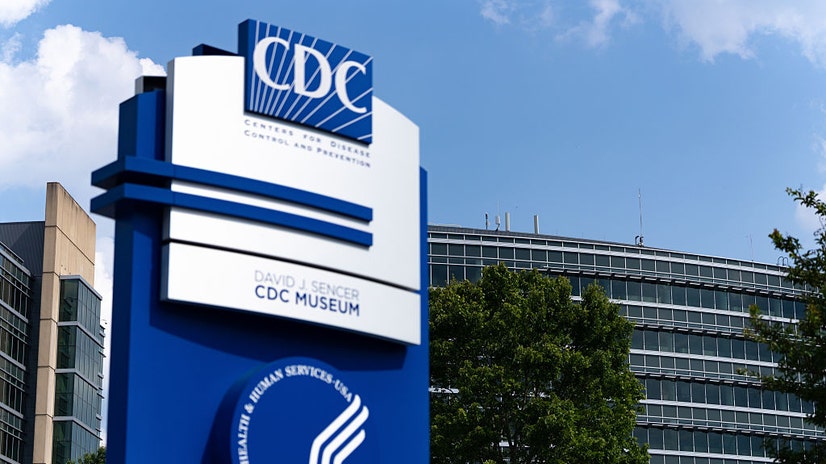
CDC participation brings epidemiological expertise into an interagency process that can include diplomats and other federal officials. Monitoring can involve reviewing available case descriptions, comparing disease timelines, watching contact-testing results and assessing whether any new evidence changes the risk to people outside the affected area.
There are also hard limits. The CDC cannot inspect the Irkutsk institute, collect patient samples or validate Russian laboratory results without cooperation. It must work from information supplied through official channels, reports from partners and the public record. That is why the State Department's transparency demand and the CDC's technical role are complementary: one seeks access to reliable information; the other evaluates what that information means.
Foreign-outbreak monitoring is a standard public-health function, not proof that extraordinary U.S. measures are imminent. Agencies routinely follow overseas events before they pose a domestic threat because early analysis creates options. In this case, the absence of symptomatic contacts argues for proportionate vigilance rather than alarm.
Russia's Response So Far
Russian authorities said on October 4 that the situation in Irkutsk was “stable.” Rospotrebnadzor, the national consumer-health watchdog, described Shipilova's illness as “pneumonia of unknown origin.” That wording rejects a confirmed plague label without resolving what caused the fatal illness.
Shipilova, 28, worked at the Irkutsk Anti-Plague Institute and died on October 2 after a reported September 25 test-tube incident. The exposure account remains reported rather than independently established. The crucial follow-up is the contact cohort: roughly 200 people are under observation, none was reported symptomatic as of October 5, and available tests were negative.
Those findings deserve as much emphasis as the allegation. If they remain negative through the relevant observation period, the case for an expanding outbreak weakens. But public confidence requires more than outcomes. Russia could clarify the specimen involved, the testing performed, the cause of death and the criteria used to declare the situation stable.
Criticism of opacity should remain measured. The public record contains a confirmed death, a suspected diagnosis and precautionary monitoring—not a confirmed outbreak. The concern is that incomplete explanations make it harder to distinguish a contained occupational event from a broader hazard. That pattern of limited disclosure is precisely what Washington's statement challenges.
What Happens Next
The best-case path is straightforward: Russia publishes laboratory findings, explains the exposure investigation and keeps reporting contact results. If plague is ruled out, evidence can close the gap that official reassurance has not. If it is confirmed but contained, early disclosure lets international health agencies assess the event without speculation.
If Russia continues to provide only broad assurances, outside governments will keep relying on indirect signals. The phrase “assessing options” could then translate into sharper diplomatic requests, public guidance or coordination with international health bodies. It should not be read as a promise of any specific action.
The timeline to watch has three markers: final diagnostic findings for Shipilova, continuing tests for the monitored contacts, and any public statement from international health authorities. A new symptomatic contact would materially change the risk picture. Continued negative results would reinforce the view that the event was isolated, whatever the ultimate diagnosis.
The disciplined conclusion is that Washington's transparency demand is justified while panic is not. The suspected plague diagnosis remains unconfirmed, the known contacts are symptom-free, and the information needed to settle the case still rests largely with Russian authorities.
Related Signal Post News Coverage
Sources
Reporting note: Plague has not been confirmed as Shipilova's cause of death. This article separates official statements, reported allegations and analysis.