Politics / Housing — President Donald Trump signed a housing executive order on October 22, 2026 directing the FHFA to cancel mortgage insurance premiums proactively once borrowers build enough equity, make title insurance waivers on refinances permanent, cut rates on USDA and VA loans, and stand up a task force on manufactured housing — a closing-costs offensive that lenders cheered and Wall Street analysts say will move the market less than the headline suggests.
President Donald Trump signed an executive order on Thursday, October 22 — titled "Decreasing Housing Costs for the American People" — aimed squarely at the monthly and upfront costs wrapped around a mortgage rather than at the price of the house itself. According to the White House fact sheet published the same day, the Trump housing executive order directs the Federal Housing Finance Agency to build a pilot program that cancels borrowers' mortgage insurance premiums proactively once they satisfy their equity requirements based on the home's current market value, instead of waiting for borrowers to ask. It also makes a title insurance waiver pilot permanent, orders the Agriculture and Veterans Affairs departments to reduce interest rates on the single-family loans they issue, and creates a Task Force on Manufactured Housing Innovation. "Unnecessary regulatory requirements for borrowers and outdated mortgage origination processes have driven up closing costs and made homeownership unaffordable," the order states, in a passage quoted by HousingWire, which reviewed a draft of the document from three sources before its release.
Track it live: Markets — live global tracker
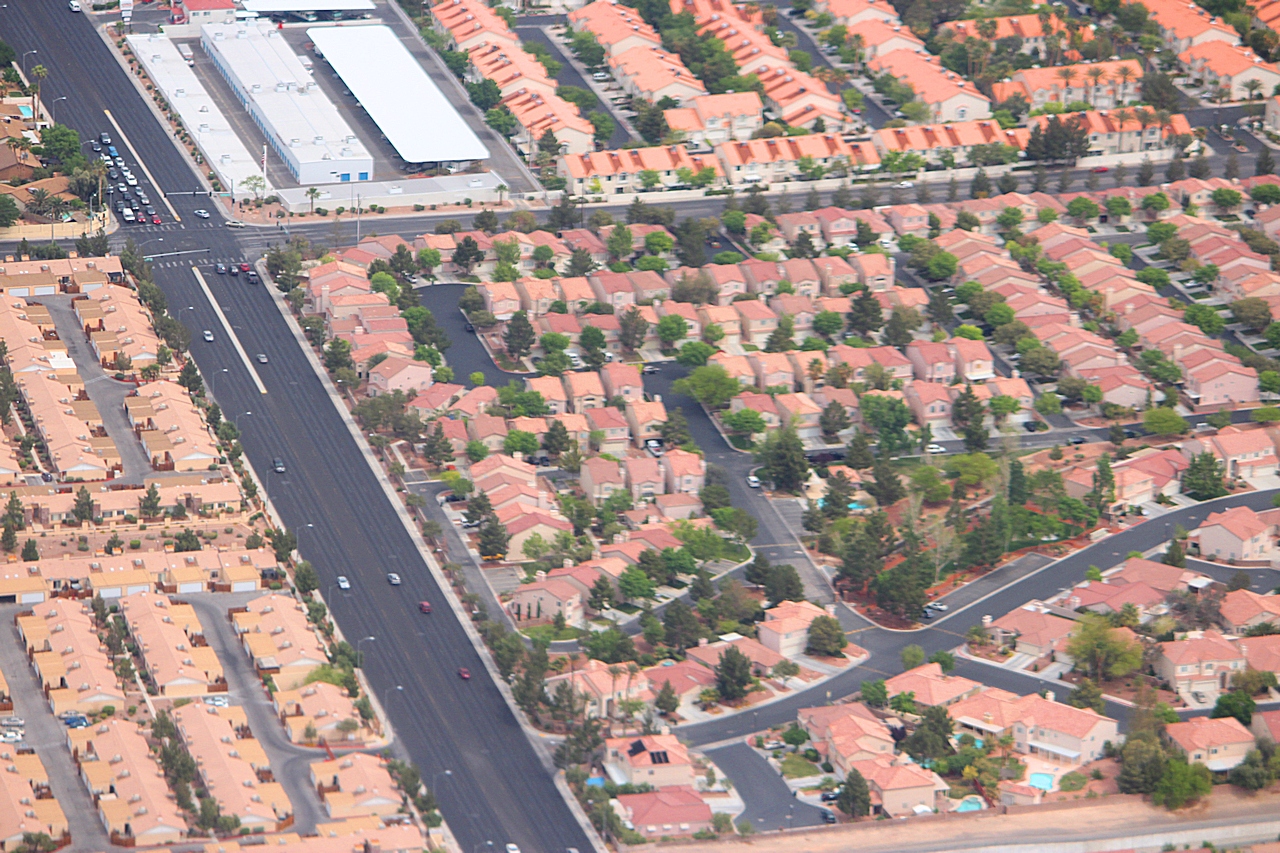
What the order actually does: four planks
The mechanics are unusually concrete for an executive order, and each plank maps to a specific bill a homeowner already pays. First, mortgage insurance. Borrowers who put down less than 20 percent typically pay for mortgage insurance — private mortgage insurance on conventional loans, or the Federal Housing Administration's mortgage insurance premium on FHA loans — and under the Homeowners Protection Act they can generally request cancellation at 80 percent loan-to-value, with automatic termination at 78 percent, based on the home's original value. The order tells FHFA Director Bill Pulte to pilot something more generous and more automatic: proactive cancellation once equity requirements are met based on current market value. In a market where prices have risen for years, current-value math can free a borrower years earlier than original-value math — and "proactively" means the servicer does it without being asked, which matters because large numbers of eligible borrowers never ask.
Second, title insurance. The order directs the FHFA to expand its existing title insurance waiver pilot for refinancings into a permanent program, letting more borrowers use lower-cost alternatives to a traditional lender's title policy — one of the largest single line items at a refinance closing. Third, government loan rates: the Secretaries of Agriculture and Veterans Affairs are directed to reduce interest rates on single-family home loans made by their departments — the USDA's rural housing loans and VA loans, the two channels where the federal government is closest to being the lender itself. The fact sheet does not specify a mechanism or a target rate, which is the plank's obvious open question. Fourth, manufactured housing: the new task force, co-chaired by the Secretary of Housing and Urban Development and the FHFA Director, is charged with raising quality and cutting the cost of factory-built homes eligible for federal housing programs by facilitating modern manufacturing methods.
Reuters, reporting the signing from Washington, summarised the package identically: an FHFA pilot to cancel mortgage insurance premiums once equity requirements are met on current value, a permanent title insurance waiver on refinancings, a manufactured housing innovation task force, and instructions to the agriculture and veterans affairs secretaries to reduce rates on their departments' single-family loans. The White House fact sheet, the wire report and the trade press that saw the draft early all describe the same four planks — the disagreement, as usual, is over what they will amount to.
How we got here: a year of housing orders meets midterm season
This is the third housing executive order of Trump's second term, and the fact sheet itself strings them into a deliberate sequence. In January 2026 he signed an order aimed at preventing large institutional investors from buying single-family homes that could otherwise go to families, and directed Fannie Mae and Freddie Mac to purchase $200 billion in mortgage-backed securities to push borrowing costs down. In March 2026 a further order cut regulatory burdens the administration said had driven up mortgage costs and shut creditworthy borrowers out. October's order shifts the target from who may buy and how credit flows to the friction costs of the transaction itself — the premiums, policies and fees that survive even when a borrower qualifies.
The timing is not subtle, and neither was the rollout. HousingWire reported that rumors of the order circulated the previous week at the Mortgage Bankers Association's annual convention in Chicago, where FHFA Director Pulte had been expected to discuss new initiatives — he canceled his appearance to travel with the president instead. That is a tell about how this administration sequences housing policy: the regulator's public hints, the trade press's sourced draft, and then a signing three weeks before midterm elections in which housing affordability ranks near the top of voter concerns. Our own coverage of mortgage rates surging in the largest weekly gain of October 2026 shows the backdrop the White House is working against: even small rate moves now swamp most fee savings, which is precisely why an order about everything except the headline rate is politically interesting.
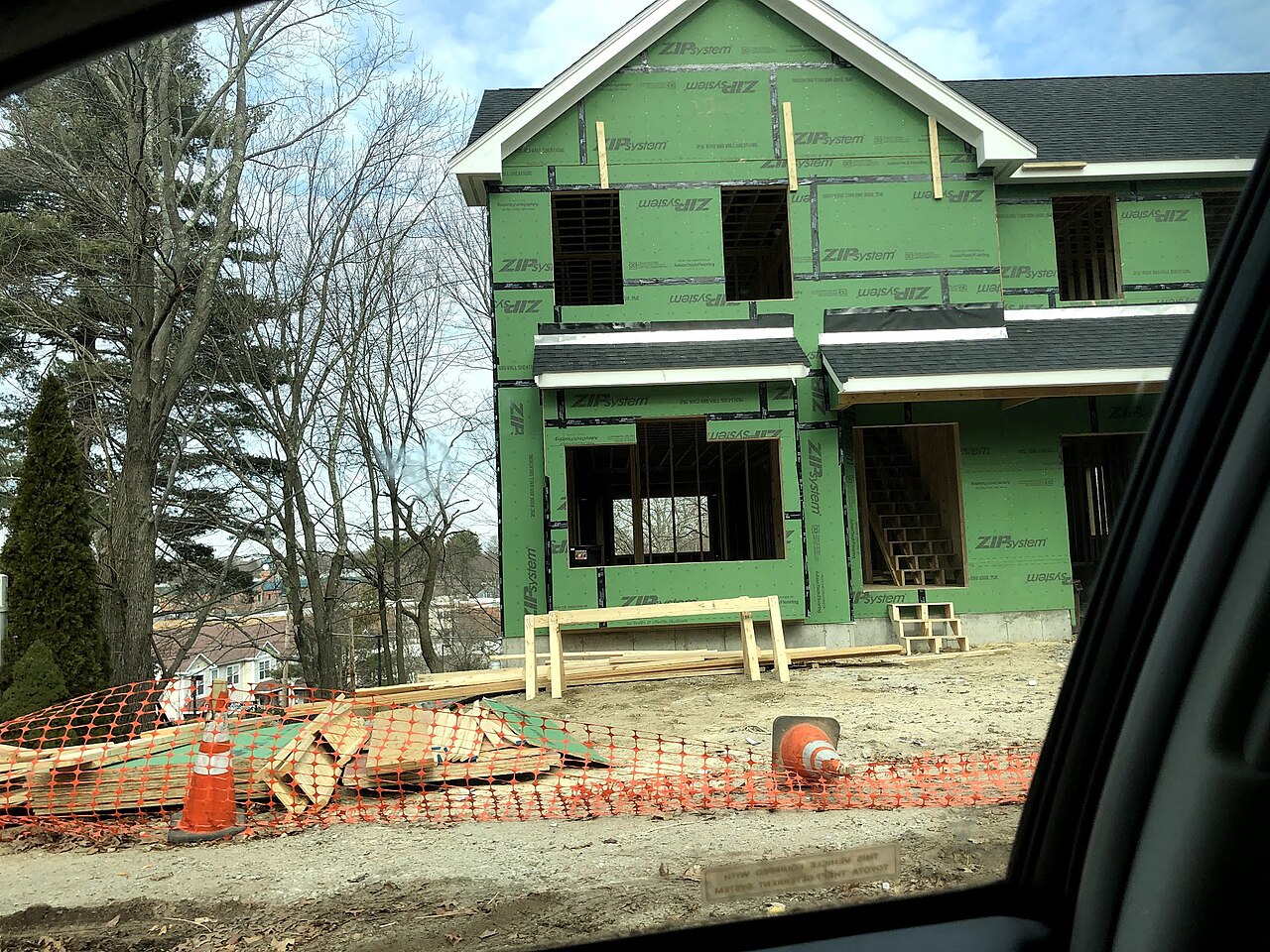
The industry split: lenders cheer, analysts shrug
The first reactions split exactly along the line between people who sell loans and people who price the stocks of companies that insure them. The Community Home Lenders of America commended the order within hours. "These actions to reduce title insurance costs, promote manufactured home affordability, and reduce mortgage loan costs for veterans have long been CHLA priorities," said its executive director, Scott Olson. Brendan McKay, broker-owner of McKay Mortgage Co. and co-founder of the Broker Action Coalition, was blunter: "This is a big deal. Proactive mortgage insurance cancellation will keep real money back into families' pockets every month, while streamlined refinances and expanded title insurance waivers could slash closing costs by thousands of dollars."
Keefe, Bruyette & Woods read the same document and reached for a calculator instead. In an October 21 research note — written, notably, before the signing, from the circulating draft — analysts Bose George, Frankie Labetti and Graham Bundy judged the order's impact on mortgage companies and the broader market likely to be limited. Their reasoning is specific: the title insurance waiver program currently operates in only a few regions and applies only to eligible refinances, and refinances account for only around 7 percent of title premiums — so even a permanent program touches a small slice of the title industry's revenue unless it is later broadened to purchase loans, where, they warned, it could pose real risk to title insurers given the lack of scalable alternatives. On mortgage insurance, they noted insurers could offset earnings pressure from faster cancellations through stock buybacks. Both camps can be right at once: a policy can be worth hundreds of dollars a month to an individual family and a rounding error to the industries around it.
Why this matters
Start with the arithmetic of the biggest plank, because the numbers are genuinely meaningful at kitchen-table scale. FHA's annual mortgage insurance premium runs at 0.55 percent for most borrowers — on a $400,000 loan that is about $2,200 a year, roughly $183 a month — and for buyers who put down less than 10 percent it currently runs for the life of the loan unless they refinance into a conventional mortgage. Conventional private mortgage insurance can already be cancelled, but the triggers are anchored to the original purchase price and the original amortization schedule, and the borrower usually has to initiate the process. An FHFA pilot that recalculates equity against today's market value and cancels without being asked converts a benefit that today goes disproportionately to the financially literate into one that arrives by default. Defaults, in policy design, are destiny: the same premium, the same house, the same borrower — but the cancellation happens for everyone who qualifies instead of everyone who files the right request.
The honest counterweight is scale. Closing costs in the United States typically run 2 to 5 percent of the loan amount, and shaving a title policy or a year or two of insurance premiums is real money — hundreds to a few thousand dollars per household. But the affordability crisis is, at its root, a shortage crisis: estimates in recent years from Realtor.com, Freddie Mac and others have put the national shortfall in the range of roughly 4 to 5 million homes, and no fee waiver builds a house. That is why the manufactured housing plank, the least specific of the four, may matter most in the long run. Factory-built homes are the cheapest form of new single-family housing the country produces at any scale, yet production today is a fraction of its late-1990s levels, and the homes are still fenced out of many federal programs and most zoning codes. A task force co-chaired by HUD and the FHFA — the two agencies that between them control the programs and the financing rails — is at least aimed at the right junction. Whether it produces standards changes or a report is the test.
Who wins and who loses is unusually legible here. Borrowers with FHA and low-down-payment conventional loans win first and most directly, especially in markets where prices rose fast enough to build equity quickly — a map that overlaps heavily with the Sun Belt suburbs where affordability politics burns hottest, including the California markets in our Orange County housing market forecast for 2026–2027. Mortgage servicers gain goodwill and lose a quiet revenue-adjacent inertia. Title insurers face a contained threat today — refinances only, about 7 percent of premiums on KBW's math — and an existential question tomorrow if waivers migrate to purchase transactions. Mortgage insurers face faster runoff of their best, most-seasoned policies, the ones least likely to default; analysts' buyback point cuts both ways, since shrinking the book to defend earnings per share is not the same as the policy not mattering. And the administration wins the only currency it is visibly counting: a housing announcement, three weeks before the midterms, that every affected family can verify on its own monthly statement.
There is a risk case, and it deserves stating plainly rather than in a footnote. Mortgage insurance exists because low-down-payment lending is riskier, and premiums fund the reserves that absorb defaults. Cancelling premiums proactively at current market value assumes today's values hold; in a falling market, the system would be shedding insurance on exactly the loans most likely to need it, with FHA's mutual mortgage insurance fund — the taxpayer backstop — holding the residual risk. Supporters reply, correctly, that cancellation still requires an equity cushion: the borrower who qualifies has, by definition, a home worth materially more than the loan. Both things are true, and the tension between them is why the order starts with a pilot rather than a mandate. Pilots are how administrations buy data before they buy consequences.

What happens next
Three implementation questions will decide whether October 22 is remembered as a policy or a press release. The first is the text itself: HousingWire noted on Thursday evening that the fact sheet was published and promoted by the White House while the final text of the order had not yet appeared on the White House website — the details that govern eligibility, timelines and the pilot's size live in that document and in FHFA's implementing guidance. The second is the USDA and VA rate directive, which arrives with no stated mechanism: those departments influence rates through their loan programs' funding fees, lender requirements and, for VA, the interest rate reduction refinance loan — a blunt instruction to "reduce interest rates" will meet the bond market the moment it tries to become a number. The third is scope creep on title waivers: if the permanent refinance program performs without a fraud or claims problem, the industry's own analysts have already written the sequel — pressure to extend it to purchase loans, where the real premium pool sits. Watch, in the meantime, for the FHFA pilot's eligibility rules, the first servicer notices telling borrowers their insurance has been cancelled, and whether any savings figure survives contact with the Congressional Budget Office. The premiums, as ever, come out monthly. So, now, will the politics.
Sources
The White House, "Fact Sheet: President Donald J. Trump Decreases Housing Costs for Americans," October 22, 2026. Reuters, "Trump signs order aimed at reducing single-family housing costs," October 22, 2026 (reporting by Christian Martinez and Ryan Patrick Jones). HousingWire, "Trump signs executive order targeting mortgage costs," October 22, 2026 (draft reviewed from three sources ahead of release; CHLA, Broker Action Coalition and Keefe, Bruyette & Woods reactions). Homeowners Protection Act cancellation framework (80 percent request / 78 percent automatic termination) and FHA annual mortgage insurance premium of 0.55 percent for most borrowers, as published by the CFPB and HUD. Related coverage: mortgage rates surge, October 2026 and Orange County housing market forecast 2026–2027.