Trump El-Sayed Mohammed attack
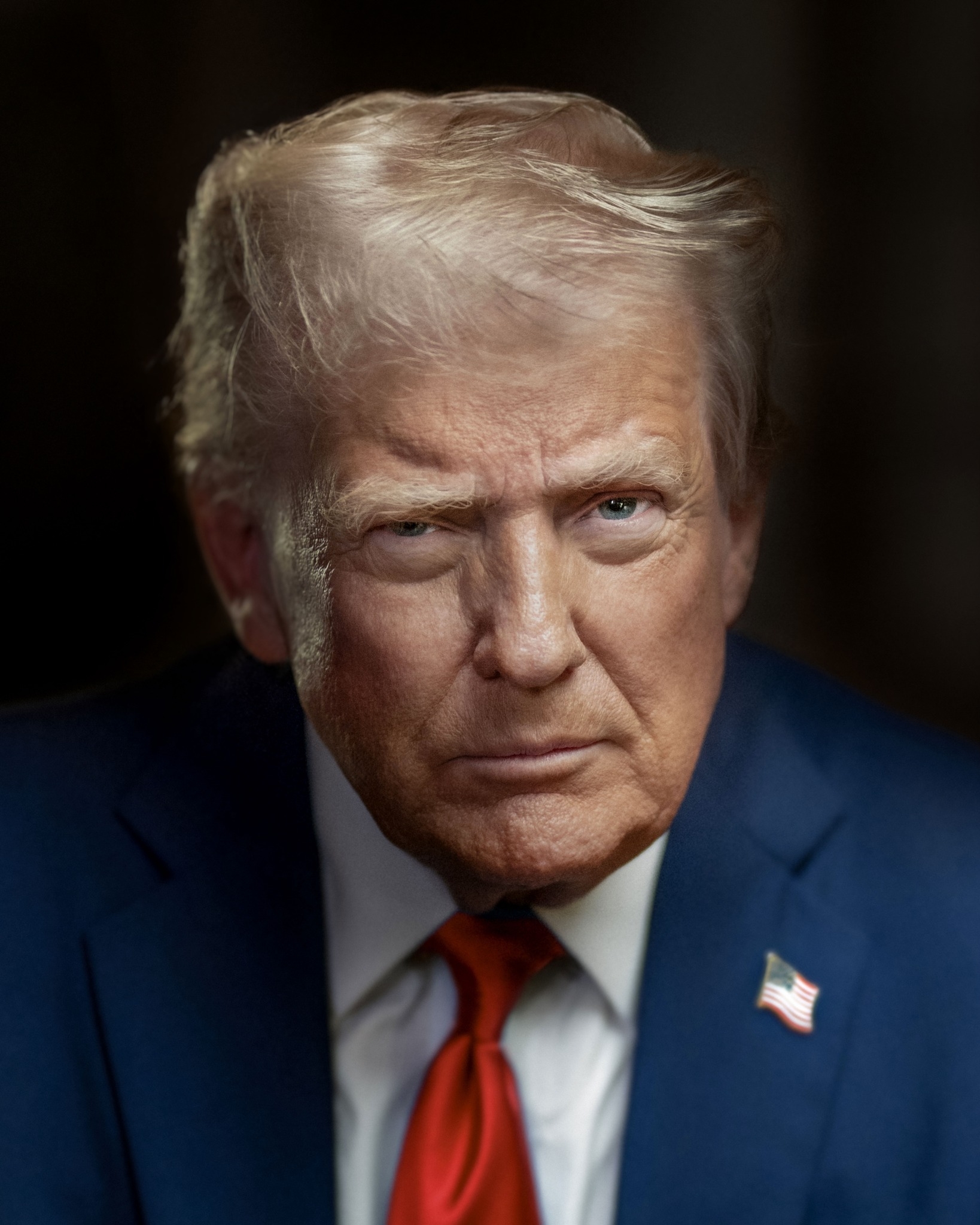
WASHINGTON — The Trump El-Sayed Mohammed attack arrived late Wednesday night, when President Donald Trump took to Truth Social on the eve of the first debate between Michigan Democratic Senate nominee Abdul El-Sayed and Republican Rep. Mike Rogers. Trump repeatedly called El-Sayed “Mohammed El-Sayed,” branded him “a RADICAL Extremist, Terrorist Sympathizer,” claimed he “goes back to the days of the Jihad,” tied him to streamer Hasan Piker as “no different from his best friend, America Hating Hasan Piker,” declared his values “not exactly those of Michiganders,” and gave Rogers his “COMPLETE AND TOTAL ENDORSEMENT.” By Thursday morning, El-Sayed had answered — on X, in his own words, aimed past Trump at the more than 200,000 Michiganders who have already voted absentee.
What Trump posted on debate eve
Trump's post did several jobs at once. It offered an emphatic endorsement of Rogers, warned Michigan Republicans that the race could determine control of the Senate, and reduced El-Sayed's identity to a deliberately altered first name. In short excerpts, the president called the Democrat a “RADICAL Extremist,” a “Terrorist Sympathizer,” a figure from “the days of the Jihad,” and someone whose values are “not exactly those of Michiganders.” He also invoked El-Sayed's past association with Hasan Piker, the progressive political streamer, to portray the nominee as outside the state's mainstream.
The evidentiary line matters. The Trump terrorist sympathizer claim is political rhetoric from Trump's post, not a verified finding by a court, law-enforcement agency or other independent authority. The sources cited for this report do not establish that El-Sayed supports terrorism. The same distinction applies to an earlier attack from Rogers: the Associated Press reported that Rogers alleged El-Sayed had received Muslim Brotherhood funding “with no proof.” Campaign accusations can be newsworthy because major candidates make them; repetition does not turn an unsupported charge into fact.
The timing was plainly strategic. Trump posted on the night before the El-Sayed Rogers debate, when any new dispute would follow both candidates onto the Grand Rapids stage. The endorsement gives Rogers a powerful ally. The personal language simultaneously creates a test he did not choose: whether to adopt the attack, redirect the conversation to El-Sayed's policy record, or put some distance between his campaign and the president's wording.
El-Sayed's answer: “He knows my name”
El-Sayed's response on X was built around the premise that the misnaming was intentional. Trump knows his name is Abdul, El-Sayed wrote, and “says it every day.” He continued: “He's not just attacking me. He's attacking all of us. He thinks he can use my name and my faith to distract us from the suffering his policies are inflicting on us at the pump, at the grocery store, and at the doctor's office.” USA Today reported the response Thursday morning.
That was a disciplined counterattack: correct the name, broaden the insult, then pivot to prices and health care. The Abdul El-Sayed Truth Social exchange is now less about whether a politician used a wrong name than about what the wrong name was designed to signal. El-Sayed's campaign wants voters to read it as an attack on Muslim Michiganders generally. Trump's supporters want the focus returned to El-Sayed's progressive politics and association with Piker. Those are competing campaign frames, not equivalent factual claims.
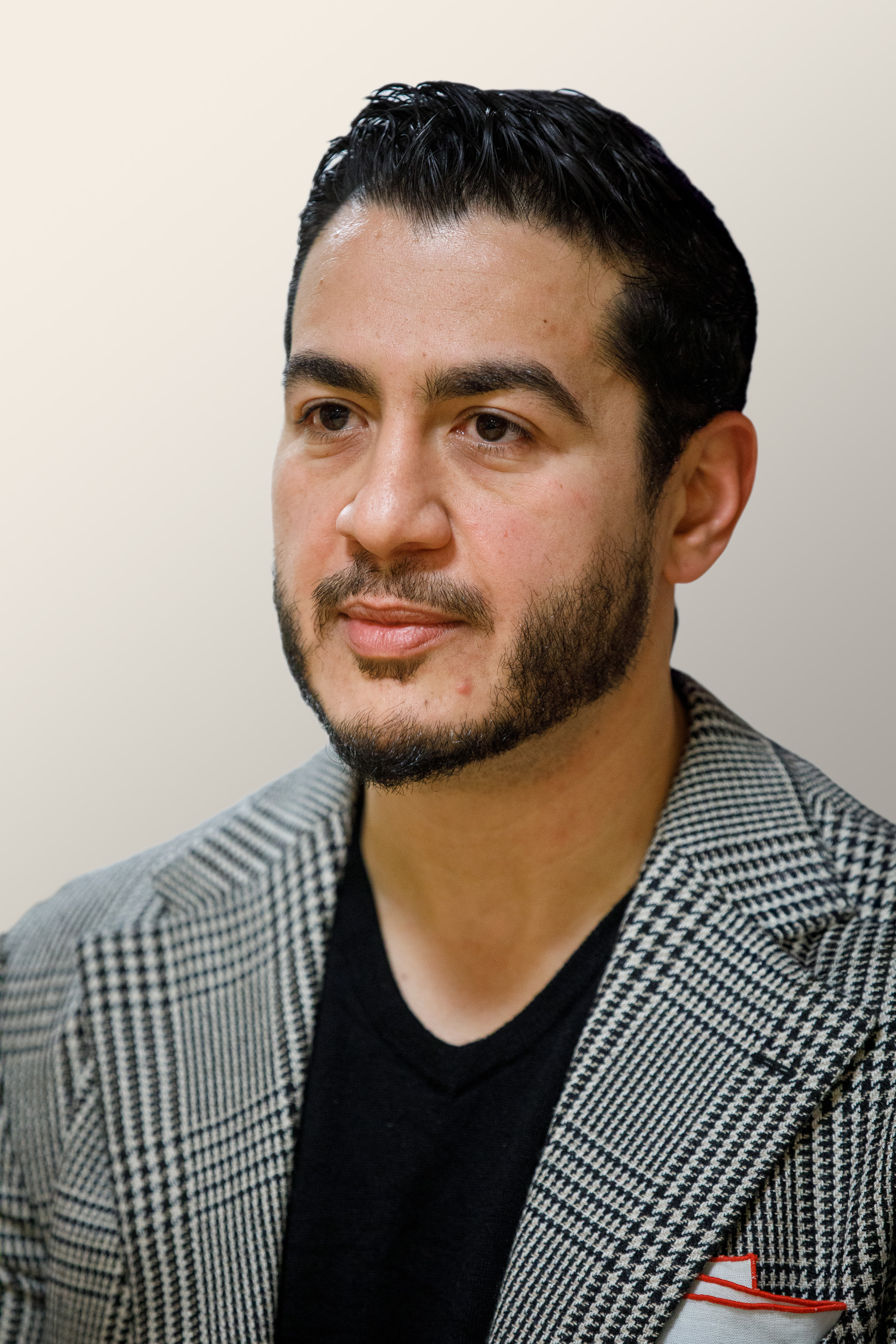
El-Sayed was born in the United States to Egyptian immigrant parents, served as a public-health official and built a national progressive profile before winning the Democratic nomination. If elected, he would become the nation's first Muslim senator. That potential milestone is relevant to the race. It is not evidence for Trump's allegations, and it should not substitute for scrutiny of El-Sayed's record, platform or alliances.
Why this matters
This is a sitting president injecting a faith-coded personal attack into one of the country's most closely watched Senate races, on debate eve, 26 days before midterm elections that will decide control of the chamber. Michigan is not a side contest. It is a genuine battleground with an open seat, national money and a voter coalition both parties need in presidential years and midterms alike.
The name itself is the tactic. Calling Abdul El-Sayed “Mohammed” links Muslim identity to foreignness while allowing the attacker to claim he merely used a familiar Islamic name. Critics, including Democrats and civil-rights advocates, describe that kind of name-mocking as Islamophobic. Trump and his allies frame the intervention differently: as hard-edged attention to El-Sayed's progressive record and his political relationship with Piker. The first description addresses the method; the second addresses the rationale offered for attacking. Voters can assess both, but the unsupported terrorism label remains unsupported.
There is also a media lesson. A late-night presidential post can dominate a campaign's most valuable day, force an opponent to respond, and compel the endorsed candidate to take a position on language he did not write. Trump moved the debate onto his terrain before either Senate candidate reached a lectern. Yet domination is not the same as advantage. The post may rally Republicans, or it may hand El-Sayed an organizing message about religious inclusion and kitchen-table economics. The race will measure which effect is stronger.
How Michigan got here
An open seat and a one-point primary
The November 3 contest is for an open Senate seat. El-Sayed emerged from a contentious August Democratic primary by defeating Rep. Hayley Stevens by less than one percentage point. Such a narrow win gave Republicans an immediate opening to define him before he could consolidate Democrats, independents and suburban voters who may have preferred a different nominee.
By September 11, the Associated Press was reporting that Republicans had made El-Sayed a top midterm target. Speakers at the GOP convention attacked his progressive views, his ties to Piker and his Muslim faith. That mix matters: two are conventional political subjects — ideology and alliances — while the third is a protected identity. When campaigns blur the three, policy criticism can become inseparable from an appeal to suspicion about religion.
Mike Rogers, Michigan Senate nominee — and a complicated endorsement
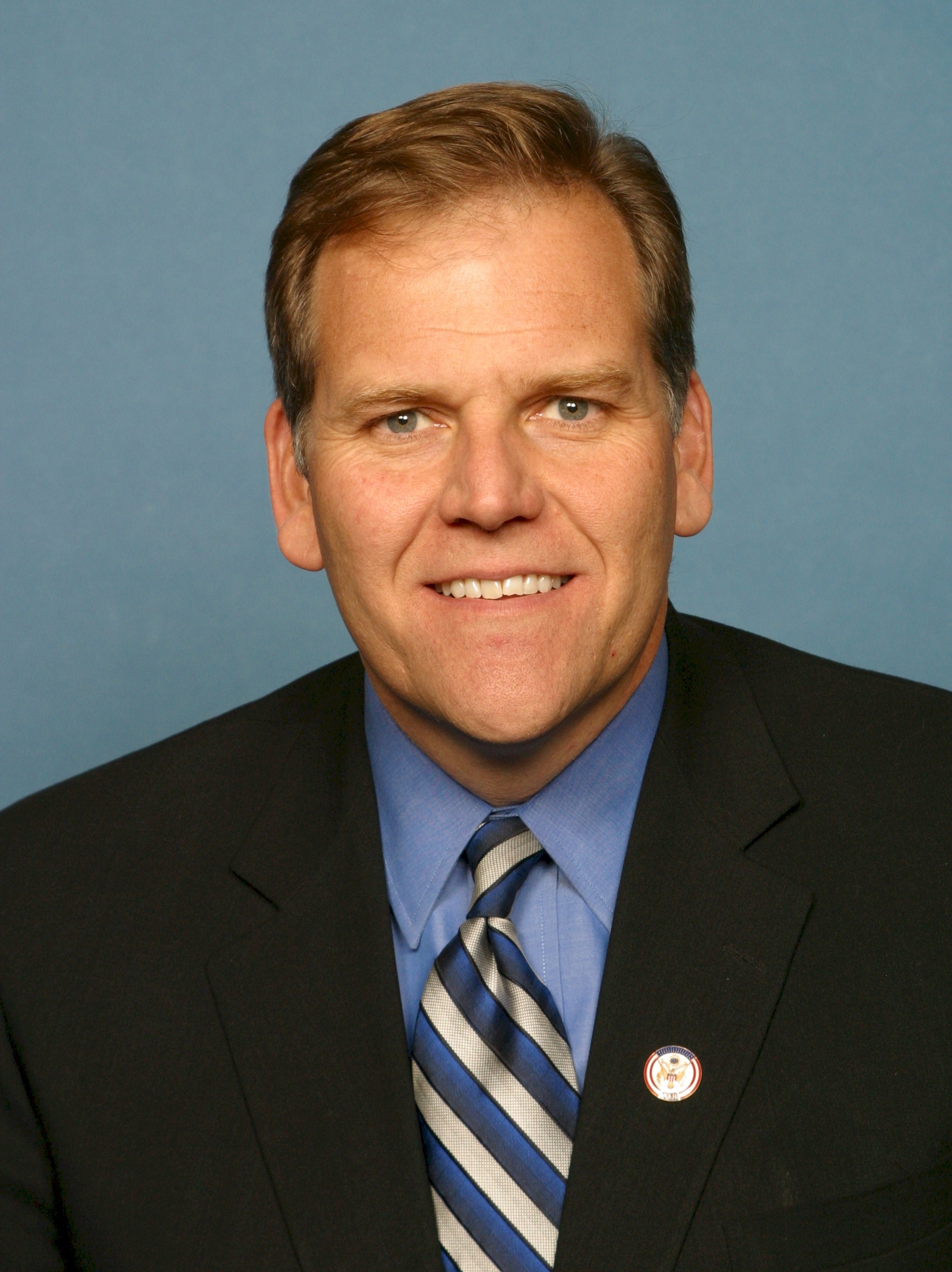
Rogers enters the race as a former congressman with a national-security résumé and Trump's endorsement. But the alliance is not seamless. The Washington Examiner reported that Rogers recently broke with Trump over the Canada trade war, an especially sensitive subject in a border state whose automakers and suppliers depend on cross-border commerce. That disagreement complicates the endorsement embrace: Rogers wants Trump's voters without surrendering his ability to speak for Michigan industries when their interests diverge from the White House.
Trump also launched a parallel attack the same night on South Carolina Democrat Annie Andrews. That repetition suggests a broader midterm strategy rather than an isolated burst: use the president's platform to nationalize Senate candidates, attach provocative labels and make local contests answer to a national culture-war agenda. The Michigan midterm elections 2026 will show whether that approach expands the Republican coalition or merely intensifies voters who were already committed.
The numbers behind the noise
Michigan Senate polls October 2026 depict a tight race, but three harder numbers explain why the online clash matters now. More than 200,000 absentee ballots had already been cast by Thursday. El-Sayed was trailing Rogers nearly two-to-one in advertising spending, according to the Associated Press. And Election Day was 26 days away.
Those figures point in different directions. Early votes are banked votes: neither Thursday's debate nor a late campaign advertisement can change ballots that have already been returned. But the larger share of the electorate is still available, and a two-to-one spending deficit means El-Sayed needs earned media — coverage generated by events, arguments and candidate responses — more than Rogers does. Trump's attack supplies that attention free of charge.
That does not make the episode an automatic gift. Earned media can introduce a candidate, but it can also introduce an opponent's frame first. El-Sayed receives a national microphone and a surge of attention from donors and activists; at the same time, voters who were not following the race now encounter him through a dispute about faith, extremism and Piker rather than through his public-health record or economic platform. Attention is political currency, but campaigns do not control its exchange rate.
Who benefits, who loses
El-Sayed: The immediate benefit is obvious: national visibility, potential fundraising energy and a turnout argument aimed at Muslim voters, progressives and other Democrats alarmed by Trump's language. The risk is just as real. A candidate hoping to discuss prices, health care and public services may spend the campaign's most important day answering a religiously framed attack. Even a forceful rebuttal can leave the attacker's subject in place.
Rogers: Trump's endorsement can consolidate Republican voters and bring national resources into the race. Yet suburban Michigan has repeatedly punished candidates who appear captive to the harshest national rhetoric. Rogers must decide whether embracing the president's characterization helps more with base turnout than it costs among persuadable voters. If moderators ask him about the language directly, silence, agreement and disagreement all carry consequences.
Trump: The president again dominates the news cycle and rallies supporters around an adversarial frame. But presidential attention is not costless. It can energize Democratic turnout, crowd out Rogers's preferred message and hand El-Sayed a victim-to-champion narrative: a candidate targeted for his faith who answers by talking about household costs. That conversion is not guaranteed, but Trump's post gives El-Sayed the chance to attempt it.
The fairest summary is not that one side has already won. Critics see Islamophobic name-mocking intended to make a Muslim candidate appear foreign. The Trump camp points to El-Sayed's progressive record and Piker ties as legitimate matters for scrutiny. Policy records and political associations are fair subjects. Deliberate misnaming and an unverified “terrorist sympathizer” label are choices layered on top of those subjects. Keeping those categories separate is essential to understanding both the attack and the response.
What happens next: tonight in Grand Rapids
The first debate takes place Thursday, October 8, in Grand Rapids. What was already a pivotal meeting in a closely divided race is now likely to be the most-watched Senate debate of the cycle so far. The opening question is whether Rogers embraces Trump's words, distances himself from them or tries to move immediately to El-Sayed's policy positions. Each option tells voters something about how an eventual Sen. Rogers would navigate disagreement with the president.
El-Sayed's test is different: can he convert outrage into turnout without allowing his faith to become the only subject voters associate with him? His X post points to the intended pivot — gasoline, groceries and doctors' offices. The debate will show whether he can make that turn while under pressure, and whether his answer reassures voters who want both religious pluralism and clarity about his progressive agenda.
Finally, watch whether the tactic travels. Trump's same-night attack on Annie Andrews in South Carolina and his intervention against James Talarico in Texas suggest a repeatable method: provocative language, a nationalized opponent and a demand that Republican candidates react. Moderators in Grand Rapids should ask Rogers about the attack directly. His answer will matter beyond Michigan, because other Republican nominees will study whether association with the tactic produced votes or only controversy.
Sources
- Donald Trump's Truth Social post (archived)
- USA Today — “Abdul El-Sayed responds to President Trump's Truth Social attack” (October 8, 2026)
- Associated Press via LA Post — “Rogers and El-Sayed are set for their first debate in Michigan's Senate race after online sparring” (October 8, 2026)
- Washington Examiner — “Trump goes scorched-earth on Democrats” (October 8, 2026)
- Associated Press via Netscape — “Republicans made El-Sayed a top midterm target” (September 11, 2026 background)