No livestream: Trump pulls the plug on broadcasting the Fort Hood execution
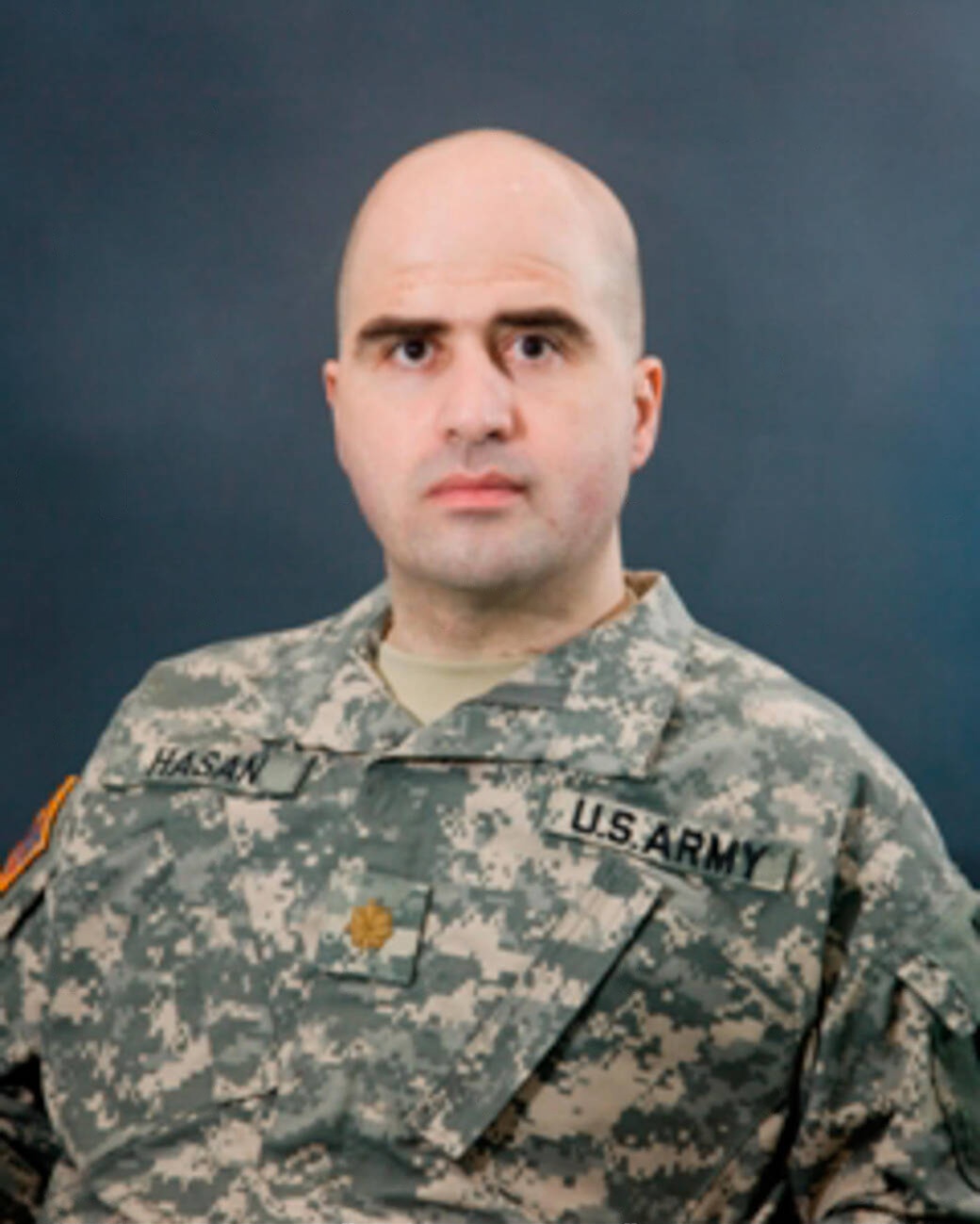
WASHINGTON, October 15, 2026 — The most extraordinary execution plan in modern American history lasted one week. President Donald Trump announced on Truth Social on Thursday that the December 3 execution of Nidal Hasan, the former Army psychiatrist who murdered 13 people at Fort Hood in 2009, will not be livestreamed — scrapping the broadcast that Defense Secretary Pete Hegseth had announced on October 8 and that had drawn objections from the vice president, the House speaker, the archbishop for the U.S. military, victims' families and, according to a poll released the same day, four out of five Americans.
The execution itself is unchanged. Hasan will die by firing squad at Fort Hood at 1 p.m. on December 3, Trump confirmed — the same day of the week, at the same installation, at the same hour as the November 5, 2009 attack. What changed is the audience. There will be no stream, no broadcast, no public feed. The president wrote that streaming the execution "might have been a strong deterrent," but that many well-meaning people "would rather not watch him die." Victims' immediate families, he said, may view the execution in person if they choose: they "deserve to witness JUSTICE."
It is a rare outright reversal, and a revealing one. The livestream was the Pentagon's idea, announced by Hegseth as a matter of transparency and deterrence. CNN reported that Trump had not known Hegseth was going to announce the plan when he did — and that while the president is firmly behind the firing-squad execution itself, the broadcast was never really his. One week of reaction, from his own party as much as anyone's, settled the question. What follows is how the plan rose and fell, what the country actually thought of it, who Nidal Hasan is, and what will happen on December 3.
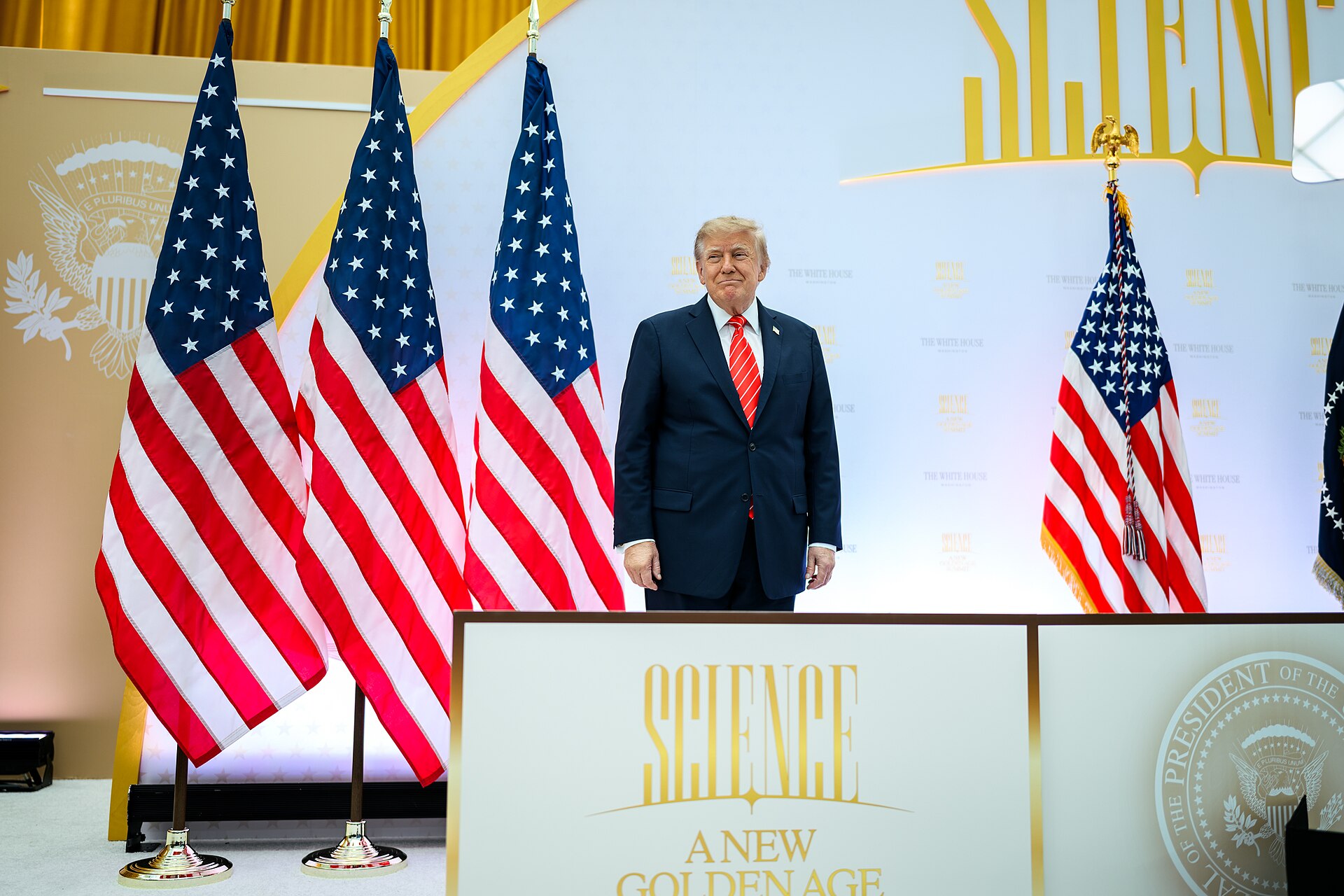
A week of backlash
The sequence matters. On October 5, Trump signed the approval that military law requires before any service member can be executed, clearing the way for Hasan's death sentence — imposed in 2013 and upheld through years of appeals — to finally be carried out. On October 8, Hegseth announced that the Army would livestream the execution, an unprecedented step that Signal Post News reported at the time. The reaction was immediate, and it did not follow party lines.
Vice President JD Vance said he would not watch the execution and doubted the broadcast plan would go forward. House Speaker Mike Johnson said he would not watch either and that colleagues had concerns. Archbishop Timothy Broglio, who oversees Catholic ministry to the U.S. armed forces and who presided at the funeral of one of Hasan's victims, went further: in an unusually direct statement on Monday he told Catholics in the Army not to participate in the firing squad, and asked whether the United States wanted to "imitate the terrorists of this world" by making a spectacle of a killing. Religious leaders and international observers added their objections through the week.

The families of the victims — the people with the strongest claim to be heard — were largely against it. Keely Cahill Vanacker, whose father Michael Cahill was the first person Hasan killed, said a livestream would turn "tragedy into entertainment." That phrase captured the core objection more precisely than any official statement: the issue was not sympathy for Hasan, who has never expressed remorse, but what a government broadcast of a death would do to the families and to the country watching it.
What the country thought
On Thursday, the ABC News/Washington Post/Ipsos poll put numbers to the reaction. Eighty percent of U.S. adults opposed livestreaming the execution. Opposition crossed the aisle: 64 percent of Republicans opposed it too, against an administration that had framed the broadcast as a message to terrorists. Numbers like that explain the speed of the reversal. A policy opposed by four-fifths of the public — including two-thirds of the president's own party — offered deterrence value that was speculative at best, at a political and moral cost that was immediate and concrete.
It is worth being precise about what the public was and was not rejecting. The poll asked about the broadcast, not the execution. Capital punishment itself, and this sentence in particular, was not what collapsed politically this week. Trump kept the firing squad, the date, the place and the hour — and reported firmness on all of it. What he abandoned was only the spectacle: the idea that the state's killing of a condemned man should be programming.
The man on military death row
Nidal Hasan, 56, was an Army major and psychiatrist assigned to Fort Hood when, on November 5, 2009, he opened fire inside a crowded medical processing building where soldiers were receiving check-ups and vaccinations before deploying overseas. He killed 13 people and wounded 32 before civilian police officers shot him, leaving him paralyzed from the chest down. He has used a wheelchair ever since.
A military jury convicted him of 13 counts of premeditated murder in 2013 and sentenced him to death — a sentence that then entered the military's long appellate pipeline. Hasan has been held since on the military's death row at the U.S. Disciplinary Barracks at Fort Leavenworth, Kansas, one of a small handful of condemned service members. Under the Uniform Code of Military Justice, no military execution can proceed without the president's personal approval, which is why the case sat, fully litigated, until Trump signed the order on October 5. Hasan said he carried out the attack in retaliation for U.S. wars in Muslim-majority countries; he represented himself for much of his trial and has never apologized.
An execution unlike any in living memory
Even without a camera, December 3 will be a first in generations. The U.S. military has not carried out an execution since 1961, when Private John Bennett was hanged at Fort Leavenworth. It has not used a firing squad since 1945, in the closing phase of the Second World War. And no American government has staged a public execution since the 1930s — the era of courthouse-square hangings that states abandoned precisely because of the carnival atmosphere that gathered around them. Death-penalty experts note that no government execution in U.S. history has ever been broadcast.
That history is the quiet engine of this week's argument. The firing squad itself survived legal scrutiny long ago — the Supreme Court held in 1879 that it is not cruel and unusual punishment — and several states retain it as a method. What no modern American institution had ever proposed was the combination the Pentagon put forward on October 8: a method unseen since 1945, carried out by the military for the first time in 65 years, transmitted live to anyone with a phone. Each element was defensible in isolation to its supporters. Together, they added up to something the country, given a week to think about it, declined.
Deterrence versus dignity
The honest version of the argument has two real sides. The case for the broadcast, as Trump and Hegseth framed it, was deterrence and transparency: that showing the consequence — the state answering a terrorist massacre with a public, lawful execution — would speak to would-be attackers in a language they understand, and that a democracy should not hide what it does in the public's name. Trump did not renounce that logic on Thursday; he acknowledged the deterrent argument even as he set it aside.
The case against rested on dignity, family and precedent. A livestream cannot be unseen, un-copied or un-celebrated by the wrong audiences; clips would circulate forever, including among the extremists the broadcast was meant to deter — the same propaganda dynamic that made ISIS execution videos infamous. Families said the stream would convert their worst day into content. Military voices, Broglio's most sharply, argued that asking soldiers to kill on camera corrodes something in the institution doing the asking. Army regulations allow soldiers to seek religious exemption from such duty, and the Army has not said how it will select the firing-squad detail. The poll suggests most Americans, weighing those costs against an unprovable deterrent, landed in the same place.
What happens on December 3
The execution is scheduled for 1 p.m. on Thursday, December 3, at Fort Hood — recently renamed Fort Cavazos and then renamed back — in central Texas. The timing is deliberate symmetry: November 5, 2009 was also a Thursday, and the attack began in the early afternoon. Hasan will be executed by firing squad under Army regulations, in a closed proceeding. The only witnesses beyond the official party will be the immediate families of the 13 victims, those who choose to attend — the audience Trump described as the one that deserves to be there.
Between now and then, watch three things. First, any final legal maneuvering: Hasan's appeals are exhausted and presidential approval has been given, but last-minute filings are a fixture of American executions even when they have no realistic path. Second, the Army's arrangements — above all how it composes the firing squad in the face of Broglio's instruction to Catholic soldiers, a question the service has so far declined to answer. Third, the families themselves: who chooses to attend, and what they say afterward, will write the public record of an execution the public will not see. That, in the end, is the settlement Trump announced on Thursday — the sentence carried out in full, the spectacle cancelled, and the meaning of the day left to the people who have carried it for 17 years.
Sources: Reuters, "Trump says military execution will not be livestreamed," Oct. 15, 2026; CNN reporting on the October 8 announcement and the president's position; ABC News/Washington Post/Ipsos poll released Oct. 15, 2026; USA Today and BBC coverage of the victims' families' response; Signal Post News reporting on the October 5 approval and October 8 livestream announcement.