Trump calls for new Ukraine president
Politics / US Foreign Policy / Ukraine WarPresident Donald Trump calls for new Ukraine president in remarks outside the White House on Saturday, transforming a dispute over Russian diesel and Ukrainian refinery strikes into a direct challenge to Volodymyr Zelenskyy's leadership. Trump argued that Kyiv had passed up repeated chances to settle the war. Zelenskyy says the Russian energy revenue at the center of the dispute helps finance Moscow's invasion and that easing pressure rewards Vladimir Putin while Russian forces keep attacking Ukrainian cities.
Track it live: follow battlefield developments, strikes and territorial changes on the live Ukraine war map.
Trump White House remarks October 10
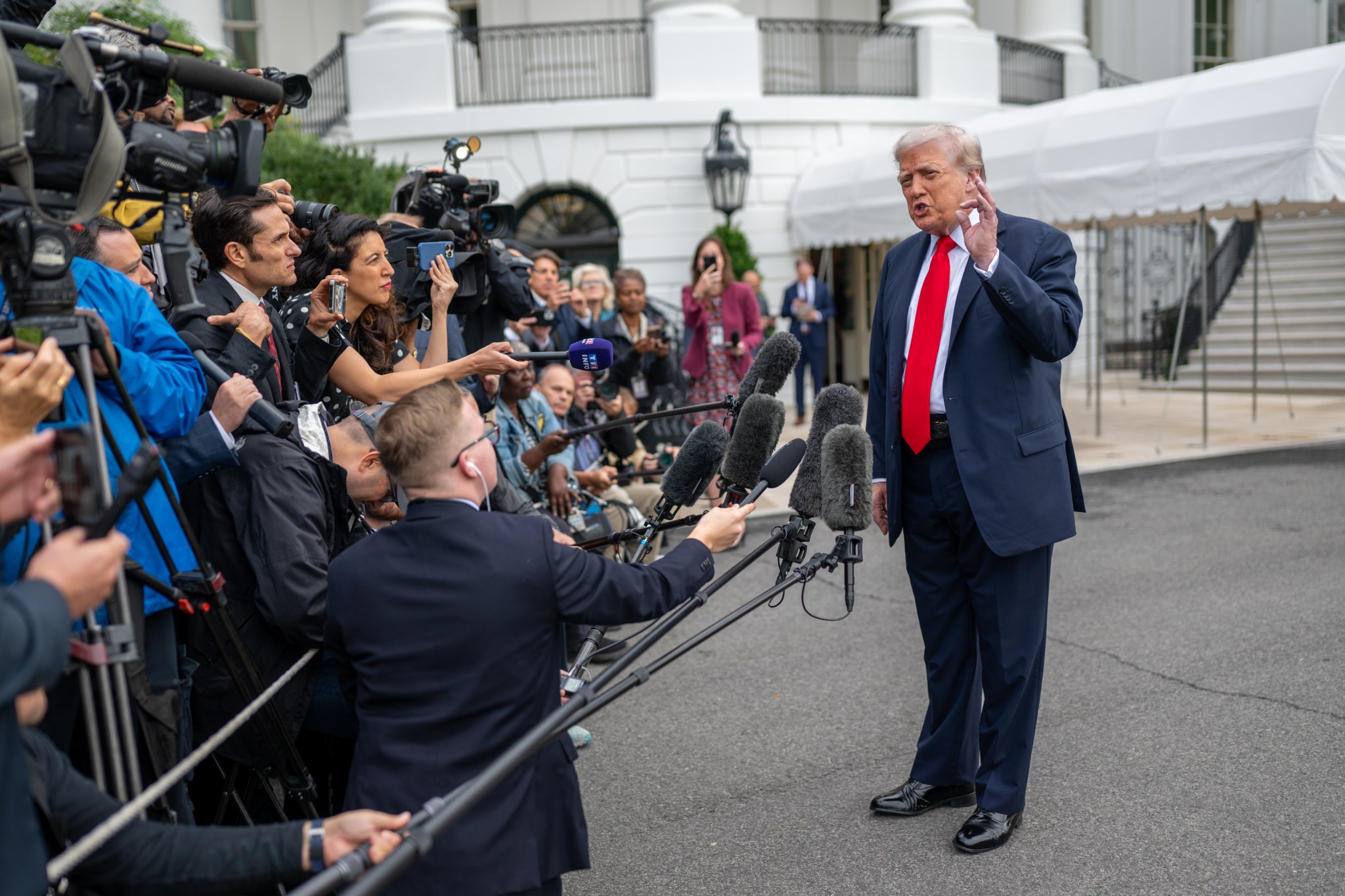
Trump spoke to reporters as he left the White House for a rally in Clarksville, Tennessee. He said he would advise Ukrainians to choose “a new leader who can make a deal,” arguing that Zelenskyy could have accepted earlier agreements but “for some reason, he never does.” It was more than criticism of a negotiating position: it was a public judgment that Washington's wartime partner should be replaced.
The president tied that demand to his view of the war's losses. He said Ukraine had lost 30% of its territory and more than a million people had been killed, then concluded that it was time for a new president. Those figures are disputed and should be read as Trump's claims, not settled measurements. Independent estimates vary because Russia and Ukraine restrict military-loss data, definitions differ and territorial control changes over time.
Trump new Ukraine leader comments sharpen the break
Trump also said Zelenskyy could have settled the war “many times” but chose not to. His argument is consistent with a pressure-first strategy: a ceasefire or political deal now, even if Kyiv finds the terms painful, may stop deaths and reduce economic disruption sooner than an open-ended campaign. Supporters say an ally can be pressed when its decisions impose wider costs on energy markets and US taxpayers.
Ukraine's counterargument is that a deal without credible security guarantees can pause rather than end the war. Kyiv says Moscow began the full-scale invasion, occupies Ukrainian territory and can use a ceasefire to rebuild. In that view, accepting unfavorable terms under pressure may trade a short-term reduction in violence for a weaker deterrent and another round of conflict later.
Why this matters
The language changes the diplomatic problem. The United States is no longer merely disputing targets, sanctions or negotiating tactics with Kyiv. Its president has publicly questioned whether the Ukrainian president should continue to lead. That gives Moscow a propaganda advantage, complicates coalition management in Europe and makes any compromise from Zelenskyy easier for domestic rivals to describe as coerced.
It also merges three political calendars: Ukraine's wartime legitimacy debate, America's November midterms and the battlefield's winter timetable. Trump wants visible relief from high fuel costs before voters judge his party. Zelenskyy wants to preserve pressure on Russia before colder weather raises the value of energy infrastructure. Putin gains leverage when those timelines collide, because Moscow can offer supply, delay concessions or intensify military pressure.
The dispute may therefore affect more than rhetoric. Intelligence sharing, weapons approvals, sanctions enforcement and the credibility of US mediation all depend on working trust. A leader-to-leader rupture can filter down into operational decisions even if formal policy does not change immediately.
Context: the Trump Zelenskyy feud October 2026
Trump and Zelenskyy's relationship has repeatedly swung between engagement and confrontation. The core disagreement is not simply personal. Trump measures progress by whether leaders will make a deal and reduce costs; Zelenskyy measures it by whether a deal leaves Ukraine sovereign, protected and able to deter another attack. Those tests can point in opposite directions even when both leaders say they want the war to end.
The latest rupture grew around oil infrastructure. Trump said he told Zelenskyy: “do what you want, don't hit refineries.” He argues that strikes on Russian processing capacity tighten fuel supply, raise prices and create a “world problem” for farmers, ranchers and consumers. Kyiv argues that refineries and petroleum exports are legitimate parts of Russia's war economy because fuel supports military operations and revenue supports the state budget.
The refinery-strike dispute moved from private pressure to public blame
Kyiv says it hit five Russian refineries this week, including strikes announced after Trump's diesel deal. That claim has not been independently verified in full. The military logic is clear: reduce Russia's capacity, increase the cost of the invasion and force Moscow to defend infrastructure far from the front. The economic risk is equally clear: successful attacks can tighten diesel supply and transmit a battlefield tactic into global prices.
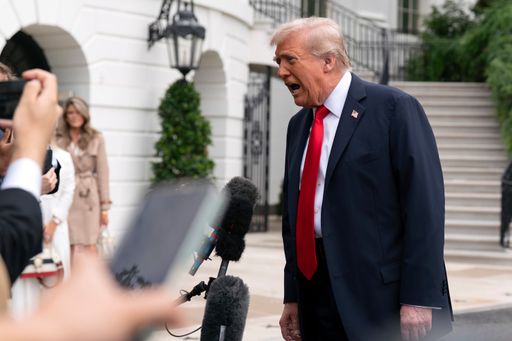
Trump's position treats the refinery campaign as a strategic mistake that exports costs to countries not fighting the war. Zelenskyy's position treats energy revenue as a source of Russian endurance that cannot be separated from the battlefield. Each side is identifying a real mechanism; the disagreement is over which risk is more urgent and who should absorb the cost.
The diesel deal and the data in context
On Friday, Trump said Putin had agreed during a phone call to provide more than 300,000 metric tons of Russian diesel immediately and another 500,000 tons in November. CNN reported that the combined amount is roughly 6 million barrels, equal to about one and a half days of US demand using Energy Information Administration consumption data. That comparison is crucial: the volume is large enough to matter at the margin, but it is not large enough by itself to reset the American fuel market.
Average US diesel prices have topped $6 a gallon, according to reporting on the announcement. Diesel is embedded in farm operations, trucking, construction and the cost of moving goods. That makes the issue especially potent in agricultural states where Republicans are defending close races. For the White House, even a modest increase in supply can be sold as action on a visible household and business expense.
But supply is not the same as delivered fuel. Former US officials cited by CNN questioned whether Russia has the volumes Trump announced, particularly after Ukrainian attacks strained refinery operations. Shipping, sanctions licenses, refinery output, buyer participation and product specifications all determine whether pledged tons reach markets on schedule. A political announcement can affect expectations immediately; physical barrels take longer.
US Russia diesel deal backlash exposes competing costs
Rep. Don Bacon and Sen. Richard Blumenthal, a co-author of Russia sanctions legislation, criticized the arrangement. Their concern is that purchases and sanctions relief may restore revenue and legitimacy to Moscow before it has made verifiable concessions. The criticism also exposes a divide in Washington: lower fuel prices are a domestic priority, while sanctions are designed to make Russian aggression economically painful.
Who benefits depends on implementation. US farmers, truckers and consumers benefit if extra supply lowers wholesale and retail prices. Trump benefits if voters credit him for relief. Putin benefits if Russia gains revenue or a pathway around isolation. Ukraine loses leverage if sanctions are eased without reciprocal de-escalation. Yet Russia can also lose if the promised exports strain its own supply or prove impossible to deliver.
Zelenskyy gift to Putin response and the Zaporizhzhia attack
Zelenskyy called the diesel arrangement a weak decision and “a gift to Putin,” describing it as an investment in a war that should be ended rather than prolonged. He said Ukraine's delegation was being used as a smokescreen while Trump envoy Steve Witkoff and Jared Kushner met Ukrainian officials in Miami about a peace proposal. His case is that energy income gives Moscow more capacity to fight, while sanctions relief without a durable de-escalation reduces pressure for compromise.
Zaporizhzhia glide bombs October 2026 complicate the peace message
In an October 10 post, Zelenskyy said Russia answered the easing of pressure with five glide bombs on residential buildings in Zaporizhzhia, killing 12 people, including three children. Those casualty figures are attributed to the Ukrainian president and had not been independently verified by Signal Post News at publication. Russian authorities had not provided an account in the reporting reviewed for this article.
The timing strengthens Kyiv's argument that commercial relief should follow, not precede, verified military restraint. It does not by itself prove that the diesel deal caused the strike, which would have required planning and weapons allocation. The sober reading is that diplomacy and bombardment were happening at the same time, making every concession politically harder to defend.
Who gains, who loses and what critics say
Trump and US consumers
Trump gains a simple domestic message: he is using presidential leverage to pursue lower fuel prices. If diesel falls, farmers and freight-dependent businesses gain directly. The risk is that limited or delayed deliveries fail to move prices, leaving the administration responsible for a concession to Moscow without the promised economic payoff.
Zelenskyy and Ukraine
Zelenskyy can rally Ukrainians around sovereignty and resistance to outside pressure. But open conflict with Washington raises the cost of that stance if military aid or intelligence cooperation weakens. Ukraine's strongest argument is moral and strategic; its vulnerability is dependence on partners whose voters are focused on prices and war fatigue.
Putin and sanctions critics
Putin gains if the deal divides the US-Ukraine coalition and normalizes Russian energy sales. Critics such as Bacon and Blumenthal can use the controversy to press sanctions legislation and demand conditions on any license. Putin's risk is overpromising: if refinery damage prevents delivery, the episode advertises Russia's supply constraints.
What happens next
Scenario one: Miami talks survive the rupture
Witkoff, Kushner and Ukrainian officials could keep negotiating despite the public clash. A narrow package might pair a pause in refinery strikes with limits on Russian attacks against Ukrainian energy and residential areas, monitored before broader sanctions relief. That would give Trump a price-and-peace narrative while giving Zelenskyy a reciprocal condition he can defend.
Scenario two: the peace channel stalls
If Kyiv views the leadership demand as disqualifying or Washington insists on unilateral restraint, the Miami process could freeze. The United States might then increase pressure through aid conditions, while Ukraine expands long-range attacks to show it cannot be dictated to. That path raises escalation risk and makes each new strike part of the political argument.
Scenario three: Congress becomes the center of gravity
Sanctions legislation associated with Blumenthal and other lawmakers could become the vehicle for a broader fight over Russia policy. Congress may seek reporting requirements, limits on licenses or automatic penalties if promised de-escalation does not occur. That would reduce executive flexibility but could also reassure Kyiv and European allies that any energy opening has enforceable conditions.
Scenario four: the diesel promise is tested by the market
The quickest factual test will be whether Russian cargoes are nominated, financed, loaded and delivered in the volumes and timetable Trump described. If they are, price effects and revenue flows can be measured. If they are not, the dispute may shift from whether the policy is wise to whether the agreement was operationally real.
The central uncertainty is no longer whether Trump and Zelenskyy disagree. They do, openly. The question is whether their governments can separate personal and electoral pressure from a negotiation that still requires both of them. The next evidence will come from the fate of the Miami talks, the terms of any sanctions license, the movement of actual diesel cargoes and whether refinery and civilian-infrastructure attacks intensify or pause.
Sources
- CNN — White House remarks, diesel volumes, US demand comparison, refinery-strike claims and former-official skepticism
- Associated Press report republished by East Renfrewshire News — leadership remarks, fuel-price context and the case presented by both presidents
- New York Post — Trump's departure remarks, refinery warning, diesel prices and farm-state political context
- New York Post — diesel announcement, sanctions license and Zelenskyy's response
- The White House — official South Lawn photograph used as the hero image
Reporting note: Casualty, territorial-control and refinery-strike figures are attributed to the officials or outlets reporting them. Signal Post News has not independently verified every battlefield claim or the deliverability of the announced diesel volumes.