Trump Iowa steel plant announcement
Trump Iowa steel plant announcementMesabi Metallics Iowa steel plantlargest steel plant in American historyLee County Iowa steel millUS steel tariffs 2026Iowa steel plant 1750 jobssteel production 2030 Iowamidterm elections Iowa steelMesabi Iron Range Minnesota mineUS manufacturing reshoring steel
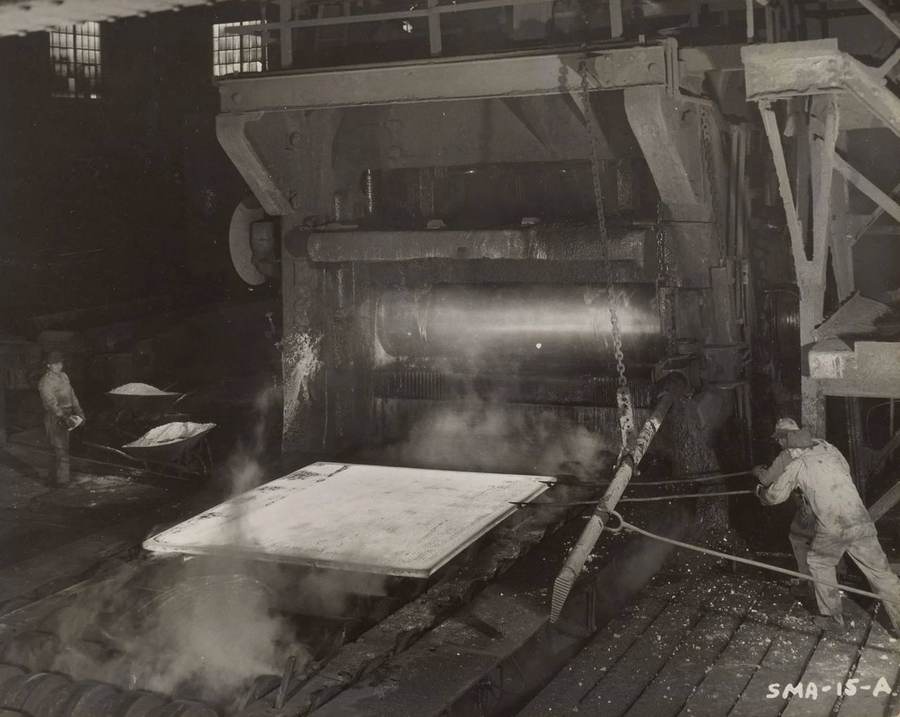
WASHINGTON — President Donald Trump is expected to announce Monday afternoon that Minnesota-based Mesabi Metallics plans to build a $15 billion steel plant in eastern Iowa, a project the White House calls the largest steel plant in American history and the first new American mega-mill since the 1960s. The proposal would marry ore from a new Minnesota mine to steelmaking in Iowa, create 1,750 permanent jobs, and eventually produce 10 million tons of steel a year.
The scale is enormous; the distance between announcement and delivery is just as important. Construction is expected to start this month, according to White House briefings reported by the New York Post, but first steel is not scheduled until 2030. That makes this both an industrial-policy event and an election-season promise: the economic payoff lies years ahead, while the political dividend is being sought five weeks before the November 3 midterms.
What was announced
According to a White House official cited by Reuters, Mesabi's first Iowa phase would be capable of making 7.5 million tons of steel a year. Later additions would take annual capacity to about 10 million tons. The plant would be vertically integrated inside the United States: ore mined and processed on Minnesota's Mesabi Iron Range would travel to Iowa, where it would feed steel production rather than leaving the country as raw material.
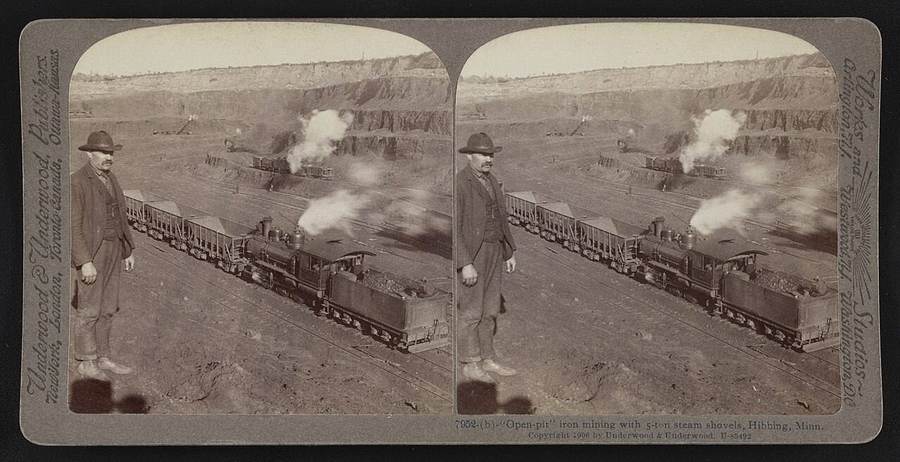
The administration says the first phase would support 5,000 to 6,000 construction jobs and at least 1,750 permanent Iowa jobs. Mesabi's Minnesota operation represents another $2.5 billion investment, is designed for 7.5 million tons of ore a year and is expected to employ roughly 350 people. The company has begun commissioning that mine, described by officials as the first new U.S. iron-ore mine in 50 years.
Trump is expected to make the announcement in the Oval Office with Mesabi CEO Joe Broking and chairman Rewant Ruia, joined by Commerce Secretary Howard Lutnick, National Energy Dominance Council executive director Jarrod Agen and U.S. Export-Import Bank chairman John Jovanovic. White House spokeswoman Taylor Rogers framed the project as proof that Trump is rebuilding American industry, reshoring manufacturing and strengthening supply chains.
The exact Iowa site has not been formally disclosed. The Des Moines Register reported that property owners in Lee County said a commercial real-estate agent had approached them for weeks about selling land. Residents had heard the buyer was assembling acreage for a steel plant. That is evidence of active site work, not confirmation that every parcel or permit is secured.
Why this matters: US manufacturing reshoring steel at mega-mill scale
A plant capable of 10 million tons a year would not be an incremental factory opening. Against U.S. output of roughly 100 million tons in a typical recent year, one site could represent about 10% of national production. That puts Mesabi Metallics Iowa in the class of industrial assets that can reshape freight flows, electricity demand, scrap markets and supplier investment across several states.
The strategic claim rests on integration. American steelmakers already produce large volumes, but mining, pelletizing, transport and mill economics often sit in separate corporate and geographic chains. A Mesabi Iron Range Minnesota mine tied directly to an eastern Iowa mill would give one enterprise control from ore to finished metal. In theory, that reduces exposure to import disruptions and lets the operator optimize the chemistry and timing of inputs for electric-arc-furnace production.
Analysis: this is tariff-era industrial policy in physical form. Trump's 50% steel tariffs raise the cost of imported steel to create room for domestic investment. If a $15 billion steel investment becomes a functioning mill, supporters will argue the protection bought real capacity. If construction costs rise broadly while the plant slips, the same policy will look like an expensive tax on builders without a timely supply response.
Background — how we got here
The United States did not stop making steel, but the industry's geography and labor model narrowed over decades. Aging integrated mills closed, employment fell as technology improved, and imported steel took share in price-sensitive markets. Modern electric-arc furnaces then shifted more production toward scrap-based minimills, which require less capital and fewer workers than the blast-furnace complexes that defined twentieth-century steel towns.
Trump has treated steel capacity as national-security infrastructure, first with tariffs and now with a much higher 50% barrier. The administration's wager is that predictable protection changes the economics of long-lived domestic assets. The counterargument is that tariffs immediately raise the price of steel-intensive projects — warehouses, factories, bridges and housing — while new capacity takes years to arrive.
Mesabi's own history counsels patience. The Wall Street Journal, which first reported the Iowa plan, noted that the Minnesota mine project was proposed about two decades ago, passed through bankruptcy, missed state-aid repayment deadlines and later resumed construction. Its survival shows persistence and substantial sunk investment; it also shows why groundbreaking dates are not the same as commercial production.
The wider steel story is visible in Ukraine, where war damage has pushed one of Europe's major producers toward a billion-dollar impairment. Signal Post News's report on ArcelorMittal Kryvyi Rih illustrates the national-security argument for resilient domestic capacity — and the immense cost of keeping complex steel assets operating under stress.
Who benefits and who pays
The most immediate winners would be Iowa's building trades. Five thousand to 6,000 construction jobs can support years of work for electricians, millwrights, ironworkers, concrete crews and heavy-equipment operators. Permanent Iowa steel plant jobs would be fewer but better anchored, with knock-on demand for maintenance contractors, rail and barge service, industrial gases and local logistics.
Lee County landowners could receive substantial offers, but the gains will not be evenly distributed. Sellers near the chosen site may benefit; neighbors can face traffic, noise, changing land values and pressure on roads and utilities. The Mississippi River is an industrial advantage for bulk transport, yet any final Lee County Iowa steel mill plan will also bring air, water, wetlands and power-supply reviews that deserve scrutiny before construction accelerates.
Taxpayers may also carry part of the bill. Iowa lawmakers have been told they could be summoned into a special session to approve incentives, the Register reported. Until the state discloses the size, duration and performance conditions of those tax breaks, the public cannot calculate cost per job or know whether benefits can be clawed back if deadlines slip.
The national ledger is equally mixed. Domestic producers and their workers gain pricing power under US steel tariffs 2026; construction firms and consumers of steel pay more. A new plant can eventually add supply and competition, but the 2030 timetable means tariff-driven construction inflation arrives years before Mesabi's promised tonnage.
What critics say
The first criticism is the calendar. Steel production 2030 in Iowa means voters in the 2026 midterm elections will be judging a plan, not a functioning mill. Republicans are defending all four Iowa House seats and the Senate seat of retiring Joni Ernst, while Democrat Rob Sand is favored in the governor's race. The Washington Examiner reported frustration among some Iowa voters over the Iran war, beef imports from Argentina and Brazil, and fuel costs. Vice President JD Vance has visited the state repeatedly.
The second criticism is execution risk. American economic history is crowded with mega-project announcements that were delayed, resized or abandoned once financing, permits, commodity prices and local opposition collided. Mesabi's long Minnesota development history makes milestones especially important: land acquisition, definitive financing, environmental approvals, equipment orders, site work, commissioning and first commercial shipment.
The third is measurement. The White House says the first phase will generate $95 billion in total economic impact over construction and the first ten years of operation. That figure may include wages, supplier purchases, induced household spending and repeated rounds of regional activity. Without a published model, assumptions and discount rate, it should be treated as a sponsor estimate, not the same thing as $95 billion of new cash investment.
Even “largest in history” requires precision. At full build-out, 10 million tons would put the plant among the biggest U.S. steelmaking sites. But Gary Works-class complexes have changed capacity over time, and “plant” can mean a single operating unit, a multi-unit campus or a vertically integrated complex. The soundest claim today is the administration's: it intends this to be the largest, if every phase is built.
The numbers in context
Ten million tons: roughly one-tenth of total annual U.S. output from one site. 7.5 million tons: the first-phase target for both Iowa steel and Minnesota ore. Those matched figures underline the mine-to-mill concept, though steelmaking yields, scrap inputs and product mix mean ore tonnage does not translate one-for-one into finished steel.
1,750 permanent jobs: significant for any Iowa county, but modest beside the capital. Dividing $15 billion by 1,750 yields about $8.6 million of announced capital per permanent Iowa job. That is not a cost-benefit verdict — the plant creates output, taxes and supplier demand, not just payroll — but it demonstrates how automated and capital-intensive modern steelmaking is.
5,000 to 6,000 construction jobs: a larger workforce, but temporary. Political messaging often combines construction and permanent employment; readers should keep the categories separate. The project's lasting labor-market effect rests on the 1,750 operating jobs, plus indirect work that can be documented after suppliers commit.
$2.5 billion and 350 jobs in Minnesota: about $7.1 million of mine investment per direct job. Together with Iowa, the numbers describe a high-productivity industrial system rather than a return to the labor-heavy steel economy of the 1950s.
What happens next
The first test is simple: does visible construction begin this month, as officials say? The second is legislative: if Iowa calls a special session, lawmakers should publish the incentive package, job guarantees, deadlines and clawbacks before voting. The third is regulatory: federal and state permitting records will reveal the site's footprint, water use, emissions profile, power demand and transport design.
Financing and equipment orders will matter more than ceremony. Investors should watch whether the Export-Import Bank or other public institutions commit support, how much sponsor equity is locked in, and whether contracts cover only the first phase or the full 10-million-ton build-out. Communities should watch land options and infrastructure agreements; workers should watch whether hiring pathways and apprenticeship slots appear before the peak construction wave.
Politically, the Trump Iowa steel plant announcement gives Republicans a concrete reshoring message in competitive midterm elections Iowa. Economically, it will take four years to know whether the message becomes metal. If the integrated mine-to-mill chain reaches production on schedule and on budget, it could become a template for U.S. manufacturing reshoring. If it stalls, it will become another warning that tariffs and presidential announcements cannot substitute for project execution.
Sources
- Reuters — project scale, vertical integration, jobs and White House attribution.
- Des Moines Register — Lee County land approaches, possible special session and Iowa political context.
- New York Post — construction timing, tariffs, elections and jobs.
- Washington Examiner — attendees, $95 billion sponsor estimate and Iowa voter concerns.
- Wall Street Journal — first report, river logistics and Mesabi project history.