Timothy Busfield indictment dismissed: Judge Joseph Montaño of New Mexico's Second Judicial District on Friday quashed the grand jury indictment against the actor Timothy Busfield, finding that the prosecuting attorney failed to act in a fair and impartial manner over witnesses the grand jurors had asked to hear — a procedural dismissal, without prejudice, that leaves the state free to bring the case again, in which Busfield has pleaded not guilty and denies the allegations.
Albuquerque / The indictment is quashed — but the ruling was about the process, not the allegations, and the state can refile
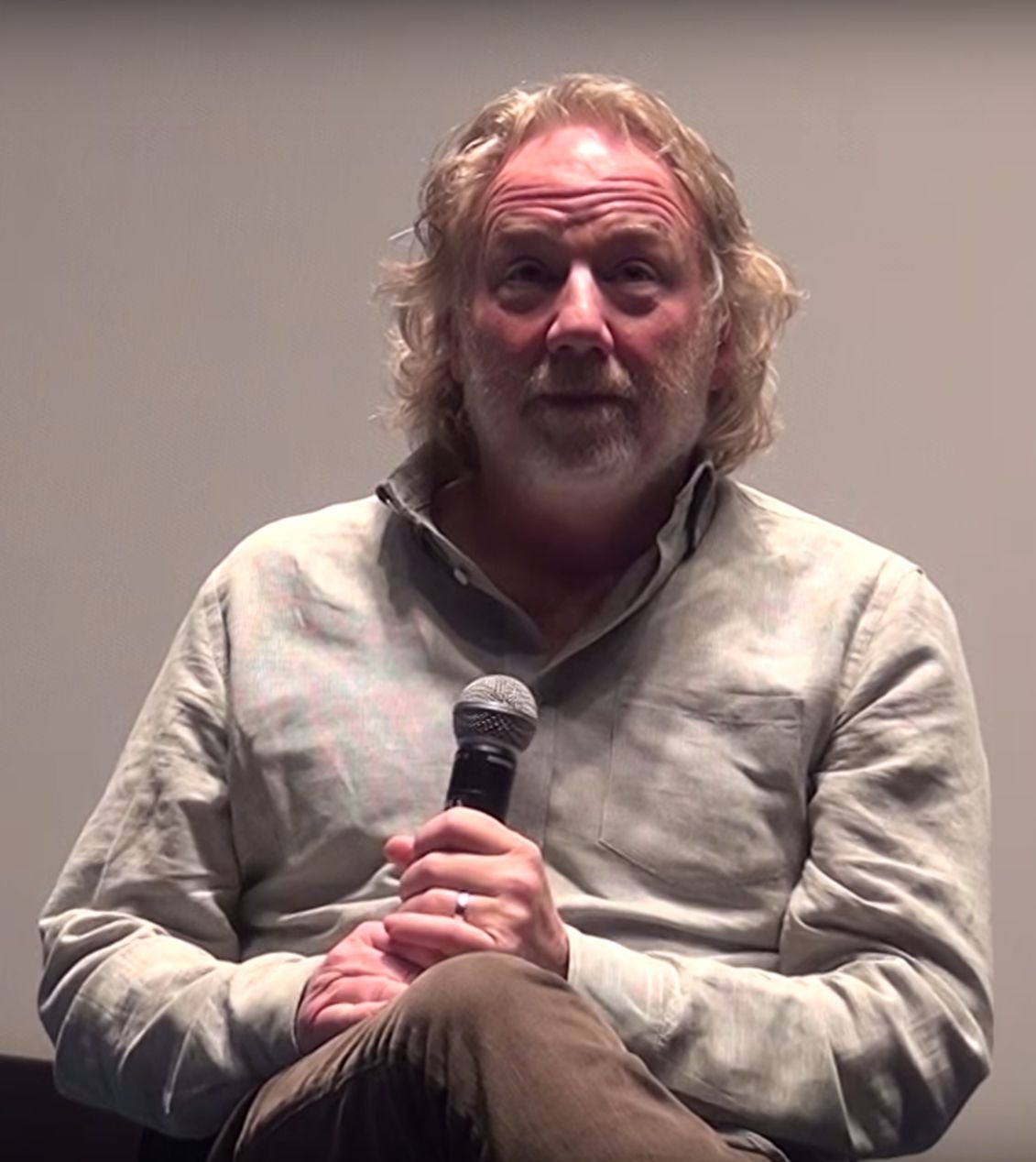
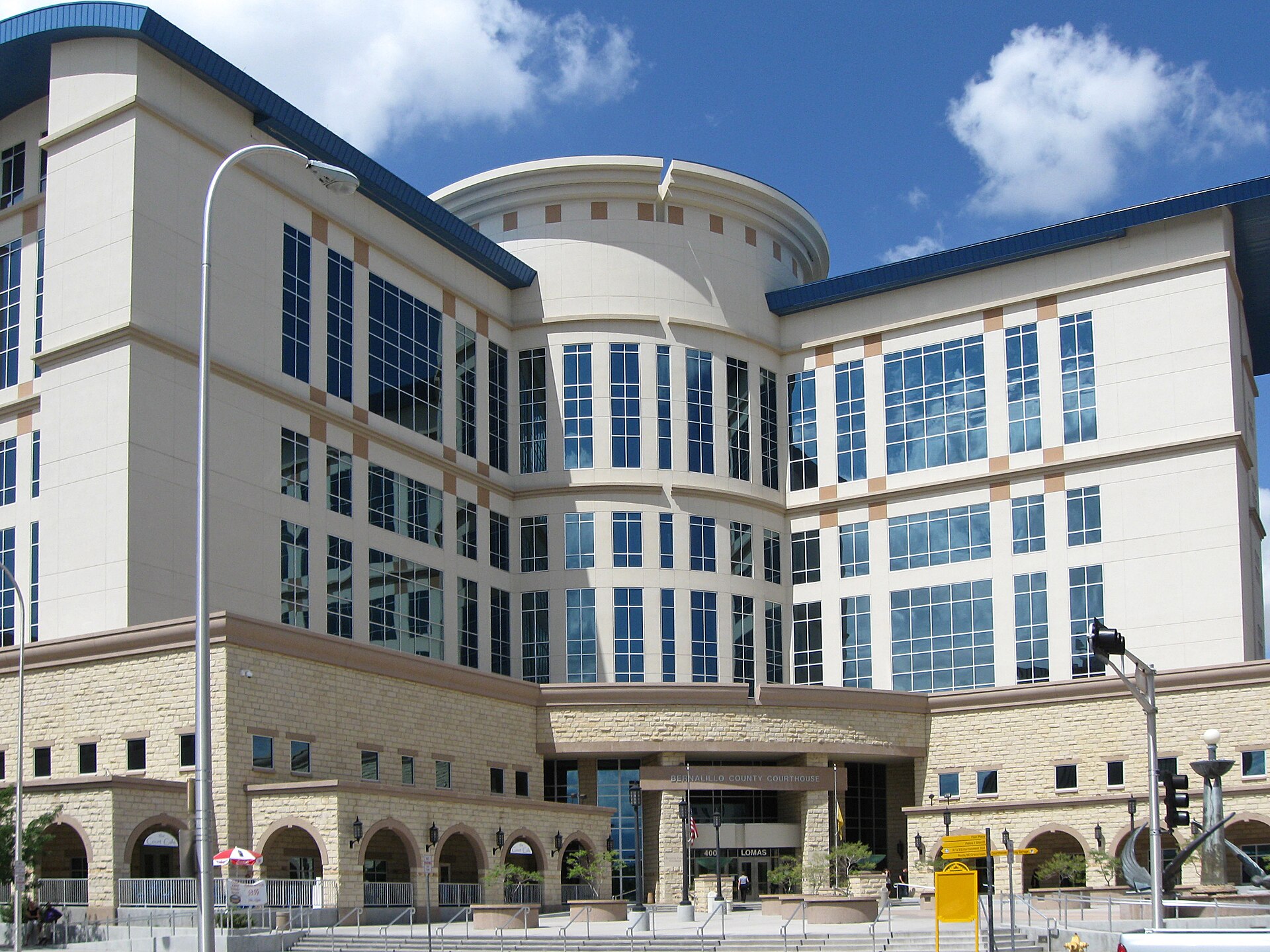
ALBUQUERQUE, N.M. — A New Mexico judge on Friday dismissed the grand jury indictment against the actor and director Timothy Busfield, ruling that the prosecutor who presented the case had failed to act fairly and impartially in handling witnesses the grand jurors themselves had asked to hear, according to court documents reported by Reuters, USA Today and PEOPLE. Judge Joseph Montaño, of the Second Judicial District, granted a defense motion to quash the indictment on October 16, finding that the prosecution's errors in instructing the grand jury violated New Mexico's grand jury statutes and that, under the law, a presumption of prejudice applied. The dismissal is procedural, and it is expressly without prejudice: the judge did not rule on whether the underlying allegations are true, Busfield has not been acquitted, and the state remains free to start the case over. Bernalillo County District Attorney Sam Bregman's office said it had received the order and was evaluating its options. Busfield, 69, has denied the allegations against him, pleaded not guilty, and has not been convicted of any offence in this case.
Because the charges at issue are allegations of sexual offences against children, this report follows the approach of the wire coverage it is based on: every allegation is attributed to the side that made it, no detail beyond what the indictments and court reporting have established is included, nothing about the alleged conduct is stated as fact, and the complainants — two child actors, identified in reporting only as twin boys — are not named or described beyond what is necessary to explain the case. What happened on Friday is a ruling about how a grand jury was run. Understanding what it does — and what it does not do — requires separating three things that headlines tend to merge: the allegations, the indictment, and the process that produced the indictment. Only the third of those was decided this week.
What the judge found
The ruling turns on witnesses. According to the order as quoted by USA Today, Judge Montaño found that "the prosecuting attorney failed to act in a fair and impartial manner, including the failure to properly instruct the grand jury on the law for calling witnesses and in instructing the grand jurors on a procedure that effectively withheld requested witnesses." In plain terms, the grand jurors asked to hear from additional witnesses. The prosecutor's instructions, the judge found, made that harder than the law allows: the jurors were told that hearing the witnesses would require subpoenas and 36 hours' notice, without being told that a judge could shorten that notice period or that witnesses could simply appear voluntarily. The order also cited a further procedure — described in the reporting as requiring eight jurors to agree before testimony could be heard, or all twelve to return — that the judge found has no basis in any rule or statute.
The point was pressed at a hearing on September 25, 2026, on the defense motion to quash, which had been filed on June 15. At that hearing, according to the accounts of the ruling, the prosecutor offered no explanation for the eight-juror procedure. Judge Montaño concluded that the state's handling of the presentation violated the grand jury statutes, and that where such violations are shown, New Mexico law applies a presumption of prejudice — meaning the defendant does not have to prove the errors changed the outcome; the law presumes they may have, and the indictment cannot stand. The remedy for that kind of error is dismissal of the indictment. Because the defect lies in how the case was presented rather than in a jury's verdict on the evidence, the dismissal is without prejudice, a point the judge's order makes in the standard formulation reported by PEOPLE and other outlets: the state "remains free to institute new criminal proceedings."
The case, as alleged
The allegations themselves remain allegations. Prosecutors alleged that Busfield engaged in unlawful sexual contact with two twin boys who were child actors on the Fox series "The Cleaning Lady," which filmed in Albuquerque and on which Busfield worked as a director. The alleged incidents were said to have occurred during the production period in late 2022 through early 2024, with specific counts in the underlying complaint referring to a narrower window in 2022–2023. An arrest warrant was issued on January 9, 2026, and Busfield surrendered to authorities on January 13. He was released on January 20 after a judge rejected a prosecution effort to have him held as a flight risk. In February 2026, a Bernalillo County grand jury indicted him on four counts of criminal sexual contact of a minor. He pleaded not guilty to all counts.
Busfield's position, stated publicly from the start of the case and maintained throughout, is that the allegations are untrue — in his earlier public statements he described them as absolutely untrue — and his defense has said that an internal investigation conducted for Warner Bros., the studio behind the series, did not corroborate the claims, a point the defense has cited in its filings and public comments and which Signal Post News reports as the defense's characterisation of that review. The complainants' account, as set out by prosecutors, is that the contact occurred on and around the production. Neither account has been tested at trial. No jury has heard the evidence, no verdict has been returned, and Friday's ruling did not weigh the credibility of either side. Anyone reading that a court "dismissed the indictment" should understand precisely what was dismissed: the charging document produced by this grand jury, in this proceeding — not the allegations themselves, which the state may put before a new grand jury if it chooses.
The witnesses in the hallway
The defense's account of the grand jury presentation gives the ruling its human shape. Busfield's attorney, Amber Fayerberg, argued that the witnesses the grand jurors asked to hear were not hypothetical. On the defense's account, they were on-set witnesses who were physically present — waiting in the hallway outside the grand jury room — ready to testify, and ready, the defense said, to give evidence supporting Busfield's innocence. The prosecution, on the judge's findings, did not let them in, and instructed the jurors through a procedural route — subpoenas, notice periods, and an agreement threshold found nowhere in the rules — that had the effect of keeping them out.
Grand juries in the United States ordinarily hear only the prosecution's side; a defendant has no general right to present a defense case to a grand jury, and indictments are returned every day on one-sided presentations without legal difficulty. What made this presentation different, in the judge's analysis, was not one-sidedness in the abstract. It was that the jurors themselves asked for more — they exercised the one check the system gives them, the ability to call for witnesses — and were, on the court's findings, misinstructed about how that request could be carried out and steered into a procedure that does not exist in the governing rules. A prosecutor who controls the flow of evidence to a grand jury also carries, under New Mexico law, a duty to act fairly and impartially in doing so. Friday's order is, at its core, a holding that this duty was breached in the handling of the jurors' own request.
Why this matters
Start with the distinction the whole story hangs on: a dismissal on presumption-of-prejudice grounds is not an acquittal, not an exoneration, and not a finding that allegations are false. An acquittal is a verdict — a trial jury, having heard both sides under the rules of evidence, finds the state has not proved its case, and the Constitution's protection against double jeopardy then bars the state from trying again. Nothing of that kind happened here. There has been no trial. What happened is closer to a referee voiding a result because the contest was not run under the rules: the charging decision was made by a body that, on the court's findings, was misdirected about its own powers. The legal consequence reflects that narrower holding. The indictment falls; the case, if the state wants it, starts again from the charging stage.
That is why the words "without prejudice" carry the entire practical weight of Friday's news. They mean Bernalillo County prosecutors face a choice, not an ending. They can re-present the case to a new grand jury — this time with the witness instructions given correctly — and seek a fresh indictment on the same allegations. They can consider whether to proceed on a different charging route where the law allows one. Or they can decide, after the evaluation the DA's spokesperson described on Friday, not to proceed further. Re-presentment is not a formality: a new grand jury would hear the case fresh, the witnesses question would arise again in a proceeding now shadowed by a judicial finding, and both sides know that whatever the new grand jury does will be examined against Judge Montaño's order. But it is a real and available path, and cases dismissed on grand jury procedure grounds are, in American practice, routinely re-presented. Until the DA's office announces its decision, the accurate description of Timothy Busfield's legal position is neither "cleared" nor "still indicted," but something more precise and more provisional: the indictment against him has been quashed for the way it was obtained, he remains a man who has pleaded not guilty and denies the allegations, and the state is deciding whether to begin again.
The ruling also matters beyond one defendant, because it is a public enforcement of a principle that rarely gets enforced in public: that a grand jury is supposed to be a body independent of the prosecutor, not an instrument of the prosecutor. The institution's design — citizens, sitting in secret, deciding whether the state may put a fellow citizen on trial — only means anything if the citizens' own judgments, including their judgment that they want to hear a witness, are respected. New Mexico's presumption-of-prejudice rule exists precisely because grand jury proceedings are secret: a defendant usually cannot prove what an error did inside a closed room, so the law presumes the harm rather than demanding impossible proof. Friday's case is an unusually visible application of that rule, in a high-profile case, against the office of an elected district attorney. Defence lawyers in New Mexico will cite it; prosecutors' offices will train on it. That institutional afterlife may, in the long run, be the most durable consequence of the order — whatever happens next in the case itself.
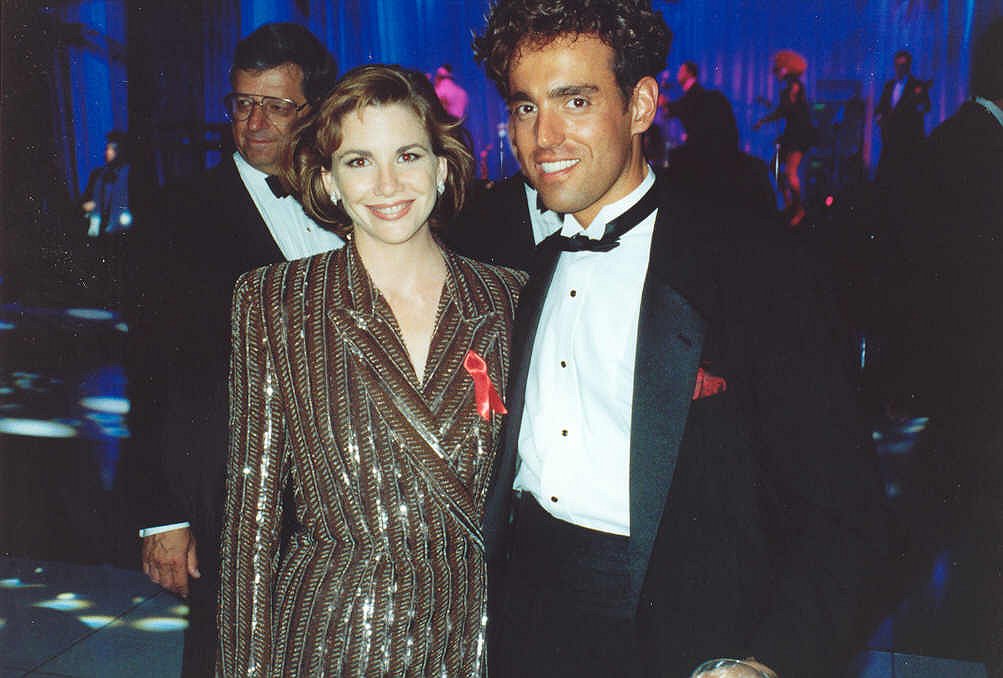
There is a final stake that no procedural ruling can dispose of, and Busfield's wife described it months before Friday. Melissa Gilbert, the actor known for "Little House on the Prairie," whom Busfield married in 2013, said in an April television interview that the experience had been the most traumatizing of their lives and that, in her words, "our life as we knew it is done." That is the asymmetry of a case like this, and a neutral report should name it without taking a side in it: an indictment dismissed on process grounds restores a defendant's legal position, but it does not rewind the public record of the accusation, the surrender, or the headlines — just as, for the complainants and their family, a dismissal on process grounds is not a judgment that they were disbelieved. Both of those things can be true at once, and on Friday, both were.
The reaction
Gilbert responded to the ruling on Friday on Instagram, posting the line "So shines a good deed in a weary world" — a quotation from Shakespeare's "The Merchant of Venice" — and sharing coverage of the decision to her Story, PEOPLE reported. The defense, through Fayerberg's arguments across the litigation, has framed the ruling as the court recognising that the grand jury process was unfair to a man who maintains his innocence. The prosecution's public response was narrower and, for now, complete in itself: "Our office has received the order and is evaluating our options to determine how we will proceed," DA spokesperson Nancy Laflin said, in the statement carried by PEOPLE and other outlets. Neither reaction changes the legal state of play. The defense has won the motion it filed in June. The state holds the decision that matters next.
What happens next
The next development in this case will come from the Bernalillo County District Attorney's office, not from a courtroom calendar. The office must decide whether to re-present the allegations to a new grand jury, pursue another lawful charging route, or close the matter. No timetable for that decision was given on Friday. If the state does re-present, the proceeding would begin again at the charging stage, and any new indictment would return the case toward a trial setting many months away; if it does not, Friday's order becomes, in effect, the end of the case, though not a verdict in it. Busfield, who is known to audiences for roles including Danny Concannon in "The West Wing," Elliot Weston in "thirtysomething" and Mark Sutcliffe in "Field of Dreams," and who directed episodes of the series at the centre of the allegations, remains free, as he has been since his release in January. Signal Post News will report the DA's decision when it is announced, and will continue to describe the underlying claims as what they legally are: unproven allegations, denied by the accused, which no court has yet weighed on their merits.
Related coverage: Alex Murdaugh retrial hearing: judge warns the retrial will not become a circus · Rep. Nancy Mace's ex-fiancé Patrick Bryant charged · Judge restores White House access for news outlets in injunction ruling
Sources
Reuters, October 16, 2026, "Judge dismisses indictment against actor Timothy Busfield on sexual assault charges" (New Mexico judge dismissed the indictment, per court documents). USA Today, October 16, 2026 (Judge Joseph Montaño granted the motion to dismiss the grand jury indictment on October 16; the order's language on the prosecutor's failure to act fairly and impartially, the witness instructions, and the 36-hour notice and juror-agreement procedures). PEOPLE, October 16, 2026 (the ruling per court documents; DA spokesperson Nancy Laflin: "Our office has received the order and is evaluating our options to determine how we will proceed"; Melissa Gilbert's Instagram response). Entertainment Weekly and The Wrap, October 16, 2026 (corroborating coverage of the dismissal and its without-prejudice effect). Case chronology — the January 2026 warrant, surrender and release, the February indictment on four counts, the not-guilty plea, the June 15 motion to quash and the September 25 hearing — as reported across the same outlets' coverage of the case through 2026. The Warner Bros. internal investigation point is reported as the defense's characterisation of that review, per defense statements in prior reporting.