White House access injunction CNN MS NOW Politico: a federal judge has ordered that the three outlets' journalists keep their access to the White House, finding that President Trump's ban on them was likely unlawful viewpoint discrimination.
Press freedom / Judge extends White House access for CNN, MS NOW and Politico
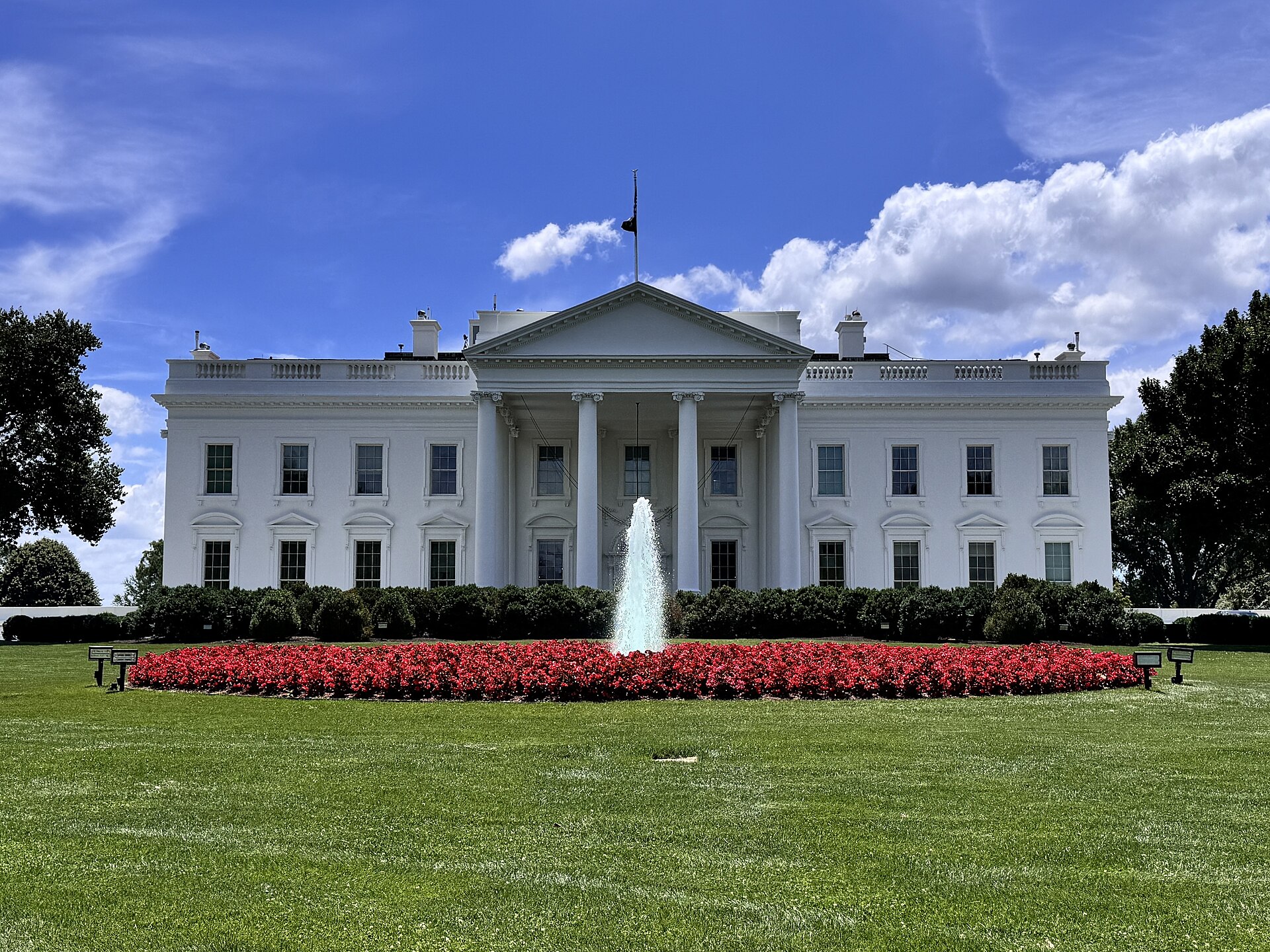
A federal judge in Washington ruled on Tuesday that journalists from CNN, MS NOW and Politico must keep their access to the White House, deciding that President Donald Trump likely broke the law when he tried to ban the three news organisations from the complex. US District Judge Timothy Kelly issued a preliminary injunction that extends the protection he first granted in an emergency order on September 24, and that will remain in effect until he reaches a final judgment in the outlets' lawsuit — unless an appeals court lifts it first.
This ruling is the follow-up to the fight this site covered at the hearing stage earlier this month. What was argued in Kelly's courtroom on October 8 has now been answered in writing, and the answer turns less on abstract press-freedom doctrine than on something simpler and harder for the government to escape: the President's own explanation of his own decision, given in public, before his lawyers offered the court a different one.
What the judge actually decided
Kelly's written decision elaborates on the emergency order — a temporary restraining order — that reinstated the journalists' access last month and was set to expire on Tuesday. A preliminary injunction is a step up in both weight and duration. To grant one, a judge must be persuaded that the challengers are likely to succeed on the merits when the case is fully heard, and Kelly said, in substance, that these challengers are. The practical consequence is immediate and concrete: the hard passes that let the three outlets' journalists enter the White House complex, attend briefings and work from the press areas stay valid while the litigation runs its course.
The ruling rests on two constitutional pillars, as USA Today summarised it. The first is due process. Before the government revokes a credential of this kind, Kelly found, the outlets were entitled to fair notice — notice of what conduct could cost them their passes, and of how severe the punishment might be. He saw no evidence the White House gave them either before the ban was announced. The second pillar is the First Amendment. Kelly found the outlets likely to prove that the ban retaliated against them for their reporting and singled them out for the viewpoints they expressed — the kind of government action free-speech law treats with the deepest suspicion.
The sentence at the centre of the case
Judges usually have to infer motive. Kelly wrote that in this case he barely had to, because Trump had stated his motive himself. When the President announced the ban in September, he said the outlets should not be able to keep reporting what he characterised as fiction and lies about his presidency. He told reporters the same day that his frustration came from the accumulation of their stories over recent years — coverage he described as fake news. Neither statement mentioned national security. Neither mentioned classified information, safety, or the protection of sensitive operations.
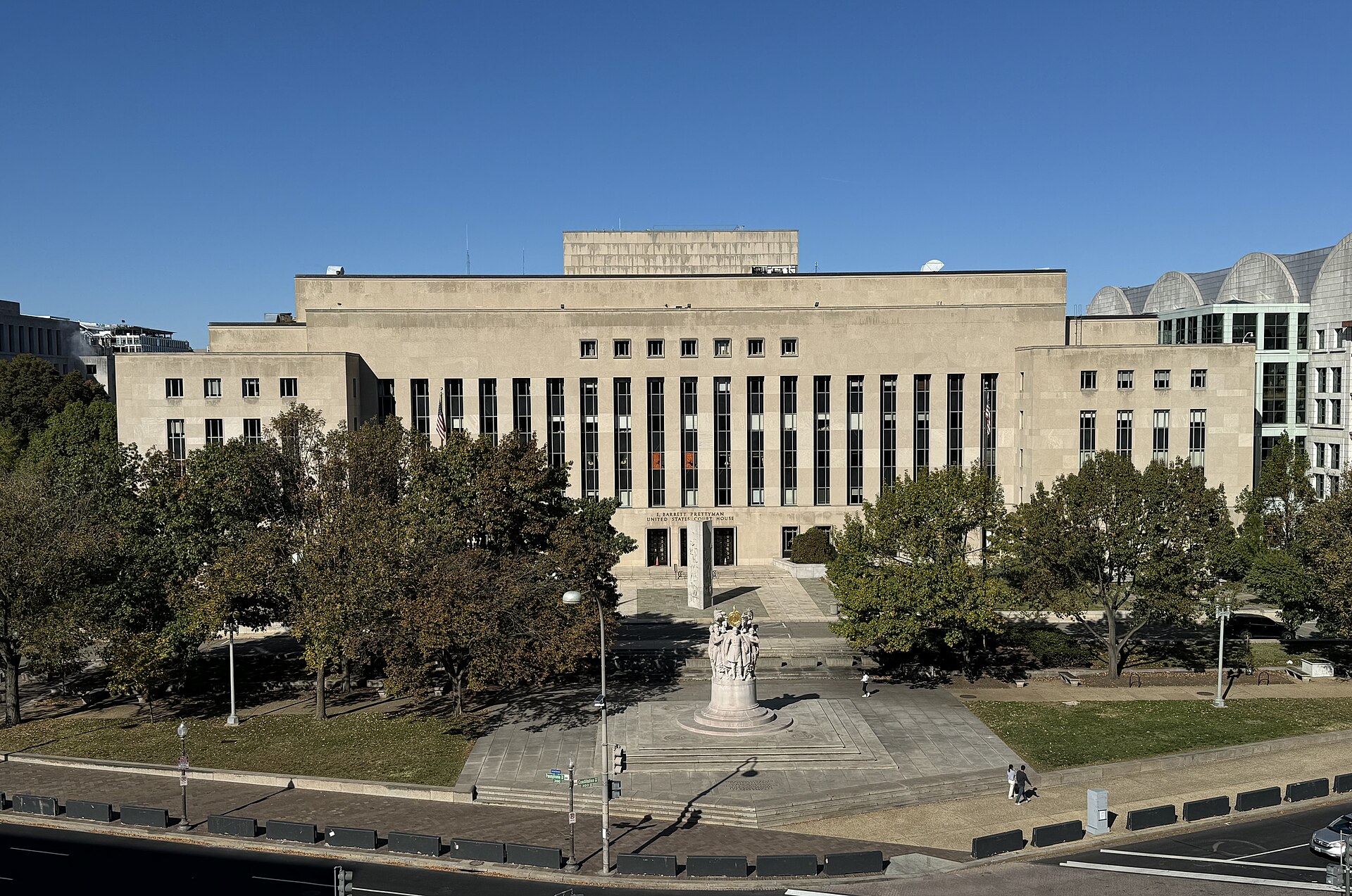
Against that record, Kelly weighed the Justice Department's later argument — that the ban was legally justified on national-security grounds — and found the sequence unpersuasive. The President's remarks, he concluded, made clear the ban was imposed because Trump considered the outlets' reporting biased and inaccurate. "Simply put, that is unlawful viewpoint discrimination," he wrote. At the same time, Kelly was careful to bound his own ruling: he added that no one should read the decision as suggesting the President's complaints about the outlets are meritless. The distinction matters. The court did not rule that the coverage was accurate, fair or beyond criticism. It ruled on the reason the government acted, and on the process it skipped — and on those two questions, it found the government's position likely unlawful.
The government's case, stated fairly
The administration's position deserves to be set out as its lawyers made it, because parts of it will now be tested on appeal. The Justice Department has argued that access to the White House is a privilege extended by the presidency, not a right any news organisation holds, and that a president must be able to exclude outlets he judges to be security risks. In court, department lawyers said the three outlets had endangered national security through their reporting, pointing to stories about US missile stockpiles, about construction of the President's White House ballroom, and about turnout at the recent Republican midterm convention. At the October 8 hearing, a Justice Department lawyer described the outlets' conduct in stark terms and defended the bans as fair and justified.
That argument has a genuine constitutional pedigree: courts have historically given presidents wide latitude over who enters the White House, a secure facility that is also a home. Where it struggled in Kelly's courtroom was fit. A security rationale assembled after an announcement framed entirely around coverage invites the question the judge kept returning to — if security was the reason, why did the President not say so when he acted? The outlets, for their part, told the court the security concerns were manufactured after the fact to dress up retaliation, and their lawyer argued at the hearing that the case presents the unusual spectacle of a president who has openly said he wants to pressure news organisations into better coverage. Kelly's injunction does not end that argument. It records which side of it he finds likely to win.
How this fight arrived here
The timeline is short and unusually public. On September 18, Trump announced on social media that CNN, MS NOW and Politico were banned from the White House. The outlets sued, arguing the revocation of their journalists' passes violated the First Amendment's protections for speech and a free press, and their due-process right to fair treatment before access was taken away. On September 24, Kelly issued his emergency order finding the ban likely violated their due-process rights, and the White House reinstated the journalists the same day. On October 8, both sides argued over whether that protection should be extended. On Tuesday, it was — in the stronger form of a preliminary injunction.
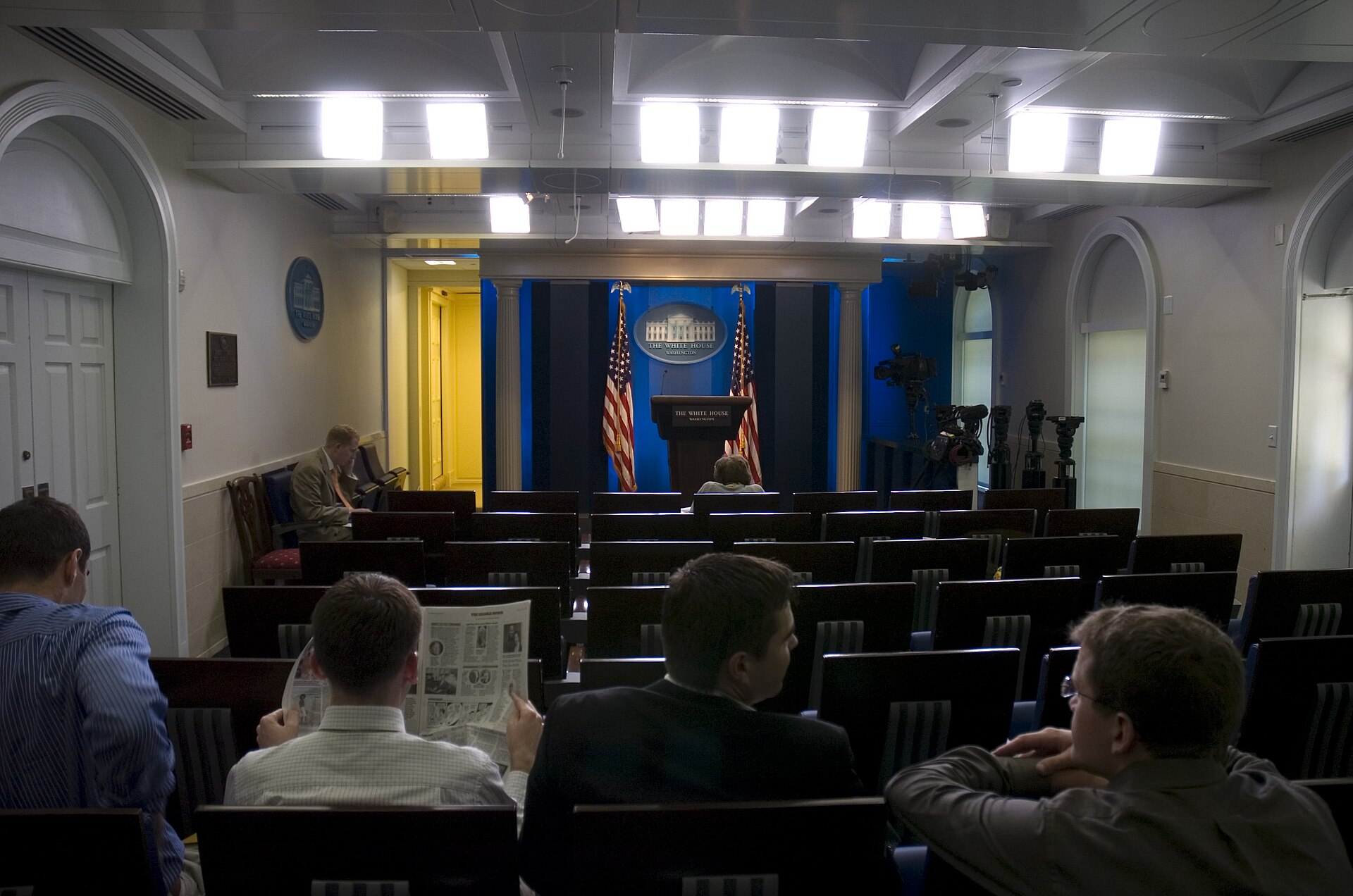
Access, it should be noted, is not all-or-nothing even under the injunction. USA Today reported that although the passes were reinstated after Kelly's September order, the administration has still blocked CNN and Politico from travelling on Air Force One. A hard pass opens the gates of the complex; it does not by itself assign seats on the presidential aircraft, places in the travelling pool, or questions at a briefing. That gap between formal access and practical access is likely to generate its own disputes, and possibly its own litigation, whatever happens to the injunction itself. The ban, equally, never stopped the three outlets from reporting on the President — from outside the fence. What is being fought over is proximity: the ability to be in the room, on the South Lawn, and in the pool sprays where news is made and where an administration's daily presentation of itself can be witnessed at first hand.
Why this matters beyond three mastheads
It would be easy to file this as one more round in a long war between this President and the press, and the background supports the framing: Reuters noted that Trump has denied basic access to major news organisations, attacked journalists personally over their reporting, elevated friendlier outlets, and sued news organisations — a campaign against the media that even seasoned Washington observers describe as without modern precedent. But the legal question Kelly answered is older and narrower than the feud, and it will outlast it. Every administration inherits the credentialing system this case tests. If a president may revoke access because he dislikes coverage — announcing that reason openly — then access becomes a lever over every newsroom that holds a pass, including the ones cheering this ban today. That is the systemic stake the outlets and press-freedom groups have pressed: not sympathy for three companies, but the principle that the lever should not exist.
The countervailing stake is real as well, and honest analysis has to name it. A White House is not a public park. It is the most security-sensitive workplace in American public life, and presidents of both parties have shaped press access to it — expanding the pool, shrinking it, favouring some formats over others. The administration's defenders can fairly ask whether a court should be in the business of second-guessing exclusion decisions at all, and whether a ruling built on a president's social-media rhetoric punishes candour: a quieter president, making the same decision with a lawyered statement, might have survived this challenge. Kelly's answer, in effect, is that the Constitution examines the government's actual reason, and a president who states a forbidden reason cannot cure it by having his lawyers state a permitted one afterwards. That is a significant doctrine if it survives appeal — and a contestable one, which is precisely why the appeal will matter.
The judge, and the timing
One biographical fact has followed this case from its first day: Timothy Kelly was appointed to the federal bench by Donald Trump in 2017, during his first term. That does not make the ruling partisan or non-partisan by itself — judges rule against their appointing presidents' administrations routinely, and the written reasoning is what will be reviewed on appeal. But it does strip the White House of its most familiar line of response to adverse rulings, and it gives the injunction a particular weight in the public argument: the finding that the President likely broke the law comes from a jurist he chose.
The calendar adds its own pressure. The legal battle is unfolding weeks before the November 3 midterm elections, in which Republicans are fighting to retain control of Congress. Control of the White House press room is hardly a ballot question, but the symbolism — a president at war with the country's best-known news brands, a court ordering him to let them back in — will be folded into a closing campaign argument already crowded with disputes over how this administration uses state power. For the outlets, Tuesday's order means their reporters work the final weeks of the campaign from inside the building. For the administration, every day the injunction stands is a day its most public act of press discipline remains undone by its own appointee.
What happens next
Three paths now run in parallel. First, the appeal: the government can ask a federal appeals court to lift or narrow the injunction while the case proceeds, and appellate judges will test exactly the questions Kelly flagged — motive, notice, and the line between credentialing discretion and viewpoint discrimination. Second, the underlying lawsuit continues toward a final judgment in Kelly's court, which would convert Tuesday's "likely unlawful" into a definitive ruling one way or the other. Third, the practical contest over access continues day by day — pool assignments, Air Force One seats, briefing-room questions — in spaces a single injunction does not fully map.
What Tuesday settled is the default. Until a higher court says otherwise, the journalists stay in the building, the passes stay valid, and the ban the President announced in September remains what a judge of his own appointment has found it likely to be: not a security measure, but a punishment for coverage — and, in the court's words, unlawful for exactly that reason.
Related coverage: The earlier hearing: Judge Kelly weighs longer protection for CNN, MS NOW and Politico
Sources: Reuters via KRRO, USA Today.