U.S. / Texas — The Keith Self assassination plot teen case, in which a 17-year-old from McKinney is accused of planning an Islamic State attack in North Texas, is an allegation reported by outlets citing federal sources — not a conviction.
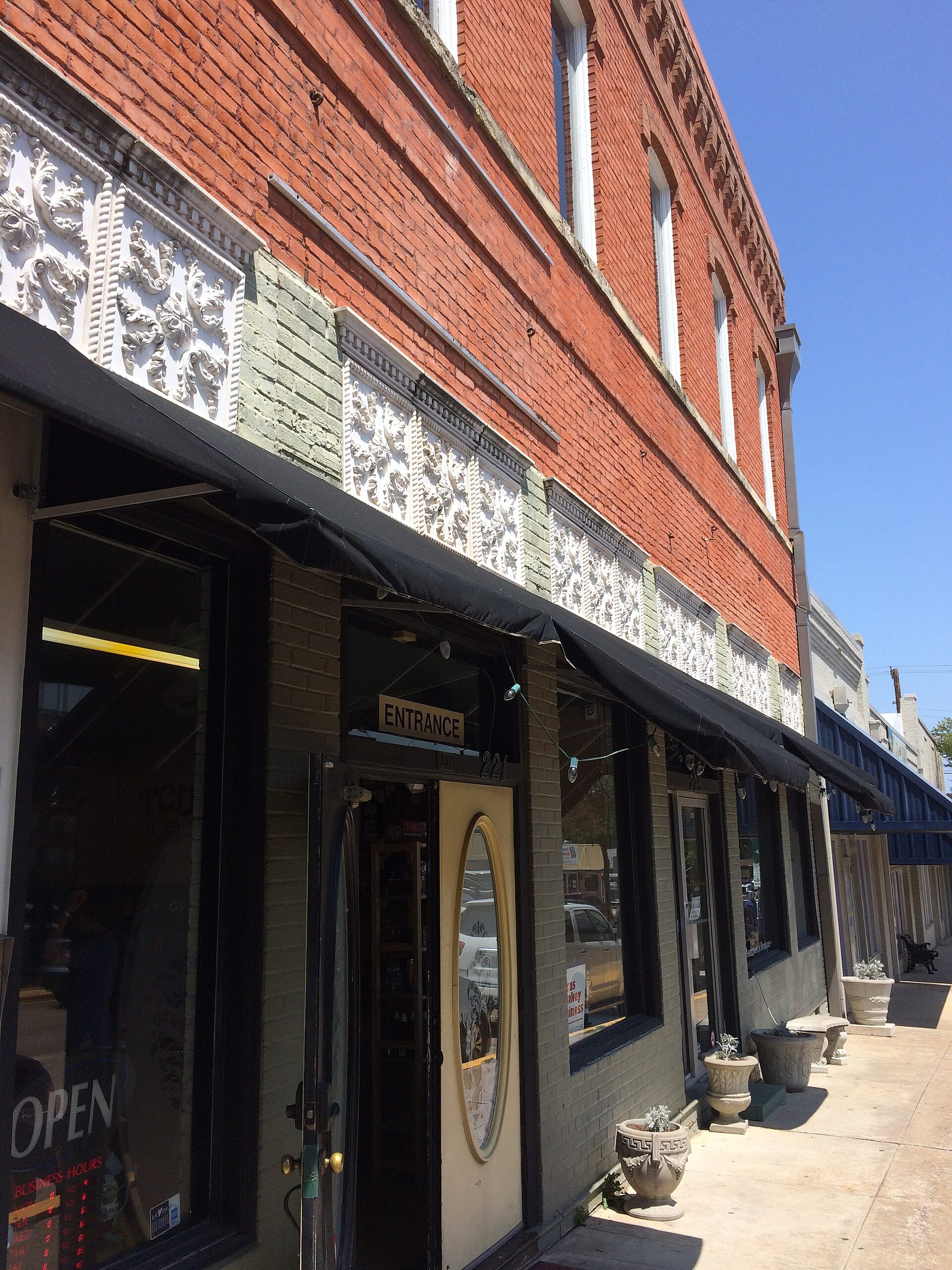
The Keith Self assassination plot teen case became public this week, but the arrest at its centre happened weeks ago. Federal sources say the FBI arrested a 17-year-old from McKinney, Texas, on October 5, 2026, after he acquired a firearm. The teenager is accused of plotting to assassinate Republican Representative Keith Self and to carry out a terrorist attack in North Texas on behalf of the Islamic State.
Those are allegations. They are reported by WFAA ABC 8, which first reported the story late on Wednesday, October 21 into October 22, and by the FDD's Long War Journal on October 22–23, the New York Post on October 22, and the Center Square, citing federal law-enforcement sources. No Department of Justice press release is quoted in that coverage, the teenager has not been convicted of anything, and as a minor his name is being withheld. He remains in federal custody. Signal Post News is reporting what officials and outlets say he is accused of — nothing in this article should be read as a finding that he did it.
An October 17 fundraiser as the alleged target event
Investigators believe the intended target event was an October 17 veterans' chili cook-off fundraiser involving former Dallas Cowboys players, according to the reporting. U.S. Capitol Police notified Self's team on October 6 — the day after the arrest, and eleven days before the event. That sequence, if the reporting is accurate, describes the system working as designed: surveillance identifying a threat, an arrest before the event, notification to the threatened member's office, and a public event that then proceeded.
And proceed it did. Self attended the October 17 fundraiser as scheduled and judged chili. Cancelling public events in response to every disrupted threat would hand plotters a veto over democratic life even when they fail.
Investigators believe the teenager had recently been radicalised online and was under federal surveillance before the arrest. His arrest after acquiring a firearm follows a familiar pattern: online radicalisation moves at internet speed, but an attack still requires physical steps — a weapon, a venue, a date — and those steps are where law enforcement most often intervenes.
Self and Abbott respond
Self responded publicly on X. “I am grateful to the FBI and law enforcement for stopping this threat,” he wrote. “My family and I are safe, and I remain focused on serving the people of Texas' 3rd District.” In a further statement he placed the alleged plot in the terms of his own career: “Preserving our constitutional republic from radical Islam means accepting the costs that come with it — name-calling, threats, and worse... I served 25 years in the military because defending freedom was worth the sacrifice. This only strengthens my resolve. I will not back down.”
Texas Governor Greg Abbott responded in similar terms: “The FBI stopped this radical Islamic terrorist before he could strike. Radical Islamic terrorism has no place in Texas.” Note the difference between that political language and the legal position: the governor described the accused as a terrorist, while in law the teenager is a minor facing allegations not yet tested in court.
Self told Newsmax and CBS Texas that threats against members of Congress are “more routine than you would think,” but that few reach the level of an arrest. That distinction — between the background noise of threats congressional offices now absorb and the rare case producing federal custody — is a measure of the current threat environment.
Who Keith Self is
Self represents Texas's 3rd Congressional District, which includes McKinney, and is running for a third term. A retired military officer who served 25 years, he has made opposition to what he calls radical Islam a defining theme of his time in Congress. In December 2025 he co-founded the Sharia-Free America Caucus with Representative Chip Roy, and on October 13, 2026 he said the caucus had grown to 70 members.
Self has also cited, as context for threats against him, a local dispute over a mosque in the McKinney area — a connection he draws himself, which Signal Post News attributes to him rather than asserting as an established motive. No reporting cited here establishes why this teenager allegedly chose this target, beyond the claim that he acted for the Islamic State after being radicalised online. The case also unfolds in a Washington already arguing over political security, as our coverage of the Sioux City rally fight over Rep. Ilhan Omar and the Justice Department investigation touching DHS contracts show from very different angles.
Why this matters
Why this matters is the pattern, not only the plot. The recurring shape of disrupted American terror cases over the past decade is a young person — increasingly, a minor — radicalised largely online, attaching himself to a foreign terrorist brand he has never physically joined, and moving from rhetoric to a weapon purchase, which is where the case becomes an arrest. The Islamic State's physical caliphate was destroyed years ago. Its remaining weapon in the United States is content: propaganda designed to convert lonely, angry teenagers into attackers it never has to train, pay, or meet.
That pattern raises questions no arrest can answer. Platforms, parents, schools and investigators each see fragments of online radicalisation, rarely the whole picture, and the line between protected — if poisonous — speech and criminal plotting is crossed late, often at the moment of acquiring a weapon. Intervening earlier risks policing belief rather than conduct. The McKinney case, as reported, sits on that line: surveillance first, arrest after a firearm, prosecution to follow.
There is also the congressional dimension. Threats against members have become a standing feature of American politics, reported by members of both parties. Self has explicitly connected this case to his caucus and his public positions. Critics of that framing note that an unproven allegation against a teenager is a thin foundation for wider claims about any community, including the local mosque dispute Self cited. Supporters answer that the alleged target was chosen, on the reporting, precisely because of those positions. The court case, when it comes, will address only the teenager.
What happens next
What happens next is legal process, and it may be slow and largely sealed. Cases involving minors often proceed with limited public filings, and the absence of a quoted Justice Department press release means basic facts — the specific charges, the court, the next hearing date — have not been publicly confirmed in the reporting cited here. When court documents become public, they will either substantiate the account given by federal sources or complicate it.
For now, the verified core is narrow and should stay narrow: a 17-year-old from McKinney was arrested on October 5 after acquiring a firearm; federal sources accuse him of plotting, for the Islamic State, to kill a congressman and attack an event that went ahead peacefully on October 17; the congressman and the governor have thanked the FBI; and a minor who has been convicted of nothing remains in federal custody, entitled to the process that will decide whether any of it is true.
Sources: WFAA ABC 8, first reporting late Wednesday, October 21–22, 2026; FDD Long War Journal, October 22–23, 2026; New York Post, October 22, 2026; Center Square — all citing federal law-enforcement sources: FBI arrest of a 17-year-old from McKinney, Texas on October 5, 2026 after he acquired a firearm; accusation of plotting to assassinate Rep. Keith Self and carry out a terrorist attack in North Texas on behalf of the Islamic State; investigators' belief that the intended target event was an October 17, 2026 veterans' chili cook-off fundraiser involving former Dallas Cowboys players; recent online radicalisation and federal surveillance; U.S. Capitol Police notification to Self's team on October 6, 2026; Self attending and judging chili at the October 17 fundraiser as scheduled; the teenager's name withheld as a minor and his continued federal custody. Statements: Rep. Keith Self on X (“I am grateful to the FBI and law enforcement for stopping this threat. My family and I are safe, and I remain focused on serving the people of Texas' 3rd District” and “Preserving our constitutional republic from radical Islam means accepting the costs that come with it... I served 25 years in the military because defending freedom was worth the sacrifice. This only strengthens my resolve. I will not back down”); Texas Gov. Greg Abbott (“The FBI stopped this radical Islamic terrorist before he could strike. Radical Islamic terrorism has no place in Texas”); Self to Newsmax/CBS Texas (threats against members are “more routine than you would think” but few reach arrest level). Background: Self represents TX-3 including McKinney, is running for a third term, and co-founded the Sharia-Free America Caucus with Rep. Chip Roy in December 2025 (Self said October 13, 2026 it had grown to 70 members). No DOJ press release is quoted in the cited coverage; the allegations are unproven and the teenager has not been convicted.